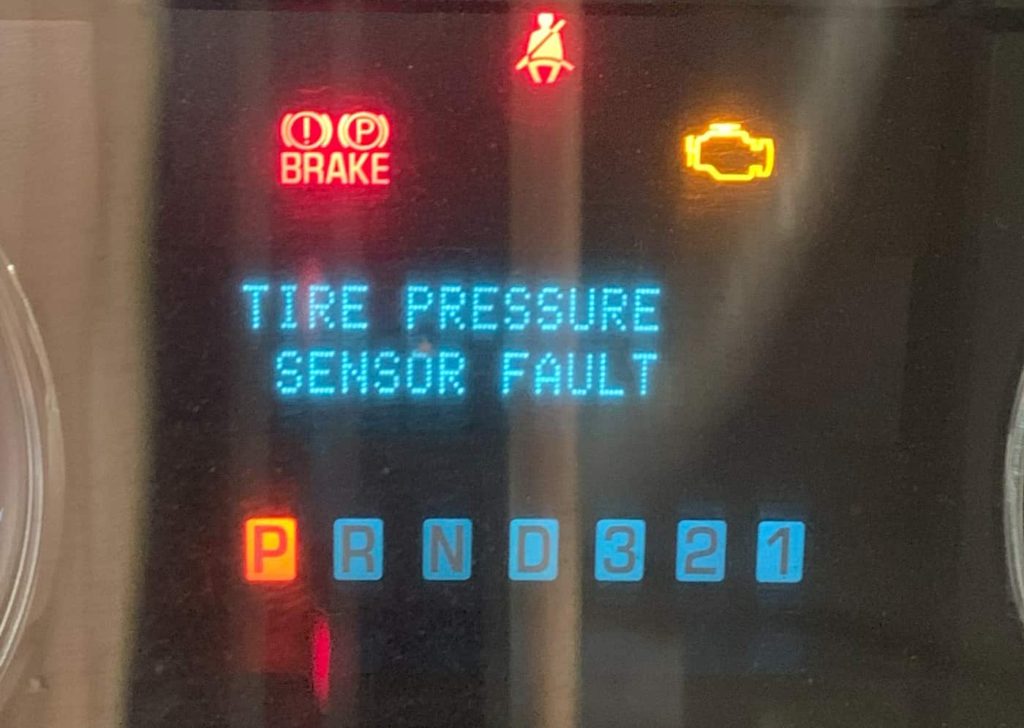
A tire pressure monitor fault on a Ford Escape usually means the TPMS cannot communicate correctly with one or more tire pressure sensors, a sensor battery is weak, or the system has detected a problem that requires diagnosis.
Ford Escape owners across the United States may see a Tire Pressure Monitor Fault message when starting the vehicle or while driving. The warning does not always mean a tire is low on air; it often indicates that the tire pressure monitoring system itself has a communication or sensor issue.
The Ford Escape uses a Tire Pressure Monitoring System (TPMS) to monitor tire inflation and alert drivers when pressure falls below the recommended level or when a sensor system problem occurs. Checking tire pressures first, then diagnosing the sensors and system components in order, is the safest way to resolve the warning.
Source: tpmsreset.com
What Does Tire Pressure Monitor Fault Mean on a Ford Escape?
A Tire Pressure Monitor Fault message means the Ford Escape’s TPMS has detected a malfunction rather than simply reporting low tire pressure. The vehicle computer may not be receiving reliable information from one or more tire pressure sensors.
Each wheel contains a TPMS sensor that measures tire air pressure and sends information wirelessly to the vehicle’s TPMS module. When communication fails, the system may display a fault warning instead of a normal pressure reading.
Source: tpmsreset.com
Low tire pressure warning
This occurs when tire pressure drops below the recommended level and is different from a sensor system fault.
TPMS fault warning
This indicates a problem with the monitoring system, sensor signal, sensor battery, or related electronics.
Why This Matters for Ford Escape Drivers
A malfunctioning TPMS may prevent the vehicle from warning the driver about an actual low-pressure condition. Correct tire inflation is important for safe handling, braking performance, and tire life.
Safety impact
Incorrect tire pressure can affect vehicle stability and increase the chance of uneven tire wear.
Common Causes of Ford Escape Tire Pressure Monitor Fault
The most common causes involve the TPMS sensors, their batteries, or communication between the sensors and the vehicle computer. Identifying the exact cause requires checking the simplest possibilities first.
Source: cdn-ds.com
Failed TPMS sensor battery
Most tire pressure sensors use built-in batteries that can lose power after several years of use. A weak battery can prevent the sensor from transmitting data.
Damaged or missing sensor
A sensor can be damaged during tire installation, wheel repairs, or replacement work.
Incorrect tire pressure
Significant pressure differences between tires can trigger warnings and should always be corrected first.
Sensor programming issue
After replacing tires or sensors, some Ford Escape models may require TPMS relearning or sensor programming.
Symptoms That Often Appear With a TPMS Fault
Drivers may notice several signs when the Ford Escape TPMS system is not working correctly.
Dashboard warning message
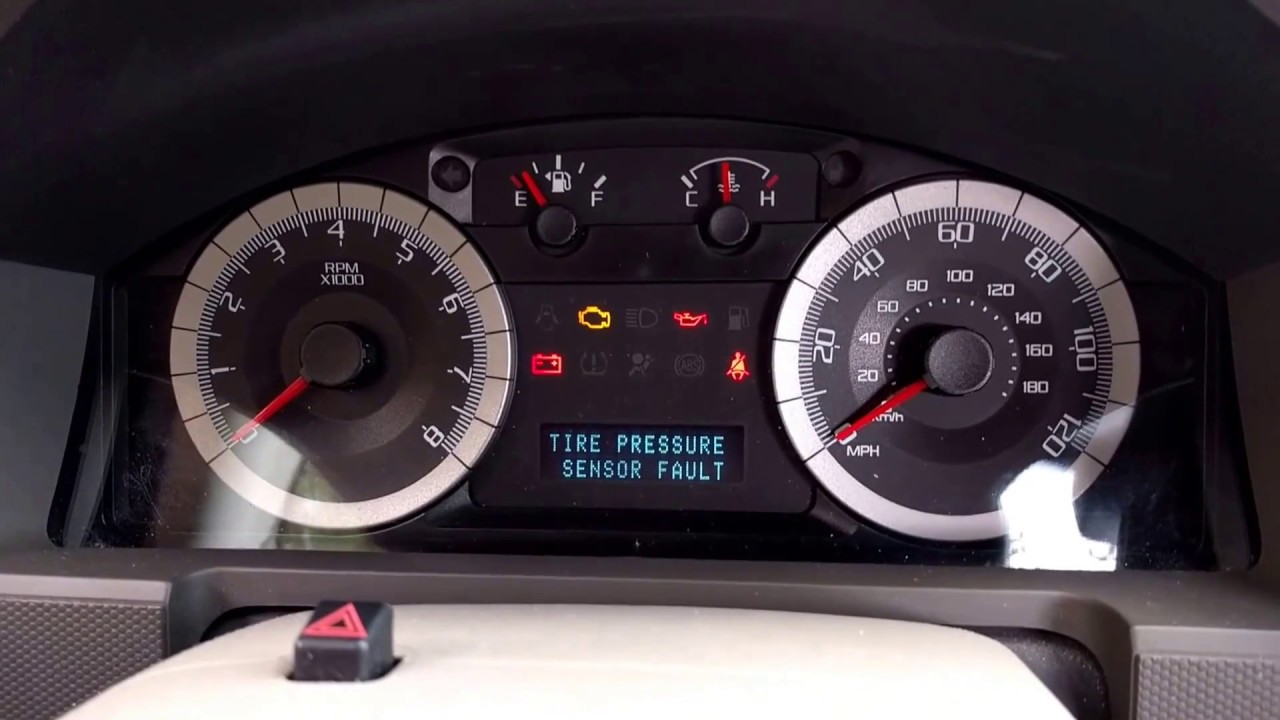
The instrument cluster may display Tire Pressure Monitor Fault or a similar warning.
Flashing TPMS light
A flashing warning light followed by a steady light often indicates a system malfunction rather than low pressure.
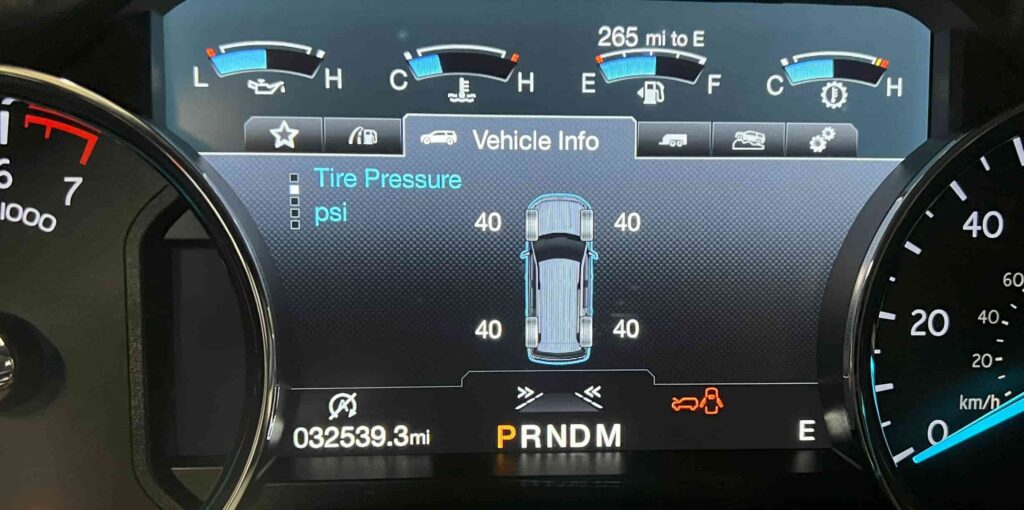
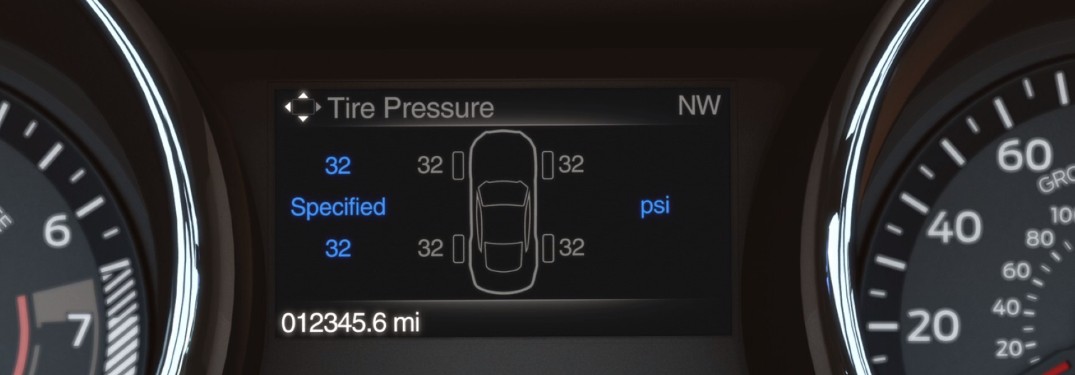
Missing tire pressure information
Some models may stop showing individual tire pressure readings when communication fails.
How to Diagnose a Tire Pressure Monitor Fault on a Ford Escape
The best troubleshooting approach starts with basic tire checks and moves toward electronic diagnosis. Avoid replacing sensors before confirming the actual cause.
Source: i1.wp.com
Step 1: Check all tire pressures
Use an accurate tire pressure gauge and compare each tire pressure with the recommended specification listed on the driver’s door information label.
Step 2: Inspect the TPMS warning behavior
Notice whether the warning appears immediately, flashes, or appears after driving because these details can help identify the problem.
Step 3: Check for recent tire service
Recent tire replacement, rotation, or wheel repairs may have affected sensor operation or programming.
Step 4: Use a TPMS diagnostic tool
A compatible scan tool can identify sensor communication problems and provide more accurate fault information.
What to Do If the Fault Remains After Adjusting Tire Pressure
If the warning remains after tire pressure is corrected, the problem is likely related to the TPMS system itself. Sensor testing, relearning procedures, or professional diagnosis may be necessary.
Possible next step
Have the TPMS sensors checked individually to determine whether one sensor has failed.
How to Reset Ford Escape Tire Pressure Monitor System
A TPMS reset may clear the warning after correcting tire pressure or completing sensor service, but the correct procedure depends on the Ford Escape model year and equipment level.
Many Ford Escape models automatically relearn sensor information after driving under normal conditions, while others may require a manual relearn procedure using vehicle controls or a TPMS tool.
Source: i.ytimg.com
Confirm correct tire pressure
Reset procedures should only be attempted after all tires are inflated to the recommended pressure.
Follow the model-specific reset procedure
Use the owner’s manual instructions because TPMS procedures vary between Ford Escape generations.
Drive after resetting
Some systems need driving time to confirm sensor communication and remove the warning.
When a Reset Will Not Fix the Problem
A reset cannot repair a damaged sensor, dead sensor battery, wiring fault, or failed TPMS module. If the fault returns quickly, further diagnosis is required.
Replace only confirmed failed components
Testing before replacement helps avoid unnecessary repair costs.
Ford Escape TPMS Fault Repair Cost Factors
The cost to fix a Ford Escape Tire Pressure Monitor Fault depends on whether the issue is tire pressure, sensor replacement, programming, or a larger electrical problem.
A simple tire inflation correction may cost nothing, while replacing one or more TPMS sensors usually involves parts and labor. Costs vary by location, vehicle year, sensor type, and repair provider.
A faulty TPMS may prevent early detection of low tire pressure.
Frequently Asked Questions
Q
Can I drive my Ford Escape with a Tire Pressure Monitor Fault?
You may be able to drive temporarily, but the TPMS may not provide reliable warnings about low tire pressure. Check tire pressures manually and repair the fault as soon as possible.
Q
Why does my Ford Escape say Tire Pressure Sensor Fault but tires are full?
If tire pressure is correct, the warning may be caused by a weak sensor battery, damaged sensor, communication problem, or required relearning procedure.
Q
How long do Ford Escape TPMS sensors usually last?
TPMS sensor battery life varies depending on usage and conditions. Many sensors operate for several years before their internal batteries become weak.
Q
Will disconnecting the battery reset the Ford Escape TPMS fault?
Disconnecting the vehicle battery usually does not repair a TPMS sensor fault. The system may require proper diagnosis or relearning instead.
Q
Do Ford Escape tires need special sensors after replacement?
Replacement sensors must be compatible with the specific Ford Escape model year and may require programming before the system recognizes them.
✦ Wrapping Up
Conclusion
A tire pressure monitor fault on a Ford Escape is usually caused by a TPMS sensor communication issue, sensor battery failure, incorrect tire pressure, or a programming problem. The safest troubleshooting method is to verify tire pressure first, then inspect and diagnose the TPMS components.
Avoid replacing parts without confirmation because several different problems can create the same warning message. A proper diagnosis helps restore the monitoring system and keeps tire safety information available while driving.
💡 Key Takeaway
Check tire pressure first, review the warning behavior, and use proper TPMS diagnosis before replacing sensors or other components.
Learn how to setup wireless CarPlay in your vehicle with this complete guide. Follow step-by-step instructions, compatibility checks, troubleshooting tips, and common fixes.
Choosing between a smart scale vs regular scale? Compare features, accuracy, and fitness tracking benefits to see which device is right for your 2026 goals.