A regular scale measures only your total body weight, while a smart scale tracks body composition metrics like body fat, muscle mass, and water percentage.
Choosing between these two devices depends on your fitness goals and how much data you want to track. From testing many models, I’ve learned the smart scale vs regular scale debate isn’t about which is “better.” It’s about which one matches your routine and goals. Traditional bathroom scales offer fast, reliable weight readings. Smart scales give deeper health insights and long-term tracking.
If you’re new to connected devices, start by learning how to use a smart weight scale properly. Wrong use is a top reason people get confused by the numbers.
Smart Scale vs Regular Scale: Quick Comparison
| Feature | Smart Scale | Regular Scale |
|---|---|---|
| Measurement | Weight + body composition (fat, muscle, BMI) | Weight only |
| Accuracy | Good for trends, not medical-grade | Highly accurate for weight |
| Connectivity | Bluetooth / Wi-Fi sync with apps | No connectivity |
| User Profiles | Supports multiple users | Single user only |
| Ease of Use | Requires setup and app | Very simple, no setup |
| Price | Moderate to high | Low and affordable |
| Best For | Fitness tracking & detailed insights | Basic weight monitoring |
Understanding the Difference in Technology
A regular scale uses load sensors. These sensors measure the force your body applies to the platform. The scale shows one number: your total weight. That makes it reliable and easy to use. It is ideal for anyone who wants a quick, accurate weight reading.
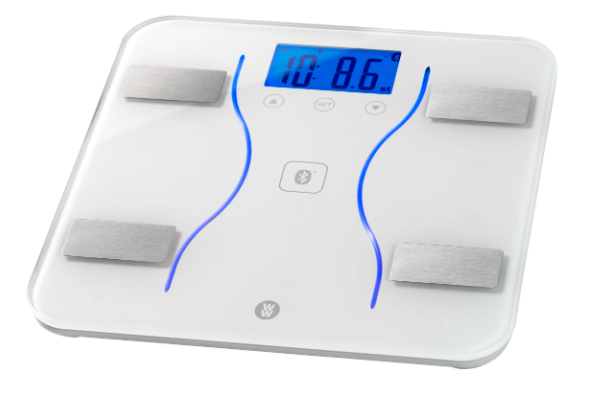
A smart scale uses Bioelectrical Impedance Analysis (BIA). It sends a tiny electrical signal through your body. The device measures resistance. From that, it estimates fat mass, muscle mass, and body water. This is how many body composition scales calculate BMI and hydration percentage.
BIA-based readings can vary. They depend on hydration, timing, skin contact, and the model’s algorithm. If you want to dig deeper into accuracy, read are smart scales accurate. That article breaks down what to expect from body composition numbers.
Benefits of Choosing a Smart Scale
Smart scales give you more data than weight alone. They help you track trends in body composition. Over weeks and months, those trends reveal real changes.
- Advanced metrics: Track body fat, muscle mass, BMI, and hydration levels
- App connectivity: Sync data via Bluetooth or Wi-Fi for long-term tracking and trend charts
- Multiple users: Automatically recognizes different family members and stores separate profiles
- Motivation: Visual progress can keep you consistent and focused
From my tests, smart scales keep me accountable. I can see if I’m losing fat while gaining muscle. That kind of insight would be invisible on a regular scale. If you track body composition, you can adjust training and diet faster.
Who Gets the Most Value from a Smart Scale
Smart scales help a wide range of people. They are useful for:
- People who track fitness and weight loss goals
- Athletes monitoring muscle mass and recovery
- Anyone tracking hydration or body water percentage
- Families who want multiple user profiles synced to phones
If you want actionable data and trend graphs, a smart scale is worth the price.
When a Regular Scale Is the Better Option
Even with smart features, regular scales still make sense.
- Simplicity: No apps, syncing, or setup. Step on and read your weight
- Affordable: Much cheaper than smart alternatives
- Reliable: Focused on one task—accurate weight measurement
- Low maintenance: Fewer technical issues, no firmware updates
A regular scale is great if you want a quick weight check. It’s the classic bathroom scale—simple and dependable.
Who Should Stick with a Regular Scale
Choose a regular scale if:
- You only need to monitor total weight
- You prefer low-cost, low-maintenance tools
- You dislike syncing apps or managing connected devices
For many people, a basic digital scale is all they need to stay on track.
Which One Should You Choose?
Choosing between a smart scale vs regular scale comes down to your goals and habits. Here’s a simple rule:
- Choose a smart scale if you want detailed insights, body composition tracking, and long-term trend data.
- Choose a regular scale if you prefer simplicity, low cost, and a fast, accurate weight reading.
For most people starting a fitness plan, a smart scale gives more value. But only if you use it properly and accept its limits. If you just want a single number, a regular scale will serve you well.
Common Mistakes to Avoid
Many users misread smart scale data. Avoid these common mistakes:
- Expecting medical-grade accuracy from a consumer device
- Ignoring hydration and timing—these change BIA results
- Weighing at different times of day or after meals
- Not syncing or updating the app and firmware
Fix these issues and your smart scale will produce consistent trend data. That consistency is what makes body composition tracking useful.
Accuracy: What to Expect from Body Composition Readings
Smart scales are solid for tracking trends. They are not a replacement for clinical tests like DEXA scans. BIA gives estimates. Expect small day-to-day variation. Large shifts over weeks are the meaningful ones.
- Use the same scale and conditions to track progress.
- Look for trends over weeks, not single readings.
- If a reading seems off, retake it after 10–20 minutes.
Frequently Asked Questions about Smart Scale vs Regular Scale
Do smart scales provide accurate medical data?
No. Smart scales are not medical devices. They are useful for tracking trends in body fat, muscle, and hydration. For clinical diagnosis, use lab tests or talk to a clinician.
Can pregnant women use smart scales?
Most manufacturers advise against using body composition features during pregnancy. Always follow the product guidelines. Consult your doctor if you have questions.
Do I need a smartphone to use a smart scale?
Yes. Most smart scales need a smartphone and a companion app to unlock full features. Without the app, many smart scales work like regular scales and only show weight.
How often should I weigh myself?
Consistency matters more than frequency. Weigh daily or weekly if you prefer. Always measure at the same time—ideally in the morning after using the bathroom and before eating. That reduces variability from food and hydration.
Do smart scales work on carpet?
No. Smart scales need a hard, flat surface. Use tile, wood, or concrete for accurate readings. Carpet can cause wrong weight and composition results.
How to Use a Smart Scale Correctly (Practical Tips)
To get useful data from a smart scale, follow these simple steps. These best practices reduce noise and make trend tracking reliable.
- Place the scale on a hard, flat floor. Avoid rugs or uneven surfaces.
- Weigh at the same time each day. Morning is best.
- Stand barefoot and steady. Make full contact with the metal sensors.
- Empty your bladder before weighing for consistent results.
- Avoid heavy meals, alcohol, or intense workouts right before measuring.
- Keep firmware and the companion app up to date.
- Create and verify user profiles so the scale logs data to the right account.
I follow these steps every morning. My numbers became much more consistent. The small daily swings faded and real trends stood out.
How to Choose the Right Scale for Your Needs
Think about how you use a scale. Ask yourself these questions:
- Do I want body composition data or just weight?
- Will I track progress in an app over months?
- Do I need multiple user profiles?
- What is my budget?
If you want long-term health tracking, choose a smart scale with reliable BIA, solid app support, and good reviews. If you want low cost and minimal fuss, pick a simple digital scale with accurate load sensors.
Conclusion
The choice between a smart scale vs regular scale comes down to your personal preference and goals. Smart scales offer deeper insights and long-term tracking. Regular scales provide simplicity and reliable weight readings.
If you want a fuller picture of your health—body fat trends, muscle changes, and hydration—a smart scale is worth it. If you want a simple readout and minimal tech, a regular scale will do the job perfectly.
In the end, the best scale is the one you will use consistently. Consistent measurements over time are what drive real progress.