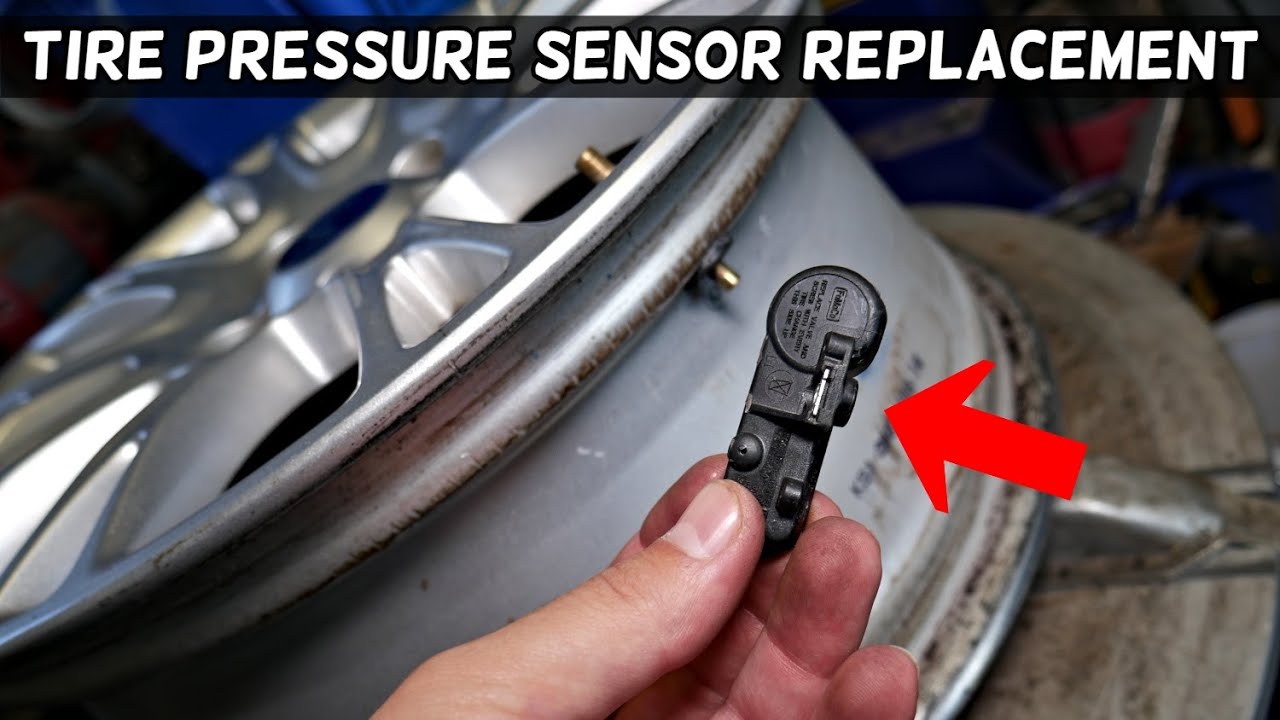
Installing a tire pressure monitor sensor usually requires removing the tire from the wheel, replacing or mounting the TPMS sensor inside the rim, sealing the valve area, and programming the sensor so the vehicle can recognize it.
In the United States, tire pressure monitoring systems (TPMS) have been required on most passenger vehicles since the 2008 model year under federal safety regulations. These systems help drivers identify dangerously low tire pressure before it affects handling, fuel economy, or tire durability.
Installing a tire pressure monitor sensor is not the same as simply attaching a device to the tire. Most factory-style TPMS sensors are mounted inside the wheel assembly, which means the tire bead usually must be broken and the sensor must be correctly positioned, sealed, and programmed. Some vehicles also require a TPMS relearn procedure after installation.
Source: i.ytimg.com
What Is a Tire Pressure Monitor Sensor and How Does It Work?
A tire pressure monitor sensor is a small electronic device attached to each wheel that measures tire air pressure and sometimes temperature. It sends information to the vehicle’s TPMS control module, which alerts the driver when pressure drops below the recommended level.
There are two common TPMS designs. Direct TPMS uses physical sensors inside each wheel, while indirect TPMS estimates pressure changes through wheel speed sensors and anti-lock braking system data. Direct sensors are the type that require installation or replacement.
Source: i.ytimg.com
Direct TPMS sensor
A battery-powered sensor mounted inside the wheel that measures actual tire pressure.
Indirect TPMS system
A system that estimates pressure differences without dedicated pressure sensors inside each tire.
When Do You Need to Install a New TPMS Sensor?
A TPMS sensor may need replacement when its internal battery reaches the end of its service life, the sensor is damaged during tire work, or the vehicle displays a persistent TPMS warning after confirming correct tire pressure.
Common replacement situations
Replacing damaged sensors, installing new wheels, changing tire assemblies, or correcting sensor communication failures.
Tools and Preparation Before Installing a Tire Pressure Sensor
Before starting installation, confirm that the replacement sensor is compatible with the vehicle. Using an incorrect sensor can prevent communication with the vehicle’s TPMS system even if the physical installation is correct.
Professional tire equipment is commonly required because the sensor is located inside the tire. Attempting to remove a tire from a wheel without proper tools can damage the tire bead, wheel, or sensor.
Source: carsensorhub.com
Required equipment
TPMS-compatible sensor, tire changing machine, torque wrench, valve tools, tire lubricant, air compressor, and TPMS programming tool when required.
Safety preparation
Park on a stable surface, use appropriate protective equipment, and follow vehicle and tire manufacturer procedures.
Check Sensor Compatibility First
Verify the sensor type, frequency, valve style, and programming requirements before installation. Some aftermarket sensors require programming with vehicle-specific information before they can communicate with the car.
Important compatibility details
Vehicle year, make, model, trim level, sensor type, and TPMS communication method.
Step-by-Step Guide: How to Install Tire Pressure Monitor Sensor
Installing a direct TPMS sensor involves removing the tire, replacing the sensor assembly, and ensuring the system communicates correctly with the vehicle. The exact process varies by vehicle and sensor design.
Source: i.ytimg.com
Step 1: Remove the wheel
Remove the wheel from the vehicle and place it securely on a tire service machine.
Step 2: Deflate the tire
Remove the valve core and completely release tire pressure before separating the tire bead.
Step 3: Break the tire bead
Separate the tire from the rim carefully to access the existing TPMS sensor.
Step 4: Remove the old sensor
Disconnect and remove the existing sensor while checking the valve area for damage or corrosion.
Step 5: Install the new sensor
Mount the replacement sensor according to manufacturer specifications and tighten hardware to the correct torque.
Step 6: Reinstall and inflate the tire
Reseat the tire bead, inflate to the recommended pressure, and inspect for air leaks.
Step 7: Program or relearn the sensor
Use the vehicle-specific relearn procedure or TPMS programming tool if required.
How to Know the Installation Was Successful
A successful installation usually means the TPMS warning light turns off after the vehicle completes its relearn procedure, the sensor communicates correctly, and the tire maintains proper pressure without leaks.
Signs of success
No TPMS warning light, accurate pressure readings, and stable tire pressure after driving.
TPMS Sensor Installation Methods and Vehicle Differences
The installation process can vary depending on the vehicle manufacturer and sensor design. Some newer vehicles use programmable sensors that can be configured for multiple applications, while others require specific replacement sensors.
Source: i.ytimg.com
Factory replacement sensors
Designed specifically for a vehicle application and often require a relearn procedure after installation.
Programmable aftermarket sensors
Can be configured with vehicle information using compatible TPMS tools.
Clamp-in and rubber valve sensors
Different valve designs require different installation methods and sealing procedures.
Why Some TPMS Sensors Do Not Work After Installation
A newly installed sensor may fail to communicate because of incorrect programming, incorrect sensor compatibility, weak battery condition, damaged wiring or control modules, or an incomplete relearn process.
Troubleshooting order
Check tire pressure, confirm sensor compatibility, verify programming, complete relearn steps, and inspect for system faults.
Common TPMS Sensor Installation Mistakes to Avoid
Many TPMS problems occur because of installation errors rather than sensor defects. Careful preparation and following manufacturer procedures can prevent most failures.
Source: tpmsreset.com
Installing the wrong sensor
A sensor that does not match the vehicle system may not communicate correctly.
Incorrect tightening
Over-tightening can damage components, while under-tightening can cause leaks.
Skipping relearn procedures
Many vehicles require the control module to recognize the new sensor before normal operation.
Ignoring valve seals
Old seals and damaged valve components can create slow air leaks.
When Should You Use a Professional Tire Shop?
A professional tire service is recommended if you do not have tire removal equipment, TPMS programming tools, or experience working with tire assemblies. Incorrect tire service can create safety risks.
Professional help is useful for
Complex vehicle systems, damaged wheels, difficult sensor programming, or repeated TPMS communication failures.
Frequently Asked Questions
Q
Can I install a tire pressure monitor sensor myself?
You can install some external TPMS devices yourself, but factory-style internal TPMS sensors usually require tire removal equipment and programming tools. Most drivers choose professional installation for internal sensors.
Q
How long does it take to install a TPMS sensor?
A typical TPMS sensor replacement may take around 30 minutes to over an hour depending on the vehicle, number of sensors, tire equipment availability, and programming requirements.
Q
Do TPMS sensors need to be programmed after installation?
Many vehicles require programming or a relearn procedure after installing a new sensor. The exact requirement depends on the vehicle manufacturer and sensor type.
Q
Can I drive with a bad tire pressure sensor?
A failed TPMS sensor does not usually cause immediate tire failure, but it removes the warning system that helps identify low tire pressure. Check tire pressure manually until the system is repaired.
Q
Should TPMS sensors be replaced when buying new tires?
Replacing sensors during tire installation can be practical if the existing sensors are old or their batteries are near the end of their expected service life.
✦ Wrapping Up
Conclusion
Installing a tire pressure monitor sensor requires more than mounting a small device. A proper installation involves selecting a compatible sensor, safely accessing the wheel, securing the sensor correctly, checking for leaks, and completing any required programming or relearn process.
For drivers without tire service tools or TPMS programming equipment, professional installation is usually the safest approach. Maintaining working TPMS sensors helps ensure that tire pressure problems are detected before they become serious safety concerns.
💡 Key Takeaway
Before installing a TPMS sensor, confirm vehicle compatibility, use the correct installation procedure, and verify that the system communicates properly after the repair.
Kimberly ensures every piece of content is clear, helpful, and user-friendly. She focuses on creating guides that are easy to read while maintaining accuracy and trust.
Learn how to reset the tire pressure monitoring system on a Honda Odyssey. This guide explains TPMS calibration, reset steps, warning light troubleshooting, and common issues for US models.
Learn how to fix a tire pressure monitoring system with practical TPMS troubleshooting steps, including sensor checks, resets, relearning, and when professional repair is needed.