Fixing a tire pressure monitoring system usually starts with checking tire pressure, inspecting the TPMS sensors, resetting the system, and completing a relearn procedure if required. If the warning remains after these steps, a failed sensor or electrical issue may need professional diagnosis.
Across the United States, drivers rely on tire pressure monitoring systems (TPMS) to warn them when one or more tires lose air pressure. Federal regulations require TPMS on most passenger vehicles sold in the U.S. since the 2008 model year, making a functioning system an important part of routine vehicle safety maintenance.
A TPMS warning light does not always mean the sensor itself is broken. Low tire pressure, temperature changes, a weak sensor battery, incorrect sensor programming, or a recent tire replacement can all trigger a warning. The correct repair method depends on the cause, vehicle model, and TPMS type installed.
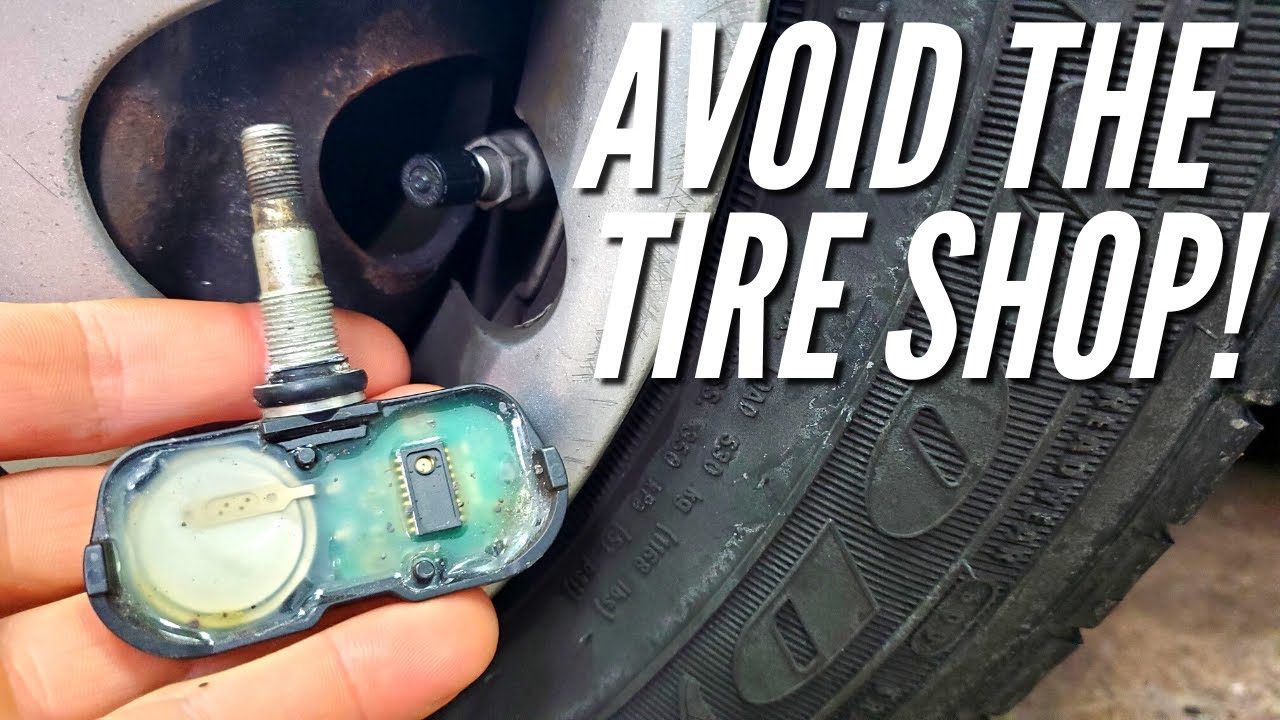
Source: www.youtube.com > Repair Geek
Understand Why Your Tire Pressure Monitoring System Needs Fixing
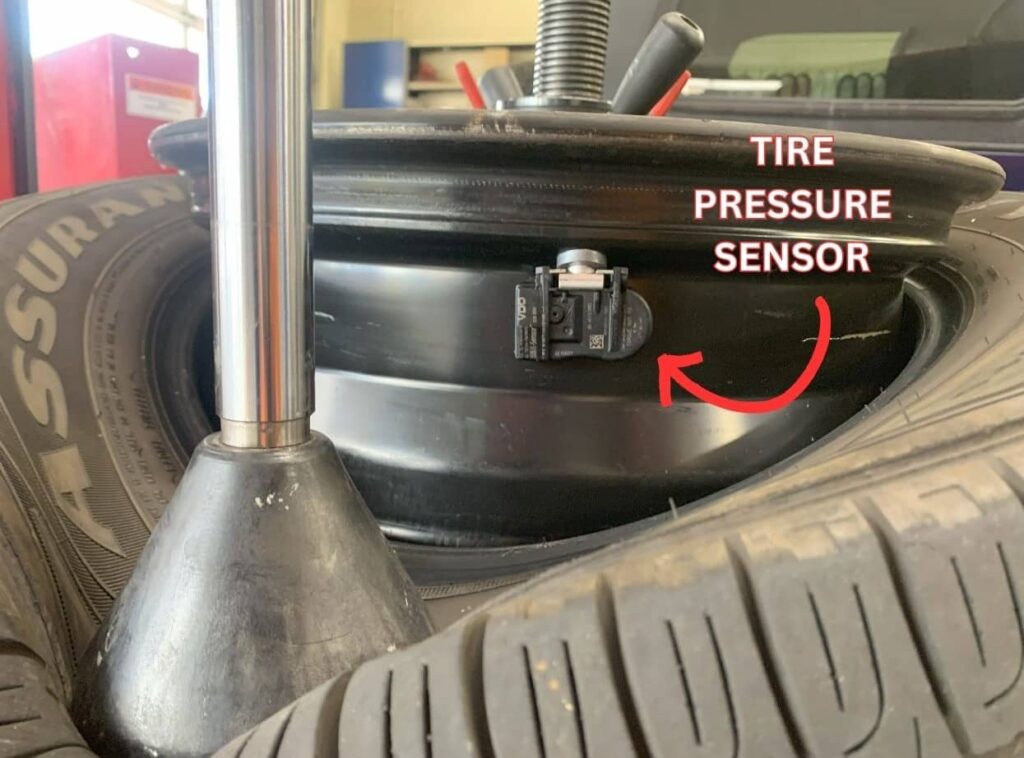
A tire pressure monitoring system uses sensors and vehicle electronics to monitor tire inflation. Direct TPMS systems use sensors mounted inside each wheel to measure pressure, while indirect systems use wheel speed sensors from the anti-lock braking system to estimate pressure changes.
Before attempting repairs, identify the symptom. A steady TPMS warning light often indicates low pressure or a system fault, while a flashing warning light followed by a steady light commonly indicates a TPMS malfunction on many vehicles.
Source: aautomotives.com
Low tire pressure
The most common cause is a tire that has dropped below the recommended inflation level listed on the vehicle door label.
Sensor battery failure
TPMS sensors contain internal batteries that eventually lose power and require sensor replacement.
Programming or relearn issue
Some vehicles need the sensors to be electronically matched to the vehicle after replacement or tire service.
Check the Actual Tire Pressure First
The first repair step is confirming whether the tires are actually underinflated. Use a tire pressure gauge when the tires are cold and compare the reading with the recommended pressure shown on the driver’s door jamb label.
Do not rely only on the dashboard warning light because TPMS alerts indicate a pressure condition or system problem, not the exact cause.
Signs of correct pressure
All tires match the recommended pressure range and the TPMS warning may clear after driving or resetting the system.
Step-by-Step Guide on How to Fix Tire Pressure Monitoring System Problems
The safest way to fix TPMS problems is to troubleshoot from the simplest causes to the more complex ones. Begin with tire pressure checks before replacing sensors or electrical components.
Source: storage.googleapis.com
Step 1: Inflate tires to the recommended pressure
Adjust each tire to the vehicle manufacturer’s recommended pressure. Avoid using the maximum pressure printed on the tire sidewall as a replacement for the vehicle specification.
Step 2: Inspect tires for damage
Look for nails, punctures, leaking valve stems, or visible damage that could cause repeated pressure loss.
Step 3: Reset the TPMS system
Many vehicles have a TPMS reset button, menu option, or automatic relearn process after pressure adjustment.
Step 4: Perform a sensor relearn procedure
After replacing sensors or rotating tires, some vehicles require sensor identification to be relearned using a scan tool or specific driving procedure.
How to Reset a Tire Pressure Monitoring System
TPMS reset procedures vary by vehicle manufacturer. Some vehicles reset automatically after driving at normal speeds for a certain distance, while others require a manual reset through vehicle controls.
Always follow the owner’s manual because an incorrect reset procedure may not properly register the tire sensors.
Successful reset signs
The TPMS warning light turns off after the system completes its monitoring cycle.
How to Fix a TPMS Sensor That Is Not Working
A failed TPMS sensor generally cannot be repaired because the internal battery and electronics are sealed. Replacement is usually the correct solution when diagnostics confirm sensor failure.
After replacement, the new sensor may need programming and relearning so the vehicle can recognize its signal.
Common replacement indicators
A sensor may need replacement if it does not transmit data, has a dead battery, or repeatedly loses communication with the vehicle.
Common TPMS Problems and Their Solutions
Different TPMS symptoms point toward different causes. The table below helps identify the most likely issue before starting repairs.
Source: dna.strongeru.com
Warning light stays on
Check tire pressure first. If pressure is correct, scan the system for sensor or communication faults.
Warning light flashes
A flashing TPMS light often indicates a malfunction rather than simple low tire pressure.
Warning appears after tire replacement
New sensors may require programming, and old sensors may not be compatible with the vehicle.
TPMS Issues After Tire Rotation
Some vehicles automatically relearn sensor positions, while others need a manual relearn procedure after tire rotation. If the system shows incorrect tire locations or warnings, a relearn may be required.
Check vehicle requirements
Consult the owner’s manual or service information for the exact relearn method.
When You Should Not Try to Fix TPMS Yourself
Basic checks such as measuring tire pressure and following the vehicle reset procedure are usually safe for most drivers. However, TPMS repairs involving wheel removal, sensor replacement, or electronic diagnosis require proper tools and knowledge.
Incorrect tire service can damage sensors, create leaks, or leave the vehicle without accurate pressure monitoring.
Source: www.youtube.com > Ged Auto
Get professional help when
The warning remains after correct tire inflation and reset attempts, multiple sensors fail, or the vehicle cannot complete a relearn process.
Avoid replacing parts without diagnosis
Replacing sensors without confirming the fault can waste money because many TPMS warnings come from pressure issues rather than failed hardware.
Signs Your TPMS Repair Was Successful
A successful repair means the tires are correctly inflated, the vehicle recognizes the sensors, and the TPMS warning indicator operates normally during driving.
Final verification
Confirm tire pressures again and make sure no warning appears during normal vehicle operation.
Frequently Asked Questions
Q
Can I fix a tire pressure monitoring system myself?
You can perform basic TPMS troubleshooting yourself, including checking tire pressure, inspecting for leaks, and following the reset procedure in the owner’s manual. Sensor replacement usually requires specialized tools.
Q
Why is my TPMS light still on after filling tires?
The system may need time to update, a reset procedure may be required, or one of the sensors may have a fault. If the light remains on, further diagnosis is needed.
Q
How much does it cost to fix a TPMS sensor?
The cost varies depending on the vehicle, sensor type, labor rates, and whether programming is required. A diagnosis should be completed before replacing parts.
Q
Can cold weather cause TPMS warnings?
Yes. Tire pressure naturally decreases as temperatures drop, which can trigger a warning even when there is no puncture. Check pressure and adjust it according to the vehicle recommendation.
Q
Do TPMS sensors need to be replaced when changing tires?
Not always. Existing sensors can often continue working if they are compatible and have sufficient battery life. They should be inspected during tire service.
✦ Wrapping Up
Conclusion
Fixing a tire pressure monitoring system starts with identifying the actual cause. Correct tire inflation, careful inspection, and proper resetting solve many TPMS warnings without unnecessary part replacement.
When the problem involves failed sensors, communication errors, or programming requirements, professional diagnosis can help restore accurate tire pressure monitoring and maintain vehicle safety.
💡 Key Takeaway
Before replacing any TPMS components, check tire pressure, inspect for leaks, attempt the correct reset procedure, and confirm whether the vehicle requires sensor relearning.
Kimberly ensures every piece of content is clear, helpful, and user-friendly. She focuses on creating guides that are easy to read while maintaining accuracy and trust.
Learn how to change password on a smart door lock with clear steps, setup requirements, troubleshooting tips, and security advice for homeowners in the USA.
Learn which smart locks are compatible with Vivint, how Vivint smart lock integration works, supported technologies, setup steps, limitations, and what to consider before choosing a lock.