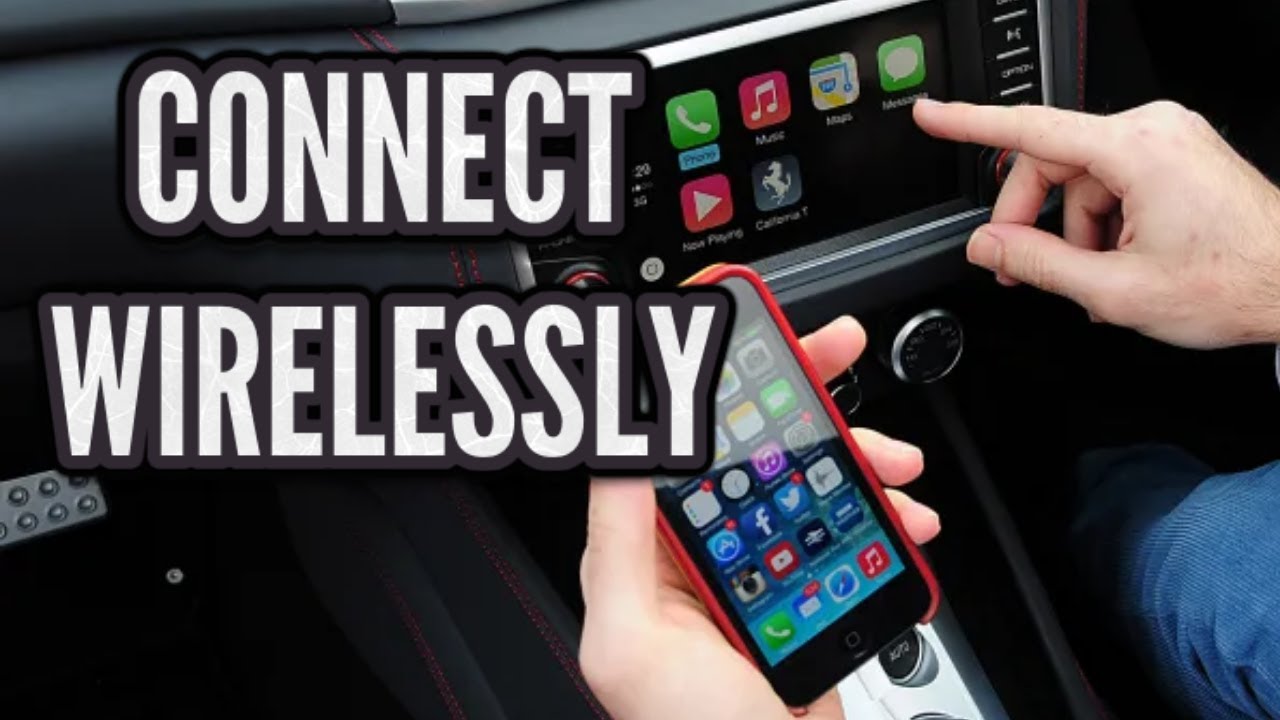
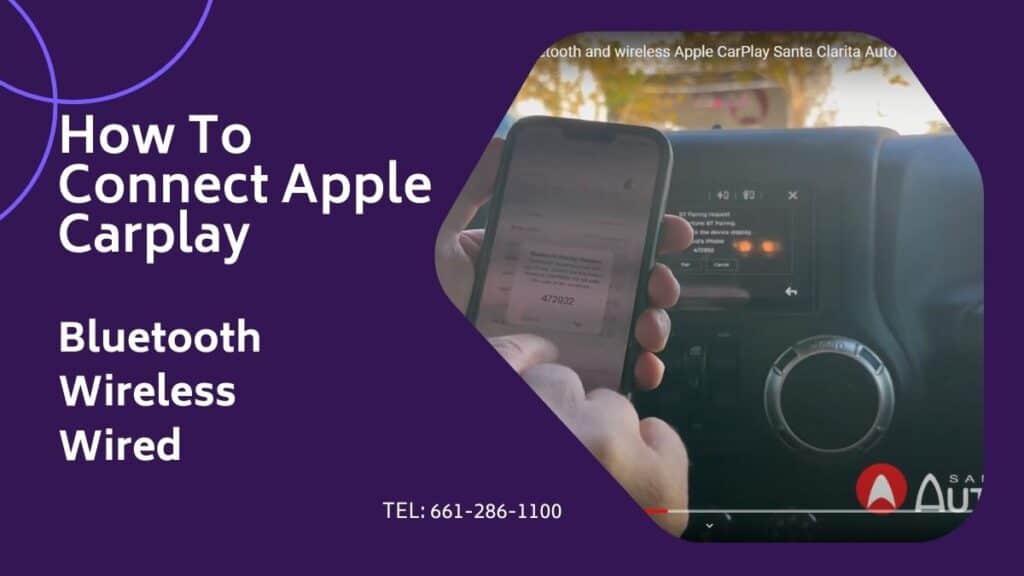
You can connect Apple CarPlay wirelessly by pairing your compatible iPhone with your vehicle through Bluetooth and Wi-Fi. Turn on Bluetooth, enable wireless CarPlay in your car settings, select your vehicle on your iPhone, and complete the pairing prompts.
For drivers across the United States, wireless Apple CarPlay removes the need to plug an iPhone into a USB cable every time they enter a compatible vehicle. Instead of relying on a wired connection, supported cars use Bluetooth to start the connection and Wi-Fi to transfer the data needed for apps, navigation, calls, and audio.
Before starting the setup, confirm that your vehicle supports wireless Apple CarPlay. Many newer cars include wireless CarPlay from the factory, while some vehicles only support wired CarPlay and require a compatible wireless adapter to add this feature. The exact menu names and pairing steps can vary by vehicle manufacturer and infotainment system.
Source: hitchesguide.com
What Is Wireless Apple CarPlay and How Does It Work?
Wireless Apple CarPlay is a version of Apple’s in-car interface that allows an iPhone to connect to a vehicle without a physical USB cable. It provides access to supported iPhone features such as Apple Maps, phone calls, messages, music apps, and voice control through Siri.
The connection uses two wireless technologies. Bluetooth helps establish communication between the iPhone and the vehicle, while a Wi-Fi connection handles the higher data requirements needed for CarPlay functions.
Source: storage.googleapis.com
Bluetooth connection
Bluetooth is used during the initial discovery and pairing process between the iPhone and the vehicle.
Wi-Fi connection
A wireless Wi-Fi link allows CarPlay data, audio, and app information to move between the iPhone and infotainment system.
Compatible hardware
The vehicle’s infotainment system must support wireless CarPlay or work with a compatible wireless CarPlay adapter.
Wireless CarPlay Requirements
To connect Apple CarPlay wirelessly, you generally need an iPhone that supports CarPlay, a vehicle with wireless CarPlay capability, and Bluetooth and Wi-Fi enabled on the phone.
Supported iPhone
Most recent iPhone models support Apple CarPlay, but older devices may have limitations depending on the iOS version.
Compatible vehicle
Check your vehicle manual or infotainment settings to verify wireless CarPlay availability.
How to Connect Apple CarPlay Wirelessly Step by Step
The wireless Apple CarPlay setup process is usually completed from both the iPhone and the vehicle infotainment screen. Follow the steps below in order to create the initial connection.
Source: storage.googleapis.com
Step 1: Start your vehicle
Turn on your vehicle and place the infotainment system in a mode where it can search for new devices.
Step 2: Enable Bluetooth and Wi-Fi
Open iPhone settings and make sure Bluetooth and Wi-Fi are turned on before beginning pairing.
Step 3: Pair your iPhone
Select your vehicle from the Bluetooth device list and follow the pairing instructions shown on both screens.
Step 4: Approve CarPlay access
Accept the CarPlay connection request on your iPhone and allow the vehicle to use CarPlay features.
Step 5: Test the connection
Open navigation, music, or another CarPlay app to confirm the wireless connection is working.
How to Know Wireless CarPlay Is Connected
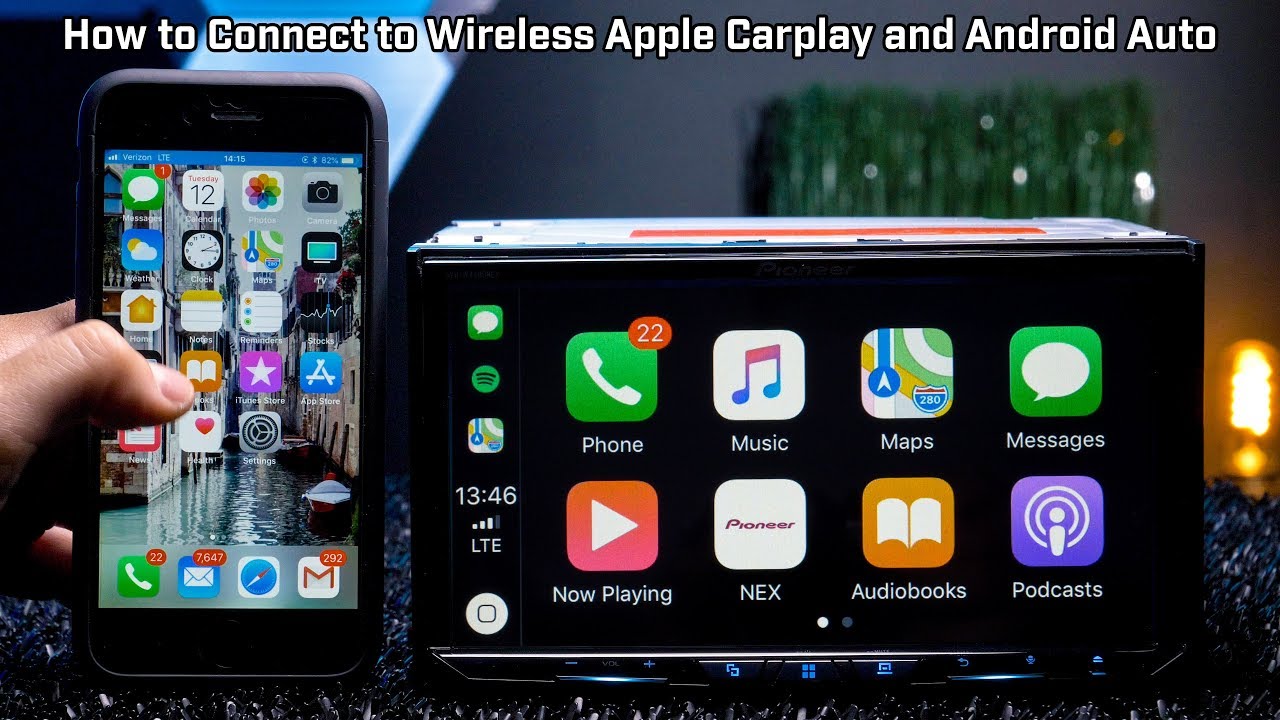
A successful connection normally displays the CarPlay interface on the vehicle screen without a USB cable. You should be able to access compatible apps, make calls, use Siri, and play audio through the vehicle system.
CarPlay dashboard appears
The familiar CarPlay interface replaces the normal infotainment display.
Apps respond normally
Navigation, music, and communication apps should work through the vehicle controls.
How to Connect Wireless CarPlay in Cars That Only Have Wired CarPlay
Some vehicles include Apple CarPlay but only through a USB connection. In these cases, a wireless CarPlay adapter may allow wireless functionality by converting the wired connection into a wireless one.
A wireless adapter is not the same as built-in wireless CarPlay. Compatibility depends on the vehicle’s USB CarPlay system, adapter design, and software support.
Source: techtouchy.com
Check wired CarPlay support first
Most wireless adapters require the vehicle to already support wired Apple CarPlay.
Follow adapter instructions
Setup steps vary by adapter model but usually involve plugging the adapter into the USB port and pairing the iPhone.
Limitations of Wireless CarPlay Adapters
Wireless adapters can introduce additional variables, including startup delay, firmware compatibility issues, and occasional connection drops. They may also occupy the vehicle’s USB port that was previously used for charging or other functions.
Possible delay
The connection may take longer to start compared with factory-installed wireless CarPlay.
Compatibility differences
Not every adapter works with every vehicle or infotainment system.
Common Wireless Apple CarPlay Connection Problems and Fixes
When wireless Apple CarPlay does not connect, the cause is usually related to pairing information, software settings, or compatibility. Checking the simplest issues first can often restore the connection.
Source: YouTube > Quality Mobile Video
CarPlay does not appear
Confirm that your vehicle supports wireless CarPlay and that CarPlay is enabled in iPhone settings.
iPhone connects but CarPlay fails
Remove the vehicle from Bluetooth settings, delete the phone from the car system, and pair again.
Connection keeps dropping
Restart the iPhone and vehicle system, then check for software updates.
Multiple phones are connected
Disconnect unused phones because some vehicles automatically connect to the last paired device.
Resetting Apple CarPlay Connection Settings
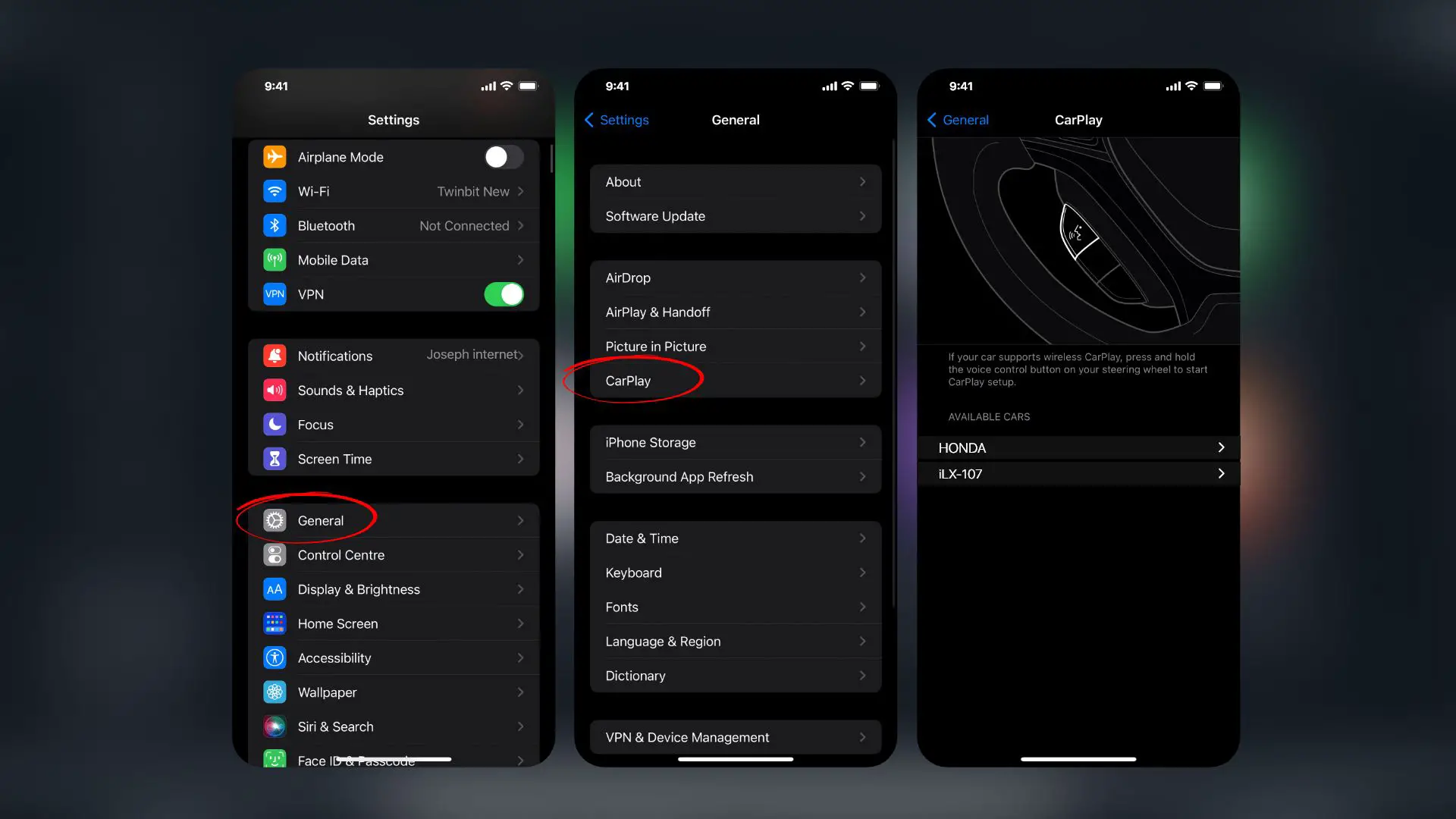
If basic troubleshooting does not work, resetting the CarPlay relationship can help. On the iPhone, remove the vehicle from CarPlay settings, then repeat the pairing process from the beginning.
Forget the vehicle
Remove the vehicle from the iPhone’s CarPlay device list.
Restart both systems
Restart the iPhone and the vehicle infotainment system before pairing again.
Wireless Apple CarPlay vs Wired Apple CarPlay
Both wireless and wired Apple CarPlay provide access to similar CarPlay features, but they differ in convenience, charging ability, and connection reliability.
Source: www.youtube.com
Wireless CarPlay
Offers cable-free access and automatic connection after initial setup but depends on wireless hardware and battery usage.
Wired CarPlay
Usually provides a stable connection and charges the iPhone while connected but requires a cable.
Frequently Asked Questions
Q
Can any car use wireless Apple CarPlay?
No. The vehicle must support wireless Apple CarPlay from the factory or be compatible with a wireless CarPlay adapter. Cars with only traditional Bluetooth audio cannot run Apple CarPlay.
Q
Does wireless Apple CarPlay use Bluetooth or Wi-Fi?
Wireless Apple CarPlay uses both. Bluetooth helps establish the connection, while Wi-Fi provides the higher-speed data connection needed for CarPlay functions.
Q
Why is my iPhone not connecting to wireless CarPlay?
Common causes include disabled Bluetooth or Wi-Fi, incorrect pairing settings, outdated software, another connected phone, or a vehicle that does not support wireless CarPlay.
Q
Can I add wireless Apple CarPlay to an older car?
Some older vehicles can gain wireless CarPlay through compatible aftermarket infotainment systems or wireless adapters if they already support wired CarPlay.
Q
Does wireless CarPlay drain iPhone battery faster?
Wireless connections may use more battery than a wired USB connection because the iPhone maintains wireless communication. Drivers on long trips may still prefer wired charging.
✦ Wrapping Up
Conclusion
Connecting Apple CarPlay wirelessly requires a compatible iPhone, a supported vehicle system, and the correct Bluetooth and Wi-Fi pairing process. Once configured, the connection can start automatically whenever you enter the vehicle.
If wireless CarPlay fails, check compatibility first, then review pairing settings, software updates, and device connections before considering additional hardware.
💡 Key Takeaway
Start by confirming your vehicle supports wireless Apple CarPlay, then pair your iPhone through Bluetooth and follow the on-screen CarPlay prompts to complete setup.