Deaths from air duster are rare but real; fatal cases occur sporadically and are preventable.
I have reviewed medical reports, poison center data, and case studies to explain how common is death from air duster. This article breaks the issue down. You will learn how inhaling air duster can kill, who is at risk, how often it happens, and what to do to prevent it. My aim is clear advice you can use now.

What is air duster and why do people inhale it?
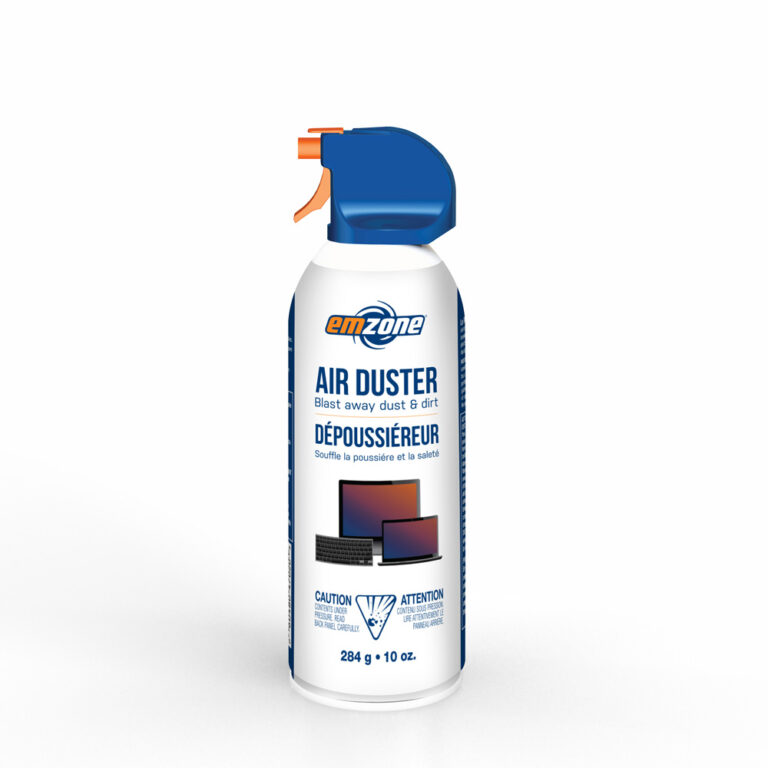
Air duster is a canned gas product used to clean dust from electronics and small parts. The can contains compressed gas or liquefied gas like difluoroethane. People sometimes inhale it on purpose to get high. Others use it by mistake, often in poorly ventilated places. Understanding the product helps explain why deaths, while uncommon, happen.
How common is death from air duster — statistics and data
Tracking how common is death from air duster is hard. Many poison center reports show large numbers of exposures but few confirmed deaths tied to a single product. Inhalant misuse leads to a small share of emergency visits each year. Fatal outcomes are usually reported as isolated case reports or small clusters rather than steady, large totals.
Data often comes from poison control, coroners, and medical case reports. These sources show that deaths linked directly to air duster are rare compared with other substance fatalities. Still, when they happen, they tend to be sudden and unexpected. Underreporting and mixed-drug use complicate counts. This means exact rates vary by region and year.

How inhaling air duster can kill — main mechanisms
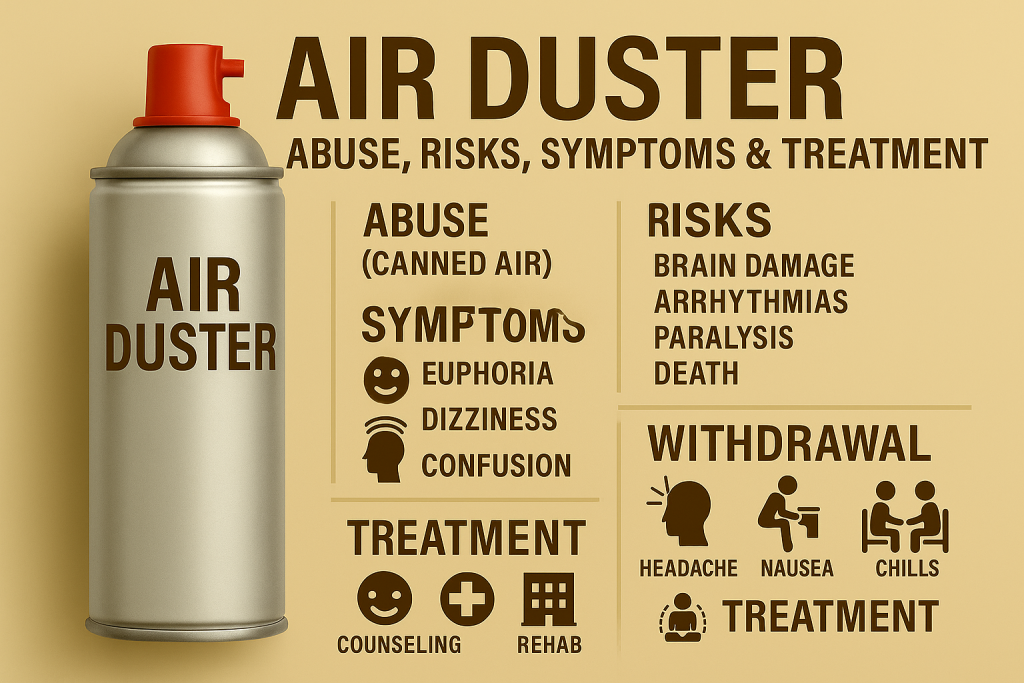
Inhaling air duster can harm the body in several ways. One common danger is sudden heart rhythm failure. The chemicals can trigger arrhythmias that cause the heart to stop without warning. Another risk is asphyxia. Filling the lungs with gas reduces oxygen and can lead to suffocation. Liquid gas in the can also causes severe cold injury to the airways and lungs. Finally, chemical embolism or brain injury can occur in rare cases. These mechanisms explain why death, while uncommon, can be rapid.

Who is at higher risk and why
Young people and teens make up a large share of inhalant misuse cases. People with substance use disorders or mental health issues are also at higher risk. Using air duster alone in a closed space raises danger. Underlying heart disease or using other drugs together increases the chance of a fatal outcome. Geographic and social factors affect exposure rates. Knowing the risk groups helps with prevention and education.

Signs, symptoms, and immediate response
Recognize signs quickly to act fast. Look for these symptoms:
- Dizziness, fainting, or sudden collapse.
- Irregular heartbeat or chest pain.
- Difficulty breathing, coughing, or bluish lips.
- Confusion, loss of consciousness, or seizures.
If you suspect inhalation of air duster:
- Move the person to fresh air and call emergency services right away.
- Start CPR if they stop breathing and you are trained.
- Do not induce vomiting or give anything by mouth if unconscious.
- Tell responders exactly what product was used if you know it.
Prevention, safe use, and community steps
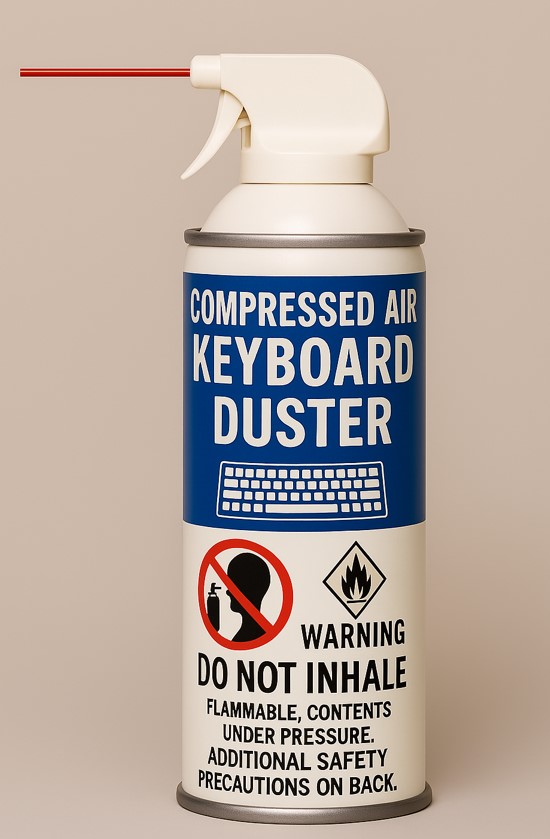
You can reduce risk with simple steps. Treat air duster as a hazardous product. Store cans up high or locked away. Keep use in well-ventilated areas and follow label instructions. Educate teens and coworkers about the dangers. Workplaces should use safer tools or tools designed for compressed air with proper ventilation. Public health messaging and school programs can lower misuse rates. Policy changes like clearer labeling and restricting sales to minors can help too.

My experience, lessons learned, and mistakes to avoid
As someone who has reviewed many case reports and spoken with clinicians, I learned that small choices matter. I once advised a workshop that used many dusters. They switched to electric dusting tools and saw near-zero misuse risk. Mistakes to avoid:
- Leaving cans where teens can access them.
- Assuming “cleaning product” means safe to inhale.
- Ignoring odd fainting or sudden collapse in a young person.
Simple prevention saved real people in my experience. Share what you learn with friends and family.

Frequently Asked Questions of how common is death from air duster
How often do people die from inhaling air duster?
Deaths from inhaling air duster are uncommon. Most exposures lead to no long-term harm, but fatalities occur in isolated cases.
Are teenagers the main group affected by air duster deaths?
Yes, teens and young adults are often involved in inhalant misuse. They make up a large share of reported exposures and some fatal cases.
Can one use of air duster cause death?
One use can cause death in certain cases. Sudden heart rhythm failure or asphyxia can happen after a single inhalation.
What should I do if someone collapses after inhaling air duster?
Move them to fresh air and call emergency services immediately. Start CPR if they are not breathing and you are trained to do so.
Do warning labels on cans reduce deaths?
Labels help but are not enough by themselves. Storage, supervision, and education are also needed to cut misuse and deaths.
Is death from air duster underreported?
Yes, it can be underreported. Mixed-drug use and inconsistent reporting systems make counts uncertain.
Can workplace use of air duster be safe?
Yes, when used per instructions, in ventilated spaces, and with safer alternatives available. Training and controls further reduce risk.
Conclusion
Air duster deaths are rare but serious. Knowing how common is death from air duster helps you see the real risk: low in number but high in severity. Act now by storing cans safely, educating vulnerable people, and choosing safer cleaning tools. If you care for teens or work with these products, share this knowledge and push for better labeling and safer practices. Leave a comment, ask a question, or subscribe to stay informed and keep your community safe.