
Brain damage can occur after repeated or heavy inhalation; no safe single exposure is proven.
I’ve worked around electronics and product safety for years, and I know inhaling canned air is more dangerous than most people think. This article examines how much air duster will cause brain damage, explains the science behind inhalant harm, outlines warning signs, and gives clear, practical steps to reduce risk. Read on for evidence-backed guidance, real-life insights, and simple safety tips you can use today.
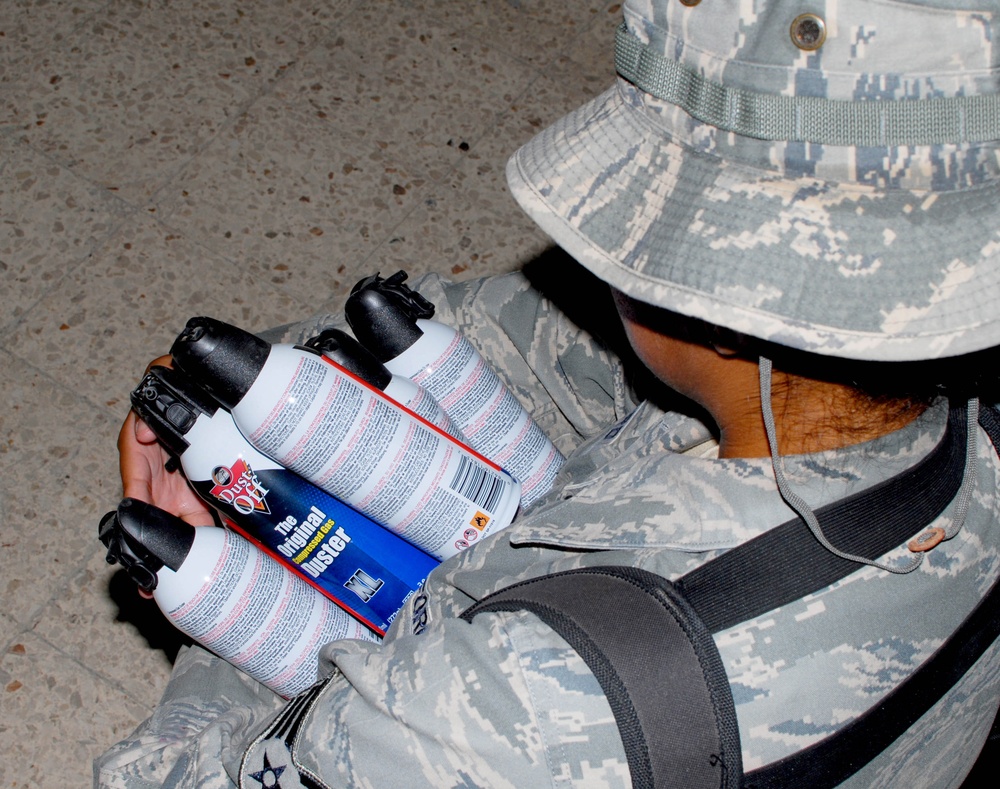
How air dusters work and why they are dangerous
Air dusters are compressed gas products made to blow dust from tight spaces. They contain gases like difluoroethane, tetrafluoroethane, or other propellants. These gases are safe when used as directed for cleaning electronics. They become dangerous when people inhale them on purpose or misuse them.
Inhaling compressed gas can displace oxygen and deliver solvents to the brain. Repeated use can starve brain cells and disrupt normal brain chemistry. That disruption is the pathway by which how much air duster will cause brain damage becomes a real, measurable risk.
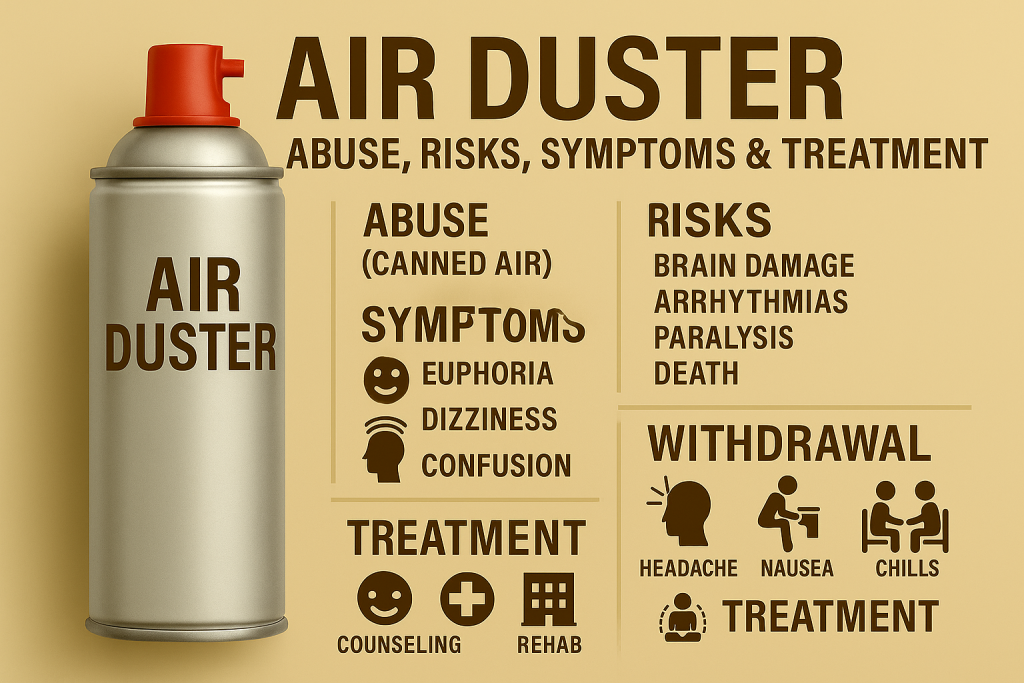
What determines how much air duster will cause brain damage
Several factors change the risk and amount of exposure needed to harm the brain. These include:
- Type of propellant used. Some chemicals are more neurotoxic than others.
- Frequency and duration of inhalation. One-time short exposure is different from repeated binges.
- Method of inhalation. Direct huffing or bagging concentrates the gas.
- Individual health and age. Young brains and people with heart or lung disease are at higher risk.
- Environmental factors. Poor ventilation increases concentration and risk.
Because these variables vary, there is no single safe threshold that defines exactly how much air duster will cause brain damage. Clinical reports show damage after repeated sessions or heavy single events that cause loss of consciousness.

Scientific evidence: what studies and reports show about brain damage
Research and case reports link inhalant abuse to short- and long-term brain injury. Findings include:
- Short-term: confusion, loss of consciousness, and oxygen deprivation that can injure brain tissue.
- Long-term: memory loss, attention problems, and motor control issues tied to repeated exposure.
- Imaging studies: brain scans in chronic users show changes in white matter and reduced brain volume in some areas.
These studies indicate that how much air duster will cause brain damage depends on dose and pattern. Repeated high-dose exposures are most often implicated in permanent changes. Even occasional heavy use that leads to hypoxia or cardiac arrest can cause lasting brain injury.
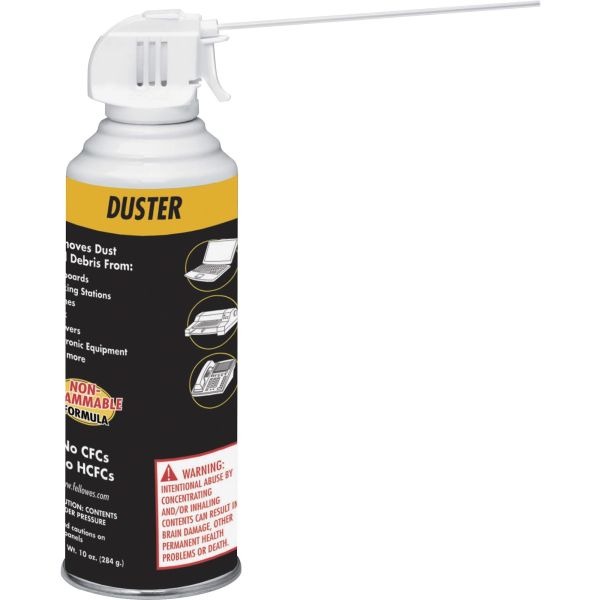
Signs of brain injury from inhaling air duster
Watch for immediate and delayed signs. Early recognition helps with prompt care.
- Immediate signs
- Dizziness and headache
- Slurred speech and poor coordination
- Sudden fainting or seizure
- Delayed or chronic signs
- Memory gaps and trouble concentrating
- Mood shifts, irritability, and depression
- Persistent balance or motor issues
If you or someone shows sudden loss of consciousness after inhaling canned air, call emergency services. Quick medical attention can reduce the risk of lasting damage.

Personal experience and lessons learned
In my years fixing computers, I once found teenagers using air dusters to get high. I saw one teen having trouble walking and another who needed urgent care after fainting. That taught me three simple lessons:
- Never assume a product labeled safe for cleaning is safe to inhale.
- Ventilation and brief use as intended cut risk dramatically.
- If you suspect misuse, remove access and seek help early.
These close calls made me a firm advocate for education and safer alternatives in workshops and homes.

Prevention: how to reduce risk at home and work
Preventing harm is straightforward when you follow practical steps.
- Use as directed. Keep cans upright and use short bursts only.
- Improve ventilation. Open windows or run a fan when using canned air.
- Store safely. Keep cans out of reach of children and teens.
- Replace misuse with safe tools. Use a manual blower, brush, or vacuum with attachments.
- Educate. Talk to family members about the risks of inhaling compressed gas.
If you manage a workplace, include canned gas safety in training and keep clear policies to prevent abuse.

PAA-style questions (common short queries)
What happens if someone inhales one can of air duster?
- One can may cause dizziness, headache, or brief oxygen loss. Serious brain damage is unlikely from a single, short, controlled exposure but risks rise if the person loses consciousness.
Can inhaling air duster cause permanent damage quickly?
- Yes, if inhalation leads to severe oxygen deprivation, cardiac arrest, or prolonged unconsciousness, permanent brain damage can happen quickly.
Is occasional household use dangerous?
- Used properly for cleaning, occasional household use is low risk. The danger comes from intentional inhalation or prolonged exposure in closed spaces.
How to respond: first aid and medical steps
If someone has inhaled air duster and is unwell, take quick action.
- Move them to fresh air immediately.
- Monitor breathing and consciousness level.
- If they are unconscious but breathing, place them in recovery position and call emergency services.
- If breathing stops, start CPR if trained and call for help.
- Seek medical evaluation even if symptoms seem mild; delayed effects can occur.
Early care limits harm and helps clinicians assess for neurological injury.

Legal and social context
In many places, selling or providing air dusters to minors for misuse can lead to legal consequences. Public health campaigns classify inhalant misuse as a substance abuse issue. Treatment options include counseling, behavioral therapy, and support groups. Community awareness and policy can reduce access and prevent harm.
Frequently Asked Questions of how much air duster will cause brain damage
What amount of inhalant causes brain damage?
There is no fixed amount; risk depends on the chemical, exposure pattern, and individual factors. Repeated heavy use or single events causing loss of consciousness are most linked to brain damage.
How quickly can brain damage occur after inhaling air duster?
Brain damage can occur quickly if inhalation causes severe oxygen deprivation or cardiac arrest. Permanent injury may follow minutes of hypoxia.
Can a single session of huffing cause lasting damage?
A single intense session that leads to fainting or apnea can cause lasting harm. Most lasting damage comes from repeated misuse over time.
Are children more at risk of brain damage from air duster?
Yes, children and adolescents are more vulnerable because their brains are still developing and because they may use the product in more risky ways.
What treatments exist for inhalant-related brain injury?
Treatment focuses on stabilizing breathing, addressing oxygen loss, and rehabilitation like cognitive therapy and physical therapy. Long-term support may be needed for persistent deficits.
Conclusion
Understanding how much air duster will cause brain damage means recognizing there is no safe inhalation dose and that the real danger lies in repeated or intense misuse. Use air dusters only as directed, store them securely, and choose safer cleaning tools when possible. If you suspect inhalant misuse, act quickly—move the person to fresh air and seek medical help. Share what you learned, protect loved ones, and consider subscribing or commenting to keep the conversation going about safer practices and prevention.