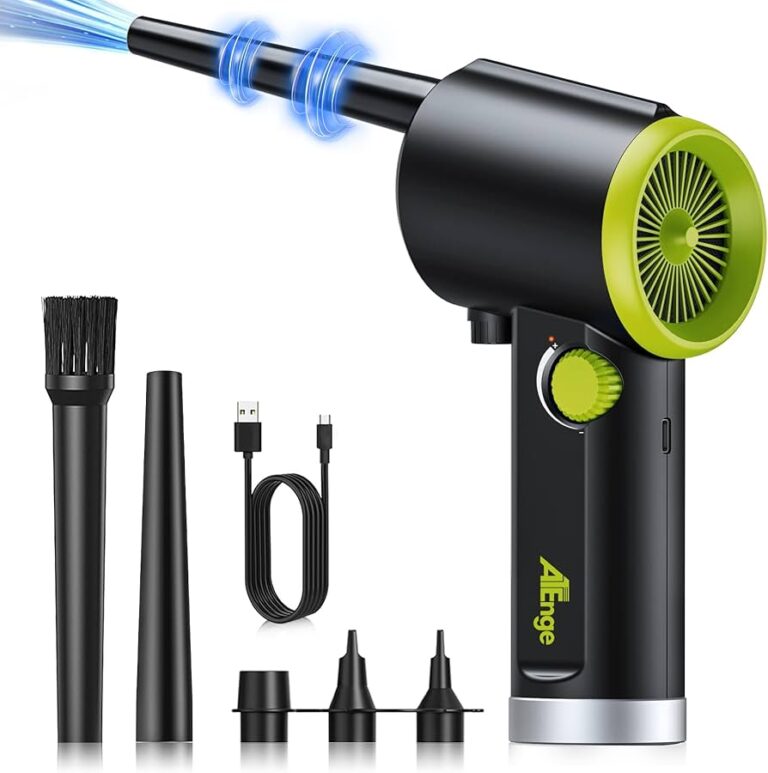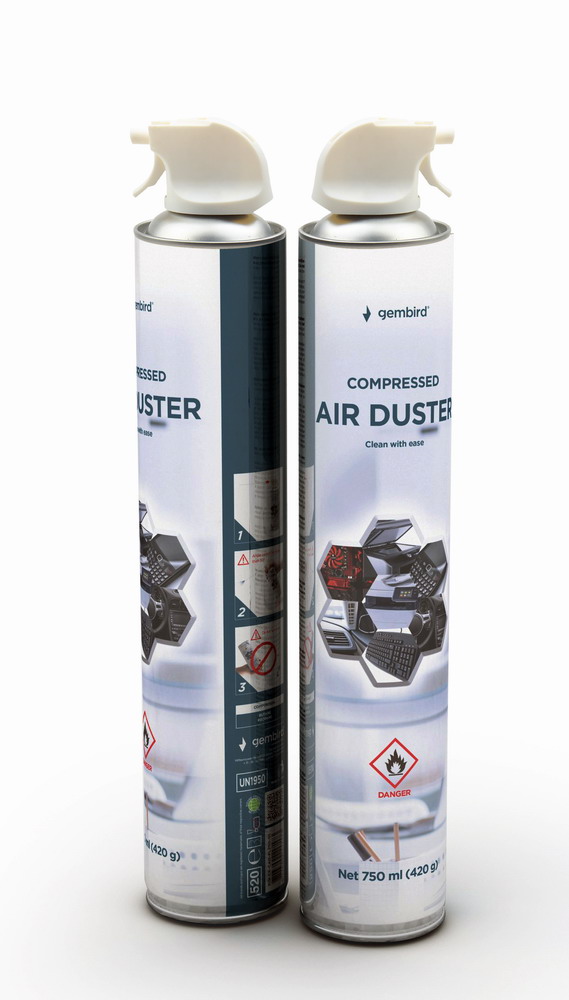
Air duster chemicals can be present in your bloodstream for hours to a few days, depending on dose and substance.
I have studied inhalant toxicity and worked with clinicians who treat solvent exposures. This article explains how long does air duster stay in your blood, what affects how long it’s detectable, how tests work, symptoms to watch for, and practical steps if someone is exposed. Read on for clear, evidence-based guidance and real-world tips you can use right away.

How air duster products work and what they contain
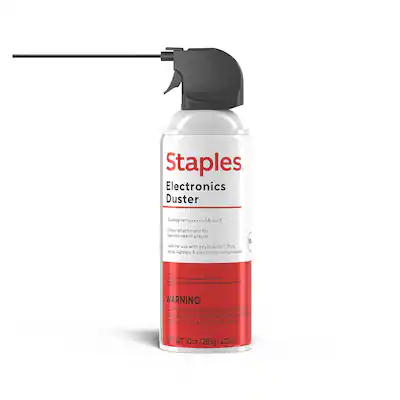
Air dusters are canned sprays designed to remove dust from electronics. They expel compressed gas. Common propellants include difluoroethane, tetrafluoroethane, and butane-like compounds. These chemicals are volatile and can be inhaled intentionally or accidentally.
Inhaled propellants cross into the lungs quickly. From the lungs they enter the bloodstream and reach the brain within seconds. Short-term exposure causes quick effects. Long-term or heavy abuse causes longer-lasting damage.
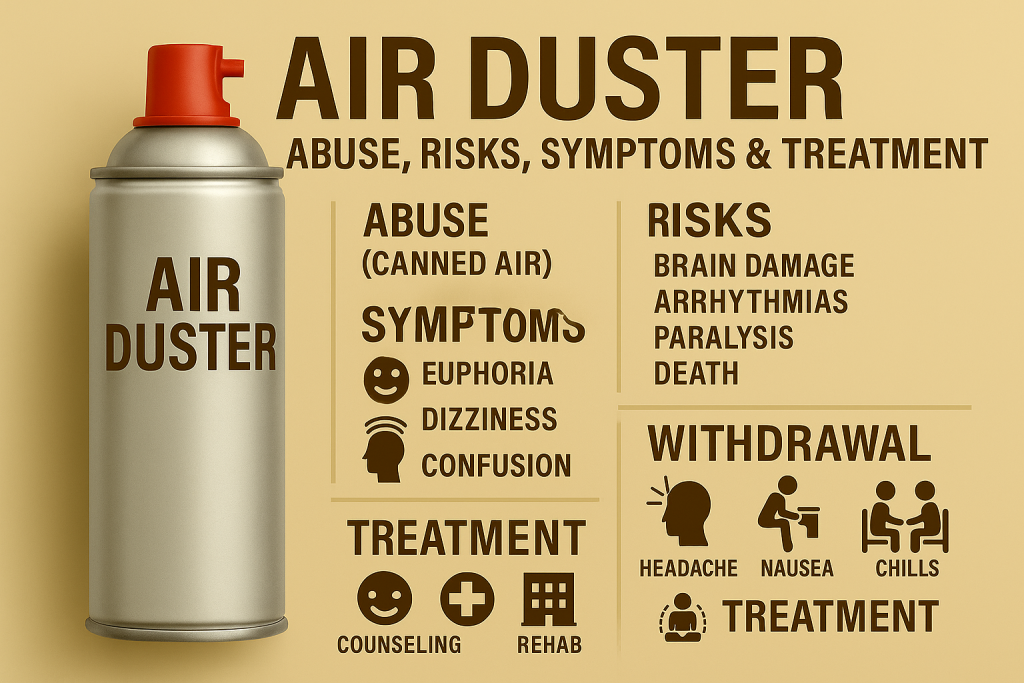
How long does air duster stay in your blood — key factors
How long does air duster stay in your blood varies by several factors. The type of chemical, amount inhaled, frequency of use, and individual metabolism all matter. A single small accidental exposure may clear in hours. Repeated abuse can leave metabolites detectable for days or longer.
Here are the main factors that determine persistence:
- Chemical type: Different propellants have different metabolic rates and half-lives.
- Dose and route: Deep inhalation and high doses increase blood levels and duration.
- Frequency: Repeated exposures lead to accumulation and slower clearance.
- Individual health: Liver or kidney problems slow elimination.
Because testing methods differ, a positive test window depends on the assay used and the specific chemical involved.
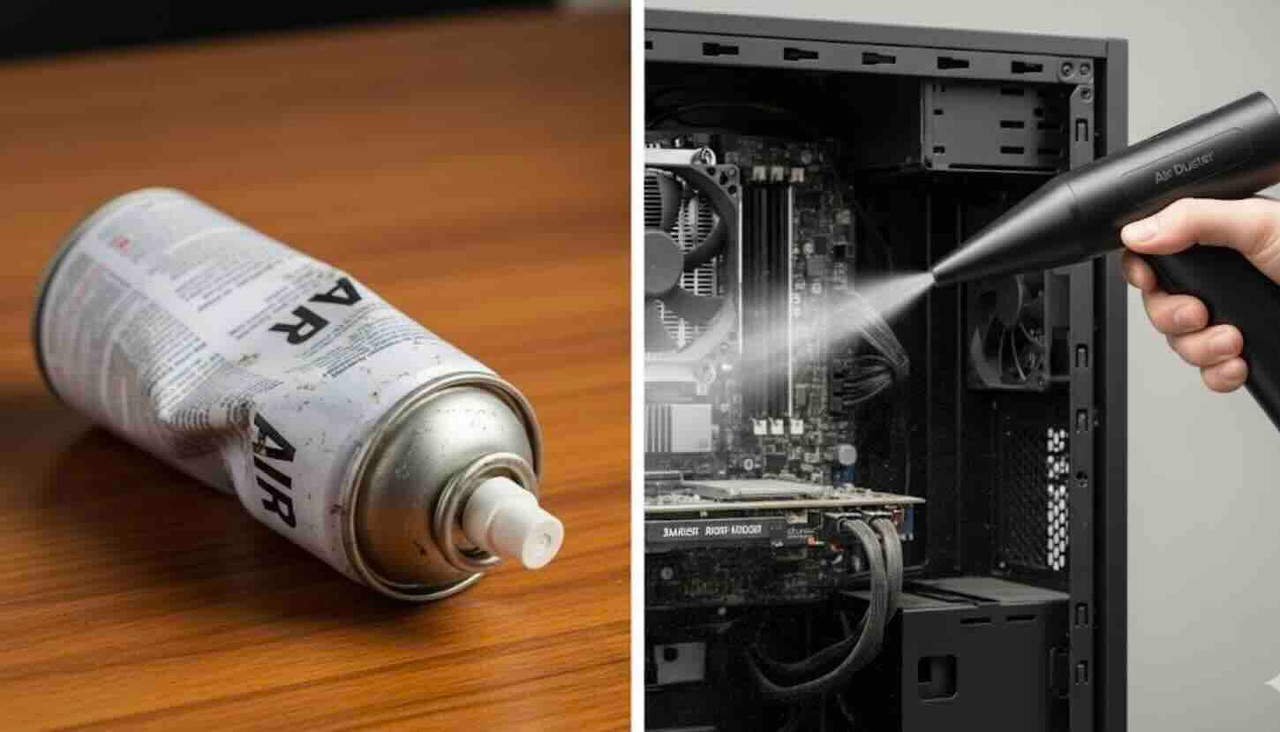
Detection windows and testing methods
Clinicians use blood, urine, and sometimes breath testing to detect inhalant exposure. Parent gases often dissipate fast. Metabolites may remain longer and show on urine tests.
Typical detection patterns:
- Blood tests: Best for recent exposures. Parent gas often declines within hours.
- Urine tests: Can detect metabolites for a day or several days after exposure, depending on chemistry and dose.
- Breath tests: Can show volatile gases shortly after inhalation but are less common in routine care.
How long does air duster stay in your blood relates to the test used. For most single exposures, the parent compound is detectable in blood only for hours. For heavy or repeated use, metabolites may be measurable for longer.
Symptoms and short- versus long-term effects
Symptoms appear fast after inhaling air duster. Short-term signs include dizziness, slurred speech, confusion, headache, nausea, and loss of coordination. Severe exposure can cause cardiac arrhythmia, loss of consciousness, or sudden death.
Long-term or repeated exposure can lead to:
- Persistent cognitive issues such as memory trouble.
- Mood changes and depression.
- Heart and liver damage with chronic abuse.
Monitoring symptoms helps clinicians decide whether testing and treatment are needed. How long does air duster stay in your blood is only one piece of the clinical picture; symptoms and signs guide care.

Treatment, immediate steps, and recovery
If you suspect someone inhaled air duster, act quickly. Move them to fresh air. Call emergency services if they are unresponsive, having breathing trouble, or chest pain.
Medical care may include:
- Oxygen and airway support.
- Cardiac monitoring for arrhythmias.
- IV fluids and supportive care for metabolic issues.
- Observation until the chemical effects clear, which may take hours to a day or more for severe cases.
Recovery time varies. How long does air duster stay in your blood can help clinicians decide monitoring length, but treatment is driven by symptoms and vital signs.

Personal experience, lessons learned, and practical tips
I’ve consulted on cases where teens inhaled canned air. In one case, a single forced inhalation caused fainting and a brief hospital stay; blood levels were low by the time labs ran. In repeated-abuse cases, patients had lingering cognitive complaints and longer detection windows on urine testing.
Practical tips from real cases:
- Treat any loss of consciousness as an emergency.
- Save the can for identification if possible.
- Ask about frequency of use—repeated use changes both treatment and prognosis.
- Follow up with primary care for liver and heart evaluation if abuse was chronic.
Lessons learned: quick action saves lives. Tests are helpful but don’t replace clinical judgment. How long does air duster stay in your blood matters—but symptoms matter more.

Frequently Asked Questions of how long does air duster stay in your blood
How long does air duster stay in your blood after a single accidental exposure?
For most single, small exposures the parent gas is often gone from blood within hours, though metabolites may be detectable in urine for longer. Clinical signs guide care more than test timing.
Can blood tests always detect air duster inhalation?
No. Blood tests are best for recent inhalation. Many canned propellants clear quickly, so timing matters and a negative result does not always rule out exposure.
How long does air duster stay in your blood after repeated abuse?
Repeated or heavy abuse can lead to accumulation and metabolites detectable for days; long-term use also raises risk of lasting organ and brain effects. Monitoring and follow-up care are important.
Is there permanent damage if air duster stays in your blood longer?
Persistence in blood alone doesn’t guarantee permanent damage, but chronic exposure increases the risk of lasting cognitive, cardiac, and liver injury. Early treatment lowers risk.
What should I do if someone inhaled air duster and I want testing?
Call emergency services for severe symptoms. For non-urgent concerns, seek urgent care or poison control; clinicians will decide on blood or urine testing based on timing and symptoms.
Conclusion
How long does air duster stay in your blood depends on the specific chemical, the dose, and how often someone inhales it. Parent gases often leave blood within hours after a single exposure, while metabolites and effects from repeated abuse can last days or longer. Focus on quick action, symptom-based care, and follow-up testing when needed. If you or someone you know has been exposed, act fast, seek medical help when symptoms are severe, and get follow-up care to protect long-term health.
Takeaway: prioritize safety and prompt care—early response reduces harm. Share your questions or experiences below, subscribe for updates, or reach out to a healthcare professional if you need advice.