A voice recorder converts sound into electrical signals, digitizes them, and saves audio files for playback.
I’ve spent years testing recorders for interviews and lectures, so I can explain clearly how does a voice recorder work and what each part does. This guide breaks down the technology, common formats, tips for better recordings, and real-world mistakes I’ve made—so you can record with confidence and get the best audio every time.
How a voice recorder works: the basic chain
At its core, how does a voice recorder work? It follows a simple chain: capture, amplify, convert, store, and replay. Each step uses hardware and software to turn air vibrations into usable audio files.
- Capture: A microphone senses air pressure changes.
- Amplify: A preamplifier raises the weak signal.
- Convert: An analog-to-digital converter (ADC) turns the signal into numbers.
- Store: A processor writes the numbers into files on storage.
- Replay: The player reads files, converts them back, and drives speakers or headphones.
Understanding this chain helps you fix problems fast. For example, low volume often means the preamp or mic gain is too low. If files sound thin, sample rate or bit depth may be wrong. This is the backbone of how does a voice recorder work.
Key components explained
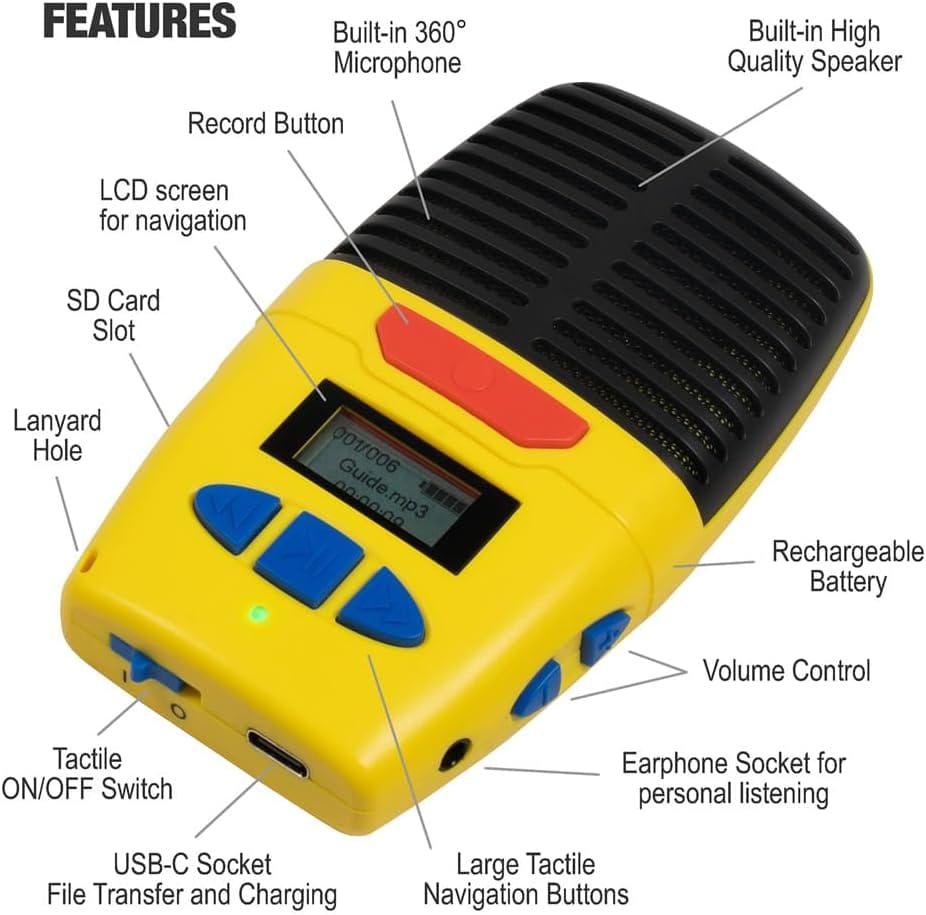
Each component plays a simple role in how does a voice recorder work. Here are the parts and why they matter.
- Microphone
- Converts sound waves to electrical signals.
- Types include electret, dynamic, and MEMS. MEMS are common in compact recorders and phones.
- Preamplifier
- Boosts the mic signal to usable levels.
- Good preamps reduce noise and keep details.
- Analog-to-Digital Converter (ADC)
- Samples the signal at set rates.
- The ADC decides clarity and frequency accuracy.
- Processor and Codec
- Compresses or formats the data.
- Codecs like WAV (lossless) or MP3 (lossy) affect file size and quality.
- Storage and Battery
- Saves files and powers the unit.
- Storage speed affects how long you can record without dropouts.
- Digital-to-Analog Converter (DAC) and Output
- Converts stored numbers back to sound for playback.
- Headphone amps and speakers shape the final audio.
Knowing these parts clarifies common choices. For example, a recorder with a better ADC and preamp will often beat a cheaper one even with the same mic. This is central to how does a voice recorder work.

Analog vs. digital recorders
Many people ask how does a voice recorder work in analog vs. digital devices. The short difference is data format and workflow.
- Analog recorders
- Use tape or direct electrical recordings.
- Older tech, warm sound, but degrade over time.
- Digital recorders
- Use ADCs to create files.
- Offer easy editing, copying, and long-term stability.
Today, digital recorders dominate because they are reliable and flexible. The way audio is stored and retrieved defines how does a voice recorder work in the modern world.

Recording quality: sample rate, bit depth, and codecs
Recording quality is a direct answer to "how does a voice recorder work" for sound fidelity. Three things matter.
- Sample rate
- How often the ADC measures the sound per second.
- 44.1 kHz is standard for music; 48 kHz is common for video.
- Bit depth
- How many possible values each sample can have.
- 16-bit is CD quality; 24-bit captures more headroom and detail.
- Codecs and formats
- Lossless formats keep full detail.
- Lossy formats save space but drop audio data.
Choose settings based on need. If you plan to edit heavily, use higher sample rates and 24-bit depth. This choice affects how does a voice recorder work at the data level.
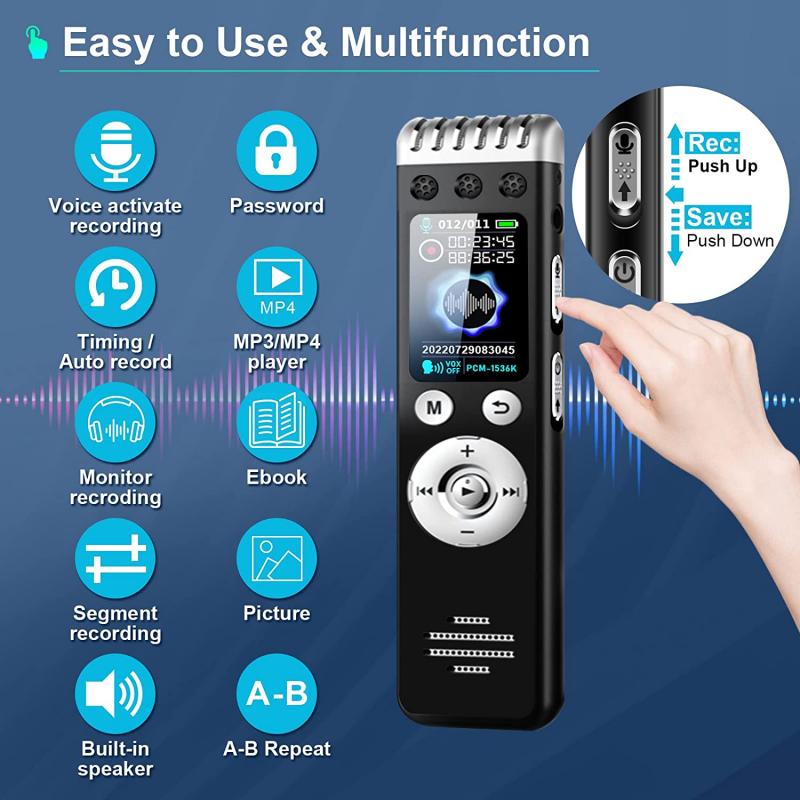
Features and controls that matter
To understand how does a voice recorder work in practice, look at the controls. These affect your results directly.
- Mic gain and manual level control let you avoid clipping.
- Low-cut filters reduce rumble and handling noise.
- Mic patterns (on multi-mic recorders) change pickup direction.
- Built-in limiters prevent sudden peaks from distorting.
- Time-stamp and metadata help organize files later.
I learned to use manual gain early after losing an interview to clipping. Now I always check levels before I start. That practical habit relates to how does a voice recorder work in live use.

Practical tips for better recordings
A clear record often beats a fancier mic. Here are tips that show how does a voice recorder work in the field.
- Position the mic 6–12 inches from the speaker for clear speech.
- Use a pop filter or foam to cut plosives.
- Monitor with headphones to catch problems early.
- Keep the recorder on a stable surface to avoid handling noise.
- Record a short test and listen back before the session.
From my tests, a mid-range recorder with good placement beats a cheap pro-level mic badly placed. These small steps show how does a voice recorder work to capture quality.

Common problems and troubleshooting
When recordings sound off, knowing how does a voice recorder work helps you diagnose issues fast.
- Background hiss
- Likely low-quality preamp or high gain. Try lowering gain or using noise reduction in software.
- Distortion or clipping
- Input is too hot. Lower the input level or enable a limiter.
- Dropouts or stutters
- Storage speed or corrupt files. Use faster cards and check file integrity.
- Low volume
- Check mic orientation and preamp gain. Replace weak batteries.
These fixes come from hands-on experience. I’ve fixed many bad takes by swapping to a fresh battery or adjusting gain quickly. That’s the practical side of how does a voice recorder work.

Privacy, legal, and ethical notes
Knowing how does a voice recorder work isn't just technical. It has legal and ethical impact.
- Consent matters
- Many places require consent to record. Always ask.
- Data security
- Protect files with encryption or secure storage.
- Responsible use
- Do not record private conversations without permission.
Be transparent and legal. This protects you and the people you record. Understanding how does a voice recorder work helps you respect rights and rules.
My hands-on lessons and mistakes
I’ve learned practical lessons about how does a voice recorder work by recording dozens of sessions.
- Test before you record
- I once lost an interview to a full memory card. Now I check storage and battery first.
- Use manual levels
- Automatic gain can pump levels in noisy rooms. Manual control prevents surprises.
- Backup immediately
- I keep two copies after interviews. One on the device and one on cloud or a laptop.
These simple habits came from real errors. They show the human side of how does a voice recorder work in everyday use.
Choosing the right recorder for you
Pick a recorder based on purpose. Ask how does a voice recorder work for your use case.
- Voice notes and lectures
- Look for long battery life, large storage, and clear voice capture.
- Interviews and journalism
- Prioritize good preamps, XLR inputs, and reliable file formats.
- Music and field recording
- Choose higher sample rates and low-noise microphones.
Match features to needs. A field recorder with XLR inputs is overkill for quick voice notes. This decision links directly to how does a voice recorder work and how you plan to use it.
Frequently Asked Questions of how does a voice recorder work
What is the first step in how does a voice recorder work?
The first step is capture. A microphone turns sound waves into electrical signals. That signal then moves to the preamp and ADC.
How do digital recorders store sound?
Digital recorders use an ADC to sample audio and save the numbers to files on internal memory or a card. Files use formats like WAV or MP3 for storage.
Does sample rate affect how does a voice recorder work?
Yes. Sample rate determines how often sound is measured per second and affects frequency response and clarity. Higher rates capture more detail but use more space.
Why does my recording have background noise?
Noise can come from the environment, poor preamps, or high gain settings. Use a shielded mic, lower gain, or a low-cut filter to reduce noise.
Can I improve recordings after they are made?
Yes. Software can clean noise, adjust EQ, and normalize levels. But it’s best to record clean audio from the start to avoid heavy editing.
Conclusion
Understanding how does a voice recorder work gives you power to record clearly and fix problems fast. You now know the main parts, quality factors, practical tips, and legal points. Try the test routine: check battery, set manual gain, record a short sample, and listen back. That habit alone will raise your results. If this guide helped, leave a comment, try the tips in your next session, or subscribe for more practical audio tips.