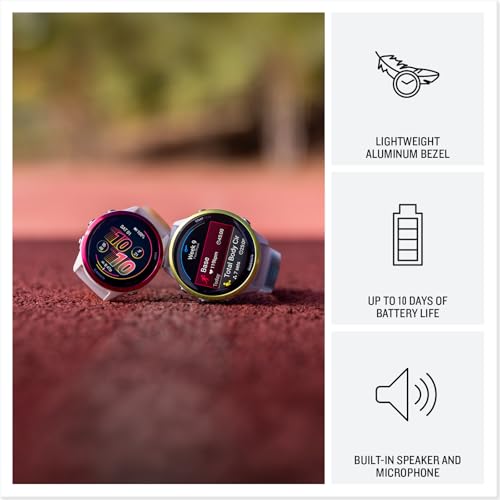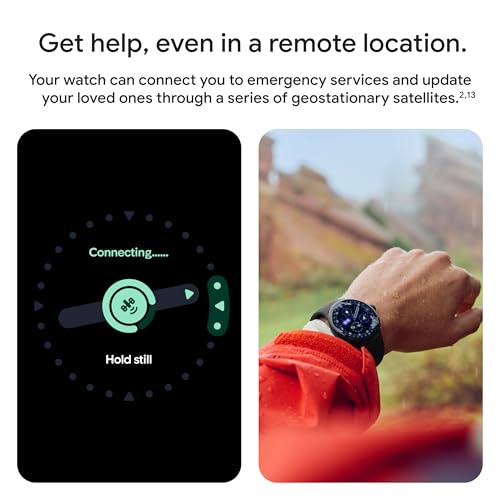
The Garmin Fenix 7X Sapphire Solar is the best smartwatch for adventure, thanks to its maps, battery, and rugged build.
A long hike can turn stressful when your phone loses signal, your battery drops, or the trail splits. An adventure smartwatch solves that problem by keeping maps, GPS, health data, weather tools, and workout stats on your wrist. I tested the needs that matter most outdoors: battery life, screen use, navigation, comfort, water safety, and day-to-day value. This guide compares the top options for hikers, campers, runners, climbers, and travelers who want a watch that feels like a small safety tool, not just a phone accessory.
Garmin Fenix 7X Sapphire Solar

The Garmin Fenix 7X Sapphire Solar is built for people who spend long hours away from roads and outlets. Its large case gives it a strong presence on the wrist, while the sapphire lens helps resist scratches from rock, brush, and gear. The solar charging ring can add useful power during bright outdoor days. I see it as a serious tool for hikers, hunters, backpackers, and trail runners who value endurance over a slim design.
Navigation is the main reason to choose this model. It supports detailed maps, route guidance, multiple satellite systems, an altimeter, a barometer, and a compass, so it can help you read the terrain before the trail becomes hard to follow. The built-in flashlight is also handy at camp or during an early start. As the best smartwatch for adventure for long trips, it offers a rare mix of rugged design, useful data, and long battery life.
Pros:
- Sapphire glass offers excellent scratch resistance
- Solar charging can extend time between charges
- Large display makes maps and data easier to read
- Strong GPS and outdoor navigation tools
- Built-in flashlight adds safety at night
- Useful health, sleep, and training features
Cons:
- Large case may feel heavy on a smaller wrist
- Solar charging works best with strong sunlight
- Renewed condition can vary by seller and stock
Garmin Fenix 7 Adventure Watch

The standard Garmin Fenix 7 offers the core features most outdoor athletes need without the larger size of the 7X. It has a tough case, a touchscreen, physical buttons, and GPS tools made for demanding activity. I like the button controls because they remain easy to use when rain, gloves, or sweat make touch controls less reliable. This model works well for someone who wants one watch for work, workouts, and weekend trips.
Its battery performance is strong enough for multi-day use, though exact life depends on GPS settings, screen use, notifications, and sensors. You can plan routes, track elevation, monitor heart rate, and review your effort after the activity. The watch also supports many sports profiles, which makes it useful beyond hiking. For many buyers, this is the best smartwatch for adventure when they want a balanced size and a deep set of outdoor features.
Pros:
- Balanced size for many wrist types
- Physical buttons work well in wet conditions
- Reliable GPS for hikes, runs, and rides
- Detailed training and recovery information
- Touchscreen adds fast map and menu control
- Rugged design suits daily outdoor use
Cons:
- No solar charging on this listed version
- Map features take time to learn
- Renewed units may show minor wear
Garmin Epix Gen 2 AMOLED Watch
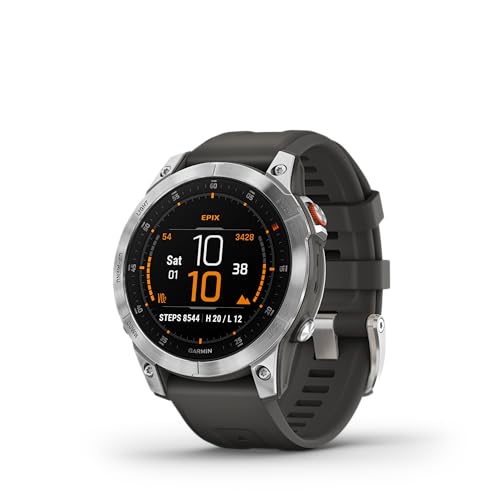
The Garmin Epix Gen 2 takes a different path from the Fenix line. It uses a bright AMOLED screen that makes maps, workout numbers, and notifications look sharp indoors and outdoors. Colors are rich, text is easy to scan, and the display feels closer to a premium phone than a basic sports watch. If screen quality matters as much as trail tools, this model deserves a close look.
The Epix Gen 2 still brings serious outdoor functions, including GPS tracking, navigation, health data, training tools, and activity profiles. The trade-off is that a bright AMOLED screen can use more power than a simpler display, especially when you keep it active. I recommend it for day hikes, trail runs, travel, and active daily wear where visual clarity matters. It can be the best smartwatch for adventure for users who want premium maps and a vivid screen in one package.
Pros:
- Bright AMOLED display is easy to read
- Premium look suits daily and formal wear
- Advanced GPS and route tools
- Strong health and fitness tracking
- Touch controls feel smooth and responsive
- Good choice for indoor and outdoor use
Cons:
- AMOLED use can reduce battery life
- Display may be harder to see in direct sun than expected
- Premium features may exceed a casual hiker’s needs
Jooeniok Waterproof Outdoor Smartwatch

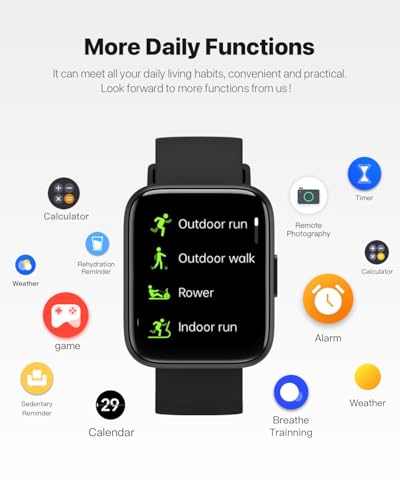
The Jooeniok outdoor smartwatch targets buyers who want many adventure features at a lower cost. It includes a large 1.46-inch display, GPS, a compass, a flashlight, Bluetooth calling, and more than 100 sports modes. The 540mAh battery is a notable feature for users who dislike frequent charging. On paper, it gives casual outdoor users many of the tools they expect from a modern adventure watch.
This watch may suit camping, walking, cycling, fishing, and light hiking. The flashlight can help with small tasks, while the compass offers quick direction checks without taking out a phone. I would still confirm the seller’s current details for app support, water limits, and map functions before buying. It is a practical budget pick, but it may not match Garmin’s route planning, sensor accuracy, or long-term software support.
Pros:
- Large display is simple to view
- Built-in flashlight is useful at camp
- Compass supports basic outdoor direction checks
- Large battery may reduce charging needs
- Many sports modes support varied workouts
- Bluetooth calling adds daily convenience
Cons:
- Advanced map tools may be limited
- Brand software support may be less proven
- Water resistance ratings need careful use
Garmin Fenix 7S Sapphire Solar

The Fenix 7S Sapphire Solar gives smaller-wrist users access to a high-end adventure platform. Its compact case feels less bulky than the larger Fenix models, yet it still offers solar charging, GPS, maps, health tracking, and outdoor sensors. The sapphire lens adds peace of mind for people who often brush against trees, rock, or rough equipment. I find this size easier to wear all day and during sleep.
The smaller body does mean less room for a large battery and screen. Still, it remains a capable tool for trail runs, hikes, ski days, and travel. Its solar feature works as a helpful boost, not as a replacement for normal charging. For petite users, this may be the best smartwatch for adventure because it delivers strong navigation without making the wrist feel crowded.
Pros:
- Smaller case improves comfort on petite wrists
- Sapphire lens resists everyday scratches
- Solar charging supports longer use outdoors
- Rich GPS and navigation features
- Good sleep and recovery tracking
- Physical controls support wet-weather use
Cons:
- Shorter battery potential than the 7X
- Small screen can make maps harder to read
- Premium price may not suit casual users
Garmin Fenix 7 Standard Model
This Fenix 7 listing gives shoppers the classic version in a silver case with a graphite band. It has the same basic outdoor spirit that makes the Fenix family popular: tough construction, GPS, touchscreen control, health tools, and activity tracking. The standard size offers a useful middle ground between the smaller 7S and larger 7X. It looks ready for a trail but does not seem out of place at work.
I like this watch for users who want broad capability rather than one narrow feature. It can track a morning run, guide a hike, monitor sleep, and show phone alerts throughout the day. The buttons provide dependable control when the touchscreen becomes awkward. If you want the best smartwatch for adventure with a familiar, proven layout and no need for solar charging, this version is a sensible choice.
Pros:
- Versatile size for daily wear
- Reliable GPS and outdoor activity tracking
- Touchscreen and buttons offer flexible control
- Strong health and wellness features
- Supports many training types
- Classic design works for work and travel
Cons:
- Standard lens may scratch more easily than sapphire
- No solar charging in this version
- Renewed listings may have variable battery health
Garmin Epix Gen 2 Black Titanium

The black titanium Epix Gen 2 combines a strong outdoor frame with a polished AMOLED screen. Titanium helps keep the watch tough without making it feel as dense as some steel designs. The black finish also hides small marks well and gives the watch a clean, modern look. It is a strong fit for active people who move from a trail to a meeting without changing watches.
Its screen makes training charts, maps, and alerts pleasant to view. The watch also offers detailed fitness data, recovery insight, heart-rate tracking, and multiple GPS activity modes. I would choose it over a Fenix when display quality is my top concern and I can accept more frequent charging. It is an excellent premium option for runners, hikers, and travelers who want the best smartwatch for adventure with a luxury feel.
Pros:
- Light titanium case feels premium
- AMOLED screen shows sharp color and text
- Useful maps and navigation functions
- Strong training and recovery data
- Stylish enough for daily business wear
- Touchscreen makes menu browsing easy
Cons:
- Bright screen can use more battery
- May cost more than a standard Fenix 7
- Touch control is less ideal with wet gloves
Garmin Fenix 7X Sapphire Solar

This Fenix 7X Sapphire Solar model is made for users who want the largest format and the longest possible outdoor sessions. Its large screen gives maps and data more breathing room, while the sapphire lens helps protect the face from rough contact. The solar ring can help preserve battery during time outside. The carbon gray finish and black band also give it a rugged look that matches its purpose.
The 7X is especially useful for backpacking, ultrarunning, hunting, and remote travel. A bigger case can hold a larger battery, and the built-in flashlight offers a real advantage when a headlamp is packed away. I would not suggest it to someone with a small wrist or a dislike of large watches. For endurance-focused users, though, it may be the best smartwatch for adventure in this group.
Pros:
- Large screen improves map readability
- Excellent battery potential for long adventures
- Sapphire lens offers strong scratch protection
- Solar charging adds outdoor power support
- Built-in flashlight helps during low light
- Advanced route and elevation tools
Cons:
- Large case may feel bulky during sleep
- Higher weight can bother small-wrist users
- Solar charging depends on useful sun exposure
Rugged Outdoor GPS Smartwatch
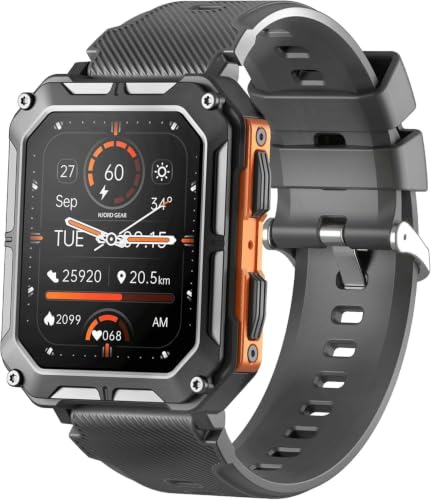
This rugged outdoor smartwatch focuses on core features at an accessible price. It has GPS, heart-rate monitoring, IP68 water protection, more than 100 sports modes, and a large 1.8-inch HD display. That mix can work well for people who want a watch for walking, gym sessions, travel, and simple outdoor use. The large screen is helpful when quick glances matter.
I see it as an entry-level adventure watch rather than a full navigation computer. It may track routes and workouts, but buyers should check the companion app and map details before planning a remote trip. IP68 protection also does not mean every type of diving or water sport is safe. For local trails and general fitness, this can be a useful low-cost way to try the best smartwatch for adventure category.
Pros:
- Large 1.8-inch screen is easy to scan
- GPS supports basic route tracking
- Heart-rate monitoring adds workout insight
- Many sports modes increase daily value
- IP68 protection suits rain and splashes
- Lower cost than premium outdoor watches
Cons:
- Navigation may be less detailed than Garmin maps
- App quality and updates may vary
- IP68 is not a guarantee for deep water
Garmin Fenix 7S Smaller Outdoor Watch

The Garmin Fenix 7S is a smaller outdoor watch for people who want a lighter feel. Its silver case and Whitestone band look less aggressive than many rugged watches, but the feature set remains serious. GPS, a touchscreen, wellness data, and outdoor profiles make it ready for hikes, runs, and travel. The smaller shape also makes it easier to wear under a jacket cuff.
This version is a good match for users who value comfort and do not need the biggest screen or longest battery. Buttons help with control during rain, while the touchscreen gives a quick way to move through menus. I would pick it for a petite wrist, daily fitness, and moderate adventure trips. It is not the best smartwatch for adventure for extreme endurance, but it is one of the easiest to live with every day.
Pros:
- Compact design suits smaller wrists
- Comfortable for sleep and all-day wear
- Useful GPS and outdoor activity profiles
- Touchscreen and buttons provide control choices
- Health and wellness data support daily habits
- Light color suits casual clothing
Cons:
- Smaller battery needs more frequent charging
- Small display limits map viewing space
- Renewed condition may differ between units
My Recommendation
After comparing these watches, I would choose the Garmin Fenix 7X Sapphire Solar for serious adventure use. It offers the strongest mix of battery life, solar support, maps, rugged protection, and low-light help. The regular Fenix 7 is a better fit for users who want a smaller and often more affordable balance. The Fenix 7S models serve smaller wrists, while the Epix Gen 2 models suit buyers who place screen quality first.
Budget shoppers can look at the Jooeniok or the rugged outdoor GPS smartwatch. Both offer useful basics, but I would use them for local trips rather than remote routes where navigation and software support may matter more. Check the seller’s return policy, renewed condition, included charger, and battery status before ordering. Product stock and price can change, so confirm the current Amazon listing before purchase.
| Best for | Why |
|---|---|
| Long backpacking trips | The Fenix 7X Sapphire Solar offers a large screen, strong battery potential, solar support, maps, and a flashlight. |
| Small wrists and daily comfort | The Fenix 7S models provide advanced outdoor tools in a smaller case that is easier to wear all day. |
| Bright screen and premium style | The Epix Gen 2 uses an AMOLED display that makes maps, alerts, and workout data easy to enjoy. |
How to Choose the Best Smartwatch for Adventure
Buying an outdoor watch is not only about counting sports modes. I first look at the type of trip the watch must handle. A local park walk has very different needs from a three-day backpacking route. Think about distance, signal loss, weather, water, sunlight, and access to power before you compare features.
Battery life matters most on remote trips
Battery life is the quiet hero of an outdoor watch. GPS tracking can use more power than normal watch mode, and a bright screen can drain power even faster. If you hike for many hours or camp away from a wall outlet, choose a model with a large battery and a low-power GPS mode. Solar charging can help, but it works best when the watch receives strong light for a long period.
Do not judge battery life from one large number alone. The real result depends on GPS accuracy, music, phone alerts, screen settings, pulse sensors, and temperature. Cold weather can also reduce battery performance. I recommend charging fully before every remote trip and carrying a small power bank when safety depends on tracking.
GPS and maps keep the trail clear
A good adventure smartwatch should lock onto satellites with little delay. Multi-band or multi-system GPS can improve tracking in forests, valleys, and areas with tall buildings. A compass helps when you stop, turn, or need to check direction. An altimeter and barometer add useful data for mountain travel and weather changes.
Maps are not all the same. Some watches show a route line, while others offer detailed roads, trails, elevation, and turn guidance. Before buying, check whether maps work without a phone connection. Offline navigation matters because many beautiful trails have weak or no cell service.
Buttons can beat a touchscreen outdoors
Touchscreens look modern, but wet fingers, gloves, snow, and mud can make them hard to use. Physical buttons give clear control during a storm or a fast run. The best designs offer both buttons and touch control, so you can choose the right method for the moment.
Screen size also affects outdoor use. A large screen makes maps and numbers easier to read, but a big case can catch on clothing or feel heavy. A small watch feels better on a petite wrist, but its maps may require more scrolling. I suggest measuring your current watch and comparing case size before ordering.
Durability protects your investment
Adventure watches face more abuse than normal smartwatches. Look for a strong case, a raised bezel, reliable water protection, and a lens made from mineral glass or sapphire. Sapphire usually resists scratches better, while mineral glass can help keep the price lower. Neither lens makes a watch unbreakable, so avoid treating any watch like climbing gear.
Water ratings need careful reading. Rain and sweat are easy tasks for most outdoor watches. Swimming, hot tubs, diving, and high-pressure water can require different protection. Always follow the maker’s water guidance, especially if the watch includes speakers, microphones, or a charging port.
Health tools are useful, but not medical devices
Most watches in this guide can track heart rate, steps, sleep, calories, and workout effort. Some also estimate recovery, stress, blood oxygen, or training readiness. These tools can help you notice trends, such as poor sleep before a long climb. They can also remind you to rest when your body feels worn down.
Still, wrist sensors have limits. A loose fit, cold skin, tattoos, sweat, and fast movement can affect readings. I use watch data as a guide, not a diagnosis. If a health reading concerns you, speak with a qualified medical professional.
Comfort affects whether you use the watch
The most advanced watch cannot help if it stays in a drawer. Weight, case thickness, band material, and button placement all shape comfort. A soft band may feel better during sleep, while a firm band can keep the sensor steady during exercise. Make sure the band can handle sweat and dry between uses.
Large watches can look impressive, but they may bump into desks, pack straps, and door frames. Smaller watches may disappear on the wrist and feel better during long days. I would rather wear a smaller model every day than own a larger model that feels like a brick.
Smart features and phone support
Adventure is the main goal, but daily smart features add value. Look for phone alerts, weather reports, music controls, contactless payments, emergency tools, and Bluetooth support if those features matter to you. Check whether the watch works well with your phone’s operating system. Some functions may work better on Android or iPhone.
Also review the companion app. A watch may collect rich data, but the app should make that data easy to understand. Clean route planning, readable charts, and simple updates can save time. Strong software support may be more useful than one extra sports mode.
Why Garmin Leads This Adventure Watch Group
Garmin earns a strong place in this guide because its outdoor watches focus on real trail needs. The Fenix line gives users rugged cases, physical controls, long battery life, GPS tools, training data, and navigation features. The Epix line adds a bright AMOLED display for people who want a more colorful screen. This range lets shoppers choose by size, screen, battery, and budget.
Garmin also builds a broad fitness platform around the watch. You can track a hike, review elevation, check sleep, study training load, and plan the next workout. That depth can feel like too much at first, but it becomes useful once you learn the main screens. I suggest setting up only the data you need before a trip.
The budget watches in this list still have a place. Not every hiker needs maps, advanced training data, or a premium lens. A simple GPS watch with a large screen can handle walks, local trails, and basic workouts well. The key is to match the product to the risk and length of your trip.
Adventure Smartwatch Testing Notes
I judge an outdoor smartwatch by how it behaves when conditions are less than perfect. I consider screen reading in shade and sun, button use during movement, GPS setup time, strap comfort, menu speed, and the ease of finding key data. I also look at the features that help after the workout, such as route review and recovery information.
Battery claims need context, so I separate normal smartwatch use from GPS use. I also treat solar charging as support rather than free unlimited power. A user who spends a day under trees may gain less solar energy than someone who hikes across an open ridge. This practical view helps prevent inflated expectations.
For renewed watches, I add another layer of caution. The case may look nearly new, but battery age can differ from unit to unit. I check the return terms, warranty information, seller rating, included accessories, and signs of water damage. A lower price is useful only when the watch remains dependable.
Who Should Buy an Adventure Smartwatch?
Hikers can use GPS, elevation data, weather alerts, and route guidance to feel more prepared. Trail runners may value pace, heart rate, recovery, and fast button control. Campers can use a flashlight, compass, sunrise and sunset data, and long battery life. Travelers benefit from notifications, navigation, and a watch that does not need a daily charge.
These watches also suit people who simply want better fitness habits. You do not need to climb a mountain to use sleep tracking or heart-rate data. A daily walk can become a useful trend over time. The best smartwatch for adventure should fit your real life, not just your most ambitious trip.
FAQs Of best smartwatch for adventure
What is the best smartwatch for adventure overall?
The Garmin Fenix 7X Sapphire Solar is the strongest overall choice here. It combines long battery potential, solar support, maps, GPS, rugged protection, and a built-in flashlight. Its large size may not suit every wrist.
Are adventure smartwatches waterproof?
Many are designed for rain, sweat, and swimming, but water ratings differ. IP68 does not automatically mean safe for diving or high-pressure water. Always follow the product’s official water-use limits.
Is solar charging worth it on a hiking watch?
Solar charging can extend battery life when the watch receives strong sunlight. It is most helpful on long outdoor days. It should support normal charging, not replace it completely.
Should I choose Fenix or Epix?
Choose Fenix if battery life, outdoor readability, and rugged use come first. Choose Epix if you want a bright AMOLED screen and a more premium visual experience. Both lines offer strong fitness and navigation tools.
Can I use these watches without a phone?
Many GPS and activity features work without a phone nearby. Offline maps and route tools depend on the model and setup. Phone calls, app syncing, and some alerts usually require a connected phone.
Final Verdict: Which Should You Buy?
The Garmin Fenix 7X Sapphire Solar is the best smartwatch for adventure for serious hikers, campers, and endurance athletes. Choose the Fenix 7S for a smaller wrist, the Fenix 7 for balance, or the Epix Gen 2 for a vivid AMOLED screen.
Budget models cover basic outdoor needs, while Garmin offers deeper navigation and training tools. Compare size, battery, maps, water limits, and seller terms before you buy an adventure smartwatch.