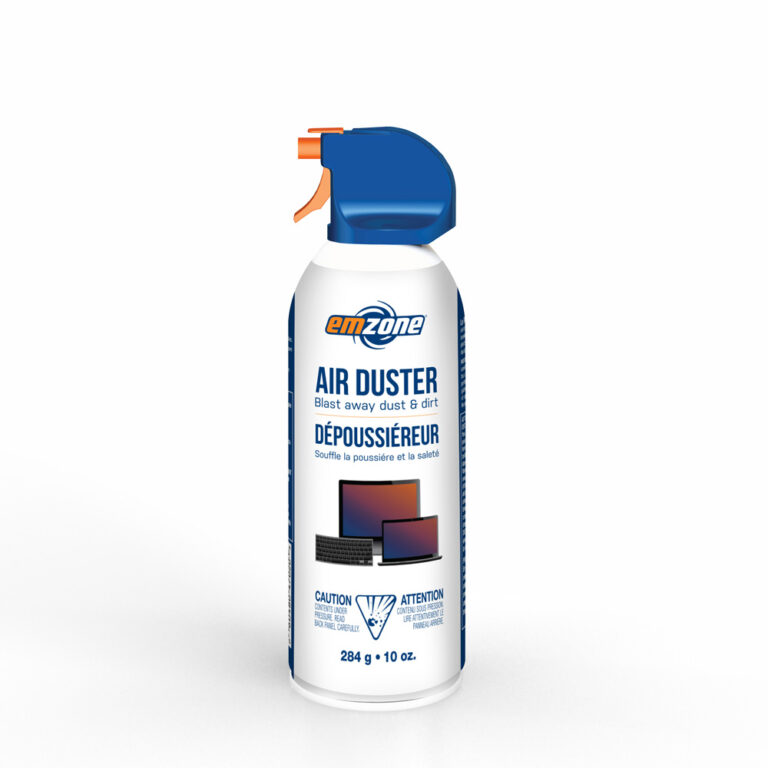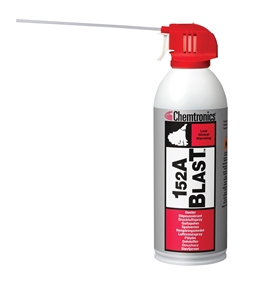
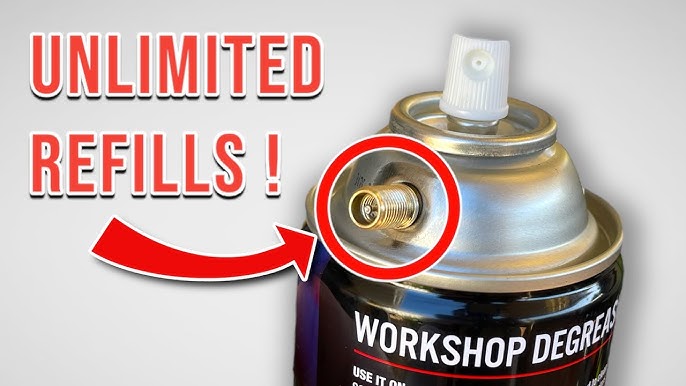
Refill air duster by using a purpose-built refillable canister and safe, approved propellant.
I have cleaned thousands of keyboards, cameras, and PC builds. I also tested refillable dusters and electric blowers. In this guide I explain how to refill air duster safely, what tools to use, legal and safety limits, plus real tips from hands-on experience. Read on to learn step-by-step methods, mistakes to avoid, and smart alternatives that save money and cut waste.

Why refill air duster?
Refilling air duster can cut cost and waste. Many homes dispose of half-used cans. Learning how to refill air duster helps you reuse gear and reduce landfill. It can also save time when you need steady cleaning for lots of devices.
Refill also forces you to think about safety. Not all cans are made to be refilled. Knowing the right tools and propellant is key before you try to refill air duster.

Safety, legal, and environmental checklist
Refilling a single-use aerosol can is dangerous and often not allowed. Avoid trying to open or refill disposable cans. Instead, use a refillable unit sold for the purpose.
Follow these safety rules when you learn how to refill air duster:
- Always work outdoors or in a well-vented area. Dangerous gases can build up quickly.
- Wear eye protection and gloves. Cold gas can cause frostbite on skin.
- Use only recommended propellants and adapters. Do not use fuels, propane, or unknown gases.
- Check local laws. Some propellants are restricted in certain regions.
From my experience, the biggest risk is trying to force-fit a refill into a standard aerosol can. That often ends in leaks or freeze burns.

What you need to refill air duster
The right tools make the job safe and reliable. Below is a typical kit for a refillable duster system:
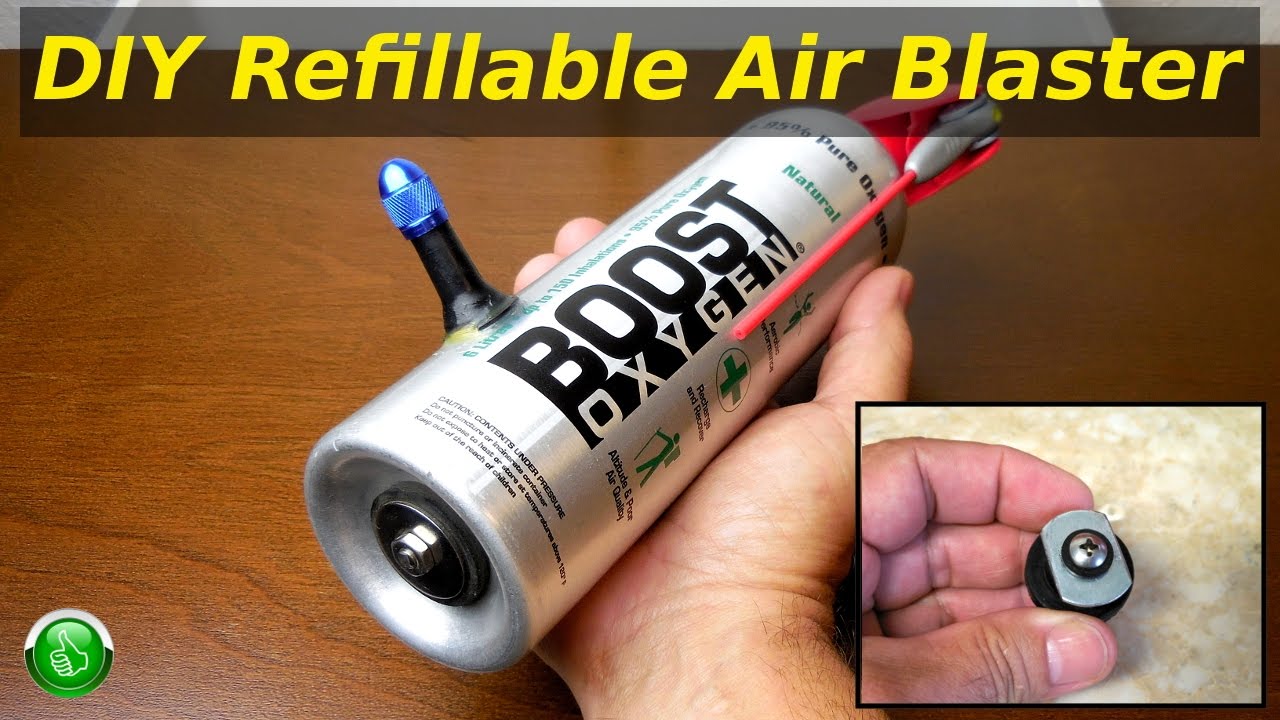
- Refillable air duster canister designed for refill. Choose a quality metal canister with a valve.
- Manufacturer-approved refill adapter or coupler. This links the refill bottle to the canister.
- Approved propellant or compressed gas cartridge sold for cleaning dusters. Use nonflammable types where possible.
- Protective gloves and safety glasses. Frostbite and splashes can happen.
- A small scale or pressure gauge if the kit includes it. It helps avoid overfilling.
I once tried a cheap adapter from an unknown brand. It leaked and ruined my workbench. Spend a little more for a tested kit.
Step-by-step: safe method to refill air duster (refillable system)
This is a safe, general approach for a refillable duster unit. Do not use these steps on single-use aerosol cans.
- Read instructions. Check both the canister and the refill kit instructions. Each product may differ.
- Work outside or in a ventilated area. Keep a fire extinguisher nearby for backup.
- Chill the refillable canister slightly if recommended. Cold gas fills better in some systems. Do not freeze.
- Secure the canister upright on a stable surface. Keep the valve easy to access.
- Attach the adapter. Match threads and push-fit per the maker’s guide. Do not force parts.
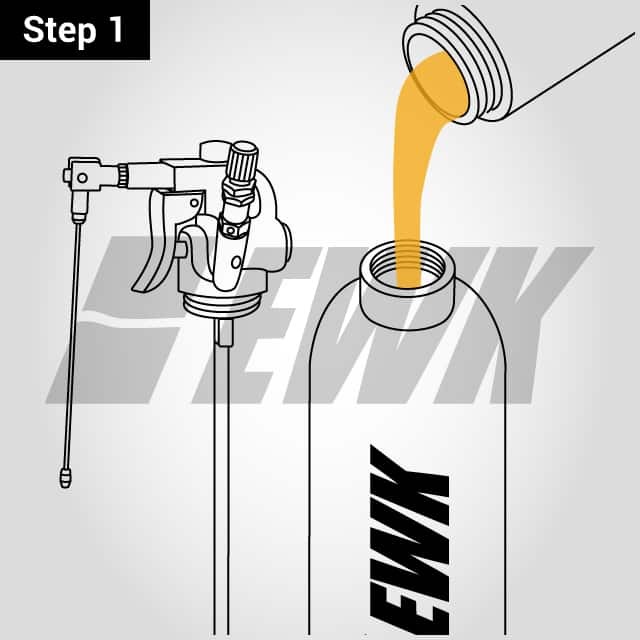
- Connect the refill bottle. Open only the valve indicated. Let gas flow into the canister slowly.
- Watch pressure and weight. Fill to the recommended level only. Overfill can burst the canister.
- Disconnect the refill bottle carefully. Close valves in the right order to avoid sprays.
- Wipe connections and test the duster briefly away from your face. Confirm steady spray without leaks.
- Label the canister with refill date and propellant type.
How I do it: I always test a new refill kit with an empty, sacrificial canister first. That helped me learn valve feel and avoid spills. If you smell solvent or hear a hissing leak, stop and vent the area.
Alternatives to refilling disposable cans
Refilling is not the only way to save money or reduce waste. Consider these options:
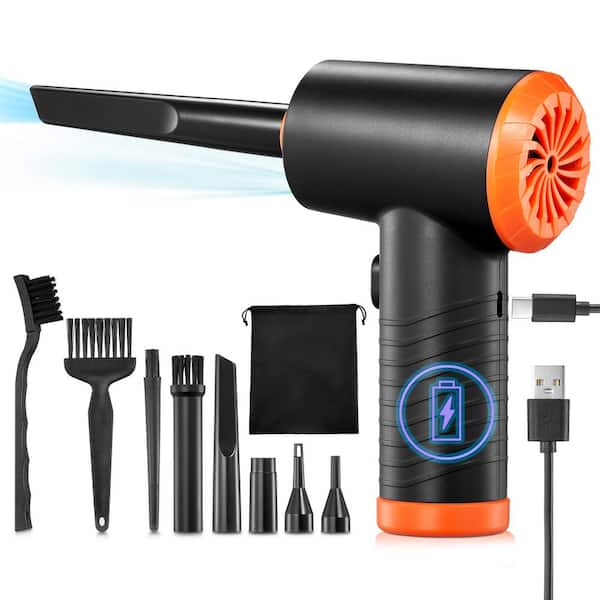
- Electric air duster. These plug-in units give steady, adjustable airflow and no propellant.
- Small compressor with air gun. Useful for heavy tasks and reusable.
- Buy larger professional refill bottles that work with refillable canisters. They reduce frequent buys.
I switched to an electric duster for my camera gear. It cost more up front but gave reliable, safe air for months.
Troubleshooting and maintenance
If your refill fails, check these common problems:
- No spray or weak blast. Check that the valve is clear and the canister has pressure. Warm the canister slightly if gas is too cold.
- Leaks at the adapter. Re-seat or replace seals and O-rings. Clean valve surfaces before reconnecting.
- Frost build-up on fittings. Stop filling and let parts return to room temp. Frost signals rapid gas expansion.
- Strange odors. If you smell solvents or fuel, stop using the propellant. Dispose of gas safely.
Maintenance tips:
- Store canisters upright in a cool, dry place.
- Inspect seals and O-rings before each fill.
- Keep a log of refill dates and propellant types.
From real use, O-rings are the part that wears first. Keep extras on hand to avoid surprises.

Frequently Asked Questions of how to refill air duster
What is the safest way to refill air duster?
Use a purpose-built refillable canister and the manufacturer's adapter with an approved propellant. Work in a ventilated area and follow all safety steps.
Can I refill a disposable aerosol air duster?
No. Refilling single-use aerosol cans is unsafe and often illegal. Use a refillable unit designed for refills instead.
What propellant should I use to refill air duster?
Use the propellant recommended by the duster maker. Prefer nonflammable, approved gases. Never use fuels or flammable refrigerants.
How often can I refill a reusable duster canister?
That depends on the canister and propellant. Many metal refillables handle dozens of refills if pressure limits are respected and seals are kept in good shape.
What should I do if the canister leaks after refill?
Stop using it immediately. Vent the area outdoors, wear protection, and replace seals or return the canister to the maker for inspection.
Is an electric air duster better than refillable cans?
For many users, yes. Electric units give steady airflow and no propellant hazards. They cost more up front but can be cheaper and safer over time.
Conclusion
Refilling air duster can save money and cut waste when you use the right gear and follow strict safety steps. Choose a refillable canister, use approved adapters and propellants, and work in a ventilated place. If refilling feels risky, switch to an electric duster or a compressor system. Try one small refill with care, learn the valve feel, and keep spare seals on hand. If this guide helped, try a safe refill or switch to a reusable blower, and share your results or questions below.