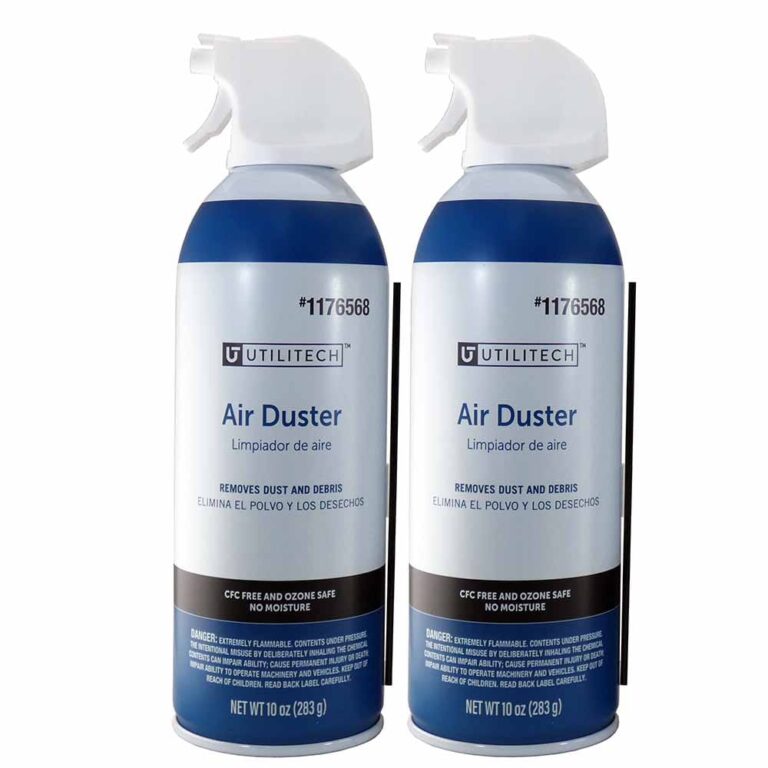
Empty the can, depress the valve fully, then recycle or take it to hazardous waste collection.
I’ve worked with home cleanup and waste programs for years, so I know the risks and rules around how to dispose of air duster cans. This guide explains safe steps, local options, and handy tips so you can protect your home and the environment while handling pressurized cans with confidence. Read on for clear, practical advice and real-world lessons from my experience.

Why proper disposal matters
Air duster cans hold pressurized gas. That makes them a fire and explosion risk if handled poorly. Discarding them incorrectly can harm sanitation workers and pollute air and soil.
Proper handling reduces these risks. It also helps recycling systems work better. Knowing how to dispose of air duster cans keeps your home safe and follows local rules.

What’s inside an air duster can
Most spray cans contain a liquified gas and an inert propellant. They are not simple empty metal cans. The contents are often flammable or cold enough to cause frostbite on skin contact.
Labels usually list ingredients and hazard icons. Read the label before you act. If the label is missing, treat the can as potentially hazardous.

Step-by-step: how to dispose of air duster cans safely
-
Check the label first.
- Look for disposal instructions or hazard warnings on the can.
- Labels often tell if the can is recyclable or needs special handling.
-
Use the can until empty.
- Spray until no gas comes out. That shows the can is functionally empty.
- Using it fully reduces pressure and simplifies disposal.
-
Vent the can safely if required by local rules.
- Outdoors, point the nozzle away from people and electronics.
- Press the valve briefly to release any last gas. Do this sparingly and only if local guidance allows.
-
Do not puncture or crush unless instructed.
- Puncturing pressurized cans can cause injury or fire.
- Some recycling centers accept punctured cans only with special equipment.
-
Follow local recycling or hazardous waste rules.
- Many curbside programs accept empty aerosol cans with metal recycling.
- If the can contains hazardous propellant, bring it to a collection event or facility.
-
Label and contain partially full cans.
- Place them in a secure box and keep them from heat.
- Transport them to a hazardous waste drop-off.
These steps cover common cases of how to dispose of air duster cans. When in doubt, contact your local waste authority for exact rules.
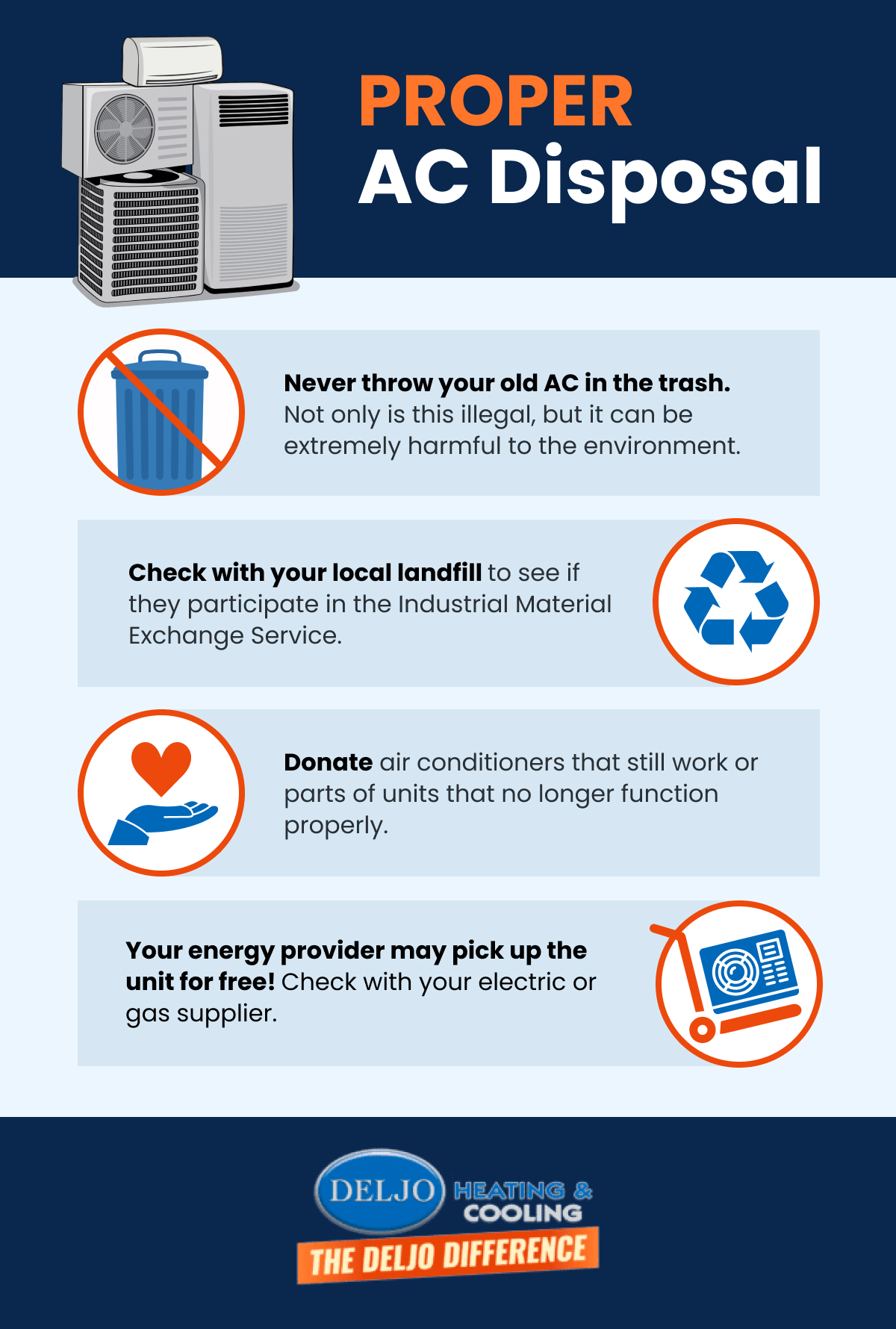
Local rules, recycling, and hazardous waste programs
Rules vary by city and state. Some places let you place truly empty cans in the metal recycle bin. Other areas require aerosol cans be taken to hazardous waste facilities.
Look for these local options:
- Curbside recycling that accepts empty aerosol cans.
- Household hazardous waste collection events.
- Drop-off centers for hazardous materials.
- Retail take-back programs or mail-back options.
Call or check your local waste agency before you throw anything away. I once drove a half hour to the wrong center. A quick call would have saved me time.

Alternatives and greener choices
Switching can reduce disposal questions and environmental impact. Consider:
- Electric compressed air dusters that are reusable.
- Handheld battery blowers for keyboards and small areas.
- Microfiber brushes and vacuums for routine cleaning.
Choosing a refillable or electric option cuts waste. It also saves money over time. I switched to a small electric duster for my office setup. It works well and removes the worry about cans.
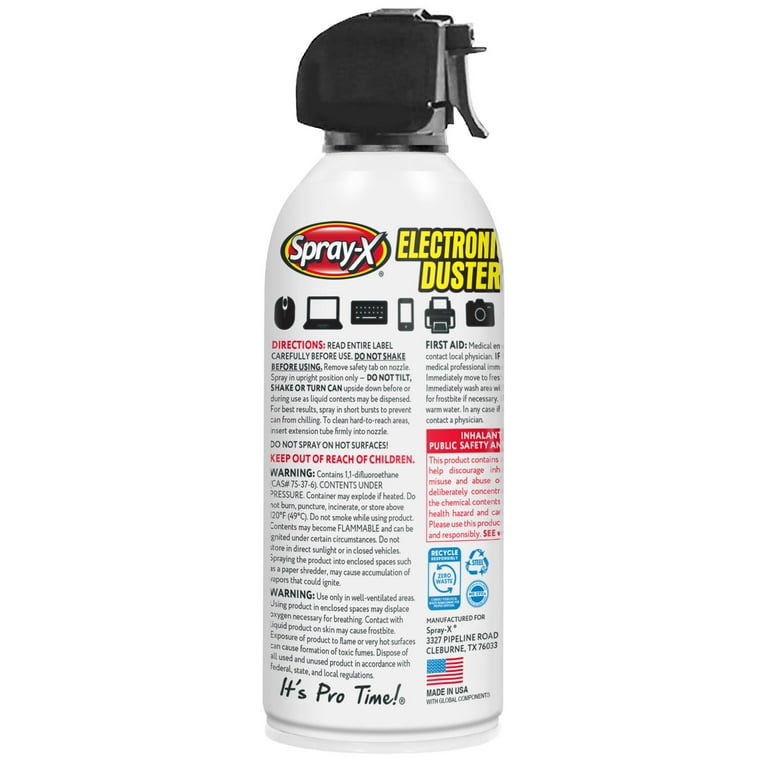
Common mistakes and safety checklist
Common mistakes:
- Tossing partly full cans in regular trash.
- Puncturing cans at home.
- Storing cans near heat or direct sun.
Safety checklist before disposal:
- Is the can empty? If yes, consider recycling.
- Is the label clear? Follow label instructions.
- Is the can damaged or leaking? Treat as hazardous.
- Do you know local rules? Verify before disposal.
Following this checklist helps you avoid costly errors and potential injuries. My early mistake was leaving a near-empty can in a hot garage. Don’t do that.

Frequently Asked Questions of how to dispose of air duster cans
Are empty air duster cans recyclable?
Yes. Many metal recycling programs accept completely empty aerosol cans. Confirm with your local recycler first to ensure they accept aerosol containers.
Can I puncture an air duster can at home?
No. Puncturing pressurized cans can cause injury or fire. Only specialized facilities should puncture or compact aerosol cans.
What if the air duster can is half full?
Treat it as hazardous waste. Store it upright, away from heat, and take it to a household hazardous waste collection site or drop-off center.
Can I throw air duster cans in the regular trash?
Not usually. If the can is not empty or if local rules prohibit it, you should not place it in regular trash. Check local rules first.
How do I transport partially full cans to a drop-off?
Place cans upright in a sturdy box and keep them in your vehicle away from direct sun. Drive directly to the facility and follow staff instructions.
Do electric dusters eliminate disposal issues?
They greatly reduce can waste but have batteries and electronics to recycle. Follow e-waste rules for disposal of electric dusters.
Conclusion
Handling air duster cans carefully reduces risk and helps the planet. Empty cans can often be recycled, while partly full or damaged cans belong at hazardous waste centers. Use the step-by-step guidance here to decide what to do with your cans, and choose reusable alternatives when possible. Take action today: check your local rules, empty cans fully, and drop off any suspect cans at a safe facility. Share your experience or questions below, and subscribe for more practical, eco-safe tips.