A bypass tire pressure monitoring system means disabling, ignoring, or electronically avoiding TPMS warnings instead of fixing the cause. Although some drivers look for a bypass because of damaged sensors or warning lights, bypassing a factory safety system can create risks and may violate regulations in some situations.
In the United States, most passenger vehicles manufactured after 2007 are required to include a tire pressure monitoring system under federal safety rules. TPMS alerts drivers when one or more tires fall significantly below the recommended pressure, helping reduce risks related to underinflated tires.
Drivers searching for a TPMS bypass usually want to solve problems such as a persistent warning light, expensive sensor replacement, aftermarket wheels, or sensor compatibility issues. The safer approach is usually to diagnose the TPMS fault and repair the system rather than permanently defeating the warning function.
Source: rvingbeginner.com
What Does Bypass Tire Pressure Monitoring System Mean?
A tire pressure monitoring system bypass refers to any method used to prevent a TPMS warning from appearing or to make the vehicle operate without recognizing its tire pressure sensors. This can involve software changes, sensor simulation devices, removing components, or simply ignoring the warning.
A bypass is different from a repair. A repair restores normal communication between the tire sensors and the vehicle computer, while a bypass attempts to avoid the system’s alerts without correcting the underlying issue.
Source: amazon.com
Temporary bypass behavior
Some drivers reset warnings or continue driving after an alert disappears temporarily, but the original problem may remain.
Electronic bypass methods
Some aftermarket devices claim to imitate sensor signals, but compatibility, reliability, and safety can vary.
Physical removal
Removing TPMS parts or disabling related systems can affect vehicle safety monitoring.
Why Drivers Consider a TPMS Bypass
The most common reasons include replacing factory wheels, installing aftermarket wheels without compatible sensors, dealing with repeated sensor failures, or avoiding repair costs. Understanding the cause of the warning is important because many TPMS problems are simpler to fix than expected.
Common issue
A low tire pressure warning may only require adjusting tire pressure to the recommended level.
How TPMS Works and Why Bypassing It Can Be Risky
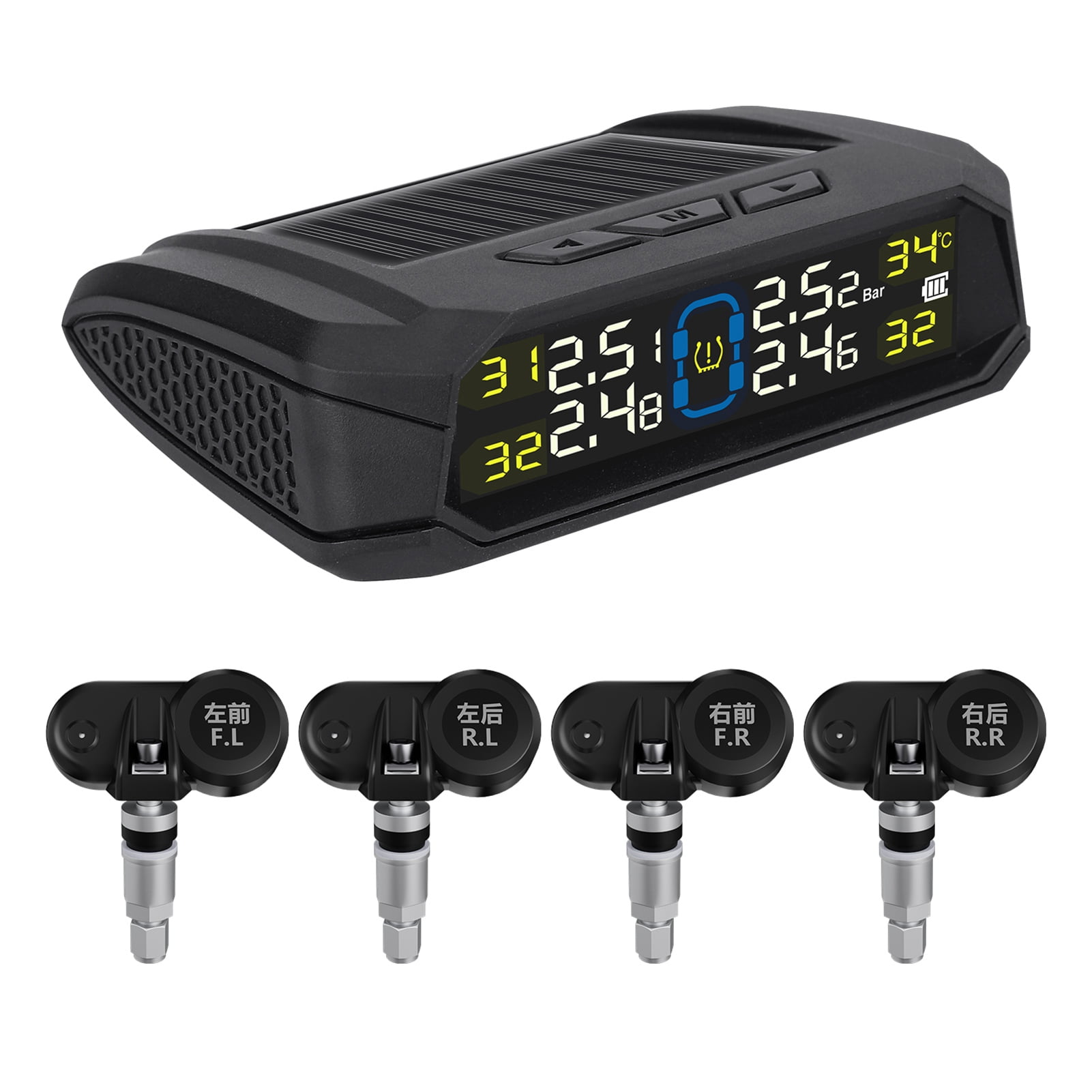
Most direct TPMS systems use sensors installed inside or on the tire assembly to measure air pressure and sometimes temperature. These sensors send information to the vehicle’s control module, which activates a dashboard warning when pressure drops below a programmed threshold.
When a TPMS bypass prevents these warnings, the driver may lose an early indication of a tire pressure problem. Underinflated tires can increase heat buildup, reduce fuel efficiency, affect handling, and contribute to tire damage.
Source: amazon.ca
Safety impact
A working TPMS provides an additional warning layer before a tire issue becomes more serious.
Maintenance impact
A disabled system can make it easier to overlook gradual air loss caused by leaks or tire damage.
Federal Requirements in the United States
The United States requires TPMS on many passenger vehicles because the system helps drivers identify significantly underinflated tires. Vehicle owners should understand that removing or disabling safety-related equipment may create inspection, warranty, or compliance concerns depending on location and circumstances.
Check local rules
Requirements and inspection practices can vary by state and vehicle type.
Common Alternatives to Bypassing a TPMS System
Before attempting any bypass, identify why the warning appears. Many TPMS problems can be solved through maintenance, sensor replacement, or a relearn procedure designed for the specific vehicle.
Source: aushaelectronics.com
Check tire pressure first
Use an accurate gauge and adjust each tire to the pressure listed on the vehicle information label.
Replace failed sensors
TPMS sensors contain batteries that eventually wear out and may need replacement.
Perform a sensor relearn
Some vehicles require a relearn procedure after tire rotation, sensor replacement, or wheel changes.
Inspect for damage
Damaged valves, wiring, or sensor components may cause communication failures.
When a TPMS Reset May Solve the Problem
A reset may help after correcting tire pressure or completing maintenance, but a reset does not repair a damaged sensor or electrical fault. If the warning returns, additional diagnosis is needed.
Successful repair sign
The TPMS warning remains off during normal driving after the system completes its monitoring cycle.
Symptoms That Make Drivers Search for a TPMS Bypass
A TPMS bypass search often begins after a driver notices repeated warnings or unexpected system behavior. Identifying the symptom can help determine the correct solution.
Source: walmart.com
Constant TPMS warning light
Possible causes include low pressure, failed sensors, incorrect sensor programming, or communication problems.
Warning after wheel replacement
New wheels may need compatible sensors installed and programmed.
Flashing TPMS light
A flashing warning may indicate a system fault rather than simple low tire pressure.
Incorrect pressure readings
Faulty sensors or incorrect calibration may cause inaccurate information.
Basic Troubleshooting Order
The most efficient troubleshooting approach starts with simple checks before replacing parts. Verify tire pressure, inspect the tires, check the vehicle manual for reset procedures, and scan the TPMS system if the problem continues.
Start with safety
Do not ignore a tire pressure warning until you confirm the tires are properly inflated.
Mistakes to Avoid When Trying to Bypass TPMS
The biggest mistake is treating the warning light as the problem instead of investigating the cause. A TPMS warning is a signal that the vehicle detected a condition requiring attention.
Drivers should avoid methods that create false confidence, especially if they involve ignoring tire pressure checks or disabling safety-related alerts without understanding the consequences.
Source: rfstariot.com
Ignoring actual tire problems
A bypass cannot prevent tire damage caused by incorrect inflation.
Using incompatible devices
Electronic solutions may not work correctly across different vehicle makes and models.
Skipping professional diagnosis
Persistent faults may require specialized TPMS scanning equipment.
When Professional Help Is Recommended
A qualified automotive technician may be needed when the TPMS warning remains after pressure checks, sensors fail repeatedly, or the vehicle has electrical communication issues.
Seek assistance
Professional diagnosis can identify whether the problem is a sensor, module, programming, or wiring issue.
Frequently Asked Questions
Q
Can you legally bypass a tire pressure monitoring system?
The legality of disabling TPMS can depend on the vehicle, location, and circumstances. Because TPMS is a federally required safety system on many U.S. vehicles, owners should check applicable rules before modifying it.
Q
Will a TPMS bypass stop the warning light permanently?
Some bypass approaches may prevent certain warnings, but results vary by vehicle and method. A warning may return if the vehicle detects another fault.
Q
Can I drive with the TPMS light on?
You should first check tire pressure and inspect the tires. Driving without addressing the cause of the warning can increase safety risks if a tire is underinflated.
Q
Do aftermarket wheels need TPMS sensors?
Many vehicles require compatible TPMS sensors when aftermarket wheels are installed. The exact requirement depends on the vehicle system and wheel setup.
Q
What is the safest solution instead of bypassing TPMS?
The safest solution is usually to identify the fault and repair the TPMS system through proper inflation, sensor replacement, programming, or professional diagnosis.
✦ Wrapping Up
Conclusion
A bypass tire pressure monitoring system approach may seem like a quick way to remove an annoying warning, but it does not solve the underlying tire or sensor problem. TPMS exists to provide drivers with important information about tire conditions.
For most drivers, diagnosing and repairing the TPMS issue is a safer and more reliable option than disabling the system. Understanding the cause of the warning helps protect tires, vehicle performance, and road safety.
💡 Key Takeaway
Before considering any TPMS bypass method, check tire pressure, identify the exact fault, and repair the system whenever possible.
Kimberly ensures every piece of content is clear, helpful, and user-friendly. She focuses on creating guides that are easy to read while maintaining accuracy and trust.
Learn how to maintain a tire pressure monitoring system, check TPMS sensors, prevent failures, troubleshoot warnings, and keep your vehicle’s tire safety system working correctly.