You can fix a tire pressure monitor fault by checking tire pressure, inspecting the TPMS sensors, resetting the system, replacing damaged sensor batteries, and diagnosing electrical or communication issues when basic fixes do not work.
Across the United States, many drivers rely on tire pressure monitoring systems (TPMS) to warn them when tire pressure becomes unsafe. A tire pressure monitor fault message does not always mean a tire is low on air. It can indicate a failed sensor, a weak sensor battery, incorrect sensor programming, cold weather pressure changes, or a communication problem between the sensors and the vehicle computer.
The correct repair method depends on the cause of the fault. Start with simple checks such as verifying tire pressure against the vehicle manufacturer’s recommended PSI and checking for visible tire damage. If the warning remains, a TPMS scan tool or professional diagnostic equipment may be needed to identify a failed sensor or system issue.
Source: dna.strongeru.com
What Does a Tire Pressure Monitor Fault Mean?
A tire pressure monitor fault means the vehicle’s TPMS system has detected a problem that prevents it from accurately monitoring tire pressure. The warning may appear as a dashboard message, a flashing TPMS light, or a tire symbol that stays illuminated.
A normal low-pressure warning usually means one or more tires are below the recommended inflation level. A fault warning is different because it often indicates the monitoring system itself cannot read or communicate with one or more tire sensors.
Source: autoleap.com
Low tire pressure
A tire may simply need inflation, especially after temperature drops or normal air loss over time.
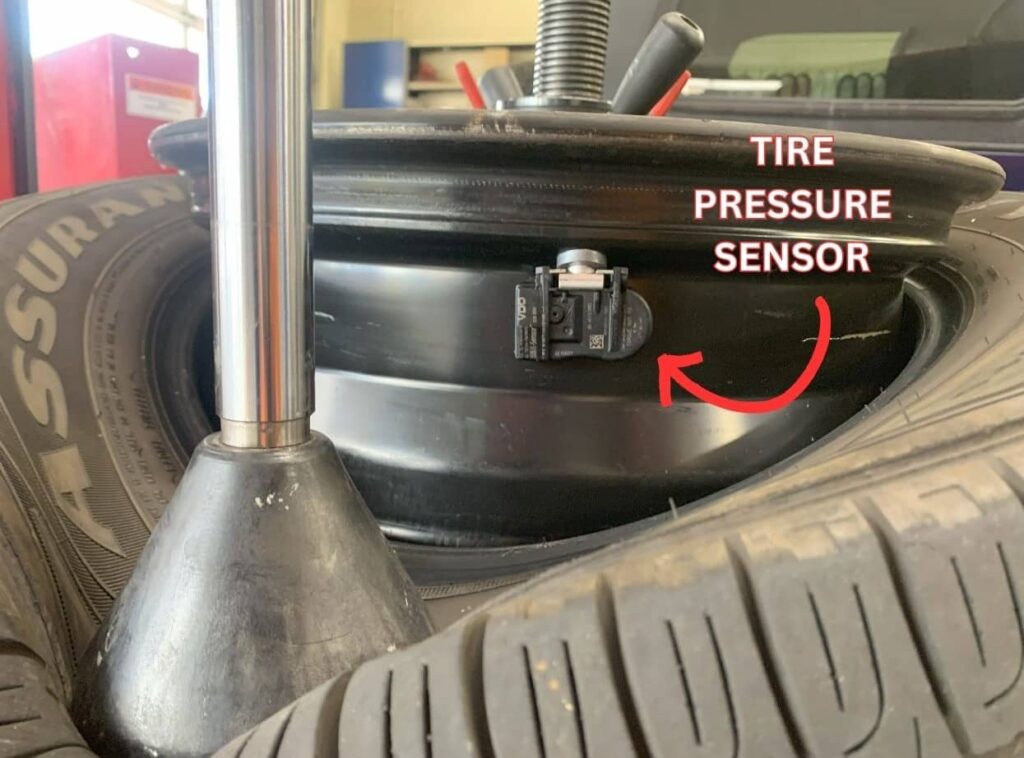
Failed TPMS sensor
A wheel-mounted sensor may stop transmitting pressure information because of damage or internal failure.
Weak sensor battery
Most direct TPMS sensors contain sealed batteries that eventually lose power and require sensor replacement.
System communication issue
The vehicle may not receive sensor data because of programming problems, interference, or control module faults.
Direct TPMS vs Indirect TPMS Systems
Direct TPMS systems use individual pressure sensors inside or attached to each wheel to measure actual tire pressure. Indirect systems estimate pressure changes by using wheel-speed sensors from the vehicle’s anti-lock braking system.
Direct TPMS
Provides actual pressure readings but depends on battery-powered sensors.
Indirect TPMS
Does not use pressure sensors but may require recalibration after tire inflation or rotation.
How to Fix a Tire Pressure Monitor Fault Step by Step
The safest troubleshooting approach is to begin with basic checks and move toward more advanced diagnosis. Avoid replacing parts before confirming the actual cause of the warning.
Source: www.reddit.com
Step 1: Check all tire pressures
Use a reliable tire pressure gauge to measure each tire when the tires are cold. Adjust pressure to the PSI listed on the driver’s door jamb label, not the maximum PSI printed on the tire sidewall.
Step 2: Inspect tires and valve areas
Look for punctures, damaged valve stems, corrosion, or signs that a sensor may have been damaged during tire service.
Step 3: Drive and allow the system to update
Some vehicles need several minutes of driving after pressure correction before the TPMS warning disappears.
Step 4: Perform a TPMS reset or relearn
Many vehicles require a reset procedure after inflation, tire rotation, or sensor replacement. Follow the owner’s manual instructions for the exact process.
Step 5: Scan the TPMS system
If the warning remains, a TPMS diagnostic tool can identify sensor IDs, battery status, and communication problems.
Signs the Repair Worked
A successful repair usually results in the TPMS warning light turning off, accurate tire pressure readings appearing on the dashboard if equipped, and normal sensor communication during a diagnostic scan.
Warning light turns off
The system no longer detects an active fault.
Pressure readings return
The vehicle receives data from all functioning sensors.
Common Causes and Their Fixes
Understanding the cause helps prevent unnecessary repairs. The table below shows common TPMS fault situations and the typical solution.
Source: carsensorhub.com
Cold weather pressure drop
Lower temperatures can reduce tire pressure and trigger warnings. Inflate tires to the recommended PSI and monitor the system.
Dead sensor battery
Replace the TPMS sensor because many sensor batteries are sealed and cannot be replaced separately.
Incorrect sensor programming
A replacement sensor may need to be programmed or relearned to the vehicle.
Damaged sensor after tire work
A sensor may be damaged during mounting or removal of a tire and may require replacement.
When Sensor Replacement Is Usually Needed
Sensor replacement is commonly needed when a sensor battery reaches the end of its service life, the sensor is physically damaged, or the sensor fails to transmit data even after proper relearning.
Replace the affected sensor
Install a compatible sensor and program it according to the vehicle requirements.
Replace related valve components if required
Some sensor assemblies include service parts such as valve cores and seals that should be renewed during installation.
TPMS Fault Troubleshooting Checklist
Use this checklist to identify the most likely issue before spending money on repairs.
Source: tiregrades.com
Warning appears after temperature change
Check tire pressure first because colder weather commonly lowers inflation pressure.
TPMS light flashes then stays on
This often indicates a system fault, such as a missing sensor signal or sensor communication problem.
Warning started after tire replacement
The new tires or wheels may have sensors that require programming or relearning.
Only one wheel shows an issue
A single failed sensor is more likely than a complete system failure.
Mistakes to Avoid
Replacing all sensors immediately without diagnosis can increase repair costs. Always confirm whether the problem is pressure, programming, sensor failure, or another electrical issue first.
Ignoring the warning
A faulty TPMS may prevent you from noticing dangerously low tire pressure.
Using the wrong PSI reference
Always use the vehicle manufacturer’s recommended pressure specification.
When to Get Professional TPMS Repair
Professional diagnosis is recommended when basic pressure checks and resets do not clear the warning. Automotive service shops have TPMS tools that can read sensor signals, identify failed components, and program replacement sensors.
Seek professional help if the warning appears with other vehicle electrical issues, if a sensor was damaged during tire service, or if you are unsure how to safely remove and replace tire components.
Source: alltirechains.com
Professional scan needed
A TPMS tool can confirm whether sensors are transmitting correctly.
Tire removal required
Replacing internal sensors requires removing the tire from the wheel, which should be performed with proper equipment.
Frequently Asked Questions
Q
Can I fix a tire pressure monitor fault myself?
Yes, some TPMS faults can be fixed at home by checking tire pressure, correcting inflation, and performing a vehicle reset. Sensor replacement and programming usually require specialized tools.
Q
Why is my tire pressure light on when my tires are full?
The light may remain on because of a failed sensor, incorrect calibration, a weak sensor battery, or a communication problem between the sensors and vehicle.
Q
How long does a TPMS sensor usually last?
Many TPMS sensors use sealed batteries designed to last several years, but actual lifespan depends on vehicle use, environmental conditions, and sensor design.
Q
Does resetting TPMS fix a sensor fault?
A reset can solve some calibration or relearn issues, but it will not repair a damaged sensor or a dead battery inside a sensor.
Q
Is it safe to drive with a tire pressure monitor fault?
Driving may be possible, but the system may not warn you about low tire pressure. Check tire pressure manually and repair the fault as soon as practical.
✦ Wrapping Up
Conclusion
Fixing a tire pressure monitor fault starts with simple checks and progresses to diagnosis only when necessary. Correct tire inflation, proper resets, and accurate sensor testing can resolve many TPMS problems without unnecessary part replacement.
Because TPMS is a safety system designed to alert drivers about tire pressure problems, persistent warnings should not be ignored. Identify the cause, use the correct repair method, and seek professional assistance when the issue requires specialized equipment.
💡 Key Takeaway
Check tire pressure first, reset the system according to your vehicle instructions, and use TPMS diagnostic equipment or professional service if the warning continues.
Kimberly ensures every piece of content is clear, helpful, and user-friendly. She focuses on creating guides that are easy to read while maintaining accuracy and trust.
Compare wireless vs wired mouse for gaming to understand latency, performance, battery life, comfort, price, and which option is best for competitive and casual gamers.
Learn how gaming with a vertical mouse works, its benefits, limitations, setup tips, and whether an ergonomic vertical mouse is suitable for FPS, MMO, and everyday gaming.