Small laptops cost more because miniaturized parts, premium materials, and complex cooling raise their design and manufacturing costs.
Many shoppers wonder why are 13-inch laptops more expensive when they use less material than larger models. The answer is not simply screen size. A 13-inch laptop often packs strong hardware, a sharp display, a large battery, and a sturdy body into a very small space. This guide explains the real cost factors, when the price is worth it, and how to choose wisely.
Why are 13-inch laptops more expensive?
The main reason why are 13-inch laptops more expensive is that compact design requires more engineering. Manufacturers must fit the processor, battery, cooling system, ports, speakers, keyboard, and display into a smaller body.
A 15-inch laptop has more room for each part. A 13-inch model needs custom layouts and smaller components. It is like fitting a full kitchen into a tiny apartment. The result can be excellent, but the design work costs more.
The higher price often comes from these factors:
• Premium materials such as aluminum, carbon fiber, or magnesium
• High-quality screens with better brightness and color
• Efficient processors made for thin laptops
• Smaller cooling systems with careful airflow design
• Larger batteries that fit inside a compact body
• More detailed testing and quality control
• Higher demand for premium ultraportable computers
A small laptop is not always expensive. Entry-level 13-inch models can cost less than large premium laptops. However, the most popular 13-inch laptops tend to be thin, light, powerful, and well-built. Those features push the price upward.

Smaller laptops need more advanced engineering
One major reason why are 13-inch laptops more expensive is the difficulty of miniaturization. Laptop parts cannot simply be made smaller without changing their design.
The motherboard, cooling fans, heat pipes, speakers, and battery must all work together in a tight space. Even a small design mistake can cause heat, noise, weak performance, or poor battery life.
Engineers often use custom circuit boards and special internal layouts. These parts may cost more than standard components used in larger laptops. The company also spends more on research, testing, and prototype development.
A compact laptop must pass tests for:
• Heat control during heavy use
• Hinge strength
• Keyboard comfort
• Battery safety
• Wireless signal quality
• Drop and pressure resistance
• Long-term performance
A larger laptop can solve some problems with space. A 13-inch model must solve them with precision. That extra precision is part of the price.
Compact parts are not always cheaper
Many people assume smaller parts cost less. That is not always true. A tiny, custom-designed part may cost more than a larger standard part because it is produced in lower numbers.
For example, a thin 13-inch laptop may need a custom cooling system. It may also use a special battery shape that fills unused spaces inside the case. These parts can be more expensive to design and produce than common parts used in larger machines.

Premium materials raise the price
Another answer to why are 13-inch laptops more expensive is the type of material used. Many small laptops are designed for travel, so brands use strong and light materials.
Common materials include:
• Aluminum
• Magnesium alloy
• Carbon fiber
• Reinforced plastic
• Glass fiber composites
Aluminum gives a laptop a solid feel and helps with heat spread. Magnesium alloy can reduce weight while keeping the frame strong. Carbon fiber is light and stiff, but it can increase production costs.
Budget laptops often use thicker plastic. Plastic is not always bad, but it may flex more and show wear sooner. Premium 13-inch models usually focus on a clean look, firm keyboard deck, and strong hinge.
This creates a useful lesson for shoppers: you are often paying for the whole build, not only the processor. A laptop that feels strong in a store may stay comfortable and reliable after years of travel.
In my experience comparing portable laptops, the frame and hinge often reveal more about long-term quality than the logo on the lid. A cheap hinge can become loose, while a well-made hinge can last for many years.

High-quality displays cost more
The display is another key reason why are 13-inch laptops more expensive. Premium 13-inch laptops often use better screens than basic 15-inch models.
A good display may offer:
• Full HD, 2.5K, or higher resolution
• An IPS or OLED panel
• Strong viewing angles
• Better color accuracy
• Higher brightness
• A faster refresh rate
• Touch support
A smaller screen does not mean a lower display cost. In fact, premium small laptops often use dense screens with high pixel counts. This makes text sharp and images smooth.
OLED screens can also raise the price. They provide deep blacks, strong contrast, and rich colors. However, they may use more power in some situations and can carry a higher manufacturing cost.
Screen quality matters if you read, edit photos, watch films, or work near windows. If you mainly write emails and browse simple websites, you may not need the most expensive panel.
Battery design is harder in a 13-inch laptop
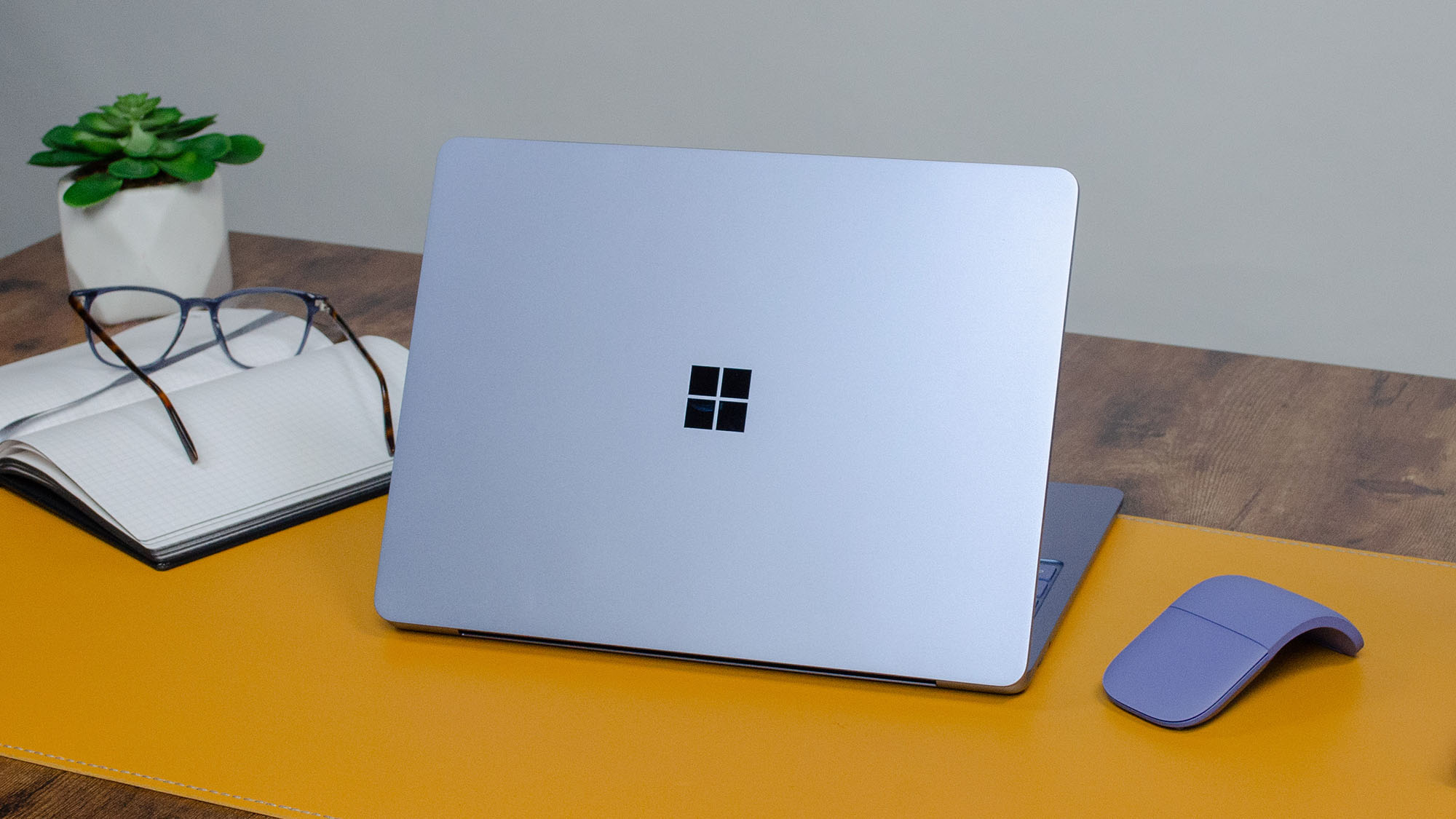
Battery capacity helps explain why are 13-inch laptops more expensive. A small laptop has less internal room, yet buyers still expect all-day battery life.
Manufacturers may use a high-density battery that fills much of the laptop’s base. The battery must be thin, safe, and shaped to fit around other parts. This requires careful design.
A good 13-inch laptop also needs efficient hardware. A low-power processor can reduce heat and extend battery life. Fast solid-state storage and modern wireless chips can improve speed without using too much power.
Battery life still depends on real use. Bright screens, video calls, gaming, and many open browser tabs can drain power quickly. Manufacturer battery claims often come from controlled tests, so actual results may be lower.
When I compare battery claims, I look beyond the advertised number. I check the screen type, processor class, battery capacity, and user reviews. These details give a more realistic picture than one test result.

Thin cooling systems can increase costs
Heat is a serious challenge in a compact laptop. Powerful processors create heat, but there is less space for fans and vents.
This is another important part of why are 13-inch laptops more expensive. The cooling system may use:
• Thin heat pipes
• Small, high-speed fans
• Special vapor chambers
• Carefully shaped air vents
• Thermal materials between chips and cooling parts
A poor cooling design can cause the processor to slow down. This is called thermal throttling. The laptop may feel fast for a short time but lose speed during long tasks.
Premium 13-inch laptops often balance power and heat with low-voltage processors. These chips may not match a large gaming laptop in sustained performance, but they can offer a better mix of speed, silence, and battery life.
This is why a 13-inch laptop is not always the best choice for heavy video editing, 3D work, or gaming. A 15-inch or 16-inch model may provide stronger cooling and higher performance for the same price.

Premium features are common in 13-inch laptops
Another reason why are 13-inch laptops more expensive is that they often belong to a premium product class. Brands use their smaller models to showcase their best design and features.
A premium 13-inch laptop may include:
• A backlit keyboard
• A precise glass touchpad
• A fingerprint reader
• A high-quality webcam
• Better microphones
• Wi-Fi 6E or newer wireless support
• USB-C charging
• Thunderbolt or fast USB ports
• A strong speaker system
Some models also include a 360-degree hinge or a touch display. These features add convenience, but they also add cost.
It is worth checking which features you will actually use. A fingerprint reader can save time every day. A touchscreen may be useful for note-taking. But paying extra for a feature you never use reduces the value of the laptop.

Supply, demand, and brand pricing matter
The answer to why are 13-inch laptops more expensive also includes business strategy. Smaller premium laptops appeal to students, travelers, business users, writers, and remote workers.
High demand lets brands charge more for popular models. A well-known brand may also spend more on design, support, marketing, and warranty service. Those expenses are included in the final price.
Brand reputation can be valuable, but it does not guarantee that every model is a good deal. Two laptops with similar processors may have very different keyboards, screens, batteries, and build quality.
Look at the full package rather than comparing processor names alone. A laptop with a slightly slower chip may be better for daily work if it has a brighter screen, longer battery life, and a more comfortable keyboard.
Are 13-inch laptops worth the higher price?
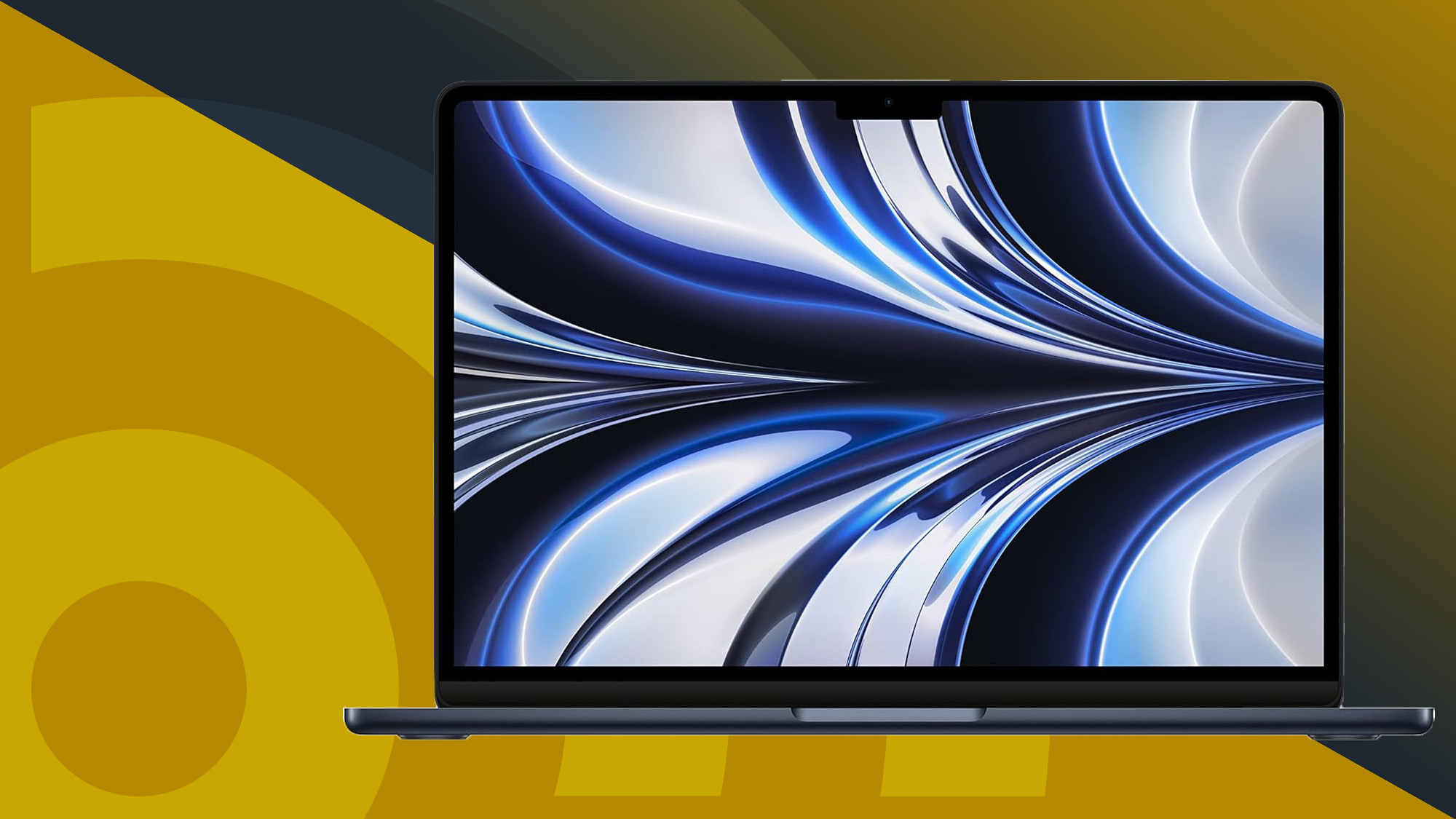
Whether a 13-inch laptop is worth the price depends on your needs. The compact design can be highly valuable if you carry your computer every day.
A 13-inch laptop may be worth buying if you want:
• Easy travel
• A light device for school or work
• Strong battery life
• A premium body
• A small desk footprint
• Quiet performance
• A screen that is large enough for daily tasks
However, it may not be the best choice if you need:
• A dedicated graphics card
• Heavy video editing
• Long gaming sessions
• Many built-in ports
• A large screen for spreadsheets
• Easy upgrades
A 14-inch laptop can offer a useful middle ground. It often provides more screen space and better cooling while remaining easy to carry. A 15-inch model may offer even better value if size and weight are not major concerns.

How to get better value from a 13-inch laptop
Understanding why are 13-inch laptops more expensive can help you avoid overspending. Start by listing your real needs before looking at brands.
Use this simple buying process:
-
Choose your main tasks. Decide whether you need the laptop for writing, school, coding, design, or gaming.
-
Set a realistic weight limit. A slightly heavier model may provide better cooling and more ports.
-
Check the screen. Look for brightness, resolution, panel type, and glare control.
-
Review the battery size. Battery capacity is often listed in watt-hours.
-
Examine the keyboard and touchpad. These affect comfort every day.
-
Check upgrade options. Some thin laptops have memory soldered to the motherboard.
-
Compare warranty terms. A good warranty can protect your investment.
-
Look for discounts. Older premium models often offer better value after a new generation launches.
Avoid choosing a laptop only because it is the smallest. A very thin device may have fewer ports, limited cooling, or difficult repairs. Portability matters, but balance matters more.
Common mistakes to avoid
Many shoppers focus on the processor and ignore the rest of the laptop. This can lead to disappointment.
Here are mistakes worth avoiding:
• Buying a high-resolution screen without checking battery life
• Choosing 8GB of memory for demanding future work
• Ignoring the webcam when working remotely
• Assuming every USB-C port supports charging or video output
• Trusting battery claims without reading real-world tests
• Buying a thin laptop for tasks that need strong cooling
• Forgetting the cost of a charger, dock, or adapter
A laptop is a system. The processor, memory, storage, display, battery, and cooling design must work well together.
One lesson I have learned from comparing compact laptops is that comfort matters more than small size alone. A laptop that is light but has a cramped keyboard may become frustrating after a week. Try the keyboard if possible, or read detailed reviews before buying.
How 13-inch laptops compare with larger models
The question why are 13-inch laptops more expensive becomes clearer when you compare the trade-offs.
13-inch laptops
• Easier to carry
• Often lighter
• Smaller desk footprint
• Commonly built with premium materials
• May have fewer ports
• Can have tighter cooling limits
14-inch laptops
• More room for cooling
• Larger screen than a 13-inch model
• Often a strong balance of size and performance
• May include more ports
• Can offer better value
15-inch and 16-inch laptops
• Better for large spreadsheets and creative work
• More room for powerful processors and graphics
• Often easier to upgrade
• Usually heavier
• May provide more value per dollar
Size is only one part of the buying decision. A premium 13-inch model may cost more than a basic 16-inch laptop because they serve different users.
Frequently Asked Questions About Why Are 13-Inch Laptops More Expensive
Why are 13-inch laptops more expensive than 15-inch laptops?
Compact laptops often use custom parts, premium materials, and complex cooling systems. They may also include better screens and longer battery life than larger budget models.
Are 13-inch laptops better than 15-inch laptops?
Neither size is always better. A 13-inch laptop is better for travel, while a 15-inch laptop often offers more power, ports, and screen space.
Do smaller laptops have better battery life?
They can have better battery life when they use efficient processors and well-designed batteries. However, screen brightness, software, workload, and battery capacity affect real results.
Are 13-inch laptops good for students?
Yes, many are excellent for students because they are light and easy to carry. Check the keyboard, webcam, battery life, memory, and warranty before buying.
Can a 13-inch laptop run demanding software?
Some can run demanding software, especially models with modern processors and enough memory. For long video edits, gaming, or 3D work, a larger laptop with stronger cooling may perform better.
Is a 14-inch laptop a better value?
Often, yes. A 14-inch laptop can provide more cooling, a larger screen, and extra ports while staying fairly portable.
Why are premium 13-inch laptops so light?
They use lightweight materials, compact motherboards, efficient processors, and carefully shaped batteries. These design choices reduce weight but can increase manufacturing costs.
Conclusion
The question why are 13-inch laptops more expensive has a clear answer: compact laptops often require more design work, custom components, premium materials, efficient cooling, and high-quality displays. You are paying for portability and careful engineering, not simply for a smaller screen.
A 13-inch laptop can be an excellent investment for travel, school, office work, and daily mobility. Before buying, compare battery life, screen quality, keyboard comfort, memory, ports, cooling, and warranty support. Choose the size that fits your work, then compare models by the features you will use every day.
Take time to test your top choices and read reliable hands-on reviews. If you have used a 13-inch laptop, share your experience and help other readers make a smarter decision.