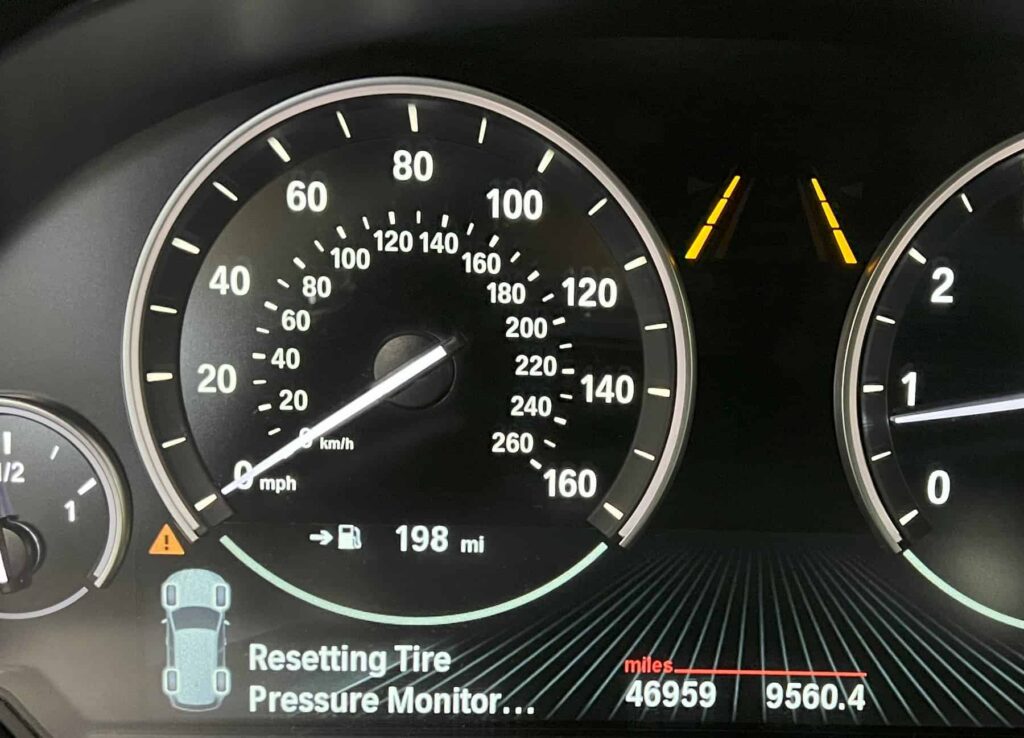
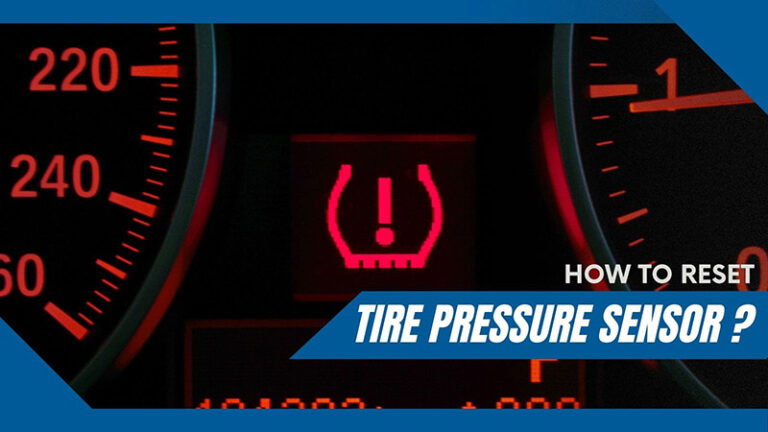
Most drivers cannot safely or legally turn off a tire pressure monitoring system permanently. In the United States, TPMS is a federally required safety feature on many passenger vehicles, so the recommended solution is usually fixing the warning cause, resetting the system, or consulting the vehicle manufacturer instructions.
Across the United States, tire pressure monitoring systems help drivers identify dangerously low tire pressure before it leads to poor handling, increased tire wear, or a possible tire failure. Since the mid-2000s, most new passenger vehicles sold in the US have been required to include TPMS because properly inflated tires improve vehicle safety and efficiency.
If you are searching for how to turn off tire pressure monitoring system because the warning light stays on, the issue is usually not that the system needs to be disabled. A low tire, temperature-related pressure change, damaged sensor, weak sensor battery, or failed relearn procedure is often the real cause. Disabling TPMS may remove an important safety warning and may not be supported by your vehicle manufacturer.
Source: tpmsreset.com
Can You Turn Off a Tire Pressure Monitoring System?
For most vehicles sold in the United States, you cannot simply switch off the tire pressure monitoring system from the dashboard. TPMS is designed as a permanent vehicle safety feature, and many manufacturers do not include a user-accessible off switch.
Some vehicles may allow TPMS settings to be changed through a diagnostic scanner, dealer software, or specific manufacturer procedures. However, these options depend on the vehicle make, model, and year. Disabling the system may also create safety issues because the driver loses automatic warnings about low tire pressure.
Source: i.ytimg.com
Factory design
Most passenger vehicles are programmed to keep TPMS active because it is part of the vehicle safety system.
Vehicle differences
A procedure that works on one vehicle may not work on another because TPMS systems vary by manufacturer.
Safety consideration
A disabled TPMS may prevent drivers from receiving an early warning about unsafe tire pressure.
Why Drivers Want to Disable TPMS
Drivers commonly search for a way to turn off TPMS after installing aftermarket wheels, replacing sensors, using winter tires without sensors, or dealing with a persistent warning light. These situations usually require a compatible sensor solution or a proper repair rather than disabling the system.
Aftermarket wheels
New wheels may need compatible TPMS sensors installed and programmed.
Winter tire setups
Some drivers use separate winter wheel packages that require additional sensors to avoid warnings.
How to Turn Off a TPMS Warning Light Safely
If your goal is to remove a TPMS warning light, the correct approach is to identify and correct the problem causing the warning. The steps below apply to many vehicles, but the exact process depends on your owner’s manual and vehicle system.
A warning light that disappears after proper correction usually indicates the TPMS is functioning normally. A warning that returns quickly suggests a sensor, tire, or system problem that needs further diagnosis.
Source: tpmsreset.com
Step 1: Check tire pressure
Use a reliable tire pressure gauge and compare each tire’s pressure with the recommended value listed on the driver’s door label.
Step 2: Inspect tires
Look for visible damage, punctures, uneven wear, or signs of air loss.
Step 3: Reset the system
Follow the vehicle owner’s manual instructions for a TPMS reset or relearn procedure.
Step 4: Diagnose sensor problems
If the warning remains, a damaged sensor, dead sensor battery, or communication issue may require repair.
Signs That TPMS Needs Repair Instead of Deactivation
A TPMS malfunction warning is different from a low tire pressure warning. Many vehicles use different dashboard indicators to show whether the tire pressure is low or the monitoring system itself has a fault.
Flashing TPMS light
A flashing warning light often indicates a system malfunction rather than simply low tire pressure.
Warning returns after reset
A repeated warning may indicate a sensor failure or ongoing air pressure loss.
Methods People Use to Disable TPMS and Their Limitations
There are several methods discussed online for disabling TPMS, but many are not recommended because they interfere with a safety system. Some methods may also fail because modern vehicles continuously check sensor communication.
Before attempting any modification, verify whether the problem is caused by a faulty sensor, incorrect tire pressure, or an incompatible wheel setup.
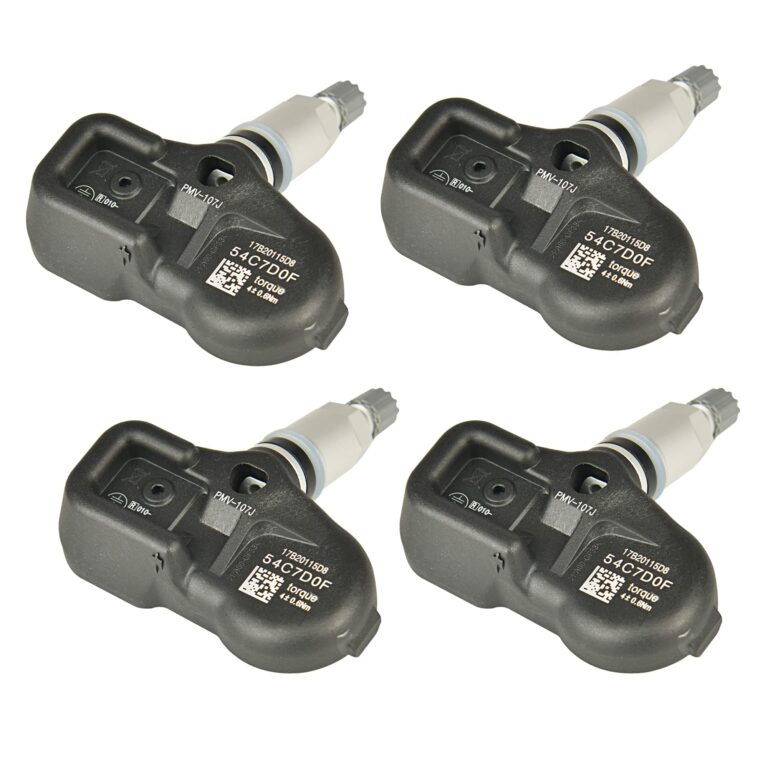
Source: i.ytimg.com
Removing sensors
Removing TPMS sensors usually causes a warning because the vehicle detects missing sensor signals.
Using diagnostic tools
Professional scan tools may access TPMS settings, but available functions vary by vehicle.
Ignoring the warning
Ignoring TPMS alerts removes the benefit of early pressure warnings and does not fix the underlying issue.
When Professional Help Is Recommended
A qualified technician may be needed when the TPMS warning remains after checking tire pressure and performing the recommended reset procedure. This is especially true after tire replacement, wheel changes, or sensor replacement.
Sensor programming
Some replacement sensors require vehicle-specific programming before they communicate correctly.
Electrical diagnosis
Persistent faults may require specialized diagnostic equipment.
Common TPMS Situations and the Best Solution
The right solution depends on why the TPMS warning appears. The table below shows common situations and practical actions.
Source: tpmsreset.com
Cold weather pressure drop
Add air to reach the recommended pressure and allow the system time to update.
New tires installed
Have sensors checked and perform the required relearn procedure.
Old TPMS sensor battery
Replace the sensor if the internal battery has reached the end of its service life.
Aftermarket wheels
Install compatible sensors or follow the vehicle manufacturer’s requirements.
Mistakes to Avoid When Trying to Turn Off TPMS
Many TPMS problems become worse when drivers attempt quick fixes without identifying the cause. Avoiding these mistakes can prevent unnecessary repairs and safety risks.
Source: corwheels.com
Driving with low tire pressure
Do not ignore a low pressure warning because tire damage can occur even when a vehicle still drives normally.
Resetting without checking tires
A reset does not repair a leaking tire or damaged sensor.
Following generic instructions
Always confirm procedures for your exact vehicle because TPMS systems differ.
Frequently Asked Questions
Q
Can I permanently turn off my tire pressure monitoring system?
Most vehicles do not allow owners to permanently disable TPMS through normal controls. Any available option depends on the vehicle manufacturer and model.
Q
Why does my TPMS light stay on after filling my tires?
The system may need time to update, a manual reset, or a relearn procedure. If the light remains, a sensor or system fault may exist.
Q
Will removing TPMS sensors turn off the warning light?
Usually no. Many vehicles detect missing sensors and display a TPMS malfunction warning.
Q
Can cold weather cause a TPMS warning?
Yes. Tire pressure naturally decreases as temperatures drop, which can trigger a low-pressure warning.
Q
Should I disable TPMS for aftermarket wheels?
It is generally better to install compatible TPMS sensors or use a manufacturer-approved solution rather than disabling the system.
✦ Wrapping Up
Conclusion
Learning how to turn off tire pressure monitoring system warnings starts with understanding that TPMS is designed as a safety feature, not a convenience setting. In most cases, the correct fix is identifying why the warning appears and restoring normal operation.
Before attempting any TPMS modification, check tire pressure, inspect the tires, follow the vehicle reset procedure, and seek professional diagnosis if the warning continues.
💡 Key Takeaway
Do not disable TPMS simply to remove a warning light. Find and correct the cause of the warning so your vehicle continues to provide important tire safety information.
Kimberly ensures every piece of content is clear, helpful, and user-friendly. She focuses on creating guides that are easy to read while maintaining accuracy and trust.
Learn the average tire pressure monitoring sensor replacement cost in the USA, including parts, labor, installation factors, warning signs, and money-saving tips.