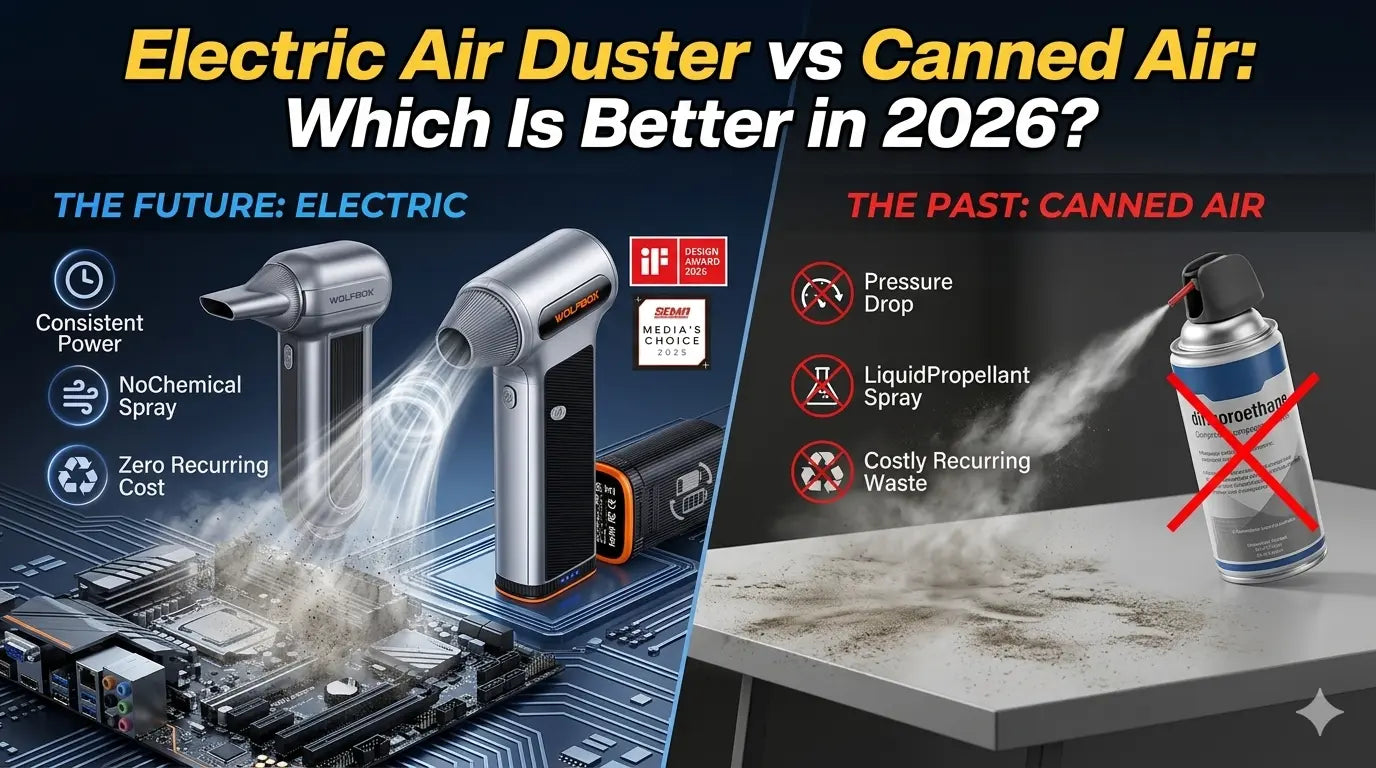
A can of air duster typically costs between $3 and $15, with electric models costing $30–$120.
I’ve tested dozens of cleaning tools and compared prices across retailers, so I’ll walk you through how much does air duster cost, what drives price differences, and how to pick the best value for your needs. Read on for clear price ranges, buying tips, safety notes, and real-world advice from my experience so you can shop smarter and save money.
How much does air duster cost? Overview
Prices vary by type, size, and brand. A single 10–12 ounce canned air duster usually costs $3 to $15. Reusable electric air dusters run from about $30 to $120 depending on features. Bulk packs and specialty nozzles will raise the cost. Knowing how much does air duster cost helps you choose between convenience, safety, and long-term value.

Types of air dusters and typical price ranges
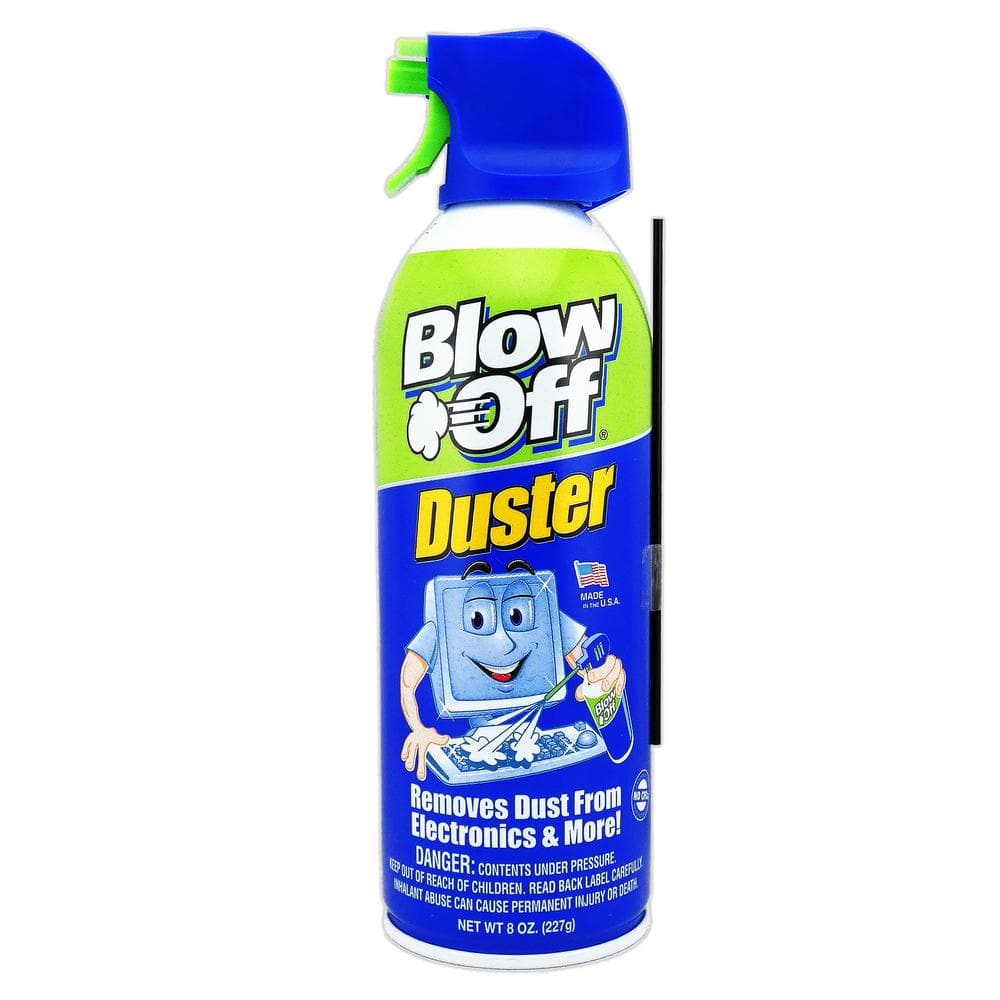
Canned compressed gas
- Typical price: $3 to $15 per can.
- Best for quick, occasional cleaning like keyboards and camera lenses.
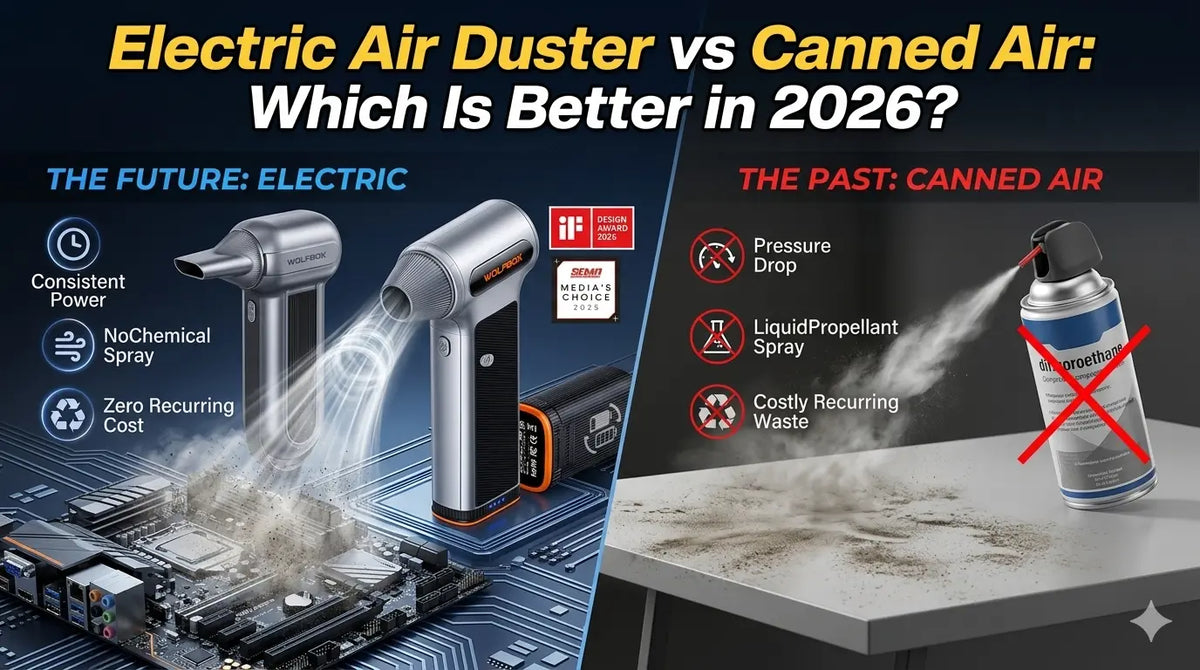
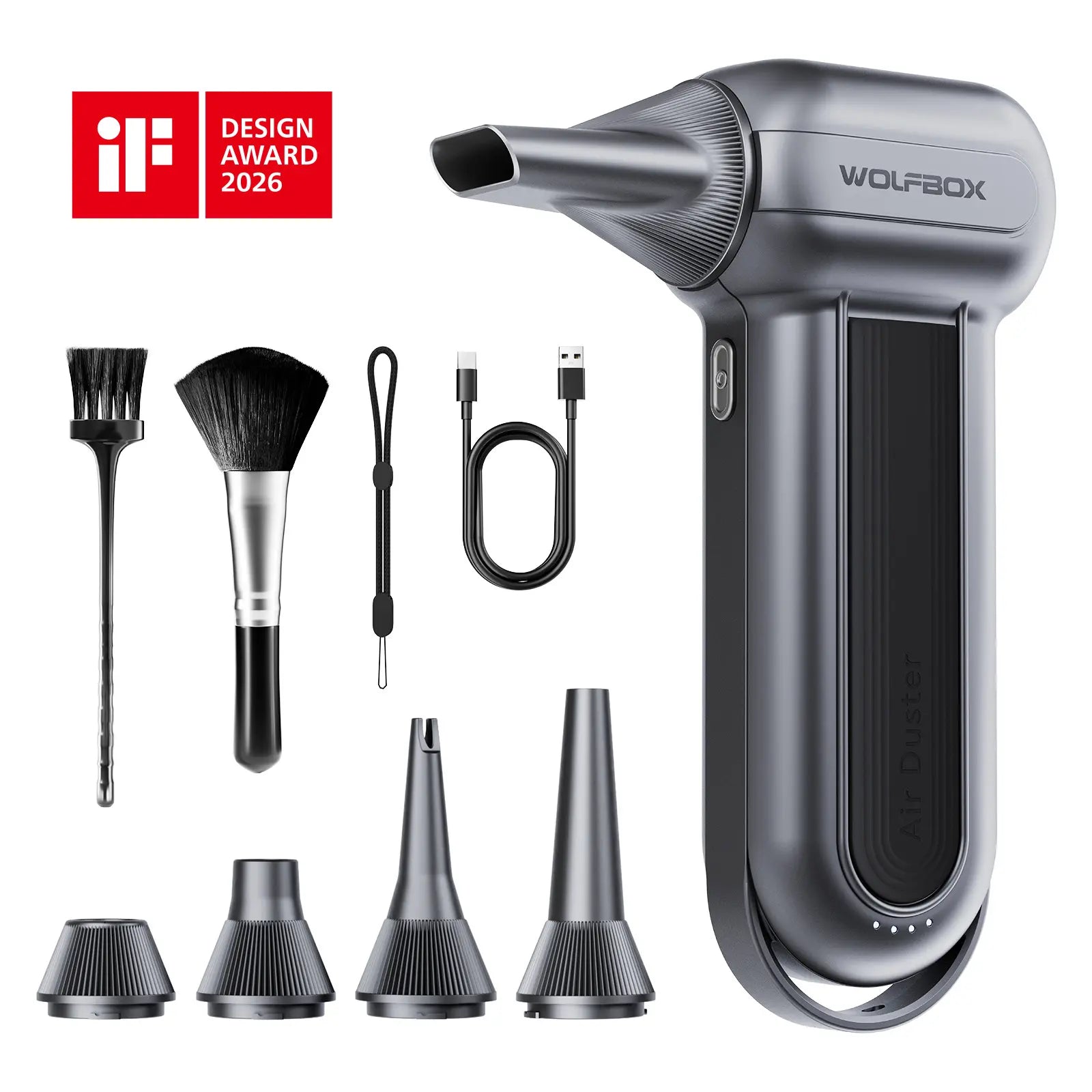
Electric air dusters (rechargeable)
- Typical price: $30 to $120.
- Offer repeated use and lower long-term cost. They are heavier up-front but avoid disposables.
Manual and pump blowers
- Typical price: $10 to $40.
- Good for electronics cameras and small crevices when you prefer no propellants.
Buy-in packs and specialty sizes
- 3–12 pack cans lower per-can cost.
- Large 16–20 ounce cans cost more but last longer.
How much does air duster cost depends on which option suits your routine. If you clean monthly, a reusable model often wins on value.

What affects air duster cost?
Brand and reputation
- Name brands charge more for perceived safety and reliability.
Can size and pressure
- Larger cans cost more. Higher pressure cans can be pricier.
Propellant type and safety features
- Non-flammable or low-GWP (global warming potential) propellants raise prices.
- Anti-static or long-reach nozzles add cost.
Retailer and packaging
- Office supply stores often charge more than big online retailers.
- Multipacks lower per-item cost but increase upfront spend.
Geography and regulations
- Areas with strict chemical rules can see higher costs. That changes how much does air duster cost locally.
Calculating cost per use and value
Estimate usage
- A typical small can yields 20–50 short bursts. That means each burst costs a few cents to a dollar.
Example math
- If a $10 can gives 40 useful bursts, cost per burst = $0.25.
- If an electric duster costs $60 and lasts 3 years with monthly use, monthly cost = $1.67.
Consider indirect costs
- Disposal fees for cans can apply in some regions.
- Time saved and lower risk of damage with a better unit are part of the real value.
How much does air duster cost per use? Run the numbers for your cleaning pattern to find the cheapest long-term option.
Quick PAA-style questions
How long does one can last?
- One can usually lasts for several months with light use or weeks with heavy use. It depends on burst length and frequency.
Are electric dusters cheaper over time?
- Yes, electric dusters typically become cheaper after several months if you use them regularly. Initial cost is higher but they avoid repeat purchases.
Can you refill canned air dusters?
- Most canned air dusters are single-use and not refillable due to pressurization and safety. Reusable electric units are the refill-free option.
Where to buy air dusters and how to save money
Best places to buy
- Online marketplaces often have the lowest prices and bulk options.
- Big-box retailers and office stores are convenient for same-day needs.
Saving tips
- Buy multi-packs to reduce per-can cost.
- Watch for seasonal sales like back-to-school or Black Friday.
- Try refurbished electric models for a discount.
Compare features, not just price. A cheaper can without safety labels can cost you more if it causes damage.
Safety, environmental impact, and regulations
Propellants and environmental cost
- Older cans used ozone-depleting chemicals; modern cans use HFCs or HFOs with varying environmental impact.
- Low-GWP options cost more but are better for the planet.
Flammability and misuse
- Some propellants are flammable. Check labels before using near heat or electronics.
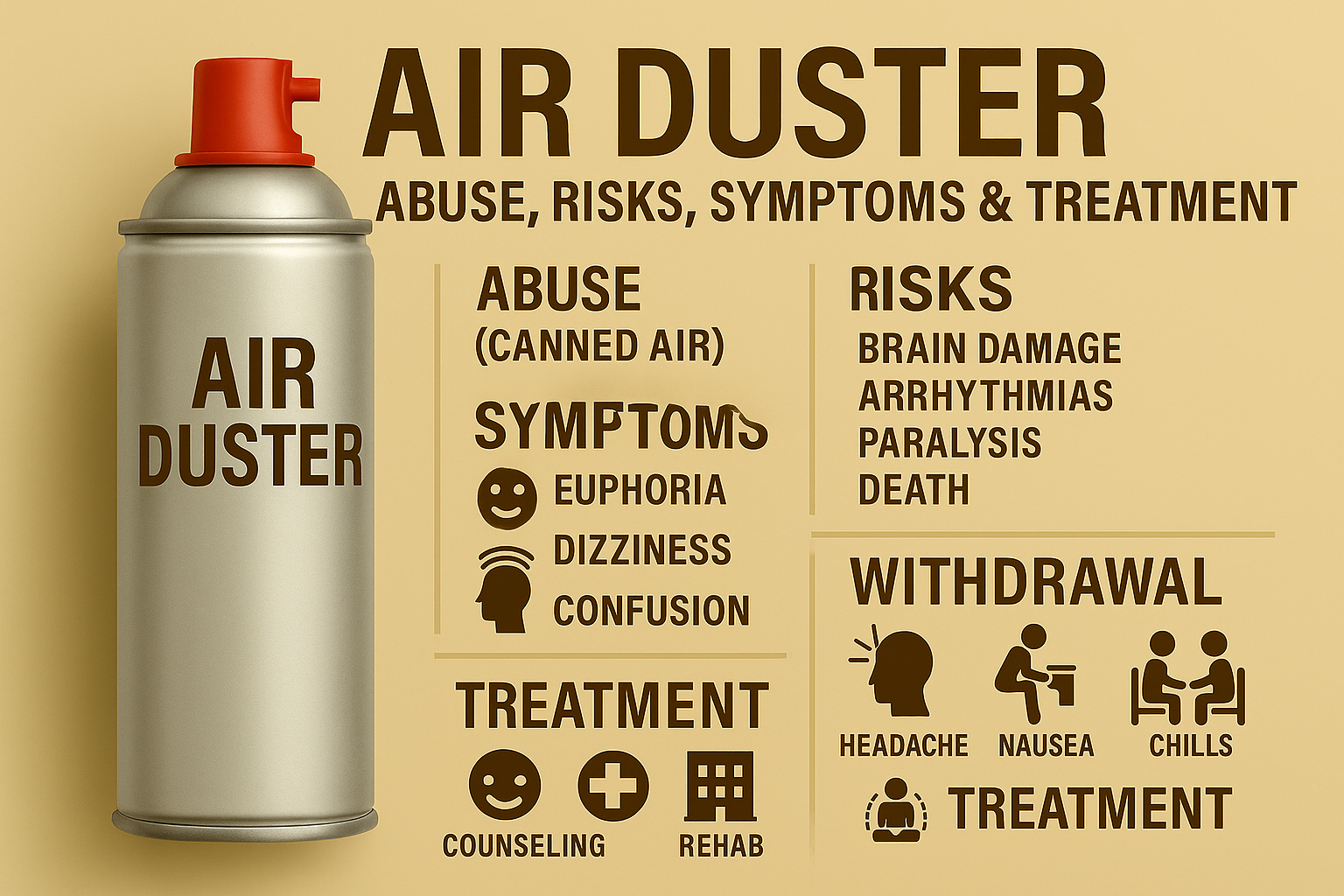
- Avoid inhalant abuse risks and keep cans away from children.
Disposal rules
- Many areas require special disposal for pressurized cans. This can add a small hidden cost.
When you ask how much does air duster cost, include these safety and disposal considerations in your total cost estimate.
 dusters”
style=”max-width: 100%; height: auto; border: 2px solid black; border-radius: 10px; display: block; margin: 0 auto;”
loading=”lazy”
/>
My experience testing air dusters
I used canned dusters for years for quick fixes. They were cheap and handy. But I switched to a rechargeable electric duster after frequent use. The electric model cost more up-front. It saved money and time over a year. I learned to:
- Buy a unit with a comfortable nozzle and stable base.
- Avoid using compressed gas too close to delicate parts.
- Factor in disposal rules for cans.
My mistake: buying the cheapest can without checking propellant type. It left residue and worried me. After switching, I found the quieter electric option better for regular household use.
Alternatives and when to choose them
Use a soft brush or microfiber cloth for gentle cleaning. Use a vacuum with a brush attachment for large dust loads. Use a blower for camera gear and sensitive electronics when you want no propellants. Choosing an alternative affects how much does air duster cost in practice, because reusable tools often lower lifetime cost.

Frequently Asked Questions of how much does air duster cost
What is the average price of a canned air duster?
A single canned air duster typically costs $3 to $15 depending on size and brand. Multipacks reduce the per-can price.
How much does an electric air duster cost?
Electric air dusters usually range from $30 to $120. Higher-end models with brushless motors and extra nozzles cost more.
Are low-cost air dusters worth it?
Low-cost cans can work for occasional tasks but may use cheaper propellants or leave residue. For frequent use, a mid-range product or electric duster gives better value.
Do prices vary by retailer?
Yes. Online retailers and wholesale stores often offer lower prices than small local shops. Sales and subscriptions can further reduce cost.
How should I budget for ongoing cleaning needs?
Estimate how often you clean and how many cans you’d use per year. Compare that to the upfront cost of a reusable electric duster to choose the cheaper long-term option.
Conclusion
You can spend as little as $3 for a single can or invest $30–$120 for a reusable electric air duster. How much does air duster cost for you depends on use frequency, safety preferences, and environmental concerns. Run the simple cost-per-use math I showed, factor in disposal and safety, and choose the option that fits your routine. Try a multipack for occasional use or a rechargeable unit if you clean monthly—then share your results or questions below to keep the conversation going.