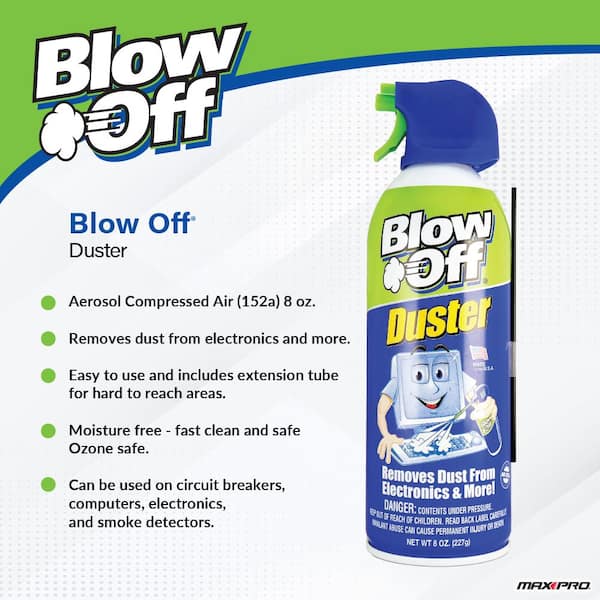
Air duster can harm you: mild irritation to severe organ damage if inhaled or abused.
I have worked for years as an electronics technician and trainer, and I’ve seen firsthand both safe and unsafe uses of compressed air cans. This article explains clearly how bad is air duster for you, what is inside the cans, the short- and long-term health risks, safe use tips, first-aid steps, and practical advice from real-world experience so you can protect yourself and others.

What is in air duster and why it matters
Air duster cans do not hold air. They contain compressed propellants such as difluoroethane, tetrafluoroethane, or other fluorinated hydrocarbons. These chemicals evaporate quickly and are good at blowing dust, but they can be harmful if inhaled or if they contact skin and eyes.
Key facts to know:
- The fluids and gases are cold when released and can cause frostbite with direct skin contact.
- The propellants are heavier than air and can displace oxygen in small spaces.
- Some cans include small amounts of additives for flame resistance.
Understanding ingredients helps answer how bad is air duster for you. The risk depends on exposure level, route (inhaled, skin, eye), and whether someone uses the product as intended or abuses it.

Short-term effects: what happens after normal use and accidental exposure
When used correctly for quick dusting, most people experience no major problems. Common short-term effects from accidental exposure include:
- Mild headache or dizziness after breathing fumes in a tight room.
- Throat or eye irritation from spray contact.
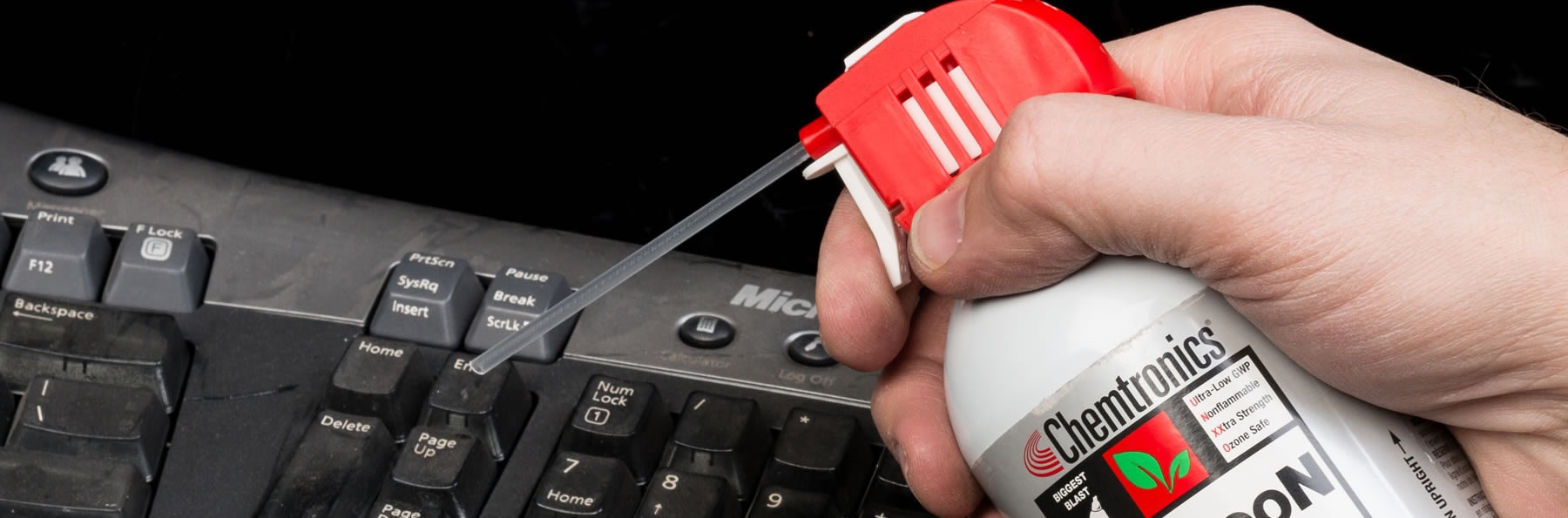
- Cold burns or frostbite from direct skin spray.
- Lightheadedness or nausea if someone inhales concentrated vapor.
If someone inhales intentionally or deeply, they may suffer sudden heart rhythm changes, fainting, or loss of consciousness. That is why first aid and quick response matter.

Long-term and severe risks: abuse, repeated exposure, and organ damage
Occasional proper use has low long-term risk. Repeated exposures or recreational inhalation (huffing) change the picture dramatically. Long-term and severe risks include:
- Brain injury from oxygen deprivation during heavy inhalation.
- Heart damage and sudden cardiac arrest linked to volatile propellants.
- Lung damage from cold vapor and chemical irritation.
- Liver and kidney stress with repeated heavy exposure.
Research and clinical reports show that abuse can lead to lasting neurological deficits. This shows why asking how bad is air duster for you matters beyond simple caution.
Vulnerable groups: who is at higher risk
Some people face higher risks from air duster use or exposure. These include:
- Children and teens, who may experiment with inhalants.
- People with heart or lung disease.
- Pregnant people, where fetal oxygen loss is a concern.
- Pets, who are often closer to spraying surfaces and can inhale vapors.
If you care for any vulnerable person, take extra precautions. Store cans securely and use them in well-ventilated areas only.

Safe use tips and practical precautions
You can reduce risk with simple habits. Follow these steps whenever you use air duster cans:
- Read the label before use and follow all directions.
- Use in a well-ventilated space or outdoors.
- Keep the can upright and avoid tilting or shaking it vigorously.
- Never spray directly onto skin, eyes, or into enclosed breathing zones.
- Store cans out of reach of children and away from heat sources.
- Never inhale, sniff, or use the product to feel a high.
From my shop experience, a clean workspace and a small extension nozzle reduce the need to get too close and cut accidental skin contact.
First aid: what to do after exposure or inhalation
If contact or inhalation happens, act quickly. Basic steps help prevent serious harm:
- Move the person to fresh air immediately if they inhale fumes.
- If skin frostbite occurs, warm the area gently with lukewarm water; do not rub.
- Flush eyes for 15 minutes if spray contacts them and seek medical attention.
- If someone becomes dizzy, confused, or loses consciousness, call emergency services right away.
- Do not induce vomiting if the product is swallowed; get medical advice.
Keep the product label when seeking medical help. That helps clinicians know the likely chemicals involved.

Environmental and disposal concerns
Air duster propellants can affect the environment. They are often greenhouse gases and may contribute to warming when released in quantity. Proper disposal matters:
- Do not puncture or incinerate empty cans.
- Take empty cans to household hazardous waste collection if available.
- Avoid releasing large amounts of propellant indoors or outdoors intentionally.
Small, normal household use has limited impact, but bulk releases and improper disposal raise both safety and environmental issues.
Personal experience and lessons learned
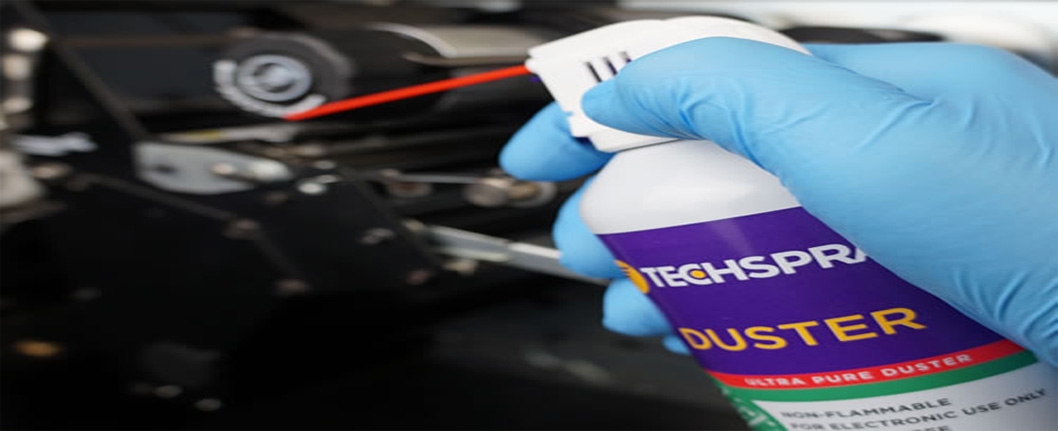
Years in the repair trade taught me practical lessons about how bad is air duster for you. I once nearly froze my thumb by testing a nozzle too close while clearing a keyboard. I now wear thin gloves when I clean spot areas and always hold cans upright.
Lessons that helped:
- Use short bursts and keep distance to avoid skin contact.
- Replace compressed air with a safe vacuum for repeated jobs.
- Educate young people about the real risks of inhalant abuse—stories and facts work better than scolding.
Sharing these real moments makes safety feel doable and not alarmist.

My recommendations for safer alternatives
If you want to avoid the risks of air duster, consider these alternatives:
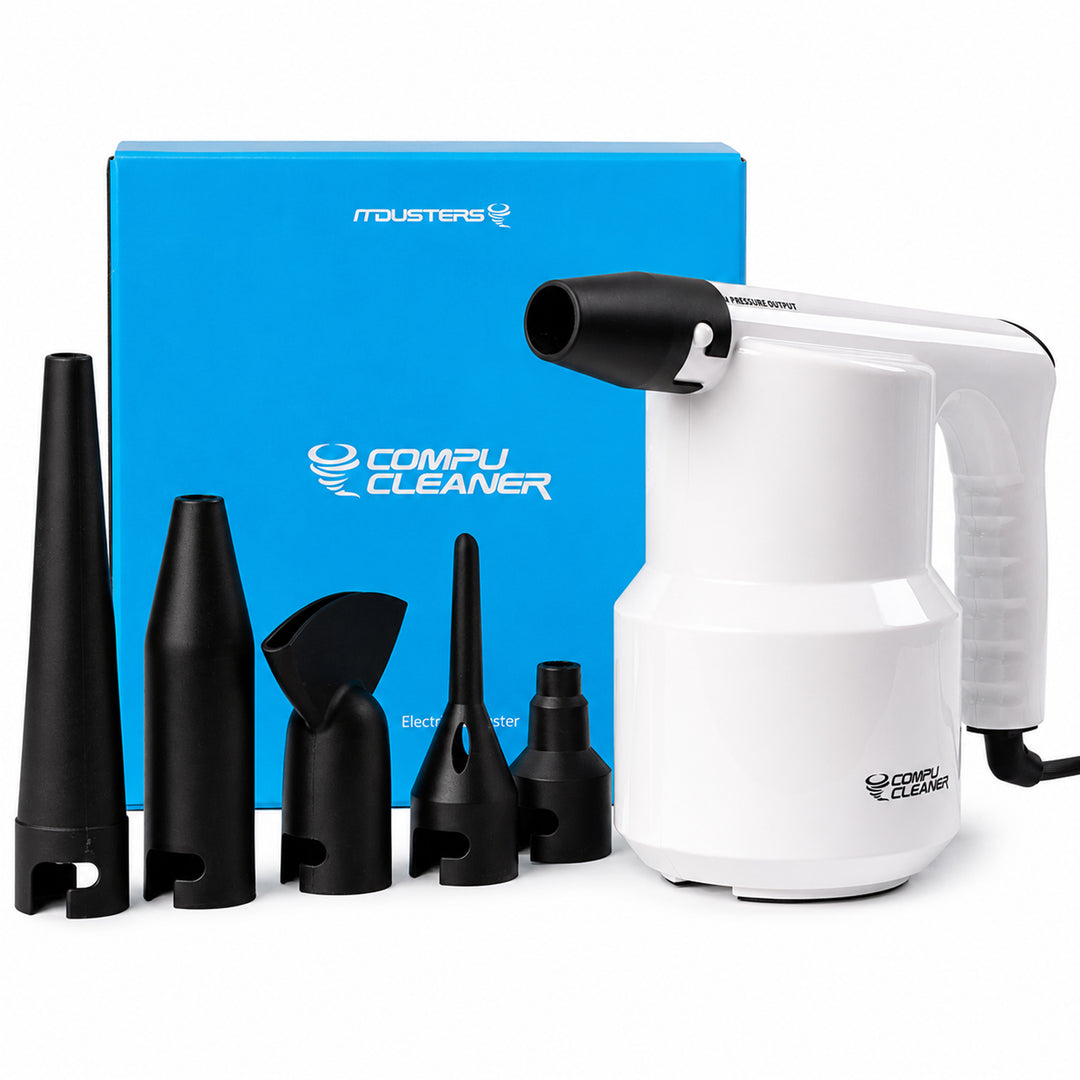
- Use an electric blower or vacuum designed for electronics.
- Use microfiber cloths and a soft brush to remove settled dust.
- Use canned air only for occasional, targeted jobs and follow safety tips.
Alternatives cut the question of how bad is air duster for you down to near zero for daily use.
Frequently Asked Questions of how bad is air duster for you
Can air duster cause permanent brain damage?
Yes, heavy or repeated inhalation that deprives the brain of oxygen can cause lasting neurological harm and cognitive problems.
Is it dangerous to spray air duster near a laptop or phone?
Spraying at a safe distance briefly is usually fine, but direct spray onto components can cause condensation, frost damage, or push liquids into ports.
Can pets be harmed by air duster use?
Pets are sensitive; vapors and cold spray can irritate their airways and skin, so keep them away during use and store cans safely out of reach.
What should I do if someone inhales air duster intentionally?
Move them to fresh air, monitor breathing and consciousness, and seek emergency medical care immediately as serious heart and brain effects can occur.
Are there safer products for cleaning electronics?
Yes, electric air blowers, vacuum cleaners with soft nozzles, and anti-static brushes reduce the need for canned gases and lower health risks.
Conclusion
Air duster has real benefits for cleaning, but it also carries real risks. Short, careful use in well-ventilated areas is low risk, while misuse, repeated exposure, or intentional inhalation can cause serious harm. Take practical steps: follow label directions, use safe alternatives when possible, secure cans away from kids and pets, and respond fast if exposure occurs.
Make a small change today: switch to a blower or set a clear safety rule for canned air in your home or workplace. If this article helped, leave a comment, share your experience, or subscribe for more practical safety tips.