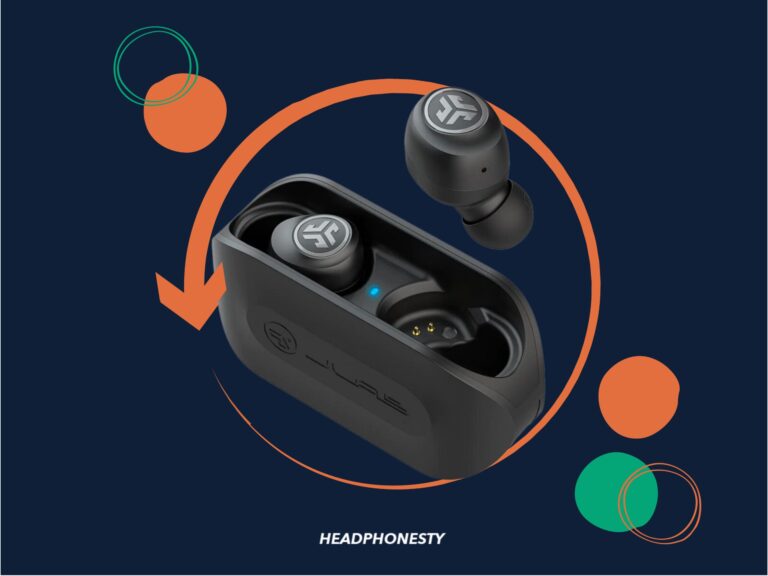
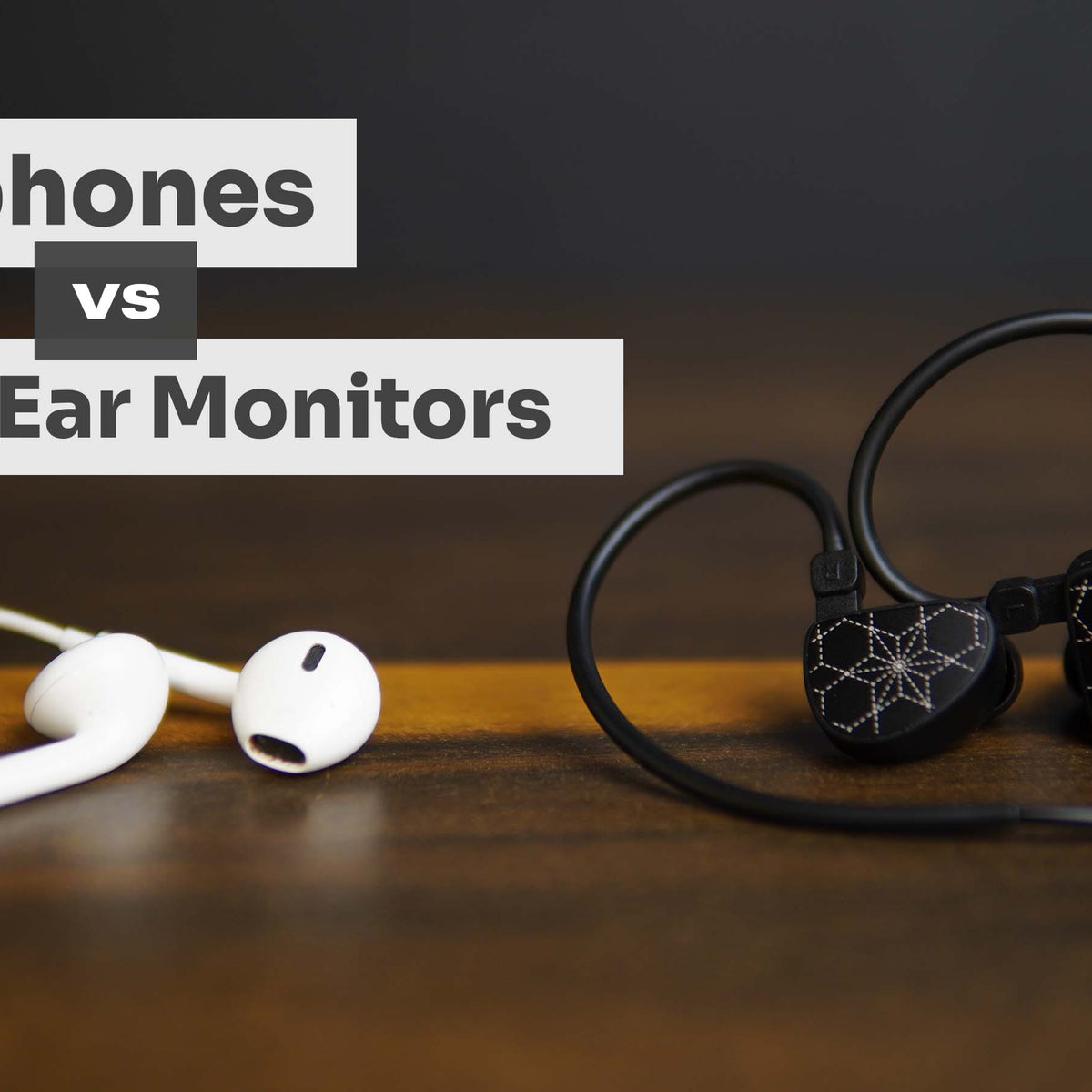
In-ear monitors are pro-grade, tuned for clarity and isolation; earbuds focus on comfort and casual listening.
I have spent years working with live audio and testing headphones. I will walk you through how are in-ear monitors different from earbuds in clear, simple terms. You will learn the technical differences, real-world uses, and how to pick the right option. I explain driver types, fit, noise isolation, sound tuning, durability, and cost. I also share hands-on tips from my time on stage and in the studio to help you choose with confidence.

What each product is: basic definitions and purpose
In-ear monitors (IEMs) are audio devices made for accurate sound and tight isolation. Musicians and audio pros use them to hear mixes on stage or in the studio. They are tuned for clarity and detail.
Earbuds are consumer devices made for casual music, calls, and everyday use. Many earbuds aim for comfort, convenience, and wireless features more than extreme accuracy.
Key differences at a glance:
- IEMs aim for precise sound and isolation.
- Earbuds aim for comfort, convenience, and Bluetooth features.
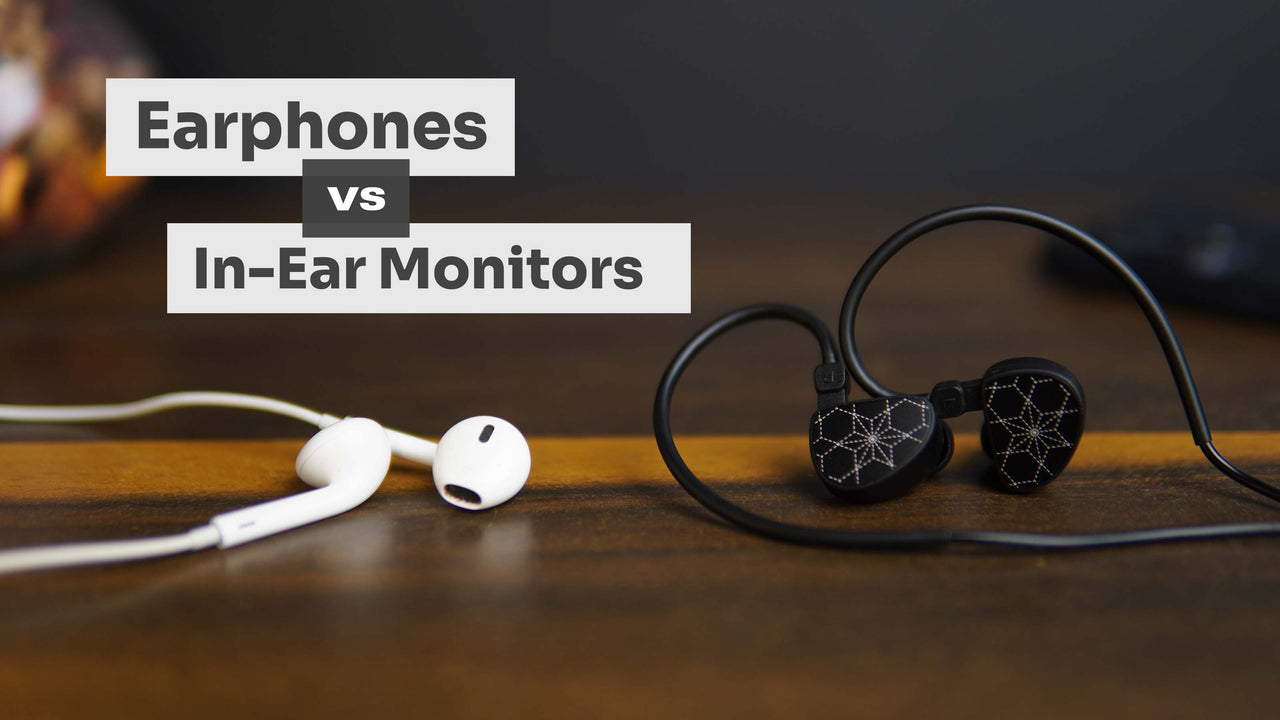
The phrase how are in-ear monitors different from earbuds shows up in many searches. People want to know which to use for work, travel, or music listening. This guide answers that clearly and simply.
Design and fit: how form affects function
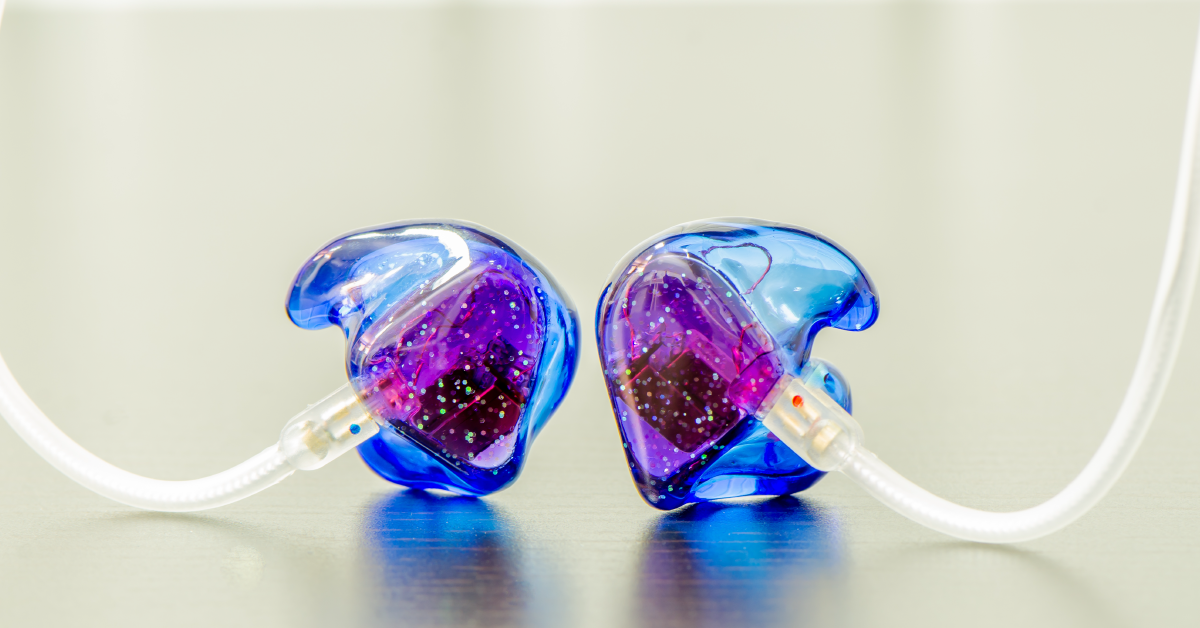
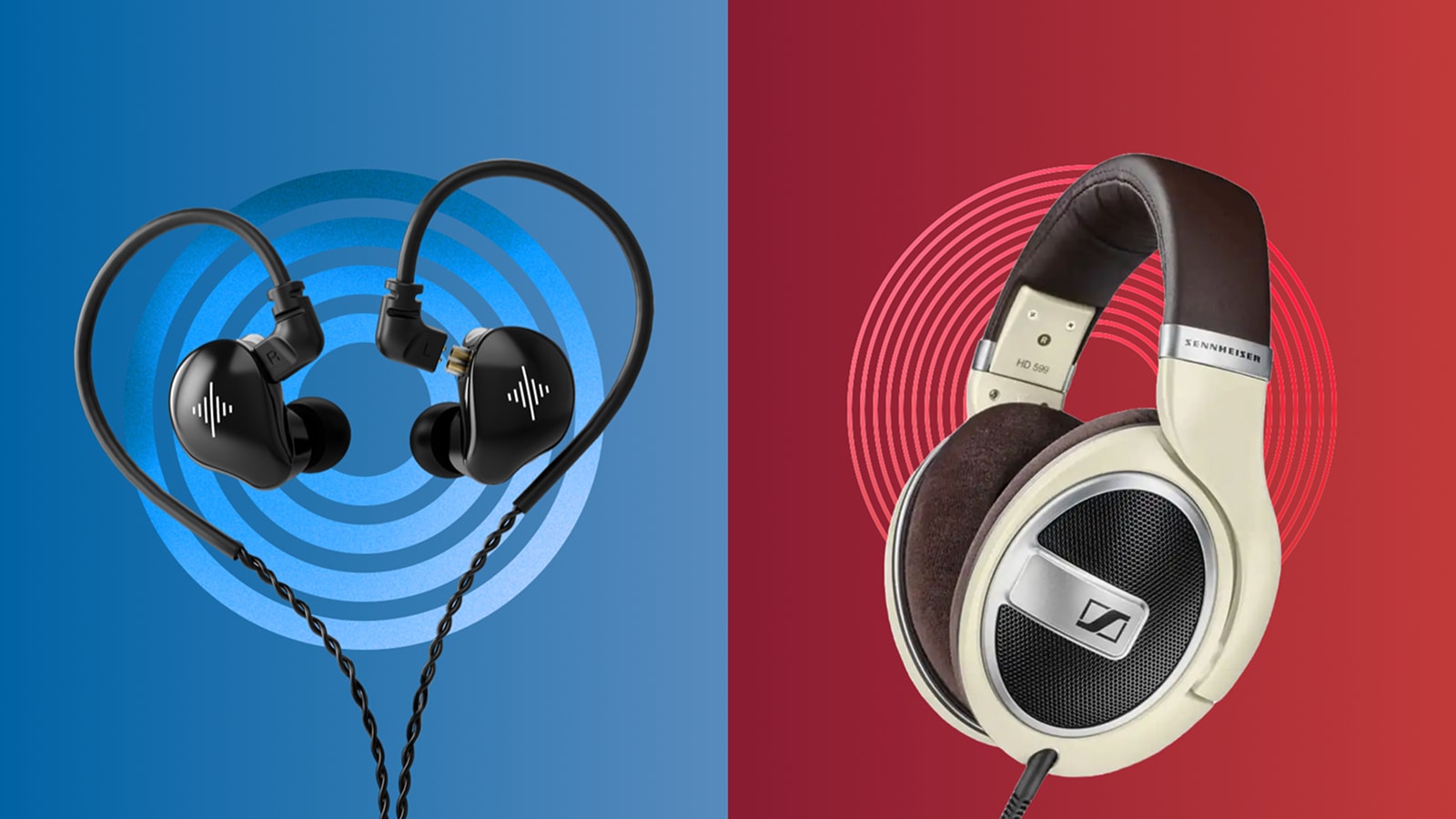
Fit and seal matter a lot. IEMs are built to seal the ear canal. This seal blocks outside noise and keeps the sound direct. Many IEMs come as custom molds. Custom IEMs are shaped to your ear for a perfect fit.
Earbuds sit in the outer ear. They rarely seal the ear canal fully. This makes them less isolating. They are easier to put on and take off. They also feel less “in your head” than IEMs.
Design points:
- IEMs
- Deep fit that seals the ear canal.
- Custom and universal tips available.
- Cables are often detachable and replaceable.
- Earbuds
- Shallow fit resting at ear entrance.
- Usually one-piece design.
- Focus on comfort and low weight.
How are in-ear monitors different from earbuds? Fit and seal are core differences. The fit changes isolation, bass response, and how you hear stage or ambient sound.
Drivers and sound tuning: clarity versus consumer flavor
Drivers are the engine of sound. IEMs use multiple driver types and complex crossovers. Common driver types in IEMs include:
- Balanced armature drivers for detail.
- Dynamic drivers for bass and warmth.
- Hybrid combinations to get the best of both.
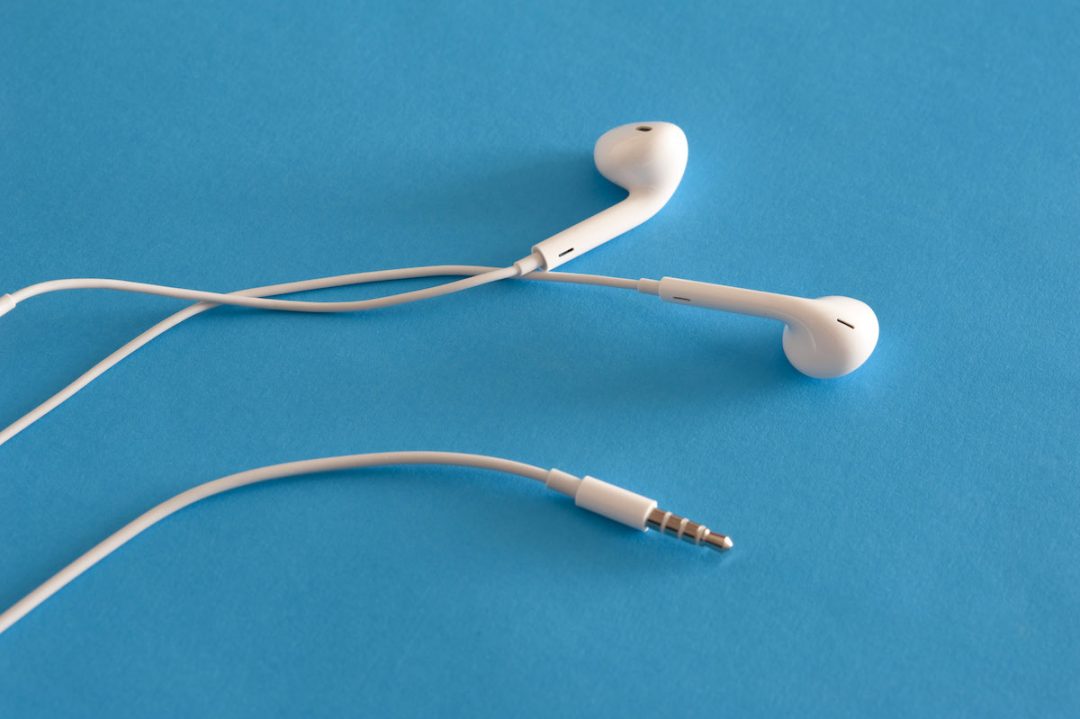
Earbuds usually use single dynamic drivers. They are tuned to sound good to broad listeners. Many earbuds boost bass and forgo critical detail. Consumer tuning often favors a fun, lively sound.
Sound tuning aspects:
- IEMs
- Neutral or reference tuning is common.
- Emphasis on clarity, midrange, and accurate stage cues.
- Lower distortion at high volumes.
- Earbuds
- V-shaped or bass-forward tuning is common.
- Designed to be pleasing at low power and on Bluetooth codecs.
When people ask how are in-ear monitors different from earbuds, the answer often points to drivers and tuning. IEMs give an honest picture of the audio. Earbuds give a more pleasing picture for casual listening.
:max_bytes(150000):strip_icc()/Earphones-vs-Earbuds-f341ad339122405c96d839b6b0da30f3.jpg)
Noise isolation and passive versus active cancellation
Isolation can change your listening experience. IEMs provide strong passive isolation by sealing the ear canal. This helps on noisy stages and in loud places.
Earbuds rarely provide strong passive isolation. Some earbuds include active noise cancellation (ANC). ANC helps reduce steady background noise, like airplane hum. It does not always match the passive, full-spectrum isolation of well-fitted IEMs.
Points to consider:
- Passive isolation in IEMs reduces stage bleed and helps with on-stage mixes.
- ANC in earbuds works well for travel and offices but can color the sound.
- IEMs combined with ANC are rare in professional settings because they can affect stage awareness.
If you search for how are in-ear monitors different from earbuds, remember isolation is a major practical difference. Better isolation changes the way you mix, perform, and enjoy music.
Use cases and real-world scenarios
Different jobs need different tools. IEMs are common in:
- Musicians on stage who need a clean mix.
- Sound engineers monitoring live mixes.
- Studio pros who need an honest reference.
Earbuds are common for:
- Commuters and travelers.
- Casual listeners and podcast fans.
- Phone calls and daily wireless use.
Real examples from my experience:
- On stage, I used IEMs to hear click tracks and a clear vocal mix. This kept timing tight and reduced monitoring issues.
- On a long flight, I used ANC earbuds for low fatigue and easy comfort.
- In a small studio, I used neutral IEMs to check vocal takes without room reflections.
These use cases show why people often ask how are in-ear monitors different from earbuds. The choice depends on what you need to do with them.
Comfort, durability, and maintenance
Comfort is personal. Some people prefer the shallow fit of earbuds all day. Others like the secure feel of IEMs. IEMs can feel tight at first. Good tips and breaks help.
Durability often favors IEMs in professional builds. Many IEMs have stronger cables and metal housings. Custom IEMs can last years when cared for. Earbuds, especially budget models, can be fragile.
Maintenance tips:
- IEMs
- Clean tips and filters regularly.
- Replace cables if detachable.
- Store in a hard case to avoid moisture damage.
- Earbuds
- Wipe the mesh often.
- Replace silicone tips as they wear.
- Charge case maintenance is important for wireless models.
When asking how are in-ear monitors different from earbuds, think long term. Pro gear often costs more but also lasts longer and is serviceable.

Price and value: investment versus convenience
Price ranges widely. High-end IEMs and custom monitors can cost hundreds to thousands. They are an investment for pro use. Many consumer earbuds are priced to be affordable. Premium true wireless earbuds can also be costly but typically still less than top-tier custom IEMs.
Value checklist:
- Do you need pro accuracy or daily comfort?
- Will you use them for work or casual listening?
- Do you want repairability and long-term service?
My advice: buy the right tool for your needs. I once bought mid-tier earbuds when I needed travel convenience. Later, I invested in IEMs for stage work. Each served a clear role.
How to choose: a simple buying guide
Follow a few steps to decide:
- Define the main use
- Stage or studio: choose IEMs.
- Travel or daily commuting: choose earbuds.
- Test fit and seal
- Try tips for IEMs to get a good seal.
- Check comfort for long use.
- Check driver and tuning
- Look for neutral tuning for work.
- Choose bass-forward sounds for casual fun.
- Consider features
- ANC, wireless codecs, and battery life for earbuds.
- Detachable cables and replaceable parts for IEMs.
- Budget and service
- Factor in repairs, custom molds, and accessories.
These steps help answer the main search: how are in-ear monitors different from earbuds. They guide you to a choice that fits your needs.

Personal experience: lessons, tips, and mistakes to avoid
I have used both IEMs and earbuds for work and travel. Here are clear tips from that experience:
- Always try sound in store if you can. Fit changes sound drastically.
- Do not crank volume to make up for poor fit. That harms hearing.
- For stage mixes, invest in a good IEM with detachable cable.
- For travel, pick earbuds with long battery life and reliable ANC.
- If choosing custom IEMs, budget for refits and cleaning.
Mistakes I made:
- Buying cheap IEMs without trying tips. The fit was wrong and sound was poor.
- Using wireless earbuds for live monitoring. Latency and reliability caused issues.
These lessons show real-world answers to how are in-ear monitors different from earbuds. Use them to avoid common pitfalls.
Frequently Asked Questions of how are in-ear monitors different from earbuds
What exactly makes IEMs better for stage use?
IEMs offer tight isolation and precise sound. That lets musicians hear mixes clearly and protect their ears from stage volume.
Can earbuds ever replace IEMs for live monitoring?
Not reliably. Earbuds usually lack the seal, detail, and wired stability professionals need on stage.
Are custom IEMs worth the cost?
Yes for pro use. Custom IEMs fit your ear and provide better isolation and comfort over long shows.
Do earbuds have better battery life than wireless IEMs?
Often yes. Many true wireless earbuds prioritize battery life and Bluetooth efficiency. Wired IEMs have no battery limit.
Will Bluetooth latency affect IEMs or earbuds during performance?
Bluetooth latency can be an issue for live monitoring. Wired IEMs avoid latency and are preferred for on-stage use.
How do sound signatures differ between IEMs and earbuds?
IEMs tend to be more neutral and detailed. Earbuds often emphasize bass and treble for a lively sound.
Can I use IEMs for commuting and travel?
Yes, but comfort varies. A good seal helps block noise, but some people prefer the lighter feel of earbuds for long flights.
Conclusion
Choosing between IEMs and earbuds starts with one question: what will you use them for? IEMs serve professionals who need accuracy, isolation, and durability. Earbuds serve casual listeners who value comfort, wireless features, and convenience. Use the checklist above to match your needs, try gear where possible, and prioritize fit and sound. If you perform or mix audio, start with IEMs. If you commute and want easy listening, earbuds are the best pick. Take action: test a few models, note the fit, and pick the option that aligns with your daily needs. Share your experience or questions below, or subscribe for gear guides and test notes.