A black webcam usually comes from a blocked lens, privacy setting, app conflict, driver error, or a faulty camera.
Wondering why is my webcam black can be frustrating, especially when a meeting is about to start. The good news is that most webcam problems have a simple fix. This guide explains the common causes, clear troubleshooting steps, and signs that your camera may need repair.
Why Is My Webcam Black?
A webcam can show a black screen when your computer detects the camera but cannot receive a usable image. The lens may be covered, the camera may lack permission, or another app may already be using it.
Sometimes the webcam works but receives too little light. In other cases, a damaged cable, outdated driver, or camera shutter can block the video feed.
The most common causes include:
• A physical privacy shutter is closed
• The lens is covered or dirty
• Your app lacks camera permission
• Another program is using the webcam
• The webcam is disabled in system settings
• The camera driver is outdated or damaged
• Your browser has blocked camera access
• The camera has a hardware fault
• Poor lighting makes the image look completely black
If your webcam light turns on but the preview stays black, the issue is often related to software, permissions, or the camera app. If the light never turns on, check the connection, device settings, and hardware.

Quick Checks Before Changing Settings
Start with the easy checks. They take less than a minute and often solve why is my webcam black without deeper repairs.
- Open the laptop lid fully and check the webcam area.
- Look for a small slider or switch near the camera.
- Remove any tape, sticker, screen cover, or dust from the lens.
- Restart the computer.
- Close Zoom, Microsoft Teams, Google Meet, Discord, Skype, and other camera apps.
- Open the built-in camera app.
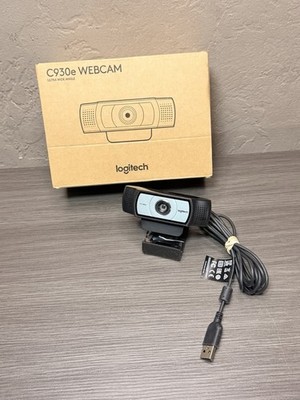
- If you use a USB webcam, unplug it and connect it to another USB port.
- Check whether the webcam has a power light.
A closed privacy shutter is easy to miss. Many laptops include a tiny sliding cover that sits beside the lens. When it is closed, the camera may appear black even though the system sees the device.
Also check the camera angle and room light. A bright window behind you can make your face look dark, but it should not usually create a fully black screen. Try facing a lamp or window, then test the webcam again.

Check Your Webcam Privacy Settings
Privacy controls are a leading reason why is my webcam black on Windows and macOS. Modern systems can block camera access for the whole computer or for one app.
Windows 11 and Windows 10
- Open Settings.
- Select Privacy & security.
- Choose Camera.
- Turn on Camera access.
- Turn on Let apps access your camera.
- Turn on the permission for desktop apps.
- Check that your meeting app has access.
Windows may list desktop apps as one group rather than showing every program. If a browser or meeting app is missing from the list, make sure desktop camera access is enabled.
Then open the app’s own settings. In Zoom, Teams, and similar tools, select the correct camera from the video menu. Your computer may have selected a virtual camera, capture card, or disconnected webcam instead.
macOS
- Open the Apple menu.
- Select System Settings.
- Choose Privacy & Security.
- Select Camera.
- Allow access for the app you want to use.
- Quit and reopen that app.
macOS may require you to close the app before the new permission takes effect. A full restart can also help when the camera service does not refresh correctly.
Never allow camera access to an app you do not recognize. Camera permissions protect your privacy, so grant access only to trusted programs.
Test the Camera in a Different App
Testing the camera in another app helps you find the source of the problem. If the webcam works in the built-in Camera app but looks black in Zoom, the webcam itself may be fine.
Try these tests:
• Use the Windows Camera app
• Open Photo Booth on a Mac
• Test the camera in a browser meeting site
• Use the webcam preview in your security or recording software
• Try a different video call app
If the image works in one app, check the first app’s camera selection, permissions, and video settings. It may be using the wrong camera or applying a dark filter.
If every app shows black video, focus on system permissions, drivers, connections, and hardware. This simple test can save time because it tells you whether the problem is local to one program.
I have seen many webcam issues blamed on a broken camera when the app was simply set to a virtual camera. A quick test in the built-in camera app is one of the best troubleshooting habits.

Fix Webcam Problems in Zoom, Teams, and Google Meet
If why is my webcam black only happens during video calls, the meeting app may be the cause. Most platforms let you choose a camera in their settings.
Zoom
Open Settings, select Video, and choose your webcam from the camera list. Check the preview before joining a meeting.
If the preview is black, close Zoom completely. Then reopen it after closing other programs that may use the camera.
Microsoft Teams
Open Settings, select Devices, and find the Camera section. Choose the correct device and check the preview.
Teams can sometimes keep a camera session active after a call ends. Closing Teams from the taskbar notification area can release the camera.
Google Meet
Before joining, select the three-dot menu and open Settings. Choose Video, select the correct camera, and confirm that your browser has permission.
In Chrome, select the camera icon near the address bar. Allow camera access for the meeting website, then reload the page.
Also check these app settings:
• Turn off background blur or unusual video effects
• Disable automatic framing if it causes display problems
• Remove virtual camera software
• Update the meeting app
• Leave other video calls before testing again

Update or Reinstall the Webcam Driver
A driver allows Windows to communicate with the camera. If the driver is old, damaged, or incompatible, why is my webcam black may continue even when permissions look correct.
Update the driver on Windows
- Right-click the Start button.
- Open Device Manager.
- Expand Cameras or Imaging devices.
- Right-click your webcam.
- Select Update driver.
- Choose automatic search.
If Windows cannot find a newer driver, visit the computer maker’s official support page. Download the driver for your exact model and Windows version.
Avoid random driver download sites. They can provide incorrect files or unwanted software.
Reinstall the driver
If updating does not help, open Device Manager again. Right-click the webcam, select Uninstall device, and restart the computer. Windows will often reinstall the camera driver automatically.
Some laptops use special camera drivers from the manufacturer. If the camera stopped working after a system update, check the manufacturer’s support page for a newer driver or firmware update.
On a Mac, camera drivers are usually built into macOS. Install available system updates, then restart the Mac. For an external webcam, install software only from the manufacturer’s trusted website.

Check Browser Camera Permissions
A browser can block your webcam even when the operating system allows it. This is a common reason why is my webcam black on Google Meet, online interview sites, and browser-based recording tools.
In Chrome or Edge:
- Open the website that needs the camera.
- Select the lock or settings icon near the address bar.
- Set Camera to Allow.
- Choose the correct webcam.
- Reload the page.
In Firefox, open Settings, select Privacy & Security, and review camera permissions. Remove the blocked website or allow it again when prompted.
If the camera still does not work, clear the site permission and reload the page. Also check whether a browser extension is blocking camera access. Privacy tools can sometimes prevent video websites from reaching the webcam.
Only allow camera access on sites you trust. A browser permission gives that website the ability to use the camera while the permission remains active.
Improve Lighting and Camera Image Quality
Poor lighting can make a webcam image look black, gray, or very dark. Small laptop webcams need enough light to create a clear image.
Try these changes:
• Face a lamp or window
• Keep bright light in front of you, not behind you
• Wipe the lens with a soft microfiber cloth
• Turn off extreme low-light filters
• Increase exposure or brightness in the camera app
• Move away from a dark wall or shadow
• Avoid pointing the camera at a bright screen
Do not use harsh light directly against your face. A lamp placed slightly to one side often gives a softer image.
A dirty lens can also reduce light. Oils from your fingers can create a cloudy image, while dust can make the picture look dull. Clean the lens gently and avoid spraying liquid directly onto the camera.
If the entire preview is pure black, lighting is less likely to be the only cause. Still, testing in a bright room helps separate an exposure problem from a connection or software problem.

Check USB Webcam Connections
External webcams depend on a stable USB connection. A loose connection can cause a black preview, freezing, or repeated camera disconnects.
Use these steps:
- Unplug the webcam.
- Wait 10 seconds.
- Connect it directly to the computer.
- Try a different USB port.
- Avoid a low-quality hub during testing.
- Test the webcam on another computer.
Some high-resolution webcams need more power than a weak hub can provide. A direct USB connection is the best test.
Inspect the cable for cuts, bends, or loose ends. If moving the cable makes the image appear and disappear, the cable or camera connector may be damaged.
For a wireless webcam, charge the device, reconnect it through its software, and check its receiver. Keep the receiver away from crowded USB ports and strong wireless interference when possible.
Check Whether Another App Is Using the Webcam
Many webcams support only one active video session at a time. If another app has control of the camera, your current app may show a black screen.
Close programs that may use the webcam:
• Zoom
• Microsoft Teams
• Skype
• Discord
• Slack
• OBS Studio
• Browser tabs
• Camera or recording apps
• Security software with camera monitoring
On Windows, open Task Manager and close the related app if it will not exit normally. On macOS, use Force Quit for an unresponsive program.
Then restart the app you want to use. If the problem keeps returning, remove unnecessary camera tools or virtual webcam drivers. Virtual cameras are useful for effects and streaming, but they can confuse meeting apps when several devices have similar names.
When Webcam Hardware May Be Damaged
Software fixes cannot repair a physically damaged camera. Hardware may be the cause when the webcam stays black in every app and on more than one computer.
Look for these signs:
• The camera is missing from system settings
• The device repeatedly connects and disconnects
• The lens is cracked
• The USB cable feels loose
• The webcam stopped after a drop or liquid spill
• The camera light never turns on
• Another computer also shows a black screen
For a built-in webcam, a damaged display cable or camera module may require professional service. Do not open a laptop unless you have the right tools and experience, since this can damage the screen or affect the warranty.
For an external webcam, test a different cable if the cable can be removed. If the webcam still fails on another computer, replacement may cost less than repair.
Before replacing it, confirm that the camera is not disabled by a keyboard shortcut, privacy switch, firmware setting, or security program. Laptop makers often place a camera key on the function row.
Advanced Fixes for a Black Webcam
Use these steps only after the basic checks fail. They can fix less common software conflicts.
Check the camera device status
In Windows Device Manager, look for a warning icon beside the webcam. Open Properties and review the device status message.
A code may point to a driver or connection issue. Search the exact code on the computer maker’s support site rather than downloading an unknown repair tool.
Restart camera-related services
A full computer restart is usually safer than manually changing system services. Restarting clears many temporary camera locks and driver errors.
If the problem began after sleep mode, shut down the computer fully. Wait a few seconds, then turn it on again.
Install system updates
Operating system updates may include camera fixes, security changes, and driver improvements. Install updates from the built-in settings menu, then restart.
If the webcam broke immediately after an update, check whether your system supports rolling back the driver or installing a manufacturer-approved version. Keep a backup before making major system changes.
Check antivirus and privacy software
Security software may block camera access. Open its privacy settings and review camera protection.
Do not turn off security tools permanently. If you test with camera protection disabled, turn it back on right away and add only the trusted app as an exception.
A Simple Troubleshooting Order
When you want the fastest path to a fix, use this order:
- Open the privacy shutter.
- Clean the lens.
- Restart the computer.
- Close other camera apps.
- Test the built-in camera app.
- Check operating system permissions.
- Select the correct camera in the meeting app.
- Test another USB port.
- Update or reinstall the driver.
- Test the webcam on another computer.
This order moves from easy, safe checks to more advanced fixes. It also reduces the risk of changing settings that were not part of the problem.
Write down what you try. For example, note whether the camera works in the Camera app, whether its light turns on, and whether it works on another computer. These details help a technician find the cause much faster.
Frequently Asked Questions About Why Is My Webcam Black?
Why is my webcam black but the camera light is on?
The app may have camera permission but still be using the wrong device or a damaged video feed. Close other camera apps, select the correct webcam, and test it in the built-in camera app.
Why is my webcam black on Zoom but works elsewhere?
Zoom may be using a virtual camera, missing permission, or holding an old camera session. Open Zoom’s video settings, select the right webcam, close other camera apps, and restart Zoom.
Why is my webcam black on my laptop?
Check the physical privacy shutter, camera keyboard key, operating system permissions, and webcam driver. If the camera stays black in every app, test for hardware failure or contact the laptop maker.
Can a dirty webcam lens cause a black screen?
A dirty lens usually causes a blurry or dim image rather than a completely black screen. Still, cleaning the lens with a soft microfiber cloth is a safe first step.
Why is my external USB webcam black?
The USB port, cable, hub, driver, or webcam itself may be faulty. Connect the webcam directly to another USB port and test it on a second computer.
Does low light make a webcam look completely black?
Very poor lighting can make the image extremely dark, especially on basic laptop webcams. Add light in front of you and test again, but a pure black preview in a bright room suggests another issue.
Do I need to replace my webcam?
Replace the webcam only after testing it in multiple apps, ports, or computers. If it fails everywhere and the cable or connection is not the problem, replacement may be the most practical choice.
Conclusion
The answer to why is my webcam black is usually simple: a closed shutter, blocked permission, wrong camera, app conflict, driver issue, poor lighting, or damaged hardware. Start with the lens, privacy settings, app selection, and a restart before trying advanced repairs.
Test the camera in more than one app, use a direct USB connection for external models, and update drivers only through trusted sources. If the webcam fails on another computer too, it may be time to repair or replace it. Try these steps now, then share your solution or explore more webcam troubleshooting guides for your setup.