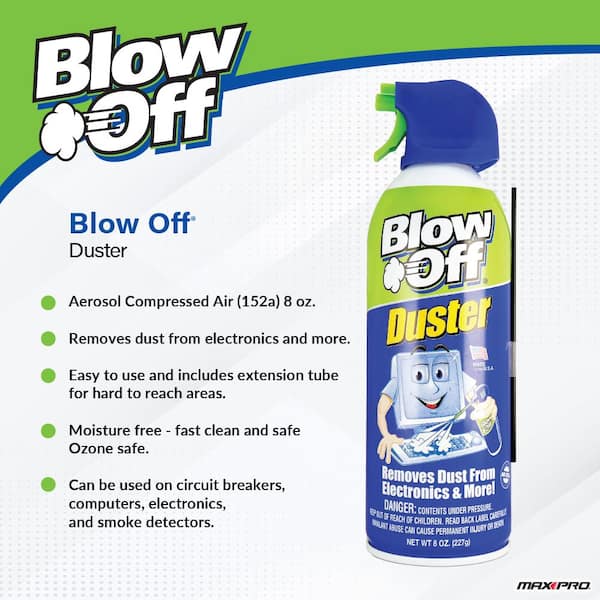
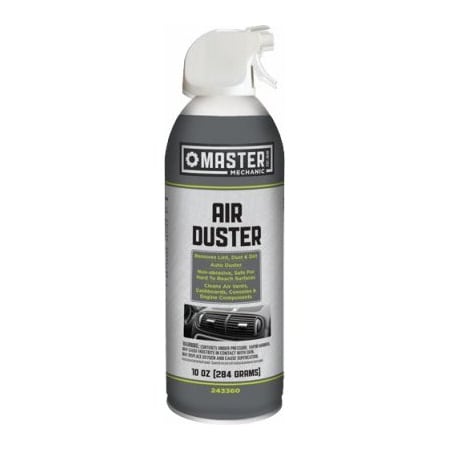
Master Mechanic air duster is used by spraying short bursts to blow dust from tight spaces.
I have used and tested canned air for years in shops and at home. This guide explains master mechanic air duster how to use it safely and well. You will learn step-by-step directions, safety rules, maintenance tips, troubleshooting, and real-world examples. Read on to get confident with the tool and avoid common mistakes.
What the Master Mechanic air duster is and when to use it
The Master Mechanic air duster is a canned compressed air product. It blasts pressurized gas to move dust and debris from small areas. It is handy for electronics, tools, keyboards, and engine bays where a light blast of air helps cleaning.
Typical uses include cleaning:
- Computer keyboards and fans.
- Camera lenses and crevices.
- Small engine parts and sensors.
- Workbenches and tight corners.
The phrase master mechanic air duster how to use means knowing when to spray, how far to stand, and how long to pulse. With that knowledge you avoid damage and get good results.

Safety precautions before you start
Safety matters with canned air. The gas is under pressure and can get very cold when released. Do not inhale or spray directly on skin.
Key safety steps:
- Wear safety glasses and a mask if dust is heavy.
- Use in a well-ventilated area to avoid gas buildup.
- Keep the can upright and never puncture or heat it.
- Do not aim at people or pets.
Follow manufacturer warnings on the can. These rules make using master mechanic air duster how to use the right way much safer.

Step-by-step guide: how to use the Master Mechanic air duster
Follow this clear sequence for best results. Read the can label first. Check the nozzle and any straw attachment.
- Prepare the item. Power off electronics and unplug cables. Remove batteries when possible.
- Hold the can upright. Keep it vertical to prevent liquid spray.
- Attach the straw tip for precision. Use the short straw for tight spots.
- Keep a safe distance. Hold 4–6 inches away from the surface.
- Use short bursts. Press the nozzle in 1-second pulses. Avoid long continuous sprays.
- Move the can steadily. Sweep across the area to push debris away.
- Let parts warm and dry. Cold spray can condense moisture. Allow a minute before re-powering.
Using these steps will make master mechanic air duster how to use a quick habit. Short bursts prevent freezing and give you control.

Maintenance, storage, and disposal
Canned air needs basic care. Store away from heat and direct sun. Keep cans in a cool, dry place.
Maintenance tips:
- Check the nozzle before each use. Replace if clogged or bent.
- Wipe the can with a dry cloth if dusty.
- Never try to refill the can or puncture it.
- Recycle the empty can according to local rules.
Good storage extends usability and reduces hazards. Knowing simple upkeep improves how to use master mechanic air duster safely and effectively.

Common mistakes and troubleshooting
New users often make a few repeatable mistakes. Fixes are simple and fast.
Frequent problems and solutions:
- Can gets very cold or spits liquid.
- Use shorter bursts and hold the can upright.
- Nozzle clogs or the spray is weak.
- Remove the straw and blow into the nozzle away from your face, or replace the can.
- Dust moves but won’t leave small crevices.
- Use a soft brush while blowing to coax debris out.
- Condensation forms on sensitive parts.
- Let the part sit for a minute to return to room temperature before powering on.
These fixes prevent damage and keep master mechanic air duster how to use reliable.
Tips, tricks, and practical use-cases
Simple habits make the tool more useful. I use canned air in three main ways.
Smart tips:
- Pre-clean with a soft brush for heavy grime.
- Use short bursts near fans to prevent spinning while cleaning.
- Hold small parts in a tray to catch blown debris.
- Use outdoors for large dusty items to avoid indoor mess.
Example use-cases:
- Cleaning a laptop fan with short, steady bursts.
- Blowing dust from a carburetor bowl before service.
- Removing crumbs from a mechanical keyboard without removing keys.
These small tricks show master mechanic air duster how to use in real life. You get cleaner parts and fewer mistakes.
PAA-style questions:
- Will canned air harm electronics?
- If used correctly in short bursts and at a distance, canned air is safe for electronics.
- Can I tilt the can to get more power?
- Tilting can release liquid propellant; keep the can upright to avoid damage.
- Is canned air reusable after one use?
- Most cans are single-use and should be recycled when empty.

My experience and lessons learned
I have used Master Mechanic and similar dusters in shops for years. I learned rules the hard way. Once I tilted a can and sprayed a cold liquid onto a circuit board. The board momentarily stopped working. I had to dry it fully and reset the system.
Lessons I now follow:
- Always read the label first.
- Test on a non-critical part before cleaning a sensitive item.
- Use a brush and short blasts together.
- Keep cans away from heat and open flames.
These experiences help explain master mechanic air duster how to use with confidence and care.

Benefits and limitations
Canned air has clear pros and cons. It is portable and easy to use. It removes dust from tight spots without contact. But it also has limits.
Benefits:
- Quick and effective for light dust.
- No power needed.
- Precision with a straw tip.
Limitations:
- Not for heavy grease or deep grime.
- Can cool and spray liquid if misused.
- Single-use cans create waste.
Understand these to choose the right cleaning method. Balance convenience with safety when you use master mechanic air duster how to use.
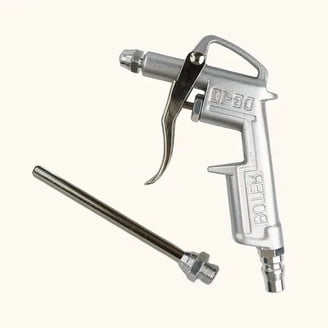
Frequently Asked Questions of master mechanic air duster how to use
How far should I hold the Master Mechanic air duster from a surface?
Hold the can about 4–6 inches away for most tasks. This distance gives enough force without freezing or splattering liquid propellant.
Can I use canned air on a running computer fan?
It is safer to power down and unplug the computer first. If you must blow a running fan, use very short bursts and prevent the fan from spinning freely.
What if the can spits liquid instead of air?
Stop immediately and let the can warm to room temperature. Keep it upright and use shorter bursts next time to avoid that liquid spray.
How should I dispose of an empty Master Mechanic air duster can?
Follow local recycling and hazardous waste rules. Do not puncture or incinerate the can; take it to a recycling center if required.
Is it safe to use canned air around plastic parts?
Yes, but test a small area first. Long direct blasts can make some plastics brittle due to cold, so keep bursts short and indirect.
Conclusion
Master mechanic air duster how to use starts with simple rules: read the label, use short bursts, keep the can upright, and protect yourself. Follow the steps and tips here to clean safely and well. Try these methods on a small, low-risk item first to build skill. If this guide helped, leave a comment, subscribe for more practical tips, or share your own cleaning stories.