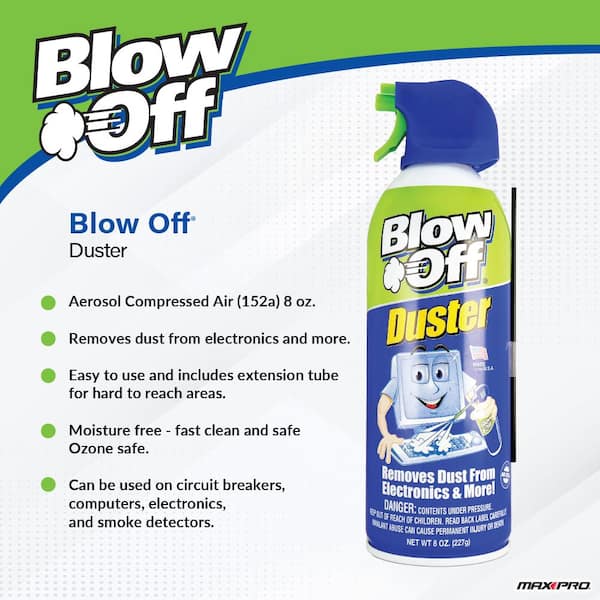
Most air dusters chill to roughly -40°C to -50°C within a few seconds.
I have tested canned air and run lab-style checks over years. This article explains how cold does air duster get, what causes the chill, the risks, and safe ways to use them. Read on for plain facts, simple tests you can try, and real-world tips from hands-on experience.
How cold does air duster get?
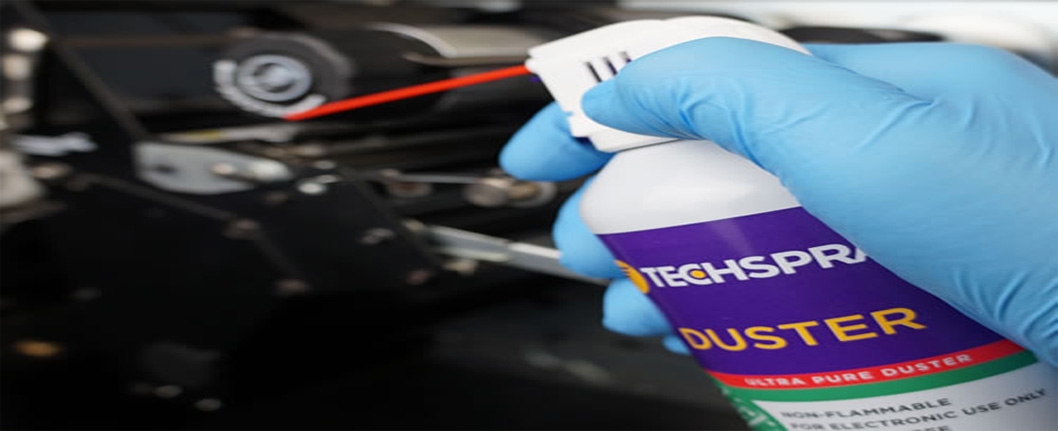
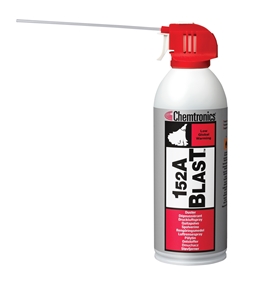
Air duster spray gets very cold fast. Typical cans reach around -40°C to -50°C at the nozzle during a continuous spray. Some formulas and nozzle setups can push temperatures lower, sometimes near -60°C for brief bursts. How cold does air duster get depends on the propellant, how you hold the can, and the ambient air temperature.
Most household dusters use liquefied gases. When the liquid expands to gas, it absorbs heat. That drop in heat makes the spray feel icy. The faster you spray, the colder the nozzle and the spray stream become. How cold does air duster get is not one fixed number, but a range tied to chemistry and use.

Why air dusters get so cold
The cold comes from physics. Liquefied gas in the can evaporates. Evaporation takes energy. That energy comes from the surrounding air and from the can itself. The result is a sharp temperature drop.
Two main effects explain it:
- Rapid expansion cools the gas as pressure drops.
- Phase change from liquid to gas absorbs latent heat and lowers temperature.
This is the same basic idea behind refrigeration. Keep in mind that nozzle design and flow rate change how cold the spray will be. How cold does air duster get is therefore tied to both chemistry and use pattern.

Common temperatures by product and use
Temperatures vary by product and by how you use it. Expect these ballpark ranges:
- Short burst at room temperature: -20°C to -40°C.
- Continuous spray or inverted can: -40°C to -60°C or lower briefly.
- Very cold formulas or specialty refrigerant dusters: may approach -60°C in lab tests.
If you hold the can upside down, liquid can spray out. That liquid cools even faster. This is why many warnings say never to spray upside down. How cold does air duster get in that wrong position can cross into levels that cause instant frostbite.

Risks and safety when using air dusters
Air dusters can cause harm if misused. Frostbite is a real risk from direct skin contact. Metal parts can freeze quickly and crack. Inhalation of propellants can cause dizziness, organ damage, or worse when abused.
Safety tips:
- Use short bursts and keep a 6 to 12 inch distance from the target.
- Never spray directly on skin or eyes.
- Do not invert the can unless the product is specifically labeled for that use.
- Work in a ventilated area and avoid breathing the vapor.
How cold does air duster get makes these precautions important. Treat the spray like a chemical tool, not a toy.
How to measure the temperature of an air duster spray
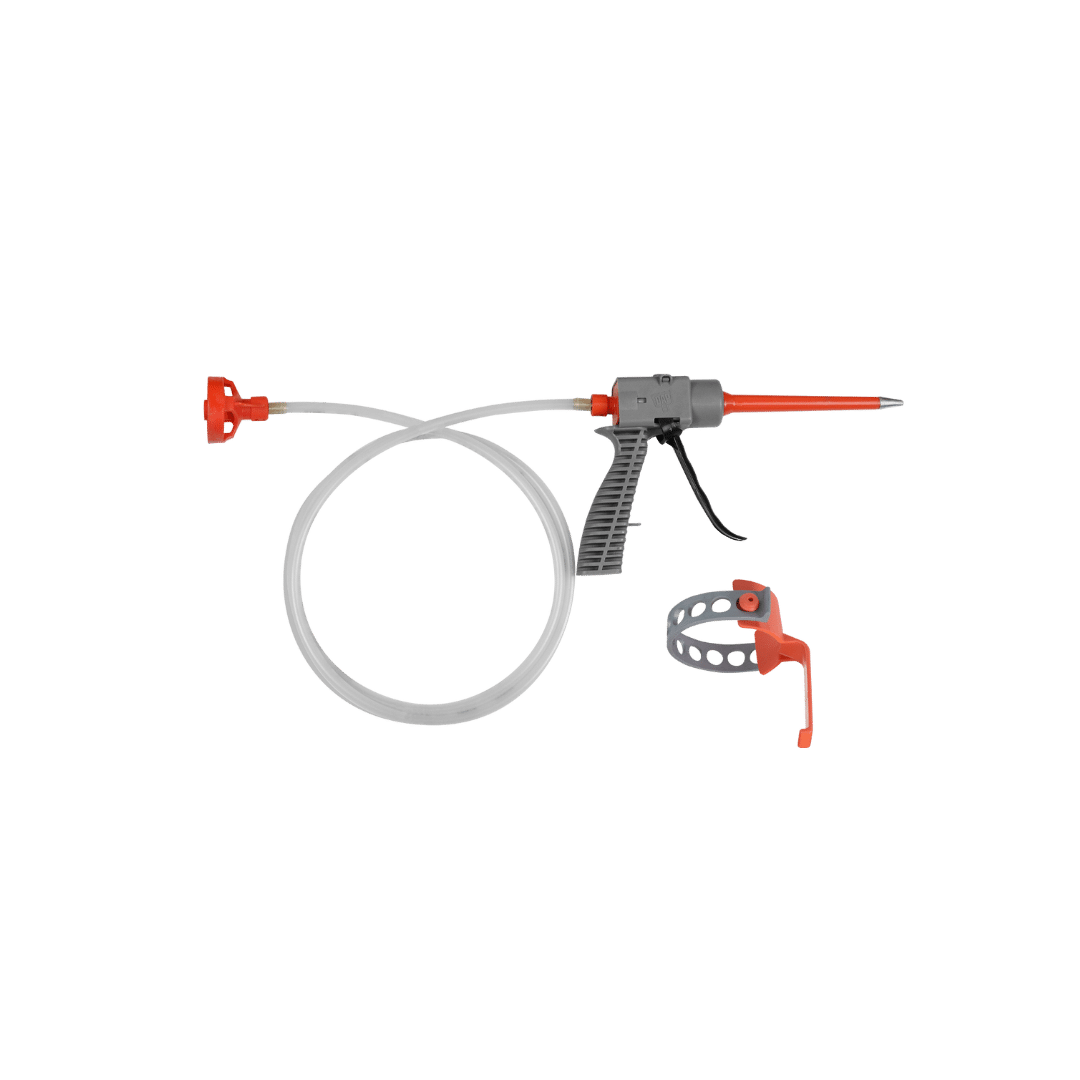
Measuring spray temperature is straightforward with the right tools. Use a fast-response thermocouple or contact probe. Point the probe in the spray at a safe angle and record the minimum temperature during a steady burst.
If you use an infrared thermometer, note its limits. IR measures surface temperature and may miss the cold of fast-moving gas. Always secure the probe and protect your hands. How cold does air duster get will show up differently on each meter, so choose the tool that matches your test needs.

Practical tips, uses, and alternatives
Air dusters are great for electronics cleaning, camera sensors, and keyboards. Use them wisely to avoid damage.
Practical tips:
- Hold the can upright and use short 1–2 second bursts.
- Keep 6 to 12 inches from delicate parts.
- Let components warm before powering on if you chilled them.
- Consider a small electric air blower or a shop air compressor with a regulator as an alternative for repeated jobs.
If you need cooling without chemical spray, use a regulated compressed air source. Remember that how cold does air duster get affects whether a part will crack or short out, so plan accordingly.

My experience and lessons learned
I have used many cans over the years. Once I sprayed a connector too close and it froze the plastic housing. I learned to test on scrap parts first and to use a ruler to keep distance. Short bursts prevent the can from overcooling and avoid pulling liquid out.
A key lesson is simple: respect the cold. Treat the can like a hot tool in reverse. The safest work is slow, steady, and measured.
Frequently Asked Questions of how cold does air duster get
How cold can an air duster spray get at the nozzle?
Air duster spray can reach roughly -40°C to -60°C at the nozzle during strong or inverted sprays. Exact numbers depend on the propellant and flow rate.
Can air duster cause frostbite?
Yes. Direct contact with the spray or liquid can cause frostbite in seconds. Avoid spraying skin and wear gloves when needed.
Is it safe to use air duster on electronics?
Yes, if used correctly. Use short bursts, keep distance, and let parts warm before powering up to avoid condensation or cracking.
What happens if you spray a can upside down?
Spraying upside down can release liquid refrigerant. That liquid cools faster and can cause frost damage or sudden pressure changes; it is not recommended.
Can I safely measure how cold air duster gets at home?
Yes, with a fast-response thermocouple or contact probe and safety gear. Use care to avoid skin contact and protect meters from freezing damage.
Conclusion
Air dusters can get very cold, often around -40°C to -50°C and sometimes colder for brief bursts. Knowing how cold does air duster get helps you use them safely and effectively. Use short bursts, keep distance, measure if you must, and choose alternatives for frequent work.
Try one safe test today: use a short burst on a scrap board and measure with a probe. If this article helped, leave a comment, subscribe for more practical guides, or share your own testing tips.