Air duster blows high-pressure gas from a can to clear dust and debris quickly and precisely.
I’ve spent years cleaning electronics, cameras, and keyboards, so I know what works and what doesn’t. This article explains how does air duster work, why different types perform differently, the safety and environmental trade-offs, and practical tips you can use right away. Read on for clear, expert-backed guidance that makes using an air duster simple and safe.

What is an air duster and why use one
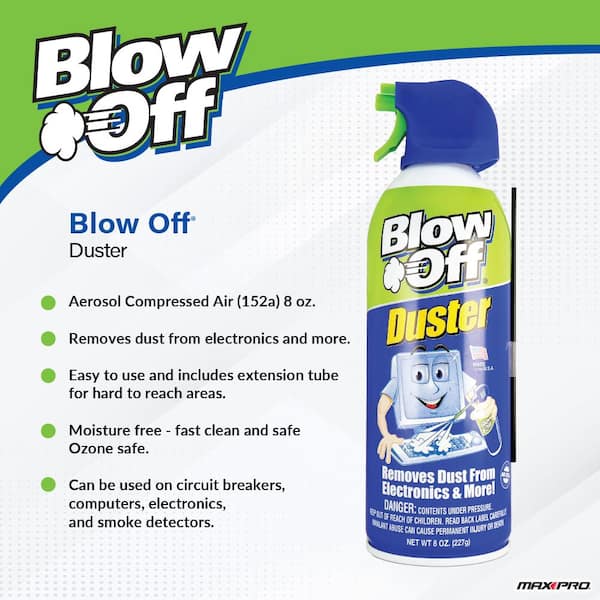
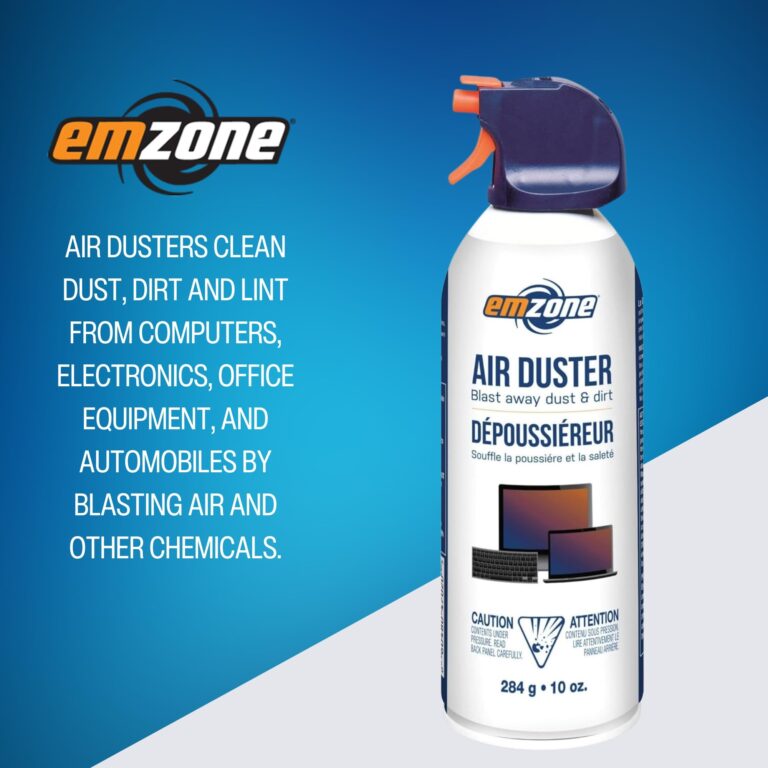
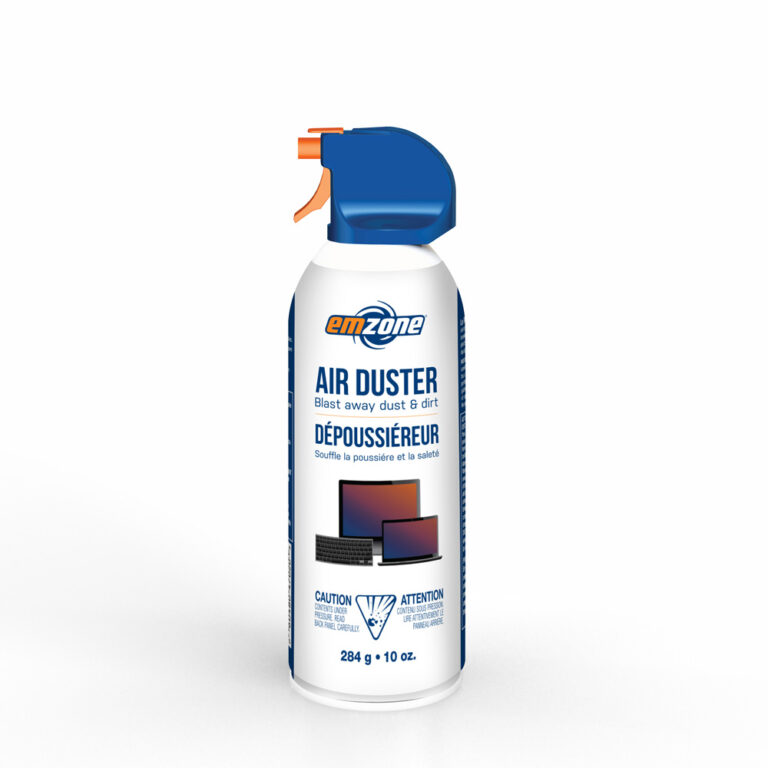
An air duster is a handheld can or device that delivers a focused burst of gas or air to remove dust and debris. Most people use air duster cans for keyboards, PC components, camera lenses, and small crevices that brushes or vacuums miss. The convenience and force make air dusters a fast way to keep gear clean without touching delicate parts.
Common uses
- Electronics cleaning: keyboards, motherboards, ports.
- Photo gear: lenses, mirror boxes, sensor areas.
- Hobby work: models, mechanical keyboards, small machinery.
- Office and home: vents, fans, and crevices.

How does air duster work: the basic physics
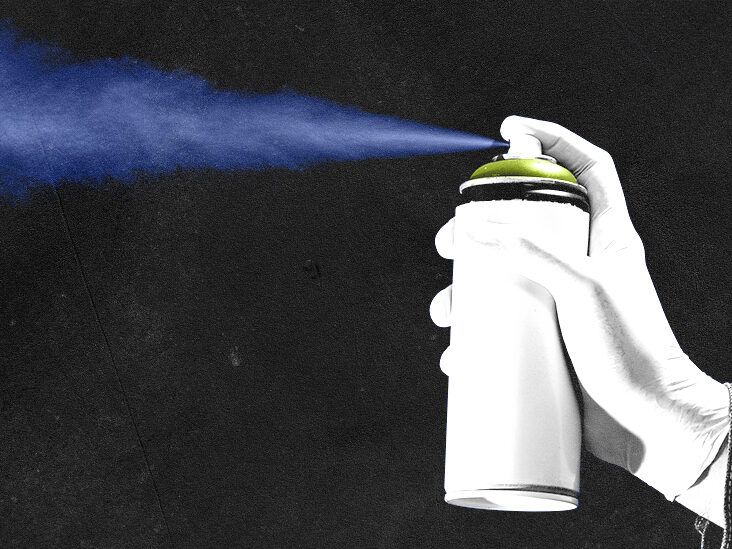
At the core, how does air duster work is simple physics. The can stores a compressed liquid or gas under pressure. When you press the nozzle, the pressure forces the fluid out quickly. As the fluid exits, it expands and cools, producing a high-speed jet that dislodges dust and blows it away.
Key steps in the process
- Compression: Gas or liquid is stored at high pressure inside the can.
- Release: The valve opens and the contents rush out through the nozzle.
- Expansion: Rapid expansion turns the liquid into gas or accelerates the gas.
- Impact: The fast-moving stream hits surfaces and blows particles away.

What’s inside an air duster can
Air duster cans contain propellants and sometimes additives. Older products used chlorofluorocarbons, which harmed the ozone. Modern cans use safer propellants such as hydrofluoroolefins, compressed gases, or flammable hydrocarbons in some brands. Some cans contain liquid that vaporizes on release, producing cold gas.
Common ingredients and roles
- Propellant: provides pressure and creates the jet stream.
- Liquid payload: may be pure propellant or mixed with additives.
- Valve and nozzle: control the flow and focus the stream.

Types of air dusters and how they differ
There are two main families of air dusters: canned compressed gas and electric air dusters (blower or compressor). Each type changes how does air duster work in practice.
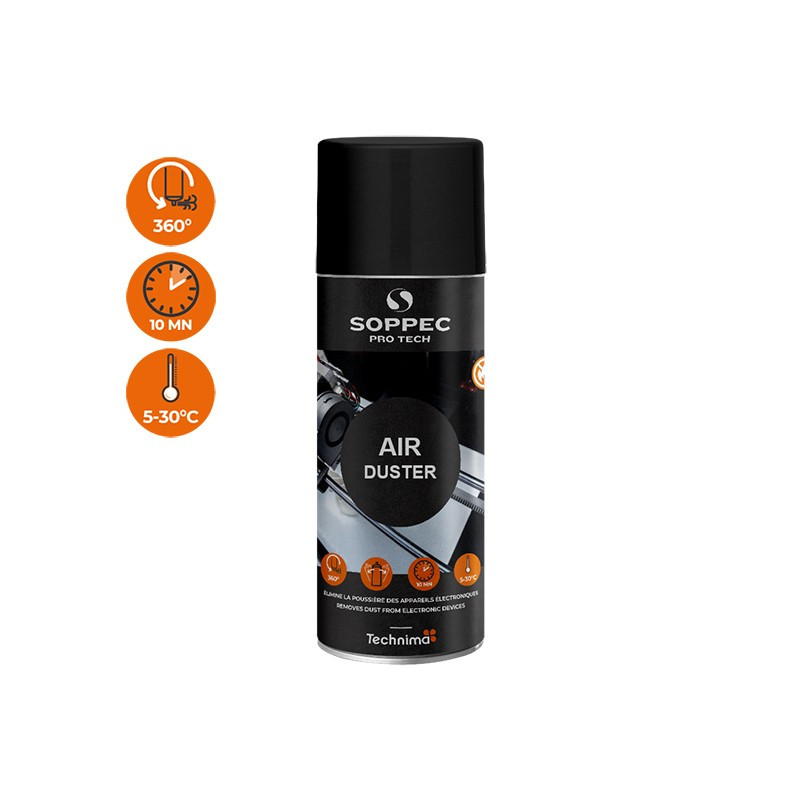
Canned compressed gas
- Portable and cheap.
- High immediate force from stored pressure.
- Limited volume per can and single-use.
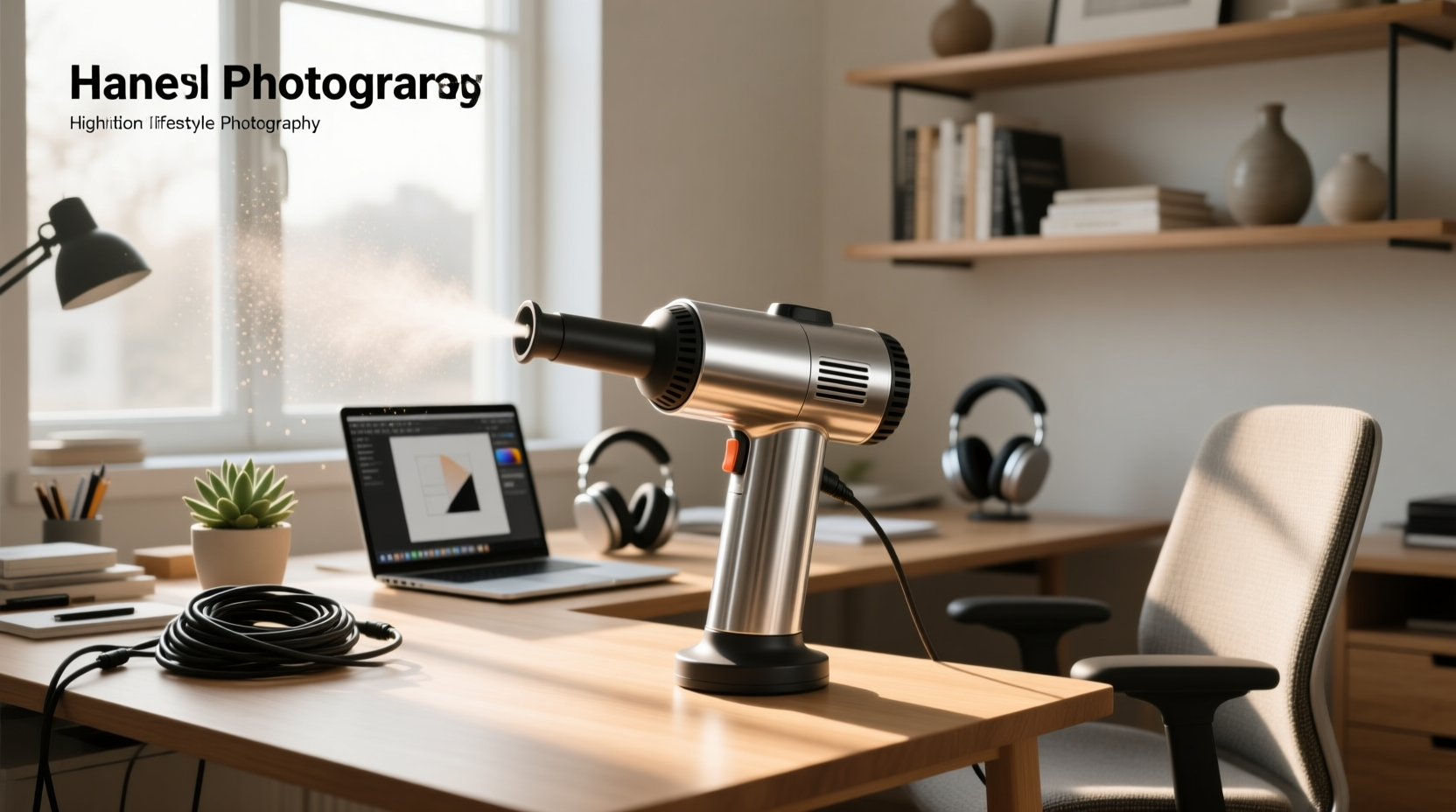
Electric air dusters
- Reusable blowers or compressors.
- Variable speed and continuous air supply.
- Larger and less portable but more eco-friendly over time.
Safety risks and best practices
Air dusters are useful but carry risks if misused. Direct skin contact with the spray can cause frostbite because the gas cools rapidly. Spraying in enclosed spaces can displace oxygen or create harmful fumes in poorly ventilated areas. Some propellants are flammable.
Simple safety tips
- Use short bursts and keep a safe distance from components.
- Avoid inverting the can; liquid may spray out and freeze surfaces.
- Work in a ventilated area to avoid inhalation.
- Wear eye protection and avoid spraying near skin.
Environmental and health concerns
When you ask how does air duster work, you should also ask about its footprint. Some propellants contribute to greenhouse gas warming even if they don’t damage ozone. Single-use cans add waste. Inhaling propellants can harm the nervous system or lungs if abused.
Practical ways to reduce impact
- Choose refillable or electric air dusters when possible.
- Recycle empty cans according to local guidelines.
- Avoid recreational inhalation; it is dangerous and illegal in many places.
How to use an air duster safely and effectively
Follow a clear process when using an air duster so you get results without damage.
Step-by-step guide
- Power down and unplug devices to avoid short circuits.
- Hold the can upright and keep a nozzle distance of 2–6 inches from the surface.
- Use short, controlled bursts to prevent condensation and cooling.
- Move the nozzle in one direction to push dust out, not deeper into crevices.
- Let parts warm to room temperature if they feel cold after spraying.
Extra tips
- Use compressed air with static-safe practices near sensitive electronics.
- For sensors and lenses, use a blower brush designed for cameras instead of a high-pressure can.
Alternatives to air dusters
If you worry about safety or the environment, alternatives work well for many tasks.
Effective substitutes
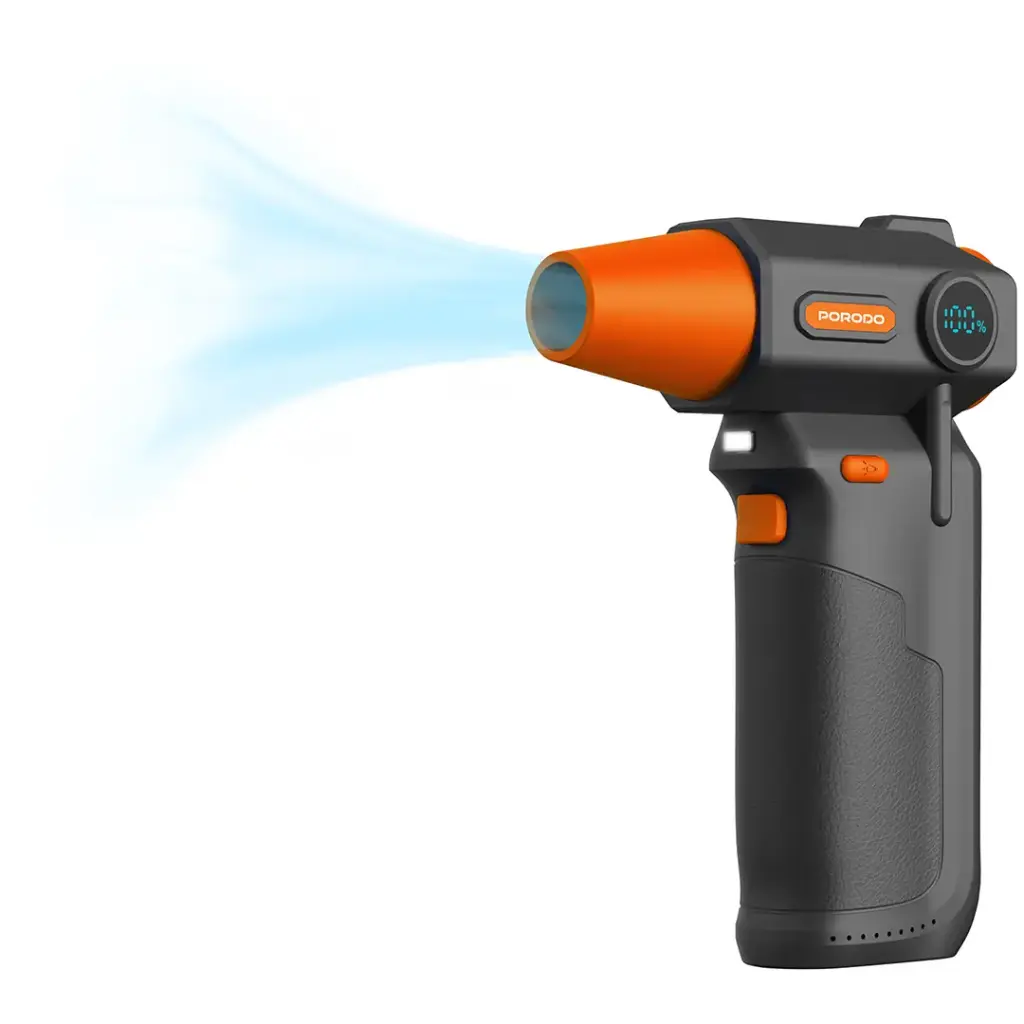
- Electric air blower: reusable and adjustable pressure.
- Small vacuum with soft nozzle: removes dust without spreading it.
- Soft brushes and microfiber cloths: safe for delicate surfaces.
- Canned air with eco-friendly propellants or refillable systems.

Maintenance, storage, and buying advice
Choosing the right product and storing it properly extends life and reduces risk.
Buying tips
- Look for refillable or low-global-warming-potential propellants.
- Choose a nozzle that focuses the stream and allows gentle bursts.
- Read safety labels and avoid products with ambiguous ingredients.
Storage and disposal
- Store cans in a cool, dry place away from heat or flames.
- Do not puncture or incinerate empty cans.
- Follow local recycling rules; some facilities accept empty aerosol cans.
Personal experience, lessons learned, and mistakes to avoid
I used air dusters for years on PC builds and camera gear. Early on, I sprayed too close and caused frost damage to tiny plastic connectors. After switching to short bursts and keeping cans upright, I had fewer issues. I now prefer an electric blower for frequent cleaning because it’s consistent and kinder to the environment.
Lessons I learned
- Keep cans upright to avoid liquid discharge.
- Use short bursts to prevent condensation and cold damage.
- For sensitive gear, combine a blower with careful brushing.
Troubleshooting common problems
If cleaning didn’t work, check these points.
Problems and fixes
- Dust keeps returning: Try blowing from the opposite side to push dust out.
- Moisture or frost on parts: Let devices warm up and avoid long sprays.
- Nozzle clogged: Clean nozzle and valve, or replace the can if needed.
Frequently Asked Questions of how does air duster work
What happens if I turn the can upside down when using an air duster?
Turning the can upside down can release liquid propellant. This liquid can freeze surfaces and damage parts, so always keep the can upright.
Can I use air duster on my camera sensor?
Using a strong canned air duster on a sensor is not recommended. Use a hand blower or a sensor-specific cleaning tool to avoid damage.
Are electric air dusters better than canned ones?
Electric air dusters are more sustainable and offer continuous airflow. They are often safer for frequent use and reduce single-use waste.
Is it safe to inhale air duster gas accidentally?
Accidental brief inhalation can irritate the lungs and throat. Deliberate or repeated inhalation is dangerous and can cause serious health problems.
How far should I hold an air duster from the surface?
Maintain about 2–6 inches distance and use short bursts. This minimizes cold shock and prevents blowing dust deeper into crevices.
Conclusion
Understanding how does air duster work helps you choose the right tool and use it safely. Air dusters deliver a focused stream of gas or air to remove dust quickly, but you must balance convenience with safety and environmental impact. Try short bursts, keep cans upright, and consider electric blowers for frequent tasks. Put these tips into practice today, and share your results or questions below — I’d love to hear what worked for you.