The Logitech Lift is the best ergonomic wireless mouse for comfort, control, and long work sessions.
A sore wrist can make simple computer work feel hard. A flat mouse may force your hand to twist or grip too tightly. An ergonomic wireless mouse can place your hand in a more natural position and reduce strain during long days. I tested the key features that matter most, such as hand support, tracking, wireless range, battery life, button feel, and value. My top picks include vertical mice, a trackball model, and more traditional shapes. This guide will help you find the best ergonomic wireless mouse for your desk, work style, and hand size.
See the differences between my top picks at a glance.
Logitech Lift Vertical Wireless Mouse
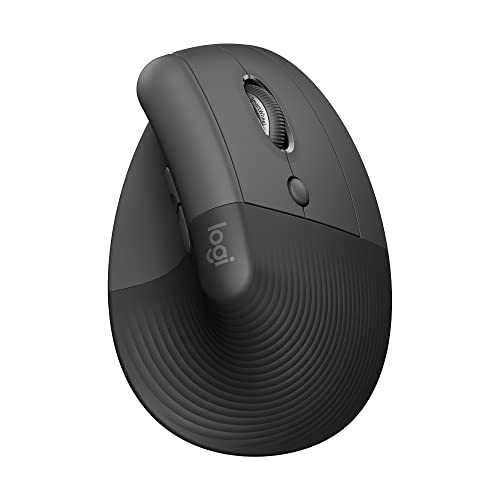
The Logitech Lift is the easiest vertical mouse for most people to adopt. Its upright shape lets your hand rest in a more natural handshake position. That design can reduce the need to turn your forearm inward. The compact body also suits small and medium hands well.
I like the quiet button feel and smooth scroll wheel for office work. The mouse supports Bluetooth and a wireless receiver, so it can fit many desk setups. Logitech’s device software also adds useful control over buttons and pointer settings. This is a strong choice for work, study, and long browsing sessions.
Pros:
- Comfortable upright handshake design
- Good fit for small and medium hands
- Bluetooth and receiver support
- Quiet clicks for shared spaces
- Useful button customization
- Reliable option for long office sessions
Cons:
- Designed mainly for right-handed users
- May feel unusual during the first few days
- Not the best pick for very large hands
What Amazon Buyers Are Saying
Amazon buyers often praise the Lift for its comfortable angle, light feel, and easy setup. Many users say it helps them move away from a flat mouse shape. Common complaints focus on the short adjustment period and the compact size. Some buyers also prefer a larger mouse for broad hands.
My Recommendation
I recommend the Logitech Lift as the best ergonomic wireless mouse for most right-handed office users. It balances comfort, control, quiet use, and trusted software better than the other models here. Buy it if you want a vertical mouse that feels friendly rather than extreme.
ProtoArc EM11 NL Vertical Mouse

The ProtoArc EM11 NL offers a tall vertical shape at a price aimed at practical buyers. It gives your palm a clear side wall to rest against. That can help you avoid gripping the mouse from the top. The design is especially useful if a flat mouse makes your wrist feel tired.
This model stands out because it is rechargeable. You do not need to keep replacing disposable batteries during normal use. Its simple layout keeps the focus on pointer control and comfort. It may appeal to users who want a vertical mouse without paying premium-brand prices.
Pros:
- Vertical design supports a more neutral grip
- Rechargeable battery reduces battery waste
- Good value for comfort-focused buyers
- Large side area supports the thumb
- Suitable for home and office tasks
- Simple layout is easy to learn
Cons:
- May feel bulky for very small hands
- Software controls may be more limited
- Vertical shape is less suited to fast gaming
What Amazon Buyers Are Saying
Buyers commonly like the EM11 NL for its price, rechargeable design, and upright grip. Reviews often describe it as a useful change from a standard mouse. Some users note that comfort depends on hand size and desk habits. A few buyers mention that the shape takes time to control with precision.
My Recommendation
The ProtoArc EM11 NL is a good pick for anyone who wants a rechargeable vertical mouse at a sensible price. It does not offer the same software polish as Logitech models, but it covers the main comfort need well. I rate it highly for budget-minded office users.
Anker Vertical Ergonomic Wireless Mouse

The Anker vertical mouse remains a popular low-cost way to try an upright design. Its tall body encourages a handshake grip instead of a palm-down grip. The thumb rests along one side while the fingers reach the main buttons. That layout may feel more relaxed during basic computer work.
This mouse uses a 2.4 GHz USB receiver, so setup is simple on compatible computers. It includes adjustable sensitivity settings for common office tasks. The design feels more substantial than many small travel mice. Still, buyers should check their available USB ports before ordering.
Pros:
- Affordable entry into vertical mouse design
- Clear support for the thumb and palm
- Simple plug-and-play receiver setup
- Adjustable pointer sensitivity
- Solid choice for browsing and documents
- Easy to understand button layout
Cons:
- Requires a USB receiver
- Right-hand design limits flexibility
- Large body may not suit small hands
What Amazon Buyers Are Saying
Amazon buyers often choose this Anker model as a first vertical mouse. Many like the low price and say the shape helps them change their grip. Other buyers need time to adjust to the taller body. Reports about comfort vary because hand size and wrist position differ from person to person.
My Recommendation
I recommend the Anker model when price matters most and you want to test a vertical mouse. It lacks the wireless options and software features of newer premium models. Yet it offers a useful ergonomic shape at a friendly cost. My rating reflects its strong basic value.
TECKNET 4800 DPI Vertical Mouse

The TECKNET vertical mouse targets users who want more speed and connection choice. Its listing highlights up to 4800 DPI, which gives you more pointer speed options. A vertical shape supports the hand from the side. This can feel better than a flat shell for long tasks.
The biggest attraction is its support for up to three devices. That feature can help people who move between a laptop, desktop, and tablet. Bluetooth support also helps reduce desk clutter when your computer supports it. As with any vertical mouse, control may feel slow until your hand learns the new angle.
Pros:
- Vertical grip supports the hand and wrist
- High DPI range offers flexible pointer speed
- Supports multi-device work
- Useful for mixed laptop and desktop setups
- Good feature set for the price
- Wireless design keeps the desk clear
Cons:
- Multi-device features require setup
- Shape may feel awkward at first
- Not designed for left-handed use
What Amazon Buyers Are Saying
Buyers often mention the comfortable vertical grip and the value of multi-device support. Users with several computers may find the switching feature useful. Some reviews point to a learning period for accurate cursor movement. Feedback can also vary based on the computer’s Bluetooth settings and the user’s hand size.
My Recommendation
The TECKNET is a smart option for a home office with several devices. It offers more features than a basic receiver mouse and costs less than many premium options. I would choose it for productivity, not competitive gaming. Its strong feature list earns it a solid rating.
Logitech Ergo M575S Trackball Mouse

The Logitech Ergo M575S takes a different path to comfort. Instead of moving the whole mouse, you move the blue trackball with your thumb. The mouse stays in one place while the pointer travels across the screen. This design works well on a small desk or a crowded work surface.
The fixed base may reduce the need for repeated arm movement. It also works well when a notebook, keyboard, or monitor limits your mouse space. Trackballs need some practice, especially for precise selections. Once learned, the design can feel fast and natural for office tasks.
Pros:
- Needs very little desk space
- Reduces repeated arm movement
- Comfortable thumb-controlled pointer
- Useful beside a laptop or compact keyboard
- Supports Bluetooth and wireless use
- Good option for users who dislike mouse sweeping
Cons:
- Trackball control takes practice
- Thumb movement may not suit everyone
- Right-hand design limits use for left-handed buyers
What Amazon Buyers Are Saying
Amazon buyers often like the small footprint and the ability to work without moving the base. Many users choose it for tight desks or limited arm movement. New trackball users commonly mention a short learning curve. Some buyers also note that keeping the ball and socket clean helps maintain smooth control.
My Recommendation
I recommend the M575S to users who need a compact ergonomic wireless mouse alternative. It is not a vertical mouse, but it can reduce large arm motions in a useful way. Choose it if your desk lacks space or you prefer thumb control. It earns a strong score for comfort and unique design.
Logitech MX Vertical Wireless Mouse

The Logitech MX Vertical is the premium vertical mouse in this group. Its tall shell gives your palm and fingers clear support. The 57-degree angle helps create a handshake-style grip. It feels larger and more substantial than the Lift, so it suits medium and large hands better.
The MX Vertical also brings the control expected from Logitech’s higher-end range. It supports wireless connections and offers a sensitive sensor for accurate daily work. The thumb rest adds stability during long sessions. Its price is higher, but the build and fit may justify that cost for heavy computer users.
Pros:
- Strong vertical support for the hand
- Premium build and comfortable palm rest
- Good fit for medium and large hands
- Accurate control for office work
- Useful wireless connection choices
- Excellent option for long daily use
Cons:
- Costs more than basic vertical mice
- Large shape may overwhelm small hands
- Requires an adjustment period
What Amazon Buyers Are Saying
Buyers often praise the MX Vertical for its solid build, palm support, and reduced wrist rotation. Many long-term users say it feels better after they adjust to the shape. Common concerns include the higher price and large body. Some users also prefer a softer or more compact mouse for travel.
My Recommendation
The MX Vertical is worth buying if you work at a computer for many hours and want a premium upright design. It costs more, but its shape feels stable and well made. I would select it over the Lift for larger hands. It is one of the best ergonomic wireless mouse choices for serious office use.
Logitech M510 Wireless Mouse
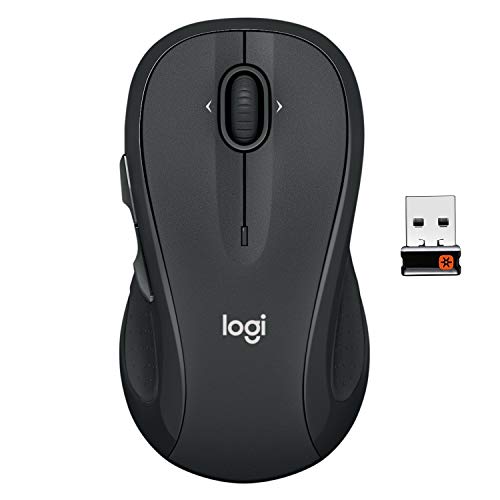
The Logitech M510 uses a familiar full-size shape rather than a true vertical design. Its rounded shell gives the palm more support than a very small travel mouse. It can feel natural right away because the grip does not require a major change. This makes it a good bridge for buyers who want comfort without a steep learning curve.
The 2.4 GHz receiver keeps setup simple on compatible computers. Its traditional shape also works well for browsing, documents, and home use. It will not place the forearm in the same position as a vertical mouse. Still, a good fit, relaxed grip, and proper desk height can make a standard mouse comfortable.
Pros:
- Familiar shape with little learning time
- Full-size body gives useful palm support
- Simple 2.4 GHz wireless setup
- Good for general home and office work
- Suitable for users who dislike vertical mice
- Comfortable rounded design for many hands
Cons:
- Not a true vertical ergonomic mouse
- Uses a USB receiver
- May not help users who need less forearm rotation
What Amazon Buyers Are Saying
Amazon buyers often like the familiar shape, easy setup, and dependable daily performance. Many choose it because vertical mice feel too different. Common concerns relate to the lack of Bluetooth and the traditional design. Buyers seeking strong wrist-position changes may want a vertical model instead.
My Recommendation
I recommend the M510 for buyers who want a comfortable standard mouse rather than a vertical one. It is a practical choice for basic work and home use. It should not be your first pick for a serious ergonomic change, but it remains a sensible value option.
TECKNET 2600 DPI Wireless Mouse

The TECKNET 2600 DPI mouse offers a low-cost alternative to a basic office mouse. Its curved shape supports the palm and gives the fingers a clear place to rest. It does not use a tall vertical shell. Instead, it aims to add comfort while keeping the familiar mouse motion.
The adjustable DPI setting lets you change pointer speed for different screens and tasks. The 2.4 GHz connection uses a small USB receiver. Its purple finish also adds a bit of style to a home office or school desk. Buyers should view it as a comfort-shaped standard mouse, not as a full vertical solution.
Pros:
- Low price for a shaped wireless mouse
- Comfortable palm support for daily tasks
- Adjustable pointer speed
- Simple receiver-based setup
- Good choice for school or home use
- Light and familiar control style
Cons:
- Not a true vertical design
- Requires a USB port
- May feel less supportive for large hands
What Amazon Buyers Are Saying
Amazon buyers commonly like this model for its low cost, smooth basic use, and colorful finish. Many use it for school, browsing, or simple office work. Some buyers report that the shape feels comfortable but not as supportive as a vertical mouse. The USB receiver also appears as a common point to consider before purchase.
My Recommendation
The TECKNET 2600 DPI model is worth considering when your budget is tight and you want a standard shape with extra palm support. It is not the best ergonomic wireless mouse for major wrist-position changes. I would select it for light or moderate daily use rather than demanding all-day work.
How to Choose the Best Ergonomic Wireless Mouse
Choosing the best ergonomic wireless mouse takes more than looking at a high DPI number. The right model should fit your hand, match your computer, and support your work habits. I focus on the points below because they affect comfort every day.
1. Match the Shape to Your Hand and Grip
Start with the mouse shape. A vertical mouse keeps your hand closer to a handshake position. This can help users who dislike turning the palm down. A trackball keeps the base still and moves the pointer with your thumb. A traditional curved mouse feels more familiar and needs less practice.
Hand size matters just as much. A small mouse may make a large hand curl too much. A large shell may force a small hand to stretch. Your fingers should reach the buttons with little effort. Your palm should rest on the body without hanging off the back.
Also check the hand side. Many ergonomic mice target right-handed users. Left-handed buyers may need an ambidextrous design or a model made for the left hand. Do not assume that an ergonomic label means every hand can use the mouse well.
2. Check Wireless Connection, Battery, and Device Support
A wireless mouse may connect through Bluetooth, a USB receiver, or both. Bluetooth saves a USB port and works well with many laptops. A receiver can offer simple setup and broad compatibility. If you use a desktop computer, check that it has the needed port.
Multi-device support helps if you switch between a work laptop and a home computer. Some models let you move between devices with a button. This feature can save time, but it may require a short setup process. Check the product listing for the exact number of supported devices.
Battery style also matters. Rechargeable models reduce the need for disposable batteries. Battery-powered mice can run for a long time and may work well for travel. Look at the charging method, battery access, and any low-battery warning before you buy.
3. Balance Comfort, Control, and Long-Term Value
DPI shows pointer sensitivity, not comfort. A high DPI setting can move the cursor farther with less hand motion. Yet office users may not need an extreme range. Smooth tracking, steady buttons, and a good scroll wheel often matter more.
Think about your main tasks. A vertical mouse suits documents, email, design, and browsing. A trackball helps on a small desk. A standard curved mouse may suit shared computers because many people can use it without training. None of these shapes works best for every person.
Finally, consider your whole workstation. Keep the mouse close to the keyboard. Let your elbow stay near your body. Avoid lifting your shoulder while you work. Take short breaks and change position during long sessions. Even the best ergonomic wireless mouse cannot fix a poor desk setup on its own.
Final Verdict: Which Should You Buy?
The Logitech Lift is my top pick and the best ergonomic wireless mouse for most right-handed users. Choose the MX Vertical for larger hands and premium comfort, or the M575S for a small desk.
For a lower price, the ProtoArc and Anker models offer useful vertical support. Pick the shape that feels natural, then adjust your desk setup for lasting comfort.
FAQs Of best ergonomic wireless mouse
What is the best ergonomic wireless mouse for office work?
The Logitech Lift is the best overall choice for most right-handed office users. It offers a comfortable vertical grip, quiet buttons, and flexible wireless connections.
Are vertical wireless mice better for wrist comfort?
A vertical mouse may reduce inward forearm rotation for some users. Comfort still depends on hand size, grip, desk height, and personal preference.
Is a trackball mouse good for a small desk?
Yes. A trackball stays in one place, so it needs very little desk space. The Logitech Ergo M575S is a strong option, but new users may need time to learn thumb control.
Should I choose Bluetooth or a USB receiver mouse?
Bluetooth saves a USB port and suits many laptops. A USB receiver offers simple setup on compatible computers. A mouse with both options gives you more flexibility.
How long does it take to adjust to an ergonomic mouse?
Many users need several days to adjust to a vertical or trackball design. Start with short sessions and increase use as the new grip begins to feel natural.