Logitech G Hub wants screen access mainly to detect games, support lighting effects, and show visual features.
If you see a macOS alert asking why Logitech G Hub wants to record my screen, the wording can sound alarming. In most cases, the request relates to screen-based features, game detection, or device integrations rather than secret recording. This guide explains what the permission means, when G Hub may use it, how to review it, and what to do if you do not feel comfortable granting access.
What does “record my screen” mean in Logitech G Hub?
On macOS, “Screen Recording” is a privacy permission. It allows an app to view screen content, capture part of the display, or read visual information from another app.
The name is broad. It does not always mean that Logitech G Hub is saving videos or watching you continuously. macOS uses the same permission category for several screen-based tasks.
Logitech G Hub may request this access for features such as:
• Detecting which game or app is open
• Supporting RGB lighting that reacts to screen colors
• Enabling screen sampling or visual effects
• Working with game overlays or supported integrations
• Reading content needed for app or game profiles
• Improving compatibility with certain Logitech devices
The exact reason can vary by G Hub version, macOS version, connected hardware, and enabled features. This is why two users may see different permission requests.

Why does Logitech G Hub want to record my screen?
The answer depends on how you use G Hub. The app controls Logitech gaming mice, keyboards, headsets, webcams, speakers, and other devices. To automate some of these controls, it may need to know what appears on your display.
Here are the most common reasons.
Game and application detection
G Hub can switch profiles when you open a supported game or program. For example, it may load one mouse sensitivity for a first-person shooter and another profile for a video editor.
Most profile detection can rely on the active app or running process. However, some integrations may use screen-related permissions to identify visual states or support features that interact with the display.
This does not automatically mean G Hub records your game. It means the app may need permission to access visual information for a feature you use.
Screen-based RGB lighting
Some Logitech lighting features can match your keyboard or mouse lighting to colors on the screen. Think of this like a small mirror between your monitor and your RGB devices.
To make the lighting match the display, software must sample screen colors. That process may require Screen Recording permission on macOS, even if no video file is created.
For example, a red explosion in a game could make your keyboard glow red. A blue desktop background could produce blue lighting. The software needs access to the displayed colors to create that effect.
Device integrations
G Hub can work with games, streaming tools, voice apps, and other programs. These integrations may show on-screen information, change device settings, or react to events in a supported app.
An integration may request screen access because of the way macOS protects visual data. The permission can apply to a complete feature set, not just one small action.
Overlays and visual controls
Some Logitech tools or connected features may use visual overlays. An overlay is a layer that appears above a game or app. It can show controls, status information, or device feedback.
If G Hub or an associated Logitech component supports this type of feature, macOS may classify its access as screen recording. The label can sound stronger than the actual task.
macOS privacy rules
Apple protects screen content because it may include passwords, private messages, work documents, banking pages, and video calls. For this reason, macOS asks before an app can access screen data.
The wording is controlled by macOS, not written specifically for Logitech G Hub. That explains why many unrelated apps use the same “record your screen” language.
Is Logitech G Hub actually recording my screen?
Usually, the permission alone does not prove that Logitech G Hub is recording or storing video.
Screen access and video recording are related, but they are not identical. An app may read a few screen pixels, inspect a display, or capture a temporary frame without saving a complete recording.
Still, you should not treat the request as meaningless. Screen Recording permission is powerful. If you approve it, the app may be able to view sensitive content while its related feature is active.
A careful way to understand the request is to ask three questions:
• Which G Hub feature needs the access?
• Is the feature useful to you?
• Does the benefit justify the privacy cost?
If you only use G Hub for mouse buttons, keyboard macros, headset volume, or DPI settings, you may not need screen access. If you use screen-reactive lighting, the permission may be necessary.
What the permission does not prove
The permission does not prove that:
• Logitech is secretly saving every screen image
• Someone is watching your display
• G Hub records video all day
• Your files are automatically uploaded
• The app can read your passwords without limits
However, no permission should be granted blindly. Apps with screen access can potentially view sensitive information when they capture or inspect the display. Keep G Hub updated and download it only from official Logitech channels.

Does Logitech G Hub need screen recording permission to work?
No, not always. Many basic G Hub functions can work without Screen Recording permission.
You may still be able to use:
• Button remapping
• Keyboard lighting presets
• Mouse DPI settings
• Macros
• Headset equalizer controls
• Microphone settings
• Device firmware tools
• Basic game profiles
Features that depend on screen sampling, visual effects, or certain integrations may stop working. G Hub may also ask again after an update or after you connect a new device.
The best approach is to deny the permission first if you are unsure. Then test the functions you use. If a feature stops working, you can enable access later.
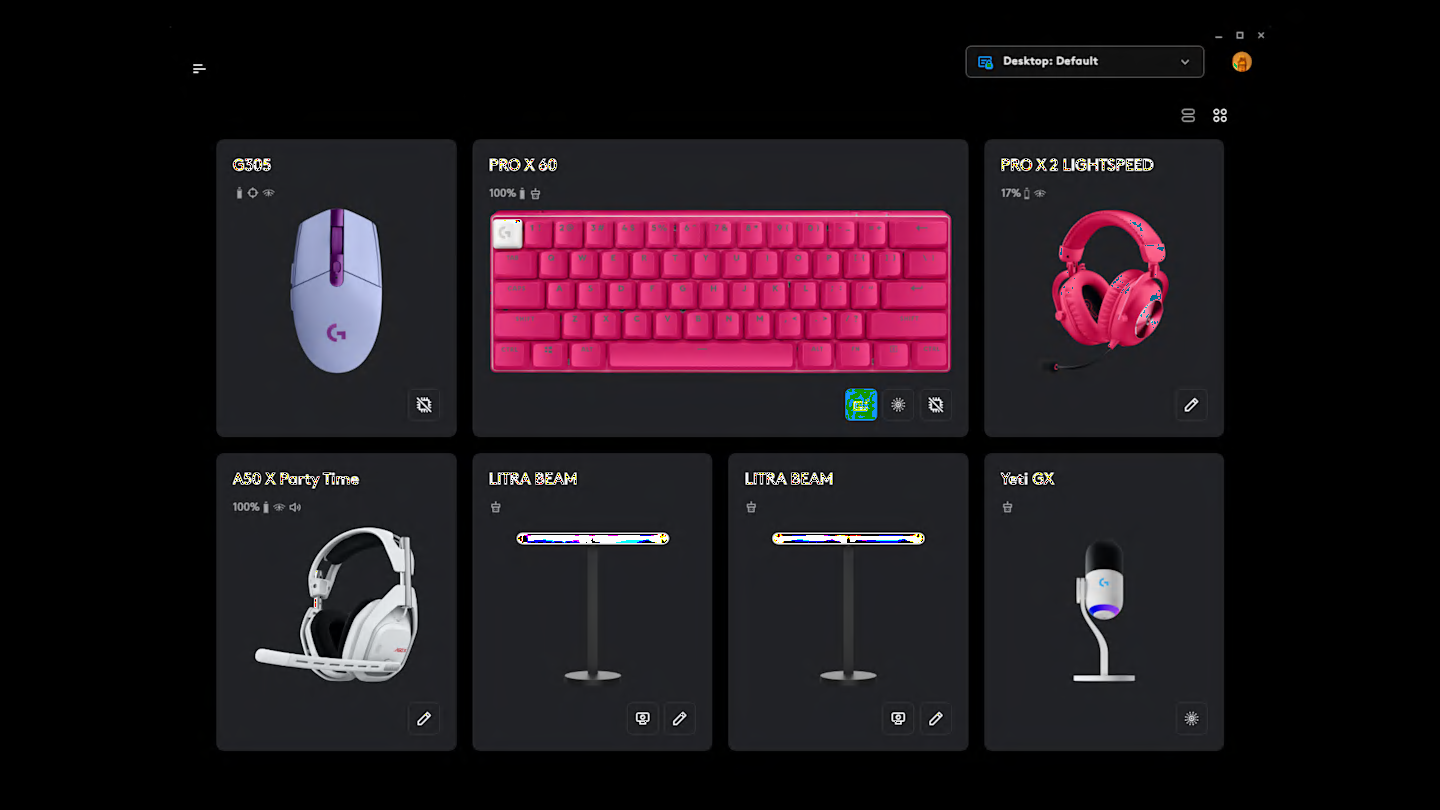
How to check Logitech G Hub screen recording permission on Mac
You can review this setting in macOS System Settings. The labels may change slightly between macOS versions.
-
Open the Apple menu.
-
Select System Settings.
-
Choose Privacy & Security.
-
Select Screen & System Audio Recording or Screen Recording.
-
Find Logitech G Hub or a related Logitech process.
-
Turn the permission off or on.
-
Enter your Mac password or use Touch ID if requested.
-
Quit and reopen G Hub.
Older macOS versions may place this option under System Preferences, then Security & Privacy, then Privacy.
If you do not see G Hub in the list, open G Hub and repeat the action that triggered the request. macOS often adds an app to the permission list only after the app asks for access.
What to do after changing the setting
Restarting G Hub is important. Some permissions do not apply until the app fully closes and opens again.
If the setting still does not work:
• Quit G Hub from the menu bar or Dock
• Check Activity Monitor for remaining Logitech processes
• Restart your Mac
• Open G Hub again
• Test one feature at a time
Avoid repeatedly granting and removing access without testing. A simple test makes it easier to identify the feature that needs permission.
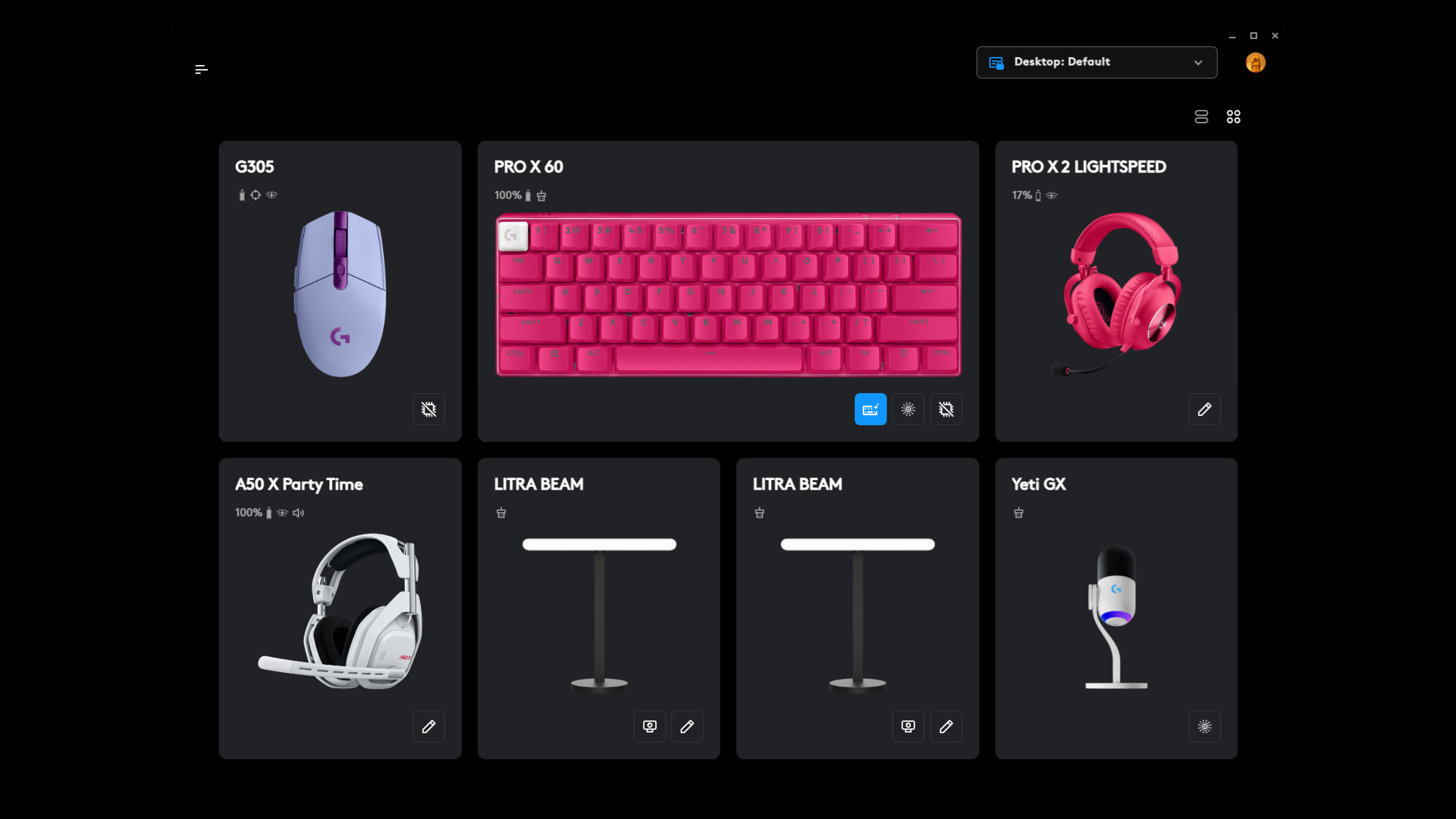
How to deny screen access to Logitech G Hub
If you do not want G Hub to access your screen, choose Don’t Allow when macOS displays the request.
You can also turn off access later:
-
Open System Settings.
-
Go to Privacy & Security.
-
Open the Screen Recording section.
-
Disable Logitech G Hub.
-
Restart G Hub.
G Hub should continue working for features that do not depend on screen access. Screen sampling, some visual effects, and certain integrations may not work.
Denying access is a reasonable choice if you use G Hub only for basic device controls. You can change your mind at any time from the same privacy menu.

How to protect your privacy while using Logitech G Hub
Screen permissions deserve the same care as camera and microphone permissions. The following steps can reduce risk without giving up useful features.
Install G Hub from a trusted source
Download G Hub from Logitech’s official website. Avoid modified installers, software bundles, and random download pages.
Third-party installers may contain unwanted programs. They can also make it difficult to know which component is asking for screen access.
Keep G Hub and macOS updated
Updates often fix bugs, improve compatibility, and address security problems. Use the current stable version unless you have a clear reason to stay on an older release.
Updates can also change which permissions G Hub requests. Review the permission list after a major update.
Disable features you do not use
If you do not use screen-reactive lighting, visual overlays, or special integrations, turn them off. Fewer active features usually mean fewer reasons for screen access.
This is similar to closing unused doors in your home. You may not need to remove the whole house, but you can limit unnecessary entry points.
Review related Logitech apps
G Hub may not be the only Logitech software on your Mac. You could also have Logitech Options+, Logi Tune, or another device utility installed.
Check the permission list for apps you no longer use. Remove old software and revoke access when appropriate.
Avoid sensitive activity while testing
If you are testing a screen-based G Hub feature, avoid opening banking pages, private messages, work documents, or password managers at the same time.
This is a simple habit, but it reduces exposure if an app captures a frame for a legitimate feature.
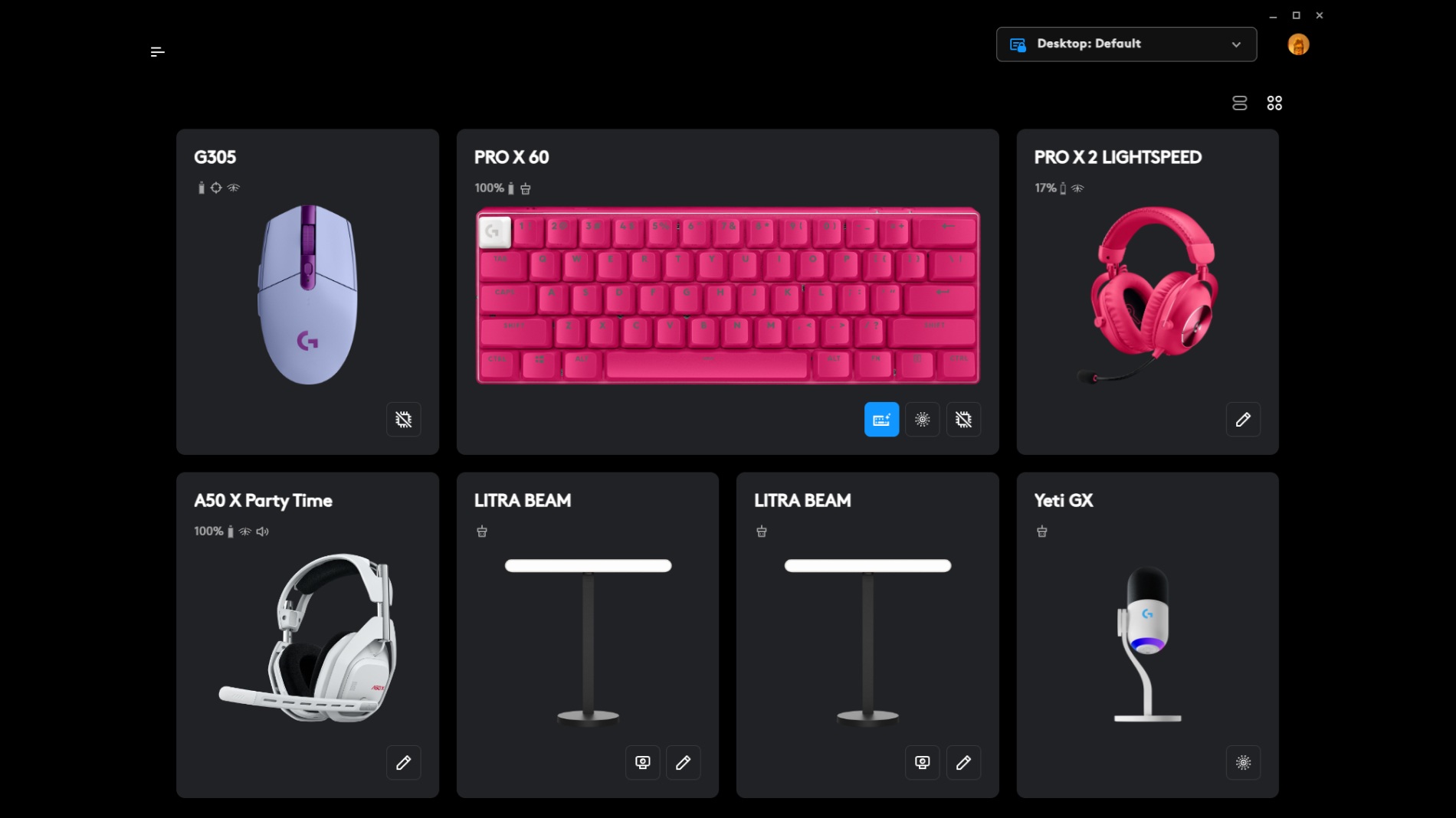
Why does Logitech G Hub keep asking for screen access?
Repeated permission requests can happen after an update, app reset, permission database change, or incomplete installation.
Common causes include:
• G Hub was updated or reinstalled
• You denied access earlier
• A Logitech helper process needs separate approval
• macOS reset the permission after a software change
• G Hub cannot save its permission state
• A screen-based feature starts each time G Hub opens
Try these fixes in order:
-
Update G Hub from Logitech’s official support page.
-
Restart your Mac.
-
Open Privacy & Security and review Logitech entries.
-
Remove duplicate or outdated Logitech entries if macOS allows it.
-
Approve access only if you need the related feature.
-
Reinstall G Hub if the request continues without a clear reason.
If the prompt appears even when you use only basic device controls, report the behavior to Logitech Support. Include your macOS version, G Hub version, device model, and a screenshot of the permission message. Do not include private screen content in the screenshot.
Why does Logitech G Hub want to record my screen on Windows?
Windows uses different privacy controls and wording. You may not see the exact same Screen Recording permission found on macOS.
On Windows, screen capture can be linked to:
• Xbox Game Bar
• Game overlays
• Windows graphics features
• Streaming or recording tools
• Accessibility features
• Security software alerts
• Logitech integrations
G Hub may work with Windows features without showing a direct screen recording prompt. If Windows Security, an antivirus program, or another overlay reports screen access, check which file or process made the request.
Open Windows Settings and review app permissions, installed apps, startup programs, and overlay tools. Do not assume every prompt comes from G Hub simply because G Hub is open.
The central question remains the same: identify the exact process, feature, and permission. That is more reliable than judging the request by its wording alone.
Troubleshooting Logitech G Hub after denying permission
If G Hub stops working after you block screen access, the blocked feature likely depends on that permission.
Try the following steps:
• Reopen G Hub and check for an error message
• Turn off screen sampling or visual lighting effects
• Disable unused game integrations
• Test your device with a basic onboard profile
• Restart the Logitech service or your computer
• Update the app and device firmware
• Reinstall G Hub from an official source
Some Logitech devices store settings in onboard memory. If your mouse or keyboard supports onboard profiles, you may use those settings without keeping G Hub open.
Be careful with macros and automatic profiles. A macro can affect games or work apps in unexpected ways. Test new settings in a safe program before using them during an important match or project.
Personal lessons from troubleshooting G Hub permissions
A common mistake is approving every macOS prompt just to make it disappear. That may solve the immediate problem, but it leaves you unsure about which features are using sensitive access.
A better method is to change one setting at a time. Turn off Screen Recording permission, test your normal workflow, and then enable it only if a feature you value stops working.
I have also found that RGB effects can create confusion. Users may think G Hub is recording video because the lighting reacts to the display, when the software may only be sampling colors. The visual result is noticeable, but the underlying process can be much smaller than a full recording.
Another lesson is to check helper apps. A main app may appear harmless while a related background process handles the integration. Look at the exact name shown in macOS permissions, and remove software you no longer need.
What are the benefits and limitations of allowing access?
Allowing screen access can make some G Hub features feel seamless. Your lighting may react to a game, profiles may change more smoothly, and supported visual tools may work as designed.
The benefits can include:
• Dynamic RGB effects
• Better screen-based integrations
• Automatic visual responses
• Access to selected overlay features
The limitations matter too:
• The app may view sensitive screen content while access is active
• Some features may use extra system resources
• Privacy settings can be confusing
• A software update may request access again
• G Hub may not clearly explain every technical use
There is no universal right answer. A competitive gamer may value dynamic lighting, while another user may prefer maximum privacy. Choose based on the features you actually use.
Frequently Asked Questions About Why Does Logitech G Hub Want to Record My Screen
Does Logitech G Hub record my screen without permission?
On macOS, an app normally needs Screen Recording permission to access protected screen content. If you deny the permission, screen-based G Hub features should not receive that protected access, although other Logitech services may have separate permissions.
Is it safe to allow Logitech G Hub to record my screen?
Allowing access can be reasonable when you use features such as screen-reactive lighting or supported integrations. Review the permission, use official software, and turn it off when you do not need those features.
Can I use Logitech G Hub without screen recording permission?
Yes, many basic controls can work without it. Mouse settings, keyboard remapping, headset controls, and standard lighting may continue to work, but screen-based features could stop working.
Why does Logitech G Hub want to record my screen after an update?
An update may add a feature, reset an approval, or install a new helper process. Check the permission list and the release notes, then approve access only if the new feature is useful to you.
How do I stop Logitech G Hub from recording my screen?
Open System Settings, select Privacy & Security, choose Screen Recording or Screen & System Audio Recording, and disable Logitech G Hub. Restart the app afterward so the change takes effect.
Does screen recording permission let Logitech see my passwords?
The permission can allow an app to access visual content shown on your display while the app uses that capability. It does not give Logitech your passwords directly, but you should still avoid displaying sensitive information during screen-based features.
Conclusion
The reason Logitech G Hub wants to record my screen is usually connected to screen sampling, RGB effects, game integrations, or visual tools. The macOS label sounds serious, but it does not automatically mean G Hub is saving a video or watching you continuously.
You can deny access and keep using many core device features. If a feature stops working, identify that feature before deciding whether the permission is worth enabling. Review your privacy settings, keep G Hub updated, and remove old Logitech software you no longer use.
Take a few minutes to test your setup with permission disabled. Then make an informed choice based on your own needs, and share your experience or questions in the comments.