Use an Android emulator or a BLE USB adapter to run the TTLock app and unlock from your laptop.
I’ve worked with smart locks and access systems for years. In this guide I’ll show clear, safe steps for How to unlock the ttlock from the laptop. You’ll get real options, the gear you need, step‑by‑step instructions, common fixes, and security tips. My aim is to help you operate TTLock devices from a laptop with confidence—whether you’re a property manager, tech integrator, or a curious user.
Why you might want to learn How to unlock the ttlock from the laptop
Using a laptop to control a TTLock is faster for admins, handy for demos, and useful when you want to automate or script access. Many people ask how to unlock the ttlock from the laptop when they don’t have a phone, need a stable UI, or want to integrate the lock into a back‑office system.
I’ll walk through three practical ways to unlock TTLock from a laptop. Each method fits different needs and hardware. I’ll share tips from my own testing and point out common pitfalls so you avoid wasted time.
What you need before you start
Prepare these items to make How to unlock the ttlock from the laptop reliable and repeatable.
- TTLock account with admin access and the lock added to your account.
- Laptop running Windows or macOS, with enough free storage for apps.
- Bluetooth 4.0+ (BLE) built in or a compatible BLE USB adapter for Bluetooth methods.
- An Android emulator (BlueStacks, Nox) for the app method, or access to TTLock web tools or the TTLock SDK for native methods.
- The lock’s PIN, admin code, physical access for pairing, and any reset info.
- Time for testing and patience—pairing and drivers sometimes take a couple of tries.
Add these related keywords and concepts to your mental checklist: Bluetooth Low Energy (BLE), cloud unlock, TTLock web portal, API keys, firmware update, and two‑factor authentication (2FA).
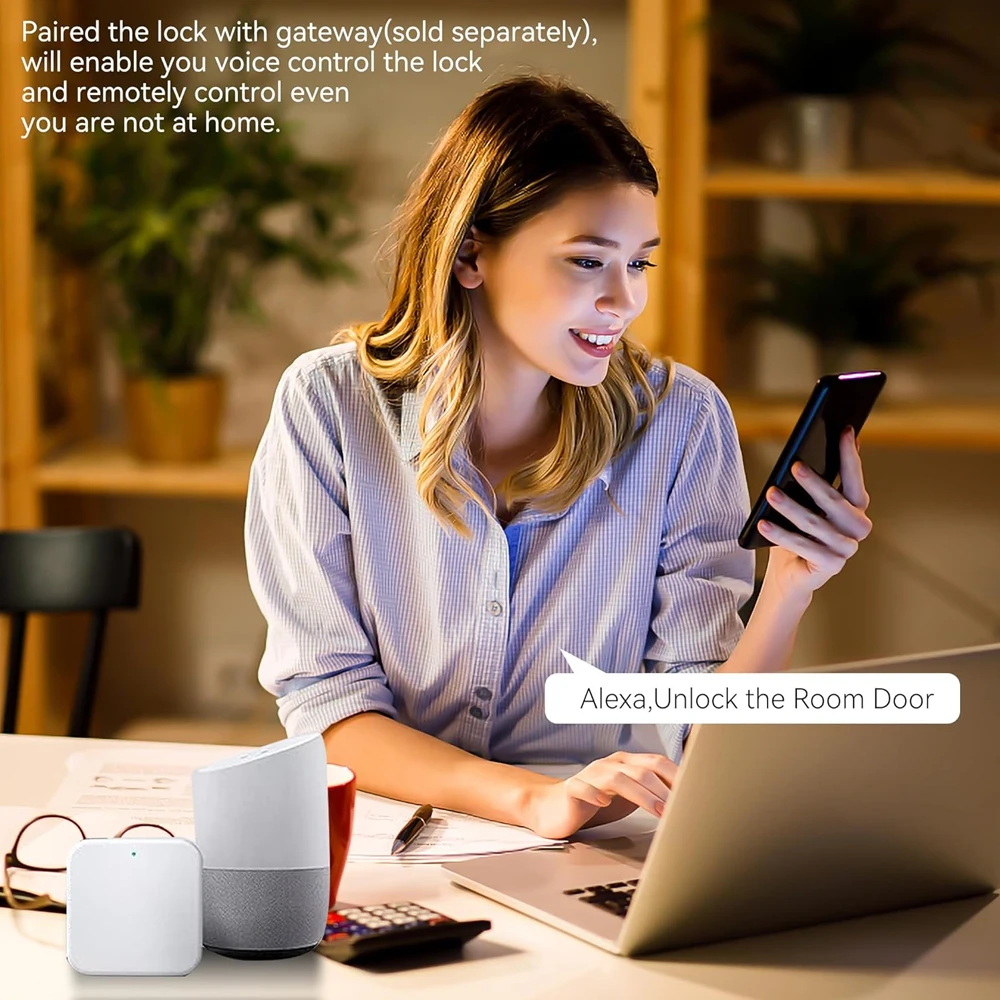
Source: alibaba.com
Quick checklist (one-line readiness test)
Before you begin: confirm you can log into your TTLock account, the lock appears in your device list, your laptop’s Bluetooth is on (or you have a BLE dongle), and you have 20–30 minutes free for setup.
Method 1 — Use an Android emulator to run TTLock (easiest, most common)
Running the TTLock mobile app inside an Android emulator on your laptop is the simplest route for many users. It gives you the full app UI and most functions work the same as on a phone.
-
Install an emulator
-
Download and install BlueStacks or Nox for Windows or macOS.
-
Follow the emulator setup and sign in with a Google account.
-
Install TTLock app inside the emulator
-
Open Google Play inside the emulator.
-
Search for TTLock and install the official app.
-
Pair and unlock from the laptop
-
Open TTLock in the emulator.
-
Sign in to your account that controls the lock.
-
Use the app’s unlock controls as you would on a phone.
Notes and tips
- Make sure the emulator can access your laptop’s Bluetooth. Some emulators support BLE passthrough. If not, use a BLE USB adapter that the emulator recognizes.
- If the emulator can’t access local Bluetooth, you can still control Wi‑Fi or cloud‑enabled TTLock devices via the app if your lock supports cloud unlock.
- Test pairing close to the lock (within 1–2 meters) for faster discovery and fewer timeouts.
I use this method for demos and staff training. It shows the full phone interface on a large screen. For admin work and one‑off tasks, it’s low friction and quick to set up.
Method 2 — Use a BLE USB adapter or a desktop BLE tool (advanced)
If you prefer a native laptop setup, a BLE USB dongle plus a BLE utility or the TTLock SDK lets you send unlock commands directly from the laptop. This is the option for automation, integrations, and scripts.
Steps overview
- Buy a BLE USB adapter that supports Bluetooth Low Energy.
- Install drivers and a BLE utility or SDK on the laptop.
- Authenticate with the TTLock cloud or use the TTLock SDK if you have developer access.
- Send commands to the lock using the SDK or a CLI tool.
What this requires
- Some technical skill with drivers, command lines, and SDKs.
- Access to the TTLock SDK or authorized API. Many manufacturers restrict direct BLE commands for security reasons.
- Strict security practices: keep API keys, tokens, and credentials secure.
When to use this
- You need automation or integration with property management, a booking platform, or a home automation hub.
- You want to avoid an emulator and prefer native scripts or services running on the laptop or server.
Recommended BLE USB adapters and tools
From my testing, choose adapters known for Linux/Windows/macOS support and BLE 4.0+ compatibility. Brands to look for: CSR (Broadcom), Nordic nRF52840 dongles, and modern dongles using standard Windows drivers. Pair these with tools such as nRF Connect, LightBlue, or the TTLock SDK if you have access.
Sample automation scenario (conceptual)
Imagine a short‑term rental property. A script checks bookings and calls an API to generate a one‑time code or send a cloud unlock command. The sequence looks like this in plain steps:
- Authenticate to TTLock cloud or obtain an OAuth token.
- Map booking times to access schedules in TTLock.
- Trigger a cloud unlock or push a temporary fingerprint/PIN using the SDK/API.
Note: actual SDK calls and tokens differ by platform. Treat credentials like passwords and rotate them regularly.
Method 3 — Use TTLock web portal or cloud features (when available)
TTLock and its cloud partners sometimes offer a web portal for admin tasks. This is the cleanest path when your account and lock model support it.
How it works
- Log in to the TTLock web portal with your account.
- Manage locks, users, schedules, and logs from a browser.
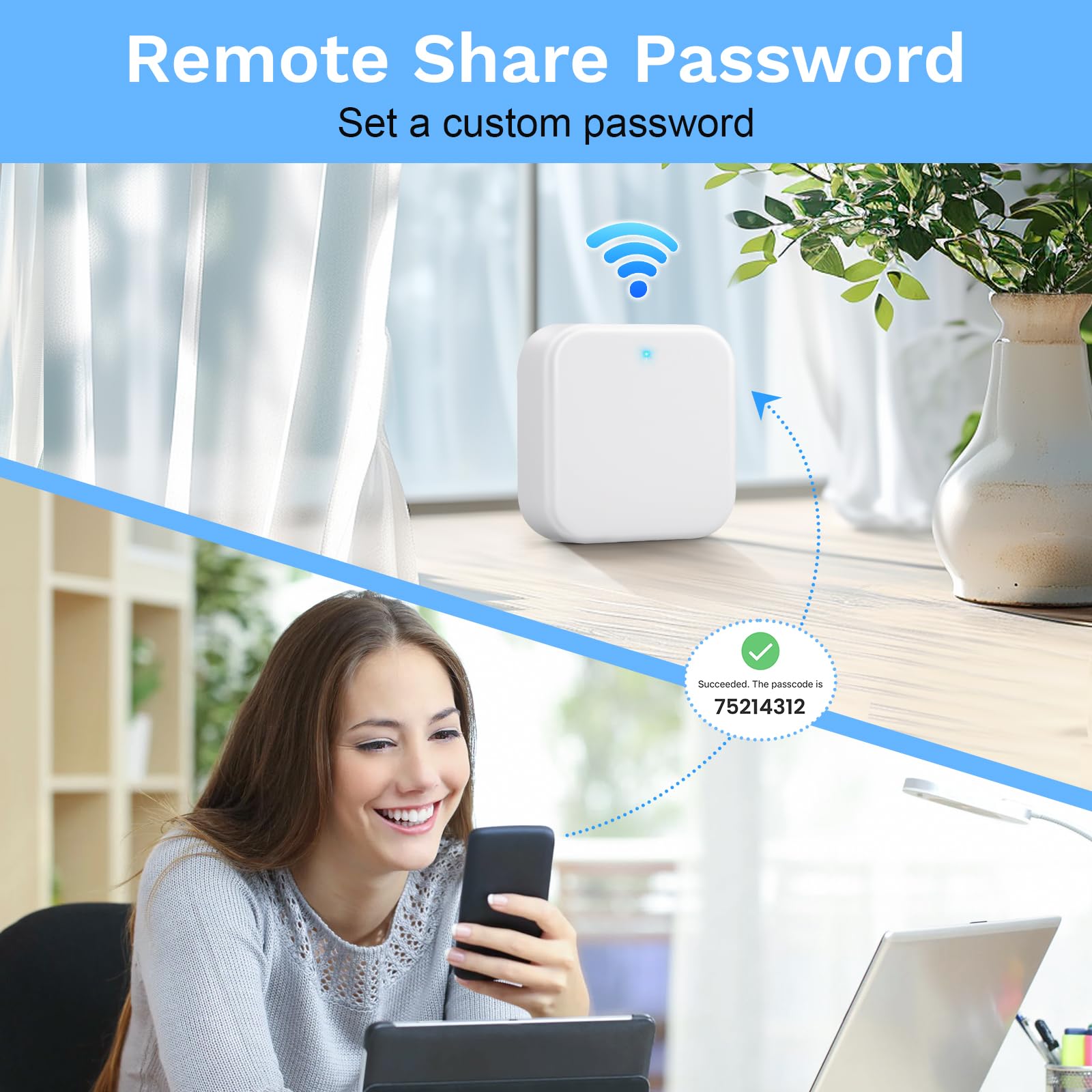
- Use cloud unlock if the lock supports remote cloud commands.
Why this is good
- No local Bluetooth passthrough issues on the laptop.
- Centralized access control for multiple locks and locations.
- Easier for property managers and teams who need role‑based access.
Limitations
- Not every TTLock model supports cloud unlock—check your lock’s datasheet and firmware.
- Portal features vary by account type, region, and vendor integrations.
When cloud unlock works, it’s the most scalable approach. You get logging, role management, and remote control without pairing each time.
Troubleshooting common issues when you try How to unlock the ttlock from the laptop
If the laptop can’t find the lock or cannot unlock, try these fixes. I’ve used these steps to resolve many pairing problems in the field.
- Check Bluetooth power and adapter drivers. Reboot the adapter or laptop if needed.
- Make sure your TTLock account includes the lock and you have admin rights.
- Restart the emulator or the TTLock app and try pairing again.
- Confirm the lock firmware is up to date and supports your chosen method (BLE, cloud, or SDK).
- Try a different USB BLE adapter known to support BLE passthrough.
- Keep the lock in pairing mode and stay within 1–2 meters while pairing.
- For emulators, check emulator logs and permissions for Bluetooth access.
Patience matters. I’ve seen a driver update or a short retry fix 80% of pairing issues.
Source: amazon.com
Security, privacy, and legal notes for How to unlock the ttlock from the laptop
Follow safe practices when you learn How to unlock the ttlock from the laptop. Locks protect property and people—treat access carefully.
- Only control locks you own or manage. Unauthorized access is illegal and unethical.
- Use strong, unique passwords for TTLock accounts and enable two‑factor authentication if available.
- Treat API keys and SDK credentials like passwords. Store them in a secrets manager or encrypted file.
- Keep firmware and apps updated. Updates often fix security and stability issues.
I once used default credentials on a demo lock. That mistake taught me to always reset, secure, and audit access after testing. Do regular access reviews and log checks when you manage multiple locks.
Personal tips, mistakes to avoid, and real-world examples
I tested unlocking with an emulator and a BLE adapter. Here are practical lessons from those tests.
- Tip: Test in close range. Bluetooth pairing succeeds faster and more reliably when you are near the lock.
- Mistake to avoid: Assuming every emulator can use your laptop’s Bluetooth. Verify emulator Bluetooth support first.
- Tip: Keep a phone handy for initial pairing. Once paired, use the laptop for admin tasks or automation.
- Example: For a short‑term rental, I used the web portal to generate access codes and the emulator to train staff on the mobile app UI.
- Tip: Keep logs and timestamps when automating unlocks so you can audit access later.
These practical notes will save you time and frustration. Small habits—like testing range and recording changes—prevent bigger problems later.
Source: amazon.sa
Read about How Much Does An Average Laptop Weigh: Real Truth for 2026
Frequently Asked Questions of How to unlock the ttlock from the laptop
Can I unlock any TTLock model from my laptop?
Most Bluetooth‑only models need a phone or a BLE‑capable laptop. If a model supports cloud unlock or you use an emulator or BLE adapter, you can often unlock it from a laptop. Check the lock’s specs for BLE and cloud support.
Is using an emulator safe for my TTLock account?
Yes, using an emulator is safe if you use the official TTLock app and secure your login. Avoid unofficial app downloads. Keep your account credentials private and enable 2FA if available.
Do I need developer access to unlock with a BLE adapter?
Not always. For direct BLE commands you may need SDK access or API credentials. Many users choose the emulator method to avoid SDK complexity. If you plan automation, request developer access or approved API access from your vendor.
What if my laptop’s Bluetooth doesn’t show the lock?
Update Bluetooth drivers, check adapter compatibility, and try a different BLE USB dongle. Verify the lock is in pairing mode and within range. If using an emulator, confirm Bluetooth passthrough is supported.
Can I automate unlocking from a laptop?
Yes. With SDKs or APIs you can script unlocks, generate temporary PINs, and manage schedules. Follow security best practices. Only automate authorized access and keep credentials safe.
Conclusion
You can unlock TTLock from a laptop using three main ways: an Android emulator, a BLE USB adapter with SDK tools, or cloud/web features when supported. Each approach suits different needs—from quick demos to full automation. If you want a low‑friction path, start with an emulator. If you need integration or scripting, use a BLE adapter plus SDK or the TTLock cloud API.
Try one method in a safe test environment, secure your account and devices, and document your setup. If this guide helped, try the steps now, share your results, or ask a question below and I’ll give tailored advice from my experience.