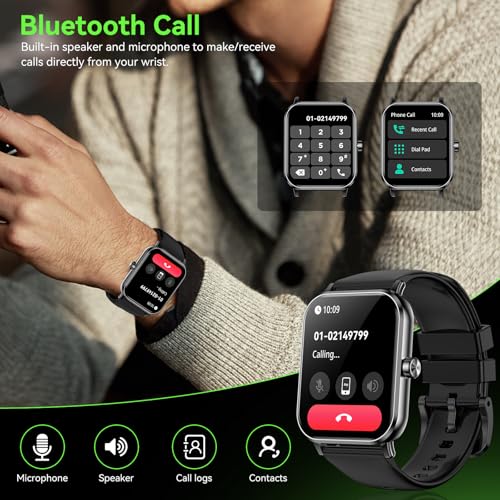
The best smartwatch for students balances safety, focus, comfort, battery life, and useful daily tools.
A student may need a quick call after practice, a quiet alarm before class, or a simple way to stay active without carrying a phone everywhere. Parents also want peace of mind, while older students may want fitness tools, reminders, and fewer distractions. I reviewed these smartwatch options with those needs in mind. I also checked the listed features, screen sizes, connection needs, and school-friendly controls. The right choice depends on age, school rules, phone access, and whether GPS or cellular service matters most.
Dpofirs 1.44-Inch Student Smart Watch

The Dpofirs 1.44-inch student watch is built around simple communication and daily control. Its listed features include a touch screen, camera, flashlight, school mode, and a standard Micro SIM card slot. That mix can help a child stay connected without carrying a full-size phone. The red and blue finish also gives it a playful look that may suit younger students.
School mode is the feature I would examine first. It may help limit interruptions during lessons, but parents should still confirm how the setting works before relying on it. A SIM-based watch also needs a compatible cellular plan, so check network support, activation cost, and service coverage. The camera and flashlight add fun and practical value, while the compact screen should feel easy to wear on a smaller wrist.
Pros:
- School mode can reduce classroom distractions
- Built-in camera adds a fun creative tool
- Flashlight helps with quick tasks in low light
- Micro SIM slot supports watch-based communication
- Compact 1.44-inch screen suits many younger users
- Bright red and blue styling feels kid-friendly
Cons:
- Cellular service and a compatible SIM are required for phone features
- Small screen may feel tight for long messages
- School rules may limit camera or calling features
My Recommendation
I recommend this Dpofirs model for younger students who need basic contact tools and a fun watch design. It is a strong fit for families that want school mode, a flashlight, and a camera in one small device. I would not choose it as a full fitness watch or a replacement for a mature smartphone. As a budget-focused best smartwatch for students, it offers useful features, but parents should verify SIM compatibility and school policy before ordering.
Smartwatches Product Guide for Students
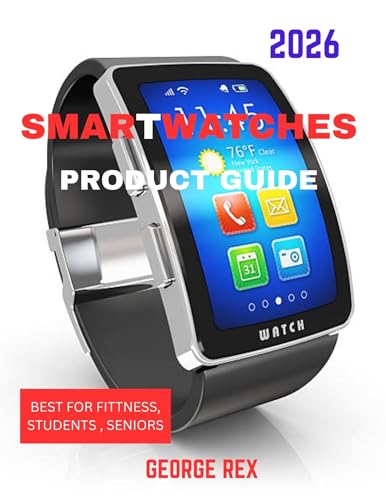
This listing is a product guide rather than a wearable smartwatch. It focuses on smartwatches for fitness, students, and seniors, so it may help shoppers compare common features before buying. That makes it different from the other products in this review. A guide can be useful when you are unsure whether you need GPS, cellular calling, health tracking, or simple notifications.
I see this book as a planning tool, not a direct answer for a student who needs a watch today. It may help parents and older students create a short list of needs and avoid paying for features they will not use. Keep in mind that smartwatch apps, phone systems, and carrier rules change over time. Use the guide as a starting point, then confirm current product details on the Amazon listing and the maker’s support page.
Pros:
- Helps shoppers understand smartwatch categories
- Addresses student needs along with fitness and senior use
- Can support a more careful buying decision
- Useful for comparing features before spending money
- May help families focus on safety and ease of use
Cons:
- It is not an actual smartwatch
- It cannot provide calls, alerts, GPS, or fitness tracking
- Advice may not match every current 2026 device or carrier
My Recommendation
I recommend this guide for a parent, student, or caregiver who needs help choosing a device. It is especially useful before comparing a basic watch with a cellular or GPS model. It is not suitable for someone searching for the best smartwatch for students as a ready-to-wear product. Its value comes from research and planning, so pair it with current technical checks and a real smartwatch purchase.
DDIOYIUR 4G GPS Smart Watch for Kids

The DDIOYIUR 4G kids watch is aimed at students ages 4 to 16, according to its listing. It includes GPS, Wi-Fi, SMS, calls, voice and video chat, Bluetooth, audio recording, an alarm, and a pedometer. That is a broad set of tools for families that want communication and location features in a wrist device. The watch may reduce the need to hand a young child a larger phone.
GPS can be helpful for family peace of mind, but no location tool should be treated as perfect. Signal, battery level, indoor use, and network coverage can affect results. Parents should review privacy settings, contact controls, and recording rules before giving the watch to a child. The 4G label also makes carrier compatibility a key buying step, since not every SIM or network works with every watch.
Pros:
- GPS may help families check a student’s location
- 4G calling supports direct contact when properly activated
- Voice and video chat add flexible communication
- Alarm can support morning and homework routines
- Pedometer encourages simple daily movement
- Wi-Fi and Bluetooth add connection choices
Cons:
- Requires a suitable 4G plan and compatible SIM
- Many communication features can increase battery use
- Young children may need help with setup and privacy controls
My Recommendation
This DDIOYIUR watch is best for younger students whose parents value GPS and two-way communication. It suits families that want calling, alarms, and activity tracking in one device. I would choose it over a simple watch when safety contact matters more than a slim design. It could be a strong best smartwatch for students in the elementary and middle school range, provided the carrier and school both support its use.
DDIOYIUR 4G Student GPS Watch
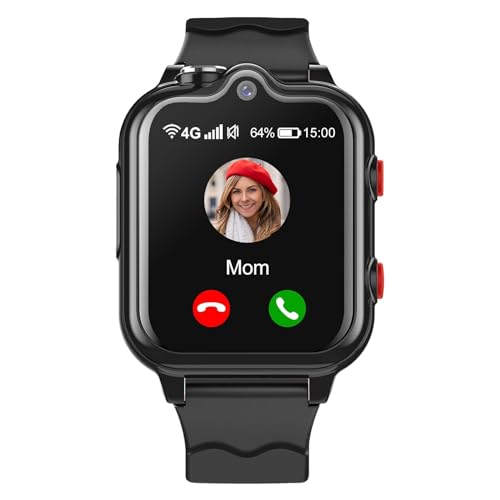
This second DDIOYIUR listing offers the same broad student-focused feature set in a separate version. The product description lists 4G, GPS, Wi-Fi, SMS, calls, voice and video chat, Bluetooth, audio recording, alarms, and a pedometer. That makes it more like a child phone worn on the wrist than a basic timepiece. It may help a student stay reachable during school travel, family outings, or after-school activities.
I would compare this version with the other DDIOYIUR listing for color, seller details, price, and included accessories. Similar names do not always mean every package is identical. Before purchase, confirm the supported bands and whether the watch needs a separate data plan. I also suggest setting approved contacts and explaining when the watch must stay silent, especially during tests and class discussions.
Pros:
- Combines GPS, calls, and messages in one wearable
- Video chat can help a parent reach a child quickly
- Alarm supports daily schedules and reminders
- Pedometer gives students a simple activity goal
- Wi-Fi may reduce reliance on mobile data in some places
- Designed with children and students in mind
Cons:
- Needs careful carrier and SIM checking
- Large feature count may feel complex for a young child
- Recording and camera-style functions may face school restrictions
My Recommendation
I recommend this version for families that want a full communication watch for a school-age child. It is a better match for safety contact than for a student who only needs step counts and notifications. Parents should set boundaries for calls, messages, recordings, and video chat. If the listing price and color suit your needs, this can serve as a practical best smartwatch for students who are not ready for a full phone.
Dpofirs 1.44-Inch Student Watch in Pink

This pink and purple Dpofirs watch shares the student-friendly design of the red and blue version. Its listed features include a 1.44-inch touch screen, camera, school mode, standard Micro SIM support, and a flashlight. The smaller display may be comfortable for a child who does not want a bulky watch. Its bright color also gives it a clear personal style.
The main choice here is likely appearance rather than a major change in function. I would select this model for a student who prefers pink or purple and may wear the watch more often because it feels personal. School mode can help keep attention on lessons, but families should test it at home first. Remember that SIM support, network access, and battery life depend on the exact setup and daily use.
Pros:
- Pink and purple colors appeal to many younger users
- School mode may help limit classroom interruptions
- Camera supports simple photos and creative play
- Flashlight offers a handy emergency light
- Micro SIM slot supports basic independent contact
- Touch controls are easy to understand for many children
Cons:
- Requires a compatible cellular plan
- Small display is not ideal for detailed typing
- Camera use may not be allowed in some schools
My Recommendation
This Dpofirs model is best for a younger student who wants a colorful watch with basic communication tools. It is a sensible choice when the family values school mode and a simple interface. I would pick it over a more advanced 4G GPS watch when location tracking is not the main goal. For style-conscious children, it may be the best smartwatch for students because a watch only helps when the child enjoys wearing it.
Dpofirs 4G Student Watch With Camera
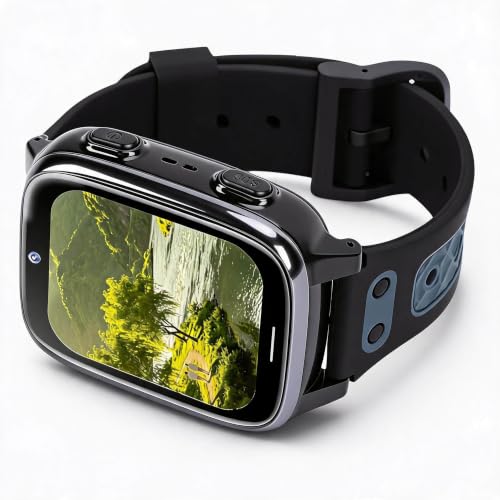
The Dpofirs 4G student watch has a larger 1.83-inch touch screen than the 1.44-inch models above. Its listing highlights classroom mode, a built-in camera, alarms, and a SIM card slot. The larger display may make menus and alerts easier to see. The black finish also looks more neutral for older students who do not want a bright kid-style color.
Classroom mode is a useful idea because students need a clear line between school time and free time. Still, I would confirm whether it blocks calls, notifications, or only certain functions. The built-in camera adds value for casual use, but it may also create privacy concerns in classrooms. A 4G watch needs a supported plan, and buyers should check the listing for current network requirements before ordering.
Pros:
- Larger 1.83-inch screen improves visual comfort
- Classroom mode supports a more focused school day
- Built-in camera adds creative and practical use
- Alarm tools can support routines and deadlines
- Black finish works well for older students
- 4G connectivity can support calls away from a phone
Cons:
- Requires compatible cellular service
- Camera features may be restricted by school policies
- Larger screen may feel less comfortable on a very small wrist
My Recommendation
I recommend this Dpofirs watch for middle school students who want a more mature look and a screen that is easier to read. Classroom mode is the key benefit for students who need help keeping tech in check. It is not the best pick for families that require detailed health data or advanced phone integration. Among the listed options, it may be the best smartwatch for students who want a balance of simple calling, alarms, and a larger screen.
Dpofirs 4G Student Watch in Pink

This pink Dpofirs 4G watch provides the same core concept as the black version. It lists a 1.83-inch touch screen, classroom mode, a built-in camera, alarms, and a SIM card slot. The color gives students another way to match the watch to their personal style. A slightly larger screen can make the time, alerts, and menus easier to read than a tiny fitness band.
I think this model works best when style helps build a daily habit. A student who likes the color may be more willing to wear the watch, charge it, and use its tools with care. Parents should still review classroom rules and privacy expectations before allowing camera use. For cellular features, check plan requirements and coverage rather than assuming every 4G SIM will work.
Pros:
- Pink color offers a bright, personal design
- 1.83-inch screen may improve readability
- Classroom mode can support less distracting use
- Camera gives students a simple creative feature
- Alarms help with school, sports, and home routines
- SIM slot allows cellular communication with the right plan
Cons:
- Cellular activation adds an ongoing cost
- Camera use may be banned during classes or exams
- Pink styling may not suit every student
My Recommendation
This pink Dpofirs model is best for students who want a larger screen but prefer a softer, brighter design. I would consider it for middle school users who need alarms and basic contact tools. It is not a strong fit for a student who wants deep fitness data, app support, or a premium phone companion. As a best smartwatch for students, it stands out for its screen size, classroom mode, and approachable design.
Dpofirs 1.44-Inch 4G Watch With Wi-Fi

This Dpofirs 4G smartwatch uses a smaller 1.44-inch touch screen and lists Wi-Fi, an alarm clock, and a SIM card slot. It focuses on core daily functions rather than a long list of advanced tools. The black design is simple and can suit students who prefer a low-key look. A compact watch may also feel lighter during school, sports, or travel.
Wi-Fi can be useful in suitable locations, but it does not remove the need to check cellular requirements for SIM-based features. I would see this watch as a basic communication and time-management tool. The alarm may help students wake up, remember activities, or manage study blocks. Since the screen is small, I would not choose it for frequent typing or long conversations.
Pros:
- Compact 1.44-inch design may feel light on the wrist
- Wi-Fi adds another connection option
- Alarm clock supports time management
- Black finish looks simple and discreet
- SIM slot can support calls with compatible service
- Less feature-heavy layout may feel easier for younger users
Cons:
- Small screen limits typing comfort
- Requires network and SIM compatibility checks
- Does not list GPS or a built-in camera
My Recommendation
I recommend this model for students who need a basic phone watch and alarm rather than a full activity device. It may suit a child who finds larger watches heavy or distracting. I would choose it when simplicity matters more than GPS, video chat, or camera tools. For families seeking a basic best smartwatch for students at a lower feature level, this Dpofirs watch deserves a look.
Dpofirs 1.44-Inch 4G Watch in Pink

This pink Dpofirs watch is a colorful version of the compact 1.44-inch 4G model. Its listed features include Wi-Fi, an alarm clock, a touch screen, and a SIM card slot. It is aimed at students who want a small watch with phone-style contact features. The design may appeal to children who care about color but do not need a large display.
I like the clear focus on basic tools. An alarm can help a student remember a bus, class, practice, or bedtime without opening a phone. Wi-Fi may help in places with a suitable network, while 4G features still depend on an approved plan. Buyers should compare this pink model with the black version based on price, fit, and personal style rather than expecting a major feature change.
Pros:
- Pink finish gives the watch a friendly look
- Small design may fit younger wrists
- Wi-Fi supports connection in compatible locations
- Alarm clock helps build daily habits
- SIM slot supports calling with the right service
- Simple feature set may be less overwhelming
Cons:
- 1.44-inch screen is not ideal for long messages
- Needs a compatible SIM and cellular plan
- Does not list GPS, video chat, or camera functions
My Recommendation
This watch is best for a younger student who wants a bright color and basic contact features. It is a good match for families that want an alarm and phone watch without a large screen. I would not select it for advanced location tracking or rich exercise records. It can be the best smartwatch for students who prefer a simple, colorful device and have access to a compatible cellular plan.
LogHog 4G GPS Watch for Teen Students

The LogHog watch is designed for girls and teen students and lists a 1.78-inch AMOLED screen. It includes 4G, Wi-Fi, GPS, SOS, a camera, two-way video calling, a pedometer, and WhatsApp support. That makes it one of the most feature-rich options in this group. The larger AMOLED display may offer a clearer and more engaging view than the smaller 1.44-inch watches.
This model is a better fit for a teen who needs more than an alarm and basic call button. GPS and SOS can support a family safety plan, while video calling may help with quick check-ins. App support can change with software, region, and phone compatibility, so buyers should confirm WhatsApp and phone requirements before purchase. I also recommend setting clear rules for location sharing, camera use, and messaging to protect privacy and reduce distractions.
Pros:
- 1.78-inch AMOLED display may look bright and clear
- GPS supports location features when properly connected
- SOS provides a quick emergency contact option
- Two-way video calling supports richer check-ins
- Pedometer encourages daily movement
- WhatsApp support may suit older students
- 4G and Wi-Fi offer flexible connection choices
Cons:
- More features can mean more setup and battery use
- Requires compatible 4G service and phone support
- Camera and messaging may conflict with school rules
My Recommendation
I recommend the LogHog for teens whose families want GPS, SOS, and richer communication tools. It is the strongest option here for a student who may outgrow a simple child watch. I would still check app support, network bands, privacy controls, and school policy before buying. For many older users, this is a leading best smartwatch for students because it combines safety tools with a larger, more modern screen.
What to Look for in the Best Smartwatch for Students
Choosing the best smartwatch for students starts with the student, not the feature list. A preschool child, middle school student, and college learner have very different needs. A young child may need approved calls and a simple SOS button. A teen may want a larger screen, fitness data, and fewer phone distractions.
I use five main checks when comparing student watches: connection, focus, comfort, safety, and total cost. These checks help remove the noise from long product listings. They also make it easier to compare a low-cost phone watch with a more advanced wearable.
1. Decide Whether You Need Cellular Service
A Bluetooth watch usually connects to a nearby phone. A cellular watch can often call or send data on its own, but it needs a supported plan. This difference affects both price and daily use. If the student always carries a phone, Bluetooth may be enough.
For a younger child, a cellular watch can act as a small communication bridge. The child may contact approved family members without browsing a full phone. Before buying, check cellular bands, SIM size, activation steps, and carrier support. A 4G label alone does not guarantee that a watch will work on every US network.
2. Check School and Classroom Controls
Many schools restrict phones, cameras, recording devices, and smartwatches. A watch with school mode or classroom mode may help, but the setting does not replace school rules. Ask the school what it allows before purchase. This simple step can prevent a costly return.
I prefer watches that make quiet use easy. A student should be able to see the time without opening a distracting app. Alarms should stay off during lessons. Camera, call, and message tools need clear limits, especially during exams.
3. Choose the Right Screen Size
A large screen is easier to read and tap. It may also make messages and menus more comfortable. However, a large case can feel heavy on a small wrist. The 1.44-inch watches in this guide favor compact size, while the 1.78-inch and 1.83-inch choices offer more viewing room.
Screen size also affects battery use and durability. A student who wants a simple alarm may not need a large display. A teen who uses video calls may appreciate every extra fraction of an inch. I would value a secure strap and comfortable fit over a flashy screen.
4. Treat GPS as a Helpful Tool, Not a Guarantee
GPS can assist with location awareness, but it has limits. Buildings, trees, weather, network conditions, and battery level can affect location results. Parents should test the system in real places before depending on it. The American Academy of Pediatrics also encourages families to set healthy technology boundaries and protect children’s privacy.
Use location tools with trust and care. Explain to the student what is shared, who can see it, and when it is checked. A safety watch should support a family plan, not create fear or constant surveillance.
5. Think About Battery and Charging
A watch with 4G, GPS, video calling, and a bright screen may need more frequent charging than a simple digital watch. The product listing may show a battery claim, but real life varies. Calls, weak signal, frequent location checks, and screen brightness all affect runtime.
I suggest creating a fixed charging habit. Bedtime works well for many families, but students who need a morning alarm may prefer an evening charge with a backup clock. Teach the student to check the battery before leaving home. A dead safety watch is just a small bracelet.
6. Review Privacy and Child Safety Controls
Smartwatches can hold contact data, location details, messages, photos, and voice recordings. Parents should use strong account passwords and install updates when available. Only approved contacts should have access to a child’s watch. Review the privacy policy and app permissions before setup.
Camera and recording tools deserve special care. A student should know that recording another person without permission can violate school rules or local laws. The Federal Trade Commission also advises families to think carefully about children’s data and connected devices. Good settings matter as much as good hardware.
7. Compare Total Cost, Not Just the Watch Price
The purchase price is only one part of the budget. A cellular watch may need a monthly plan, SIM, activation, replacement band, or protection case. Some app features may also require an account or subscription. Add these costs before calling a model a bargain.
Low cost can still be good value when the watch does exactly what the student needs. A simple alarm and call watch may deliver more useful value than an expensive model filled with unused apps. The best smartwatch for students is the one that fits the student’s routine and the family’s budget.
How I Compared These Student Smartwatches
I compared the listings by looking at the features that affect student life. These included screen size, SIM support, 4G or Wi-Fi connection, school controls, alarms, GPS, SOS, communication, and activity tools. I also considered the age range suggested by each product description.
I did not treat every listed feature as a promise of equal performance. Cellular service depends on the carrier. GPS depends on signal and setup. App support depends on software and phone compatibility. That is why I recommend checking the current Amazon listing, return terms, and manufacturer instructions before buying.
I also separated useful features from possible distractions. A camera can be fun, but it may not belong in a classroom. Video calls can help families connect, but they may use more data and battery. School mode can help focus, but the student still needs to follow the school’s own policy.
Best For Comparison
| Best for | Why |
|---|---|
| Younger students who need simple contact | The compact Dpofirs 1.44-inch models offer alarms, touch controls, and SIM-based features in a small design. |
| Students who need GPS and safety tools | The DDIOYIUR and LogHog models list GPS, 4G, and communication features for family check-ins. |
| Teens who want a larger screen | The LogHog and 1.83-inch Dpofirs models provide more viewing space for alerts and daily use. |
Smartwatch Features That Matter at Different Ages
Age changes the meaning of “best.” A young student may need a watch that is hard to misuse. A teen may need a watch that feels less childish. A college student may care more about fitness, calendars, focus tools, and phone compatibility.
For elementary students, I would prioritize approved contacts, a simple interface, school mode, and a secure strap. GPS can be useful when the family understands its limits. For middle school students, alarms, messages, and a larger screen may matter more. For high school and college, a phone companion with fitness and calendar tools may be a better fit than a kid-focused cellular watch.
Parents should also consider maturity. Two students of the same age may handle technology in very different ways. One may use a watch responsibly, while another may need fewer features. The best smartwatch for students should match the user’s judgment, not just the user’s age.
Common Mistakes to Avoid
The first mistake is buying a cellular watch without checking the network. Always confirm the carrier, bands, SIM type, and plan. The second mistake is assuming GPS works everywhere with perfect accuracy. Test it before using it as part of a safety plan.
Another mistake is ignoring school policy. A camera or recording function may be restricted even when the watch itself is allowed. Families should also avoid giving a child more access than needed. Turn off features that create distraction or privacy risk.
Finally, do not forget comfort. A watch that pinches, slips, or feels too heavy may stay in a drawer. Look for a good fit, simple charging, and controls the student can use without help. Small daily details often decide whether a device becomes useful or forgotten.
FAQs Of best smartwatch for students
What is the best smartwatch for students?
The best choice depends on age and needs. The LogHog is the most feature-rich option listed, while Dpofirs models suit students who need simple calls, alarms, and school controls. Check school rules and cellular compatibility before buying.
Do student smartwatches need a SIM card?
Models with 4G or SIM slots usually need a compatible SIM and cellular plan for independent calls and data. A Bluetooth watch may work through a nearby phone instead. Confirm the supported network before activation.
Are smartwatches allowed in school?
Rules vary by school and classroom. Some schools allow basic timekeeping but restrict calls, cameras, recording, or messages. Ask the school for its current policy and use classroom or school mode when appropriate.
Is GPS on a student smartwatch always accurate?
No. GPS can change with buildings, signal strength, weather, battery level, and network conditions. Use it as a helpful tool, not as a perfect substitute for supervision or an emergency plan.
Should a student use a smartwatch instead of a phone?
A watch can reduce screen access and support simple contact. It may not replace a phone for homework, maps, detailed messages, or many apps. Choose based on the student’s age, routine, and safety needs.
Final Verdict: Which Should You Buy?
For most families, I would choose the LogHog for older students because it lists GPS, SOS, 4G, video calling, and a larger AMOLED screen. For younger students, a Dpofirs model offers a simpler and more focused design.
The best smartwatch for students should be safe, comfortable, school-friendly, and affordable to maintain. Check network support and school rules before ordering for the best result.