Finding the best smartwatch for emergency needs means choosing fast alerts, clear calls, reliable location tools, and simple controls.
Picture an older parent alone at home, a hiker caught after sunset, or a runner who takes a hard fall. In those moments, a watch can act like a small lifeline on the wrist. The best emergency smartwatch should make it easy to call for help, share a location, and reach a trusted contact without digging through a phone. I reviewed these eight options with those real needs in mind. I also looked at fall alerts, GPS, two-way voice, water resistance, battery use, monitoring plans, and daily comfort.
Medical Guardian MGMove Emergency Watch

The Medical Guardian MGMove is built around a clear goal: help the wearer reach support with less effort. Its emergency call button and two-way voice feature can be useful for seniors who may not feel comfortable using a regular phone. The watch also lists GPS tracking and a step counter, so it can support both safety and daily activity. Its wearable design may feel less clinical than a traditional medical alert pendant.
This model requires a monthly monitoring plan, so the full cost includes more than the watch itself. That plan may appeal to families who want a structured response service rather than alerts sent only to relatives. The water-resistant build adds peace of mind during hand washing or light exposure to water, but I would still avoid swimming unless the maker clearly approves it. For many families, this is a strong candidate for the best smartwatch for emergency support at home or on short trips.
Pros:
- Dedicated emergency call button
- Two-way voice support for direct communication
- GPS tracking for added location awareness
- Water-resistant design for everyday use
- Step counter supports simple activity tracking
- Senior-focused design may feel easier than a complex fitness watch
Cons:
- Requires a monthly monitoring plan
- May offer fewer advanced fitness tools than a sports smartwatch
- Families should confirm coverage and service terms before purchase
Best suited for: seniors who want a dedicated safety watch with professional monitoring and voice contact. It also fits adult children who want a simple device for a parent without relying on the parent’s smartphone skills. I would place it near the top for users who value emergency response more than apps, music, or advanced exercise data.
Safelynk SOS Medical Alert Watch

The Safelynk smartwatch focuses on emergency access for seniors and people who may need help during a fall or sudden health event. The listing highlights an SOS button, GPS tracking, fall detection, a mobile app, and 24/7 monitoring. That combination covers the main features I look for when judging a safety-focused wearable. A direct emergency button can save time when a user cannot find a phone or speak for long.
The Complete Care Package may be attractive to families who want monitoring and dispatch support in one service. Still, buyers should read the plan details, activation steps, response process, and cellular requirements before ordering. Fall detection can help, but no sensor catches every fall, especially slow slips or unusual body movements. As a result, the wearer should still know how to press the SOS button manually.
Pros:
- Dedicated SOS emergency button
- Fall detection is designed for added safety
- GPS tracking can help approved contacts locate the wearer
- 24/7 monitoring and dispatch support are listed
- Mobile app can help family members stay informed
- Useful blend of emergency and location features
Cons:
- Monitoring package may add a recurring cost
- Fall detection is not a replacement for manual help calls
- Cellular service and app setup need careful checking
Best suited for: seniors who live alone, have a fall risk, or need more support than a basic Bluetooth watch can provide. I also like it for families who want an app plus a monitoring center. If its service works in the wearer’s area and the plan fits the budget, it could be the best smartwatch for emergency care for a senior household.
Garmin Fenix 8 Pro 51mm
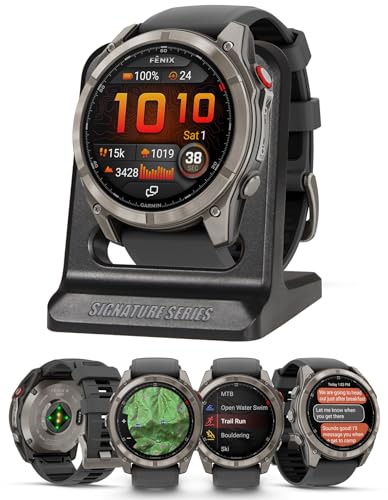
The Garmin Fenix 8 Pro 51mm takes a different path from a senior medical alert watch. It is a premium multisport GPS watch with health tools and inReach technology aimed at outdoor communication and emergency survival. The large 51mm size may suit hikers who want a bold screen, long outdoor use, and rich navigation data. Its AMOLED display should make maps and alerts easier to view in many conditions, though bright sunlight and battery settings can affect use.
Garmin’s inReach features depend on an active satellite subscription and suitable sky access. That matters because satellite messaging is not the same as a normal cellular emergency call. In dense trees, steep canyons, or buildings, connection time may vary. I see this as a powerful tool for hikers, campers, and search-and-rescue-minded users, not as the simplest watch for an older adult who only needs one large help button.
Pros:
- inReach technology supports satellite communication features
- Premium GPS tools for outdoor navigation
- AMOLED display offers bright, detailed visuals
- Strong multisport and health tracking focus
- Large case can be easier to read outdoors
- Built for demanding outdoor use
Cons:
- Large 51mm case may feel heavy on a small wrist
- Satellite features require a compatible active plan
- Advanced menus may overwhelm users seeking a simple SOS watch
- High purchase price may not suit every budget
Best suited for: serious hikers, hunters, climbers, and travelers who may move beyond cell coverage. It is also a good choice for an experienced athlete who wants one watch for training, navigation, health data, and emergency contact. I would not choose it as the best smartwatch for emergency use for a senior unless that person already enjoys advanced outdoor technology.
EarlySincere Call Smartwatch
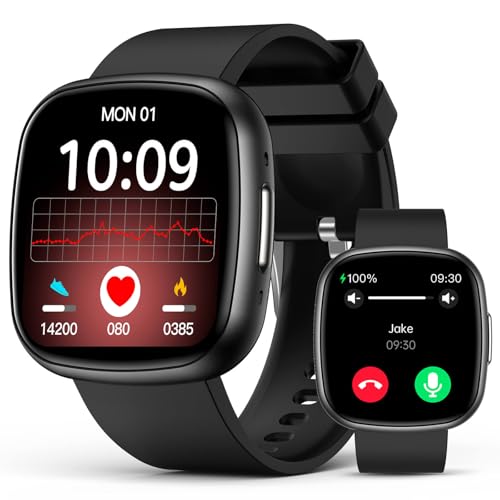
The EarlySincere smartwatch is a general-use option for men and women who want a large 1.72-inch Retina HD screen and Bluetooth calling. Its answer-and-make-call feature can be useful when the paired phone is nearby but not easy to reach. A larger screen may help users read call notices, messages, and basic health information. This type of watch can provide everyday convenience without the cost of a dedicated medical alert plan.
However, Bluetooth calling usually depends on a nearby compatible smartphone and a working phone connection. That makes it different from a watch with its own cellular service or satellite link. I would treat it as a backup communication tool, not a complete emergency response system. Before calling it the best smartwatch for emergency needs, buyers should confirm whether it includes SOS, GPS, fall detection, and the phone support their family expects.
Pros:
- Large 1.72-inch display
- Supports answering and making calls
- Useful for everyday communication
- May cost less than monitored medical alert watches
- Suitable for both men and women
- Simple phone companion for users who keep a smartphone nearby
Cons:
- Bluetooth calling normally needs a nearby smartphone
- Emergency monitoring may not be included
- Buyers should verify GPS, SOS, and fall features
Best suited for: adults who want a large display and basic calling in a low-cost smartwatch. It fits a user who already carries a phone and wants wrist access to calls. I would recommend it for general convenience, but I would choose a dedicated medical alert model when emergency response is the main goal.
COCO Senior Health Monitoring Watch

The COCO smartwatch places health tracking and senior care in the same package. The listing includes heart rate, body temperature, blood oxygen, activity tracking, medication reminders, and an SOS PERS feature. These tools may help a user build a daily routine and give family members useful prompts. I especially like the medication reminder concept because small daily nudges can support better habits.
Health readings from a consumer smartwatch are not the same as a medical diagnosis. The FDA advises users not to rely on unauthorized wearable readings for medical decisions, and the wearer should discuss concerning symptoms with a qualified clinician. Bluetooth models also need the right phone connection and app setup. For emergency use, test the SOS process at home so the user knows what happens after pressing it.
Pros:
- Includes an SOS personal emergency response feature
- Medication reminders support daily routines
- Tracks heart rate and activity
- Lists body temperature and blood oxygen features
- Senior-friendly focus
- Combines wellness tools with safety functions
Cons:
- Health data should not replace medical care
- Bluetooth and app setup may be needed
- Buyers should confirm how SOS alerts reach contacts or responders
Best suited for: seniors who want health reminders and a basic emergency button in one wearable. It may also suit caregivers who help with setup and routine checks. I would consider it a practical value pick, but I would verify the alert system and phone compatibility before depending on it in a crisis.
Elderly 4G GPS Safety Watch

This elderly 4G GPS watch targets family connection and location tracking. The listing highlights real-time tracking, video calls, voice messages, an SOS alarm, geo-fencing, and a pedometer. Those features can help a caregiver check whether a parent reached a safe area or moved outside a set zone. A waterproof design may also make it suitable for normal daily wear, but I would confirm the exact water rating before exposing it to heavy water.
The word “global” in a product listing does not guarantee service on every US network. A 4G watch needs compatible bands, an active SIM or plan, and coverage in the area where it will operate. GPS accuracy can also change near tall buildings, indoors, or under thick cover. I like the mix of communication and tracking, but setup is the key test for this model.
Pros:
- 4G communication design
- Real-time GPS tracking feature
- SOS emergency alarm
- Geo-fence alerts may help with wandering concerns
- Video calls and voice messages add family contact
- Pedometer supports basic activity tracking
Cons:
- Requires compatible cellular service and likely a SIM or plan
- US network compatibility needs confirmation
- GPS may be less accurate indoors or near obstacles
- Some features may require app setup by a caregiver
Best suited for: families who want to keep track of an older adult’s location and communicate through a 4G watch. It can be a useful choice for people with wandering risks or those who often leave home alone. I would select it over a Bluetooth-only watch when cellular compatibility is confirmed.
Garmin Fenix 8 Pro 47mm

The 47mm Garmin Fenix 8 Pro offers the same outdoor-first idea in a smaller case than the 51mm version. Its AMOLED display, premium GPS tools, health tracking, and inReach technology make it a strong fit for people who travel far from cell towers. The smaller size may feel more balanced for medium wrists while still giving enough room for maps and alerts. The included power bundle may also appeal to buyers who want useful accessories in the package.
As with any satellite communicator, the watch needs a suitable plan and a clear path to the sky for best results. Users should learn how to send a message, trigger an SOS, and share location before starting a remote trip. It is wise to carry other safety gear, such as water, a light, and a first-aid kit. This is a premium outdoor safety tool, not a substitute for a trained emergency plan.
Pros:
- Smaller 47mm size than the 51mm model
- inReach satellite communication features
- Detailed GPS navigation
- AMOLED screen with strong visual appeal
- Wide health and multisport tracking range
- Useful for remote travel beyond cell coverage
Cons:
- Satellite service may require a paid subscription
- Advanced controls take time to learn
- Premium price may be too high for basic emergency needs
- Satellite connection can vary by location and sky view
Best suited for: outdoor users who want a less bulky alternative to the 51mm model. It is a smart pick for backpackers, trail runners, and travelers who need navigation plus satellite contact. For those users, it may be the best smartwatch for emergency trips where ordinary phone service cannot be trusted.
Fall Protection 4G Safety Watch
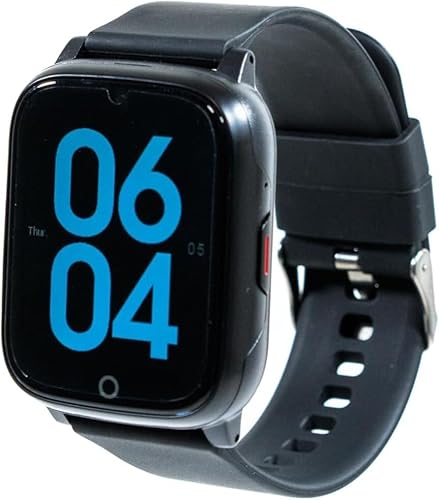
The Fall Protection and Emergency 4G Safety Watch is aimed at elderly users who need an alert and assistance device on the wrist. Its name points to fall protection, while the listing describes elderly alerts, protection, and assistance. A 4G connection can provide more freedom than a Bluetooth watch when the wearer walks outside alone. The wrist format may also feel more natural for someone who dislikes a pendant.
Before use, I would test the watch in every important room, outside area, and travel zone. Cellular devices need a compatible service plan, and emergency features may work only after activation. Fall alerts can sometimes trigger by mistake or miss a fall, so manual SOS access still matters. A caregiver should also check charging habits because a safety watch cannot help when its battery is empty.
Pros:
- 4G design supports use away from a phone
- Focused on fall and emergency assistance
- Wearable wrist format
- May offer more mobility than a home-only alarm
- Designed with elderly safety in mind
- Simple purpose for families seeking added protection
Cons:
- Cellular plan and coverage must be confirmed
- Fall detection cannot identify every incident
- Battery charging needs regular attention
- Product details should be checked for exact call and GPS functions
Best suited for: older adults who spend time outside the home and need 4G-based assistance. It may work well for families who want a simpler safety tool than a full sports smartwatch. I would consider it after confirming the network, subscription, alert path, and fit.
My Recommendation
After comparing the eight watches, I would choose based on the emergency setting, not just the number of features. The Medical Guardian MGMove is my leading choice for a senior who wants a clear call button, two-way voice, GPS, and a monitoring plan. Safelynk is a strong alternative for families who want fall detection, an app, and 24/7 monitoring. For remote outdoor travel, the Garmin Fenix 8 Pro models stand apart because inReach satellite tools can work beyond normal cell coverage.
| Best for | Why |
|---|---|
| Senior home safety | Medical Guardian MGMove offers a clear emergency button, voice contact, GPS, and monitoring support. |
| Fall alerts and family care | Safelynk combines SOS, fall detection, GPS, app access, and listed 24/7 monitoring. |
| Remote hiking and travel | Garmin Fenix 8 Pro adds GPS navigation and inReach satellite communication features. |
The main lesson is simple: the best smartwatch for emergency use must match the person wearing it. A senior may need one large button and a live response team. A hiker may need satellite messaging, maps, and a tough case. A phone user may only need Bluetooth calling, but that option has less independence during a true emergency.
How I Evaluate the Best Smartwatch for Emergency Use
I start with the help button because speed matters more than decoration. A good emergency watch should make the SOS control easy to find, press, and understand. I then check how the alert travels: to a family member, a monitoring center, or an emergency service. Those paths are not the same, and a buyer should never assume that every SOS button calls 911 automatically.
Next, I look at communication. Two-way voice lets the wearer explain what happened and hear instructions. GPS can help approved contacts find the person, but location accuracy depends on signal, surroundings, and device settings. Satellite messaging offers another path in remote areas, yet it needs a plan and an open view of the sky.
I also consider comfort, charging, water protection, screen size, and setup. A watch that stays in a drawer has no safety value. A device should feel light enough to wear each day and simple enough to use under stress. I advise every family to run a practice alert, charge the watch on a set schedule, and write down the support number and plan rules.
Emergency Smartwatch Features That Matter Most
SOS access: The button should be easy to press without opening several menus. Some users may have poor vision, shaky hands, or limited movement. A large physical control can be more useful than a tiny touch icon.
Two-way calling: Voice contact gives context. A wearer can say, “I fell in the kitchen,” or “I am lost near the trail,” instead of sending only a silent alert. This feature can reduce confusion for both the wearer and the responder.
Fall detection: Fall sensors use motion data to look for a sudden change. They may help when a person cannot press the button. Still, no consumer watch detects every fall, so users should keep manual SOS instructions close at hand.
GPS tracking: GPS can support location sharing during an emergency. It works best outdoors with a good signal. Indoor location, tall buildings, thick trees, and battery-saving modes may reduce accuracy.
Cellular service: A 4G watch may work without a phone, but it usually needs a compatible carrier or service plan. Always check US network bands and coverage. A product page that says “global” may not fit every American carrier.
Satellite contact: Satellite communication can help in remote places beyond cell coverage. It does not work like a regular phone call, and trees, cliffs, and buildings may slow or block a connection. A user should activate the plan and practice before a trip.
Battery life: GPS, calls, bright displays, and cellular use can drain a battery fast. I recommend charging at a fixed time each day or using a clear low-battery routine. Caregivers should check the charge level during regular calls.
Water resistance: Water resistance helps with rain, sweat, and daily splashes. It does not always mean the watch is safe for a shower, pool, or ocean. Follow the stated rating and close any charging port before exposure.
Smartwatch Versus a Traditional Medical Alert Device
A smartwatch can look more modern and may encourage daily wear. It can combine calls, health tools, GPS, reminders, and emergency support in one device. That broad function appeals to active users who do not want a medical pendant.
A traditional medical alert device may be simpler. Many models focus on one task: connect the user to help. For an older adult with memory loss, poor vision, or limited technology skills, fewer functions can be a real advantage.
I would not judge one category as best for every person. The right choice depends on whether the user needs professional monitoring, family alerts, mobile freedom, or remote satellite contact. The best smartwatch for emergency use is the one the wearer can operate and will actually keep charged.
How to Set Up an Emergency Smartwatch
Start by reading the service plan, not just the watch features. Confirm the monthly fee, trial period, cancellation rules, cellular coverage, dispatch method, and emergency contact process. If the device uses an app, install it on the caregiver’s phone and give the right permissions for location and notifications.
Add trusted contacts with clear names and current phone numbers. Record the wearer’s address, medical notes, allergies, and access instructions if the service allows it. Do not add a long list of people who may ignore an alert. Two or three reliable contacts are often better than ten uncertain ones.
Now practice. Press the SOS button during a planned test and check who receives the alert. Try a voice call from a quiet room and a noisy outdoor space. Test the watch after a full charge, then repeat the test near the wearer’s usual walking route.
Finally, build the watch into a routine. Charge it beside the bed or near a favorite chair. Clean the band and screen as directed. Replace a loose band quickly because a poor fit can make buttons hard to reach and motion sensors less useful.
Safety Limits You Should Know
No smartwatch can promise rescue in every situation. A dead battery, poor signal, blocked GPS view, broken band, or missed fall can stop an alert. That is why I treat a watch as one layer of a safety plan, not the whole plan.
Health features also need careful use. Heart rate, blood oxygen, temperature, and sleep numbers can offer clues, but they do not diagnose illness. If the wearer has chest pain, trouble breathing, severe weakness, confusion, or another urgent symptom, call 911 or follow the person’s care plan.
Privacy matters too. GPS tracking can reveal a person’s habits and location. Use strong account passwords, limit app access, and share location only with trusted people. Ask the wearer for consent whenever possible, especially when tracking an adult who can make their own choices.
FAQs Of best smartwatch for emergency
What is the best smartwatch for emergency use for seniors?
The Medical Guardian MGMove is a strong senior-focused choice because it offers an emergency call button, two-way voice, GPS tracking, and a monitoring plan. Safelynk is another good option for users who want fall detection and app support. Confirm service coverage and monthly costs before buying.
Can a smartwatch call 911 without a phone?
Some cellular or satellite watches can contact help without a nearby phone, but the exact process varies. Bluetooth-only watches usually need a paired phone. Read the product plan and test the emergency function before relying on it.
Do emergency smartwatches detect every fall?
No. Fall detection can miss some falls and may trigger a false alert. The wearer should always know how to press the manual SOS button.
Does GPS work indoors?
GPS often works best outdoors with an open view of the sky. Indoor location may be less exact. Cellular and Wi-Fi tools can add support, but results vary by model and setting.
Do I need a monthly plan for an emergency smartwatch?
Many medical alert and cellular watches need a monthly plan for monitoring, calls, GPS, or mobile data. A Bluetooth watch may avoid that fee but usually depends on a smartphone. Check the total cost before choosing.
Final Verdict: Which Should You Buy?
For most seniors, I recommend the Medical Guardian MGMove as the best smartwatch for emergency support. Choose Safelynk for fall alerts and monitoring, or Garmin Fenix 8 Pro for remote outdoor travel and satellite contact.
The best smartwatch for emergency use is simple, charged, connected, and worn daily. Match the watch to the user, confirm the service plan, and practice the SOS process before a real crisis.