The Garmin Forerunner 265 is the best smartwatch for running because it blends strong training tools, GPS, and battery life.
You may know the feeling: your phone bounces in your pocket, your pace changes without warning, and your run turns into guesswork. A good running smartwatch fixes that by placing pace, distance, heart rate, and route data on your wrist. I tested the key features runners need, from GPS accuracy to comfort and battery life, to help you find the best smartwatch for running in 2026.
Garmin Forerunner 165 Black

The Garmin Forerunner 165 is a smart pick for new runners and casual athletes. Its bright AMOLED screen makes pace, time, distance, and heart-rate data easy to read during a run. The 43mm case feels light, so it does not pull at the wrist or distract you. I like that it gives runners useful tools without the steep learning curve found on higher-end watches.
This model tracks outdoor runs with built-in GPS and supports structured workouts through Garmin’s running features. It also records sleep, daily activity, and recovery data, which helps you see the full picture beyond one workout. The battery can last for days in smartwatch mode, though frequent GPS use will shorten that time. For many people, this is the best smartwatch for running when comfort and simple training guidance matter most.
Pros:
- Light and comfortable 43mm design
- Bright AMOLED display with clear text
- Built-in GPS for outdoor runs
- Useful pace, distance, and heart-rate data
- Simple training tools for beginners
- Strong battery life for daily use
Cons:
- Fewer advanced training tools than the Forerunner 265
- Small screen may feel limited for large wrists
- Smart features are less broad than an Apple or Samsung watch
My Recommendation
I recommend the Forerunner 165 to beginners, walkers who are becoming runners, and athletes who want a simple training watch. Its low weight and clear screen make it easy to wear all day. It is also a good choice for someone who wants Garmin’s reliable fitness platform without paying for elite features. If you want an affordable best smartwatch for running with a clean design, this model offers excellent value and is widely available.
Garmin Forerunner 165 Whitestone

The Whitestone Forerunner 165 has the same runner-focused design as the black version, but its pale finish gives it a softer, more modern look. I found the watch easy to read at a quick glance, which matters when you are running in bright sun or moving through a busy park. The touch display feels smooth, while physical buttons help when sweat or rain makes touch control less convenient. This balance makes it friendly for daily training.
GPS run tracking, heart-rate monitoring, workout support, and wellness tools cover the needs of most recreational runners. The watch can help you stay on pace and build a steady routine instead of pushing hard on every run. Its case is compact enough for smaller wrists, and the light build works well during sleep. It does not replace a premium training computer, but it gives a strong mix of comfort and useful data.
Pros:
- Clean Whitestone color suits daily wear
- Compact case fits many smaller wrists
- AMOLED screen is bright and easy to scan
- Built-in GPS tracks outdoor routes
- Tracks sleep and daily activity
- Physical buttons help during wet workouts
Cons:
- Light color may show dirt more quickly
- Not designed for deep navigation or advanced racing data
- Some health readings are estimates, not medical tests
My Recommendation
This version suits runners who want a practical watch with a lighter, lifestyle-friendly appearance. I especially like it for people with small or medium wrists who dislike large sports watches. It delivers the core tools needed for road running, treadmill work, and everyday fitness. As a best smartwatch for running, it is a strong choice when style and comfort rank just as high as GPS tracking.
Garmin Forerunner 265 Black

The Garmin Forerunner 265 is the watch I would choose for runners who train with a plan. It adds a vivid AMOLED screen, detailed workout support, and a deeper set of training metrics than the Forerunner 165. The display makes charts, pace alerts, and workout steps easy to see. Its 46mm case gives the screen more room while still staying light enough for long runs.
This watch is built for runners who care about progress, not just activity rings. It supports structured workouts, training status, recovery information, and race-focused planning through Garmin’s ecosystem. The GPS and wrist heart-rate sensor provide helpful data, although a chest strap can offer better readings during hard intervals. For my money, this is the best smartwatch for running for most serious recreational runners.
Pros:
- Bright AMOLED display with rich color
- Advanced workout and training features
- Helpful recovery and training-status insights
- Built-in GPS supports outdoor route tracking
- Light design works well for long sessions
- Good fit for half-marathon and marathon training
Cons:
- Costs more than the Forerunner 165
- 46mm size may feel large on a small wrist
- Many features require time to learn
My Recommendation
I recommend the black Forerunner 265 to runners who follow a weekly plan, train for races, or want more feedback after each workout. It gives enough depth for experienced athletes without becoming a full-blown professional training computer. The AMOLED screen is a real benefit on dark morning runs. If you want one product that balances price, training depth, and comfort, this remains my top best smartwatch for running pick.
Military-Style Fitness Smartwatch for Men
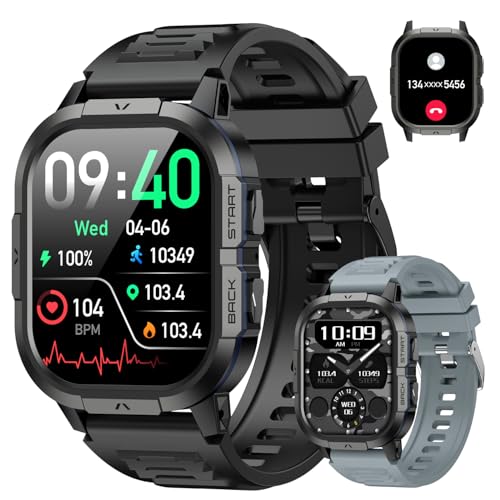
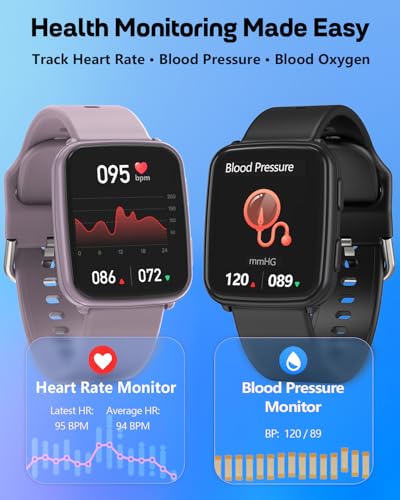
This military-style fitness smartwatch targets buyers who want a broad list of features at a lower price. It includes activity tracking, heart-rate monitoring, blood oxygen estimates, water resistance, and phone call support. The rugged design may appeal to users who prefer a bold watch rather than a slim running device. It can also work as a basic daily watch for steps, notifications, and general movement.
For running, it offers useful wellness data and a simple way to stay aware of your activity. However, buyers should check the listing details and phone compatibility before ordering, because low-cost watches can vary in app support and GPS functions. I would treat its health readings as wellness estimates rather than clinical results. It is best for light workouts and daily use, not runners who need detailed race planning or advanced route data.
Pros:
- Rugged look for outdoor and daily wear
- Supports call and notification features
- Includes heart-rate and SpO2 estimates
- Water-resistant design for active use
- Usually costs less than premium running watches
- Works with many Android and iPhone users
Cons:
- Training data may be less detailed than Garmin data
- App quality and compatibility need careful checking
- Health readings should not guide medical decisions
My Recommendation
I recommend this model to budget shoppers who want a general fitness tracker with smart functions. It may suit a person who walks, jogs, lifts weights, and wants call support on the wrist. I would not choose it for marathon training or serious pace work without confirming its GPS and workout features first. It can be a useful low-cost alternative, but it is not the best smartwatch for running for advanced athletes.
Garmin Forerunner 970

The Garmin Forerunner 970 is designed for runners who want a premium training tool. Its 47mm case and carbon gray DLC titanium finish give it a durable, high-end feel without looking overly bulky. The large screen leaves more room for several data fields, which helps during long races and complex workouts. It is the kind of watch that feels more like a coach on your wrist than a simple step counter.
Advanced training features, navigation tools, performance data, and recovery insights make this model attractive to marathoners, triathletes, and dedicated competitors. It can help runners review pace, elevation, workout load, and other key details across a training cycle. The premium build is useful for athletes who spend many hours outdoors. Its price is high, but serious runners may find the deeper data worth the investment.
Pros:
- Premium titanium-style exterior
- Large screen gives data fields more room
- Advanced tools for structured training
- Strong option for marathon and triathlon training
- Useful navigation and outdoor features
- Detailed recovery and performance feedback
Cons:
- High purchase price
- 47mm case may not suit small wrists
- Advanced menus can overwhelm casual runners
My Recommendation
The Forerunner 970 is best for serious runners who want nearly every training tool in one device. I would choose it for high-mileage athletes, coaches, triathletes, and runners who spend time on trails. Casual users may pay for features they never use. For those who need a premium best smartwatch for running and want a durable, data-rich platform, this is one of the strongest options in 2026.
Fitness Smartwatch for Men and Women

This fitness smartwatch is made for men and women who want basic health and smart features in one affordable device. It supports heart-rate tracking, sleep monitoring, activity goals, and call functions. The design is practical for people who move between work, errands, and light exercise. I see it as a general lifestyle watch rather than a specialized race watch.
It can help you monitor daily movement and keep a simple record of workouts. The water-resistant build adds flexibility for sweat and everyday use, but water resistance does not mean every watch is safe for swimming or diving. Before buying, I suggest checking the supported app, phone system, and exact GPS details. It is a reasonable option for casual joggers who do not need deep running analysis.
Pros:
- Suitable for both men and women
- Includes sleep and heart-rate tracking
- Supports phone calls and notifications
- Useful for daily steps and light workouts
- Water-resistant for normal active use
- Budget-friendly alternative to premium brands
Cons:
- May lack advanced running plans
- GPS features should be confirmed before purchase
- Health data is intended for wellness use only
My Recommendation
This watch is best for casual joggers, walkers, and first-time smartwatch buyers who want one device for basic fitness and calls. It can help build a daily exercise habit without a large investment. I would select it over a premium model only when training needs are simple. If your goal is dependable race data, a Garmin Forerunner remains a better best smartwatch for running choice.
Garmin Forerunner 265 Whitestone

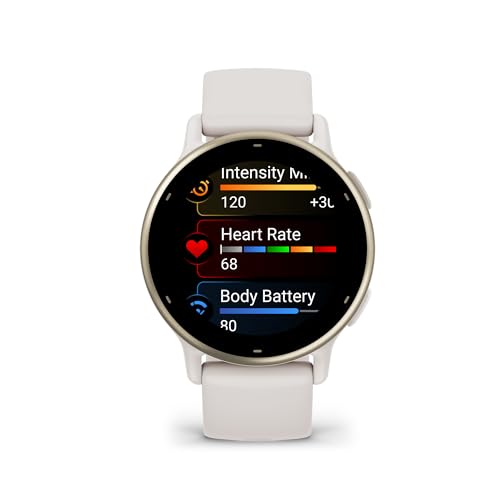
The Whitestone and Tidal Blue Forerunner 265 brings a fresh color style to a very capable running watch. It has a bright AMOLED screen that makes pace and workout steps easy to check. The 46mm size gives enough space for data without creating the heavy feel of some outdoor watches. Its color may appeal to runners who want serious tools without a plain black case.
Like the other Forerunner 265 model, it supports detailed training plans, GPS run tracking, recovery feedback, and a broad range of sports profiles. I found this type of feature set useful because it turns raw numbers into a clear training story. You can review whether a hard run fits your recovery needs instead of guessing. The watch also works well as an everyday fitness tracker between workouts.
Pros:
- Distinctive Whitestone and Tidal Blue finish
- Bright AMOLED screen
- Advanced training and recovery features
- Helpful for race preparation
- Built-in GPS for outdoor running
- Comfortable weight for long workouts
Cons:
- Light case may need more care on dirty trails
- 46mm size is not ideal for every wrist
- Premium features raise the price above entry models
My Recommendation
I recommend this model to runners who want the Forerunner 265 experience with a brighter, more personal look. It is a strong fit for half-marathon training, regular tempo runs, and runners who enjoy reviewing workout data. The watch feels sporty at the track but polished enough for daily wear. It is one of the best smartwatch for running choices for athletes who want both style and serious training support.
Garmin Forerunner 965

The Garmin Forerunner 965 is a premium running and multisport watch with a large 47mm screen. Its AMOLED display gives maps, pace fields, and training pages a crisp look. The larger body suits runners who prefer a roomy screen and do not mind a more noticeable wrist presence. It has the polished feel of a high-end sports computer while remaining useful for everyday activity.
This watch is a strong tool for runners who want advanced metrics, navigation, and long-term training insight. The display is especially helpful when a route includes turns or when you need to read several data fields at once. It also supports many sports, so it can follow a runner from road miles to cycling and other endurance work. Its cost and size may be excessive for a casual jogger, but dedicated athletes can make full use of it.
Pros:
- Large, sharp AMOLED display
- Advanced running and multisport features
- Useful maps and navigation tools
- Excellent choice for endurance athletes
- Roomy data screens are easy to read
- Premium design for sport and daily wear
Cons:
- Large 47mm case may feel bulky
- Costs more than the Forerunner 265
- More features than beginners may need
My Recommendation
The Forerunner 965 is best for runners who want a large screen, maps, and advanced multisport support. I would choose it for marathon training, long trail days, and athletes who use many data fields. It is also a good fit for people who want a premium Garmin watch without moving to a heavier outdoor model. If screen size and navigation matter most, this is a powerful best smartwatch for running.
Samsung Galaxy Watch 8 40mm

The Samsung Galaxy Watch 8 is a smart choice for Android users who want running tools plus a full smartwatch experience. Its 40mm size is compact, and the Graphite finish looks at home in the office or gym. The display is bright and responsive, which helps when checking pace, notifications, or music controls. It also offers the polished app and call features many runners want from a daily smartwatch.
For running, the Galaxy Watch 8 can track workouts, heart rate, distance, and route data when paired with compatible services and settings. It is especially attractive to Samsung phone owners who want smooth access to messages, calls, apps, and health tools. Battery life and GPS behavior can vary with screen use, cellular features, and workout length. Runners who want deep Garmin-style training analysis may prefer a Forerunner, but Android users seeking balance should consider this model.
Pros:
- Compact 40mm design
- Strong smart features for Android users
- Bright display with easy touch controls
- Supports calls, messages, apps, and music
- Useful workout and health tracking
- Stylish enough for everyday wear
Cons:
- Best feature support may depend on a Samsung phone
- Battery life may be shorter than a Garmin running watch
- Some advanced health features have device limits
My Recommendation
I recommend the Galaxy Watch 8 to Android users who want one watch for running, calls, payments, music, and daily life. It is less focused than a Forerunner, but it feels more like a complete phone companion. The 40mm case is a good choice for smaller wrists. For a runner who values smart features as much as training data, it may be the best smartwatch for running in the Android category.
Garmin Forerunner 70

The Garmin Forerunner 70 is a compact 43mm option for runners who want a smaller watch on the wrist. Its black finish keeps the look simple and sporty. A smaller case can feel more comfortable during sleep, desk work, and long training days. This matters because the best running watch should be easy to wear even when you are not exercising.
Garmin’s running platform gives this watch a clear fitness purpose, with tools aimed at tracking workouts and daily activity. It is a sensible choice for runners who prefer a straightforward interface over a large screen packed with menus. As with any newer model, I suggest reviewing current software support and listed features before purchase. The Forerunner 70 is most appealing when you want compact Garmin running support at a lower level than premium models.
Pros:
- Compact 43mm profile
- Simple black design matches most clothing
- Comfortable for all-day wear
- Built for running and fitness tracking
- Less intimidating for new smartwatch users
- Smaller case may fit narrow wrists well
Cons:
- Smaller screen provides less room for data
- May not include the deep tools of higher Forerunner models
- Buyers should confirm current software and feature support
My Recommendation
I recommend the Forerunner 70 to runners who value a small, light watch and simple controls. It can suit new runners, teens, and athletes with narrow wrists. I would select a Forerunner 265 instead if you need detailed race planning or advanced recovery data. Still, this model can deliver the core experience many people want from a best smartwatch for running without a large case.
How to Choose the Best Smartwatch for Running
Choosing a running watch can feel like picking shoes. The most expensive pair is not always the best fit. I focus on GPS, comfort, battery life, screen quality, training tools, and phone support before looking at brand names. These points help separate a useful training partner from a watch that only counts steps.
GPS Accuracy
GPS is the heart of outdoor run tracking. A good system should record distance and pace with steady results on roads, tracks, and open paths. Tall buildings, heavy tree cover, and bad weather can affect any GPS watch. For regular road runners, Garmin Forerunner models usually offer a more focused running experience than general smartwatches.
Heart-Rate Tracking
Wrist heart-rate sensors help you see effort during easy runs and hard sessions. They work best when the watch fits snugly above the wrist bone. Cold skin, loose bands, sweat, and fast intervals can reduce accuracy. If you need precise data for serious training, pair the watch with a compatible chest strap when possible.
Battery Life
Battery life affects how often you need to charge the watch. A short battery can interrupt sleep tracking or leave you without GPS before a long run. Garmin running watches often appeal to athletes who want long use between charges. Samsung and other full-featured smartwatches may need more frequent charging because they run more apps and brighter screens.
Comfort and Size
A watch should disappear on your wrist after a few minutes. Heavy cases can become annoying during long runs, while very small screens may make data hard to read. The 40mm to 43mm range often suits smaller wrists. Runners with larger wrists may prefer 46mm or 47mm models with room for more data fields.
Screen and Controls
A bright AMOLED screen looks sharp and is easy to read at night. Physical buttons remain useful in rain, cold weather, or sweaty workouts. Touch controls feel fast for daily use, but buttons can be safer when you are moving at race pace. I prefer watches that offer both choices.
Training Features
New runners may only need pace, distance, time, and basic heart rate. Experienced runners may want intervals, recovery time, training load, race predictions, route guidance, and workout plans. Do not pay for features you will never use. The best smartwatch for running should match your current training and leave room for growth.
Phone Compatibility
Before buying, check whether the watch works with your phone. Some features work best inside one brand’s ecosystem. Samsung watches are especially attractive for Samsung phone users, while Garmin watches support a broad range of phones through Garmin’s app. Calls, messages, music, and health features may also depend on the operating system.
Water Resistance
Water resistance helps protect a watch from sweat and rain. It does not always mean the watch is safe for swimming or deep water. Read the maker’s rating and care instructions before using the watch in a pool. Always rinse sweat and salt from the case and band after hard workouts.
Running Smartwatch Features I Trust Most
After using fitness watches for years, I have learned that useful data beats flashy data. Pace alerts can stop a fast start from ruining a long run. Recovery guidance can remind you that rest is part of training. Sleep data can show why a normal pace feels hard on some days.
I also value easy syncing. A watch should move workout data to its app without a fight. Clear charts make it easier to spot trends in pace, heart rate, and mileage. If an app buries every useful insight under too many screens, the watch becomes less helpful.
Safety features also matter. A running watch with incident detection or emergency contact tools can provide extra peace of mind, but these features may need a phone connection and should never replace good judgment. I still tell runners to share their route and carry a phone when running alone. Technology is a safety net, not a shield.
Garmin vs. Samsung for Running
Garmin focuses on training first. Its Forerunner line gives runners detailed workout data, race planning, recovery tools, and long battery life. Samsung focuses on balance, with strong smart features, apps, messages, calls, and health functions. Neither brand is right for every runner.
Choose Garmin if running is your main reason for buying a smartwatch. Choose Samsung if you want a phone companion that also tracks runs well. For many athletes, the Forerunner 265 offers the best middle ground. It has enough depth for serious training without the price of the top Garmin models.
Best Smartwatch for Running by User Type
| Best for | Why |
|---|---|
| New and casual runners | The Garmin Forerunner 165 is light, clear, simple, and easy to use. |
| Serious recreational runners | The Garmin Forerunner 265 adds advanced plans, recovery data, and race tools. |
| Premium endurance athletes | The Forerunner 970 offers deeper training data, navigation, and a premium build. |
Tips for Getting Better Run Data
Wear the watch snugly, but not so tight that it leaves a deep mark. Start the GPS search before you move. This gives the watch time to find satellites and improves the first part of your route. Keep the watch software and phone app updated so the tracking system works as intended.
Use heart-rate zones as a guide, not a strict rule. Your effort can change with heat, hills, sleep, stress, and hydration. If the watch says your easy run is hard, slow down and listen to your body. Numbers should support your judgment, not replace it.
Clean the watch and band after sweaty runs. Dry skin and a clean sensor can help improve comfort and readings. Charge before a long run, especially when GPS and music will run together. Small habits like these can make any best smartwatch for running more reliable.
FAQs Of best smartwatch for running
What is the best smartwatch for running in 2026?
The Garmin Forerunner 265 is the best overall choice for most runners. It offers strong GPS, a bright display, advanced training tools, and useful recovery data without the highest premium price.
Is Garmin better than Samsung for running?
Garmin is usually better for detailed running plans, race training, battery life, and recovery tools. Samsung is better for users who want calls, apps, messages, and a broader smartwatch experience.
Do I need a smartwatch with built-in GPS?
Built-in GPS is useful if you want to leave your phone at home. It records route, distance, and outdoor pace from the watch. If you always carry your phone, phone-assisted GPS may be enough.
Can a smartwatch measure heart rate accurately while running?
A snug watch can provide useful heart-rate trends during steady runs. Motion, sweat, cold weather, and intervals may affect wrist readings. A chest strap is often better for precise hard-workout data.
How long should a running smartwatch battery last?
For most runners, several days of normal use and multiple GPS workouts are helpful. Longer battery life is important for marathon training, hiking, and sleep tracking. Screen brightness, music, calls, and GPS settings can reduce runtime.
Final Verdict: Which Should You Buy?
The Garmin Forerunner 265 is my top pick and the best smartwatch for running for most athletes. Choose the Forerunner 165 for a lower price, or the Forerunner 970 for premium training and navigation.
Match the watch to your wrist, phone, and goals. The right running smartwatch turns each mile into clear, useful feedback.