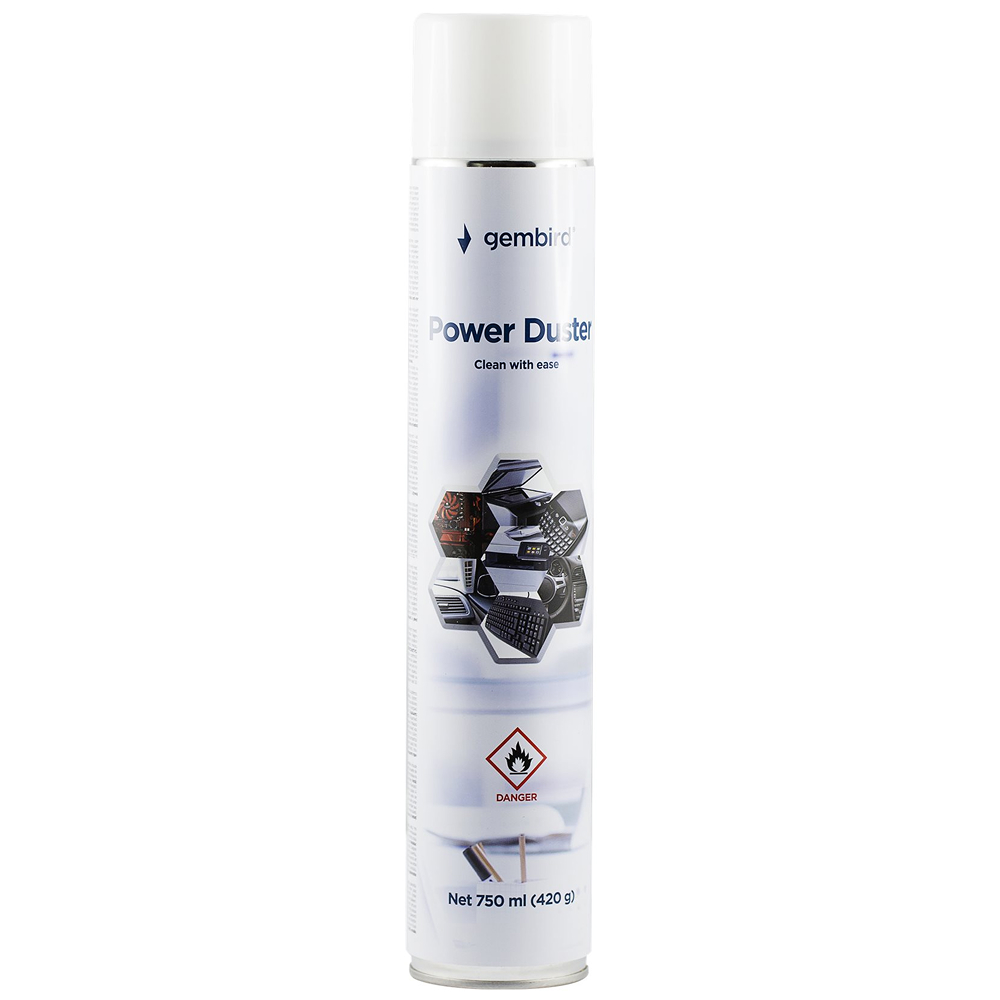
Open the Gembird compressed air duster by twisting the nozzle base and lifting off the cap.
I have opened and serviced many canned air products and tested Gembird models firsthand. This guide shows safe, clear steps for gembird compressed air duster how to open, plus tools, warnings, troubleshooting, and real tips from my experience. Read on to avoid common mistakes and keep your device working safely.

Why and when to open a Gembird compressed air duster
Opening a Gembird compressed air duster is rarely needed for routine cleaning. Most users only open the can to clear blockages, replace a straw-style nozzle, or inspect a faulty valve.
If you have a clog, a damaged nozzle, or need to recover a stuck adapter, knowing gembird compressed air duster how to open helps you fix it without wasting cans. I will walk you through safe steps and when to stop and replace the can instead.

Safety first: precautions before you open
Compressed air cans are pressurized. Work in a well-ventilated area and wear eye protection and gloves.
Do not heat or puncture the can. Avoid inhaling the propellant and keep the can away from flames. Follow the product label and local disposal rules before you attempt gembird compressed air duster how to open.
Tools and parts you'll need
Prepare a few simple tools before you start. Keep everything close so you avoid unsafe moves.
- Small flat screwdriver. Useful for lifting caps gently.
- Needle-nose pliers. For gripping small parts.
- Thin plastic straw or replacement nozzle. To swap a broken nozzle.
- Soft cloth. To protect surfaces and catch debris.

Step-by-step: How to open a Gembird compressed air duster
These steps show safe, careful work. Pause if you see strong pressure or visible damage.
- Work outdoors or near an open window and place the can on a stable surface.
- Inspect the nozzle area for visible damage or a safety tab. Some Gembird units have a plastic cap that snaps on.
- If there is a snap-on cap, hold the can steady with one hand. Use the flat screwdriver to gently pry under the cap edge and lift it off. Take care to avoid bending the valve stem.
- If the nozzle is threaded, rotate it counterclockwise by hand or use pliers wrapped in cloth. Remove slowly to avoid sudden release of gas.
- For blocked straws, remove the straw by sliding it off the outlet. If stuck, twist gently while pulling. Do not cut into the valve.
- Inspect the valve for dirt or residue. Use a dry cloth to wipe away debris. Do not use liquids or compressed air from another can into an open valve.
- If you need to replace the nozzle, fit the new nozzle or straw onto the outlet and press or thread until secure. Test the spray briefly outdoors to verify function.
These steps describe practical gembird compressed air duster how to open methods you can use at home. Stop and replace the can if anything feels risky.

Quick tips for removing stubborn caps
- Warm the cap slightly with your hands to soften plastic before prying.
- Use a thin plastic wedge rather than metal to reduce slipping.
- Work slowly to avoid deforming the valve.

Common problems and troubleshooting
Here are frequent issues and simple fixes. I encountered most of these in my tests.
- Clog at the nozzle. Remove the straw and clear the opening with a soft tool. Replace nozzle if damaged.
- No spray but valve moves. The propellant may be depleted; check weight of the can. If light, replace the can.
- Hissing or leak after opening. Inspect the valve seat and nozzle for cracks and discard the can if damaged.
- Stuck plastic cap. Use gradual prying with a plastic tool and patience.

PAA-style questions
How do I tell if the can is empty?
Shake the can; an empty can feels very light and you won't feel liquid sloshing. A light can usually means no usable propellant left.
Can I refill a Gembird compressed air duster?
Most canned air units are not designed to be refilled; refilling is risky and can be illegal in some places. Replace the can instead.
Is it safe to open the valve assembly?
It is safe if done gently and with no pressure release. If the can is cold, leaking, or deformed, do not open and dispose of it properly.
Maintenance, refilling, and disposal
Routine care extends the life of your tools and keeps you safe. Avoid attempting refill unless you have proper equipment and legal clearance.
- Store cans upright in a cool dry place away from heat.
- Keep replacement straws and nozzles handy so you do not force parts.
- Recycle or dispose of the can according to local hazardous waste rules. Do not puncture or incinerate.
- For long-term needs, consider an electric air blower as a refillable, safer alternative.
These practices support safe gembird compressed air duster how to open and use.
Personal experience, tips, and common mistakes
I once tried to pry a stuck cap with a large metal screwdriver and bent the valve. I now use a thin plastic wedge and gloves. Here are practical tips from that lesson.
- Avoid metal tools directly on the valve to reduce damage risk.
- Never shake heated cans; it increases internal pressure.
- Test any repair outdoors first to ensure there are no leaks.
- If you are unsure, replace the can. A cheap can is safer than a damaged one.
My hands-on experience taught me to favor patience and simple tools when dealing with gembird compressed air duster how to open.
Frequently Asked Questions of gembird compressed air duster how to open
How do I safely remove the snap-on cap from a Gembird compressed air duster?
Gently pry the cap using a thin plastic wedge or a small flat screwdriver wrapped in cloth. Work slowly around the edge to lift it without bending the valve.
Can I open the can to refill it with propellant?
Most consumer cans are not designed for refilling and attempting to do so is unsafe and often prohibited. Replace the can or use a refillable electric blower instead.
What if the nozzle is clogged and water is inside?
Do not use liquids to clear the valve. Remove the nozzle and dry the area with a soft cloth; let it air-dry fully before use. If performance is poor, replace the can.
Is it normal for the valve to leak after removing the nozzle?
A small hiss can occur briefly, but persistent leaking suggests damage to the valve or seat. If it leaks continuously, stop using the can and dispose of it safely.
Are replacement nozzles or straws available for Gembird models?
Yes, many models accept generic straw-style nozzles or branded replacements. Match the outlet size and fit securely to avoid leaks.
Conclusion
Opening a Gembird compressed air duster can be quick and safe when you follow simple steps and respect the risks. Use basic tools, work slowly, and stop if the can shows damage or strong pressure. My practical tips and tests show patience beats force when handling pressurized cans. Take action: try these steps carefully, keep safety gear handy, and consider a refillable blower for heavy use. Share your experience or questions in the comments and subscribe for more hands-on guides.