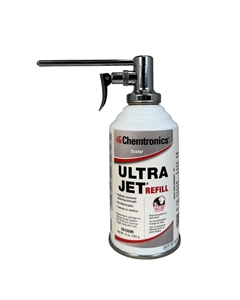
Most canned air delivers about 40 to 90 psi at the nozzle, varying by brand and temperature.
I’ve worked with electronics, camera gear, and workshop tools for years, and I’ll walk you through exactly how much psi does air duster have, why it matters, and how to use canned air safely and effectively. This guide breaks down pressures, measurement methods, real-world examples, safety tips, and alternatives so you can choose the right tool for every job.

What "PSI" means for air dusters and how they work
PSI means pounds per square inch. It is a unit of pressure. For air dusters, PSI tells you how forceful the spray is at the nozzle. The force affects how well dust and debris blow away.
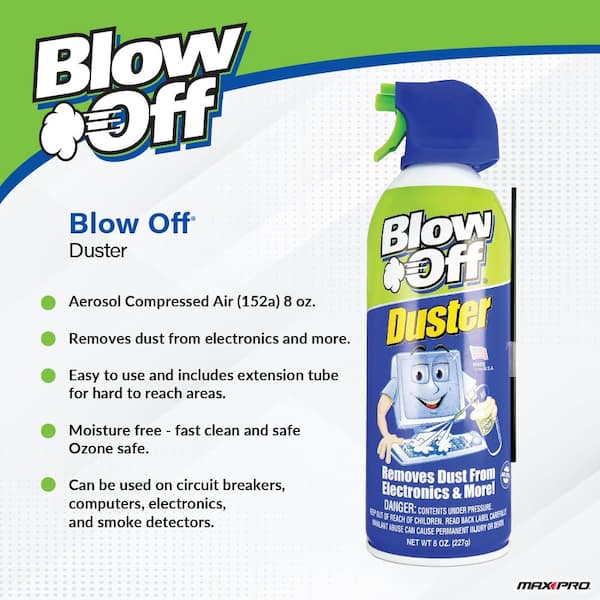
Air dusters are not pure compressed air. They are aerosol cans filled with a propellant and often a small amount of liquid that vaporizes when released. The can’s vapor pressure at room temperature sets the nozzle pressure. That is why how much psi does air duster have changes with temperature and nozzle style.
Key points:
- PSI measures nozzle force, not airflow volume.
- Temperature and can design change measured psi.
- Nozzle shape and built-in straw change delivery speed and focus.
Typical PSI ranges for canned air and related products
Below are common ranges you’ll encounter when asking how much psi does air duster have.
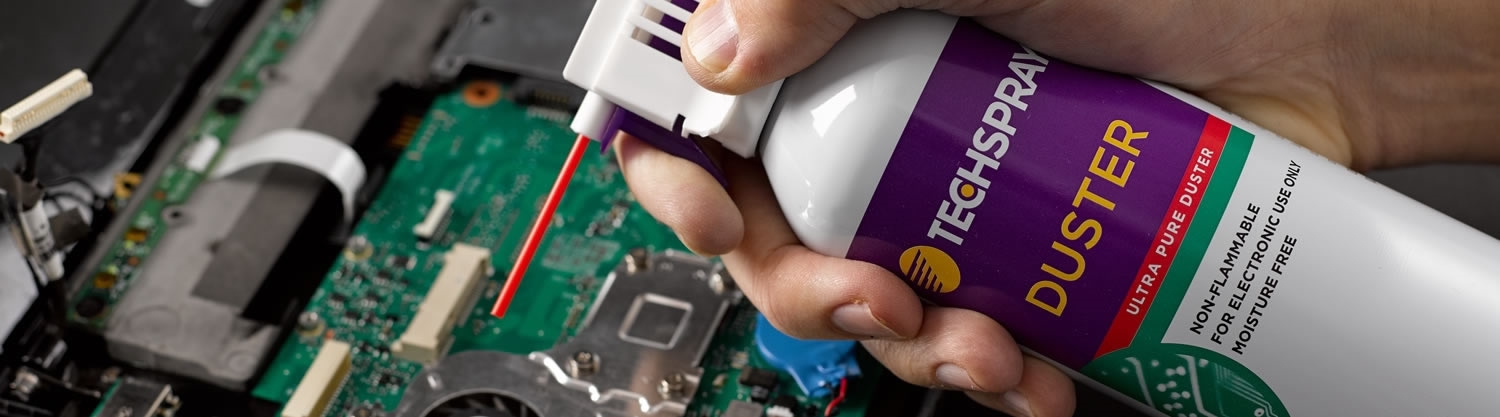
- Light cleaning (keyboards, lenses): 40 to 60 psi at the nozzle. Good for loose dust.
- Stronger bursts (workbench, dust in crevices): 60 to 90 psi. Use short bursts.
- Inverted or liquid discharge: can feel like higher impact but risks frostbite.
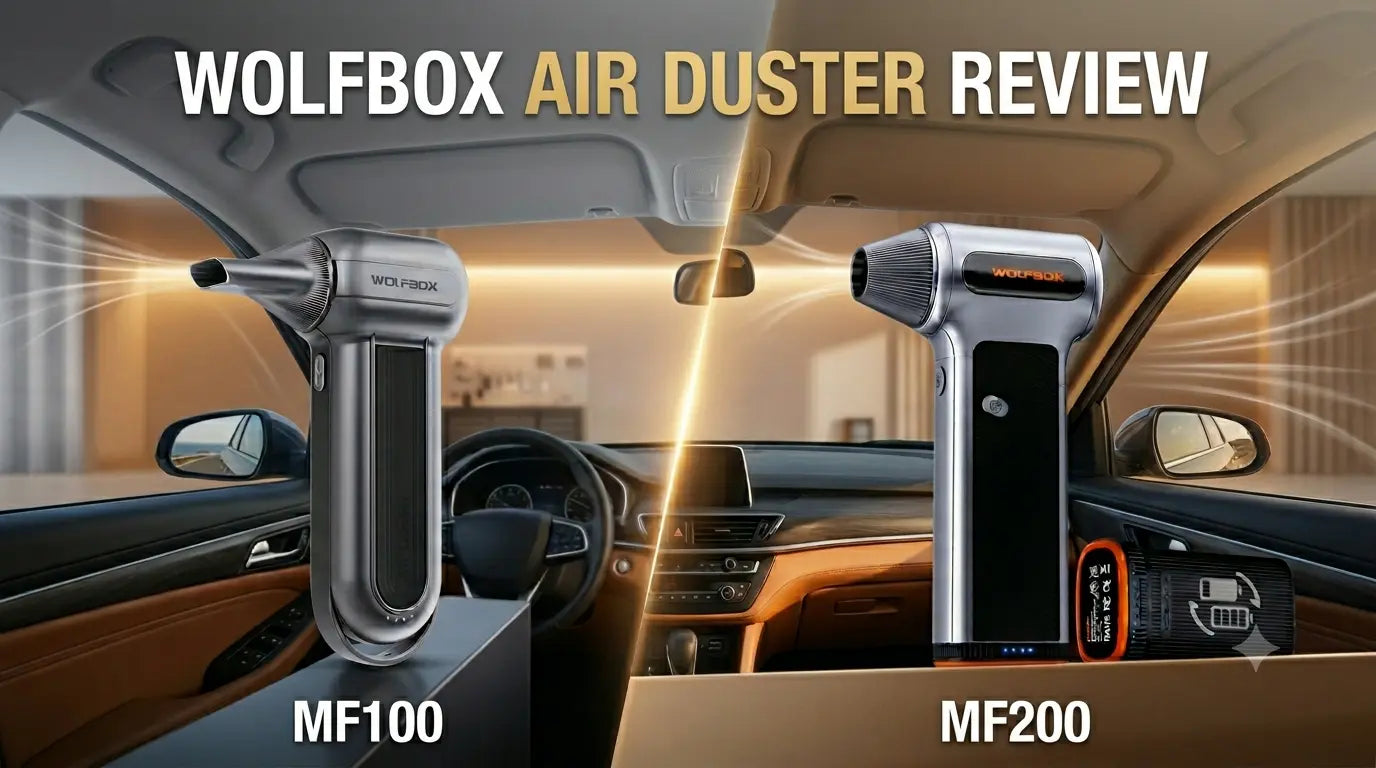
- Electric air dusters (reusable): variable, often 30 to 80 psi equivalent, but with steady airflow.
- Small pocket compressed air cans: often 30 to 50 psi; shorter run time.
Remember that the phrase how much psi does air duster have can refer to nozzle pressure or to can internal vapor pressure. Most consumer cans give about 40–90 psi at nozzle under normal conditions.
How manufacturers and tests report pressure
Manufacturers sometimes list “vapor pressure” on data sheets. Lab tests measure pressure at the nozzle with a transducer. Both matter, but they are not identical.
- Vapor pressure: value inside the sealed can at a set temperature.
- Nozzle pressure: measured when can is vented through its straw or nozzle.
Practical note: When you spray, the can cools. Vapor pressure drops. That is one reason how much psi does air duster have falls after repeated use. Manufacturers test at standard lab temperatures, so real use can differ.
How to measure the PSI of an air duster
If you want to measure how much psi does air duster have yourself, do this safely.
Steps:
- Fit a small pressure gauge or pressure transducer to a nozzle adapter rated for aerosols.
- Secure the can in a clamp so it won’t move.
- Hold the can upright and spray in short bursts while reading the gauge.
- Repeat at different temperatures if needed.
Safety tips:
- Use eye protection and gloves.
- Avoid breathing the spray.
- Do not puncture or heat the can.
Safety, risks, and best practices
Canned air is useful but carries risks. Keep these simple rules in mind when you wonder how much psi does air duster have and whether to use it.
Safety rules:
- Never inhale. Propellants can cause severe health issues.
- Keep upright to avoid liquid discharge and frostbite.
- Use short bursts to limit cooling and pressure drop.
- Avoid use near open flames; some cans are flammable.
- Don’t use canned air as a substitute for regulated compressed air tools on sensitive parts.
Common mistakes:
- Holding the can inverted and spraying directly on skin. This causes cold burns.
- Using long continuous blasts that overcool electronics.
- Relying on canned air for heavy debris when a compressor or vacuum is better.
Practical tips from real experience
I’ve used canned air on cameras, keyboards, and PCs for years. Here are simple, tested tips from my work.
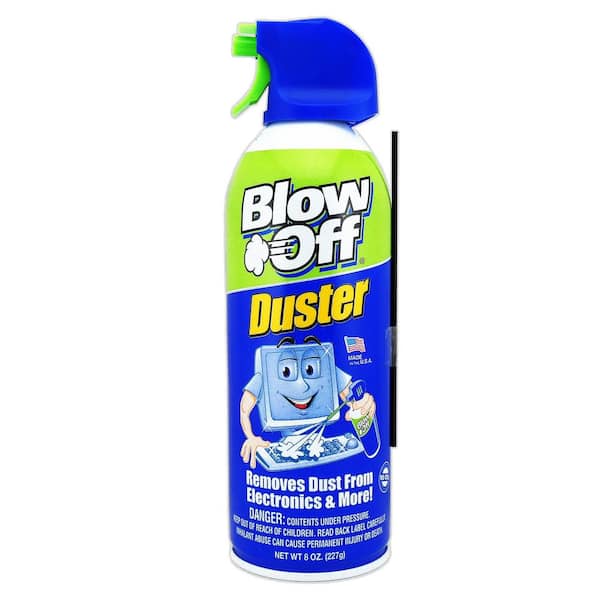
- Use a straw or nozzle for control. The focused jet increases effective psi at the target.
- Start farther away. Move closer in short bursts if needed.
- Let the can warm up to room temperature before use. That stabilizes pressure.
- For stubborn debris, switch to a small brush and short puffs rather than long blasts.
- For heavy jobs, use a regulated compressor. Canned air is best for light, quick cleaning.
These tips reflect hands-on use and help you get the most from canned air while reducing risk. When you wonder how much psi does air duster have for a specific task, test on an inconspicuous area first.
Alternatives to canned air and when to choose them
Canned air is handy. But alternatives often do a better job or reduce risk.
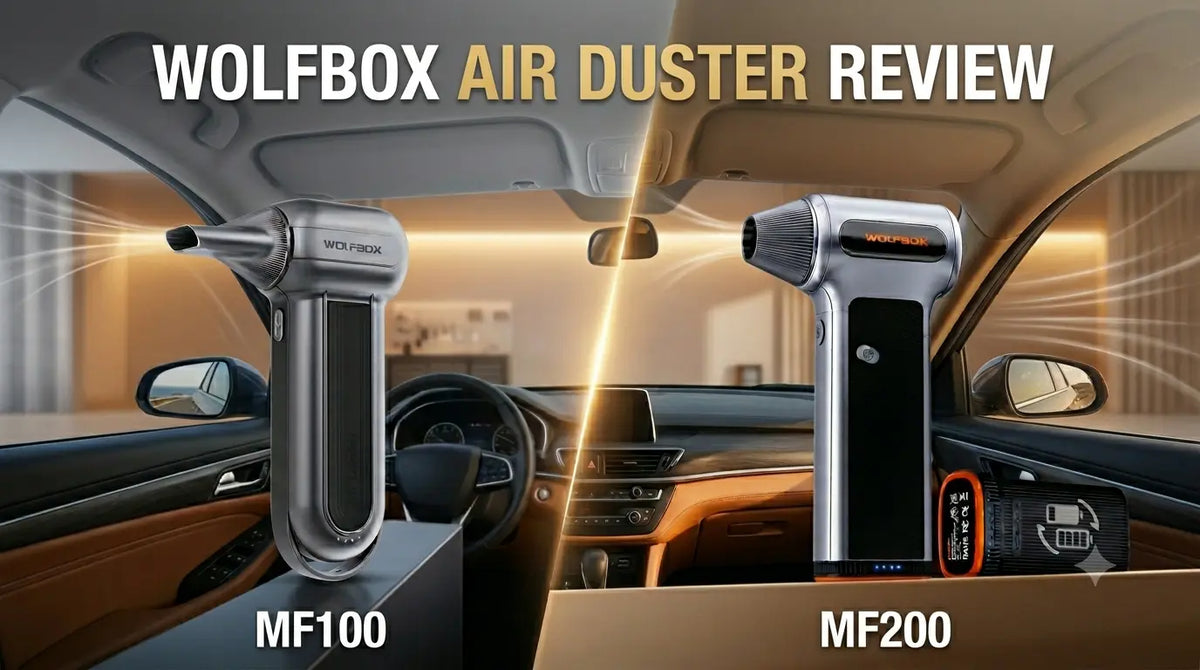
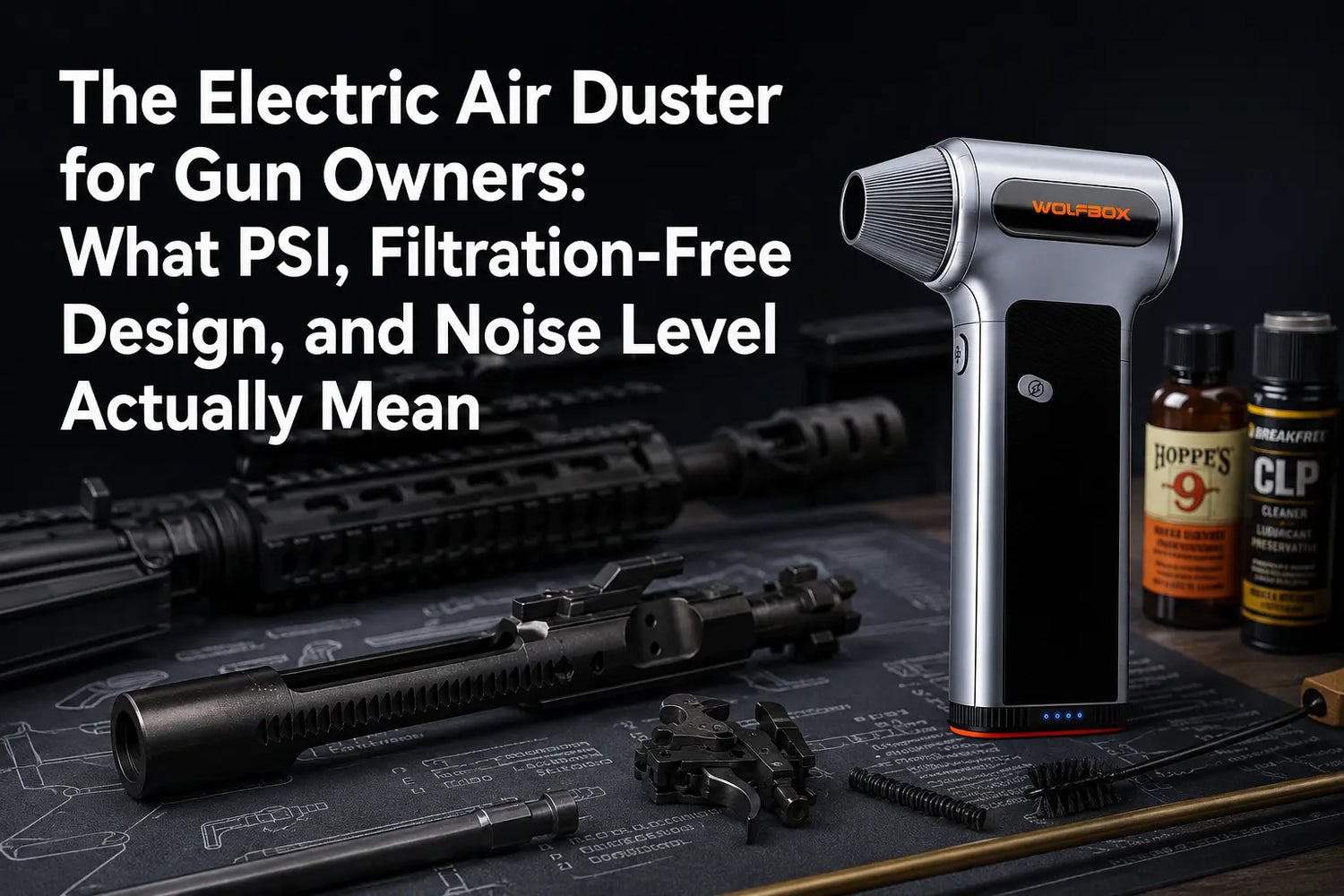
- Electric air dusters: reusable, steady airflow, good for repeated use.
- Small compressors with regulator: adjustable PSI and high airflow for tough jobs.
- Vacuum with a soft nozzle: best for removing debris without blowing it everywhere.
- Soft brushes and microfiber: gentle and safe for delicate gear.
Choose an alternative when you need sustained pressure, large volume, or repeated cleaning. If you ask how much psi does air duster have and need more force, a compressor is usually the right answer.

Quick PAA-style questions
How does temperature affect how much psi does air duster have?
Higher temperature raises can vapor pressure and nozzle psi. Cold cans deliver less force and may spray liquid.
Is canned air as powerful as a shop compressor?
No. Canned air usually gives 40–90 psi at the nozzle with low airflow. A shop compressor can provide higher PSI and much greater airflow.
Can I use canned air on camera sensors?
Use great care. Short bursts and low pressure are safer. Consider a sensor-cleaning tool first.
Frequently Asked Questions of how much psi does air duster have
What is the typical psi of a consumer canned air duster?
Most consumer canned air dusters produce roughly 40 to 90 psi at the nozzle under normal conditions. Exact values vary by brand and temperature.
Does the psi drop during use?
Yes. As you spray, the can cools and internal vapor pressure falls, which reduces nozzle psi over time. Short bursts help maintain pressure.
Can I measure the psi with a household gauge?
You can, if you have the right adapter and a suitable gauge. Use a pressure transducer designed for low pressures and take safety precautions.
Is canned air safe for electronics at normal psi?
When used properly in short bursts and from a safe distance, canned air at typical psi is safe for most electronics. Avoid prolonged blasts and liquid discharge.
Is a higher psi always better for cleaning?
Not always. Higher psi can blow debris deeper into crevices or damage delicate parts. Match pressure to the job and use controlled bursts.
Conclusion
You now know how much psi does air duster have, why it varies, and how to use that knowledge safely. Most canned air delivers roughly 40–90 psi at the nozzle, but temperature, nozzle design, and use patterns change real-world results. Use short bursts, test on safe areas, and choose an electric or compressor alternative when you need more steady pressure.
Take action today: test a can safely, note its feel for your tasks, and switch to an alternative if you need more control or force. If you found this helpful, leave a comment or subscribe to get more practical guides and real-world tips.