Air duster kills by depriving the brain of oxygen and by causing toxic heart and lung effects.
I write from years in lab safety and health writing to explain how does air duster kill you, clearly and calmly. This article breaks down the chemicals inside cans, the ways misuse causes death, what to watch for, how to respond fast, and how to prevent harm. Read on to get practical, evidence-based advice you can use today.

What is in an air duster and why it matters
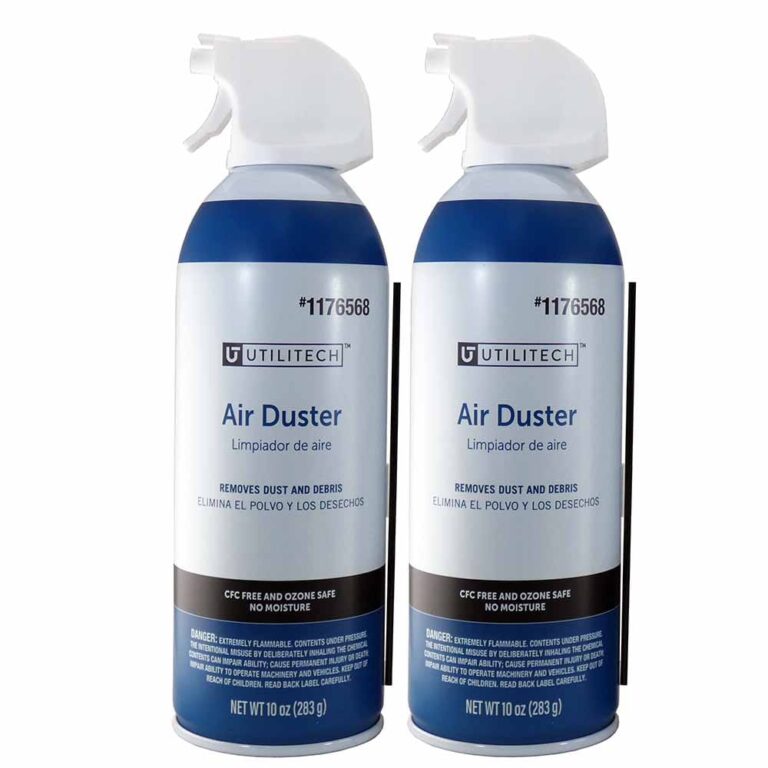
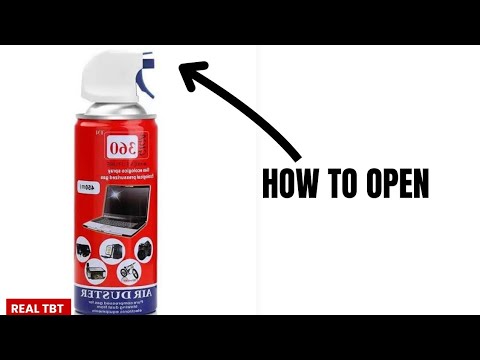
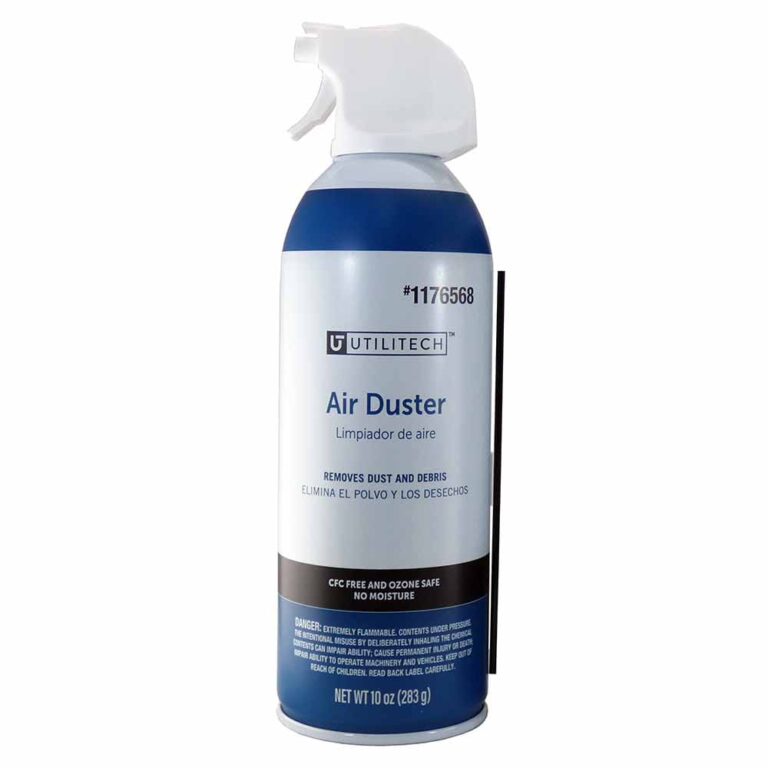
Air duster cans contain compressed gases and liquid propellants. They are made to blow dust from electronics. Common ingredients include difluoroethane, tetrafluoroethane, and other fluorinated hydrocarbons. These are not just air. They are cold, heavy, and can displace oxygen or act as toxins when inhaled.
Why the content matters: knowing what is inside helps explain how does air duster kill you and why a short spray can be dangerous. Small cans can cause big harm when misused. Keep cans upright and use as labeled.
Common ways people are exposed
People usually get harmed by air duster in a few settings. Understanding these helps prevent deaths.
- Accidental inhalation during normal use near the face.
- Intentional inhalant abuse or "huffing" to get high.
- Occupational misuse in poorly ventilated rooms.
- Spraying into enclosed spaces or near mouth and nose.
Each route can allow the propellant to reach the lungs and bloodstream. That is how does air duster kill you in real life — by giving the body dangerous doses of gas or by removing oxygen.

How does air duster kill you — key mechanisms
To answer how does air duster kill you, look at several direct mechanisms. These work fast and can act alone or together.
Oxygen displacement and asphyxia
When a can’s gas floods the lungs or a small room, it lowers oxygen levels. The brain needs oxygen constantly. Low oxygen leads to fainting, brain injury, and death in minutes.
Cardiac sensitization and arrhythmia
Some propellants make the heart prone to dangerous rhythms. A sudden scare, exertion, or even a jolt can trigger fatal arrhythmia. This is often called sudden sniffing death syndrome.
Central nervous system depression
High inhaled doses act like strong sedatives. Breathing slows or stops. Loss of airway reflexes can cause choking and death.
Cold injury and barotrauma
Spraying directly onto skin or into the mouth creates severe cold. Tissue can freeze. High-pressure spray can also damage the lungs mechanically.
Organ toxicity and metabolic effects
Repeated or heavy exposure can harm the liver, kidneys, and brain. Some chemicals break down into toxic byproducts in the body.
All of these explain how does air duster kill you in short exposures and with repeated misuse. The risks are real even for one misuse.
Signs and symptoms to watch for
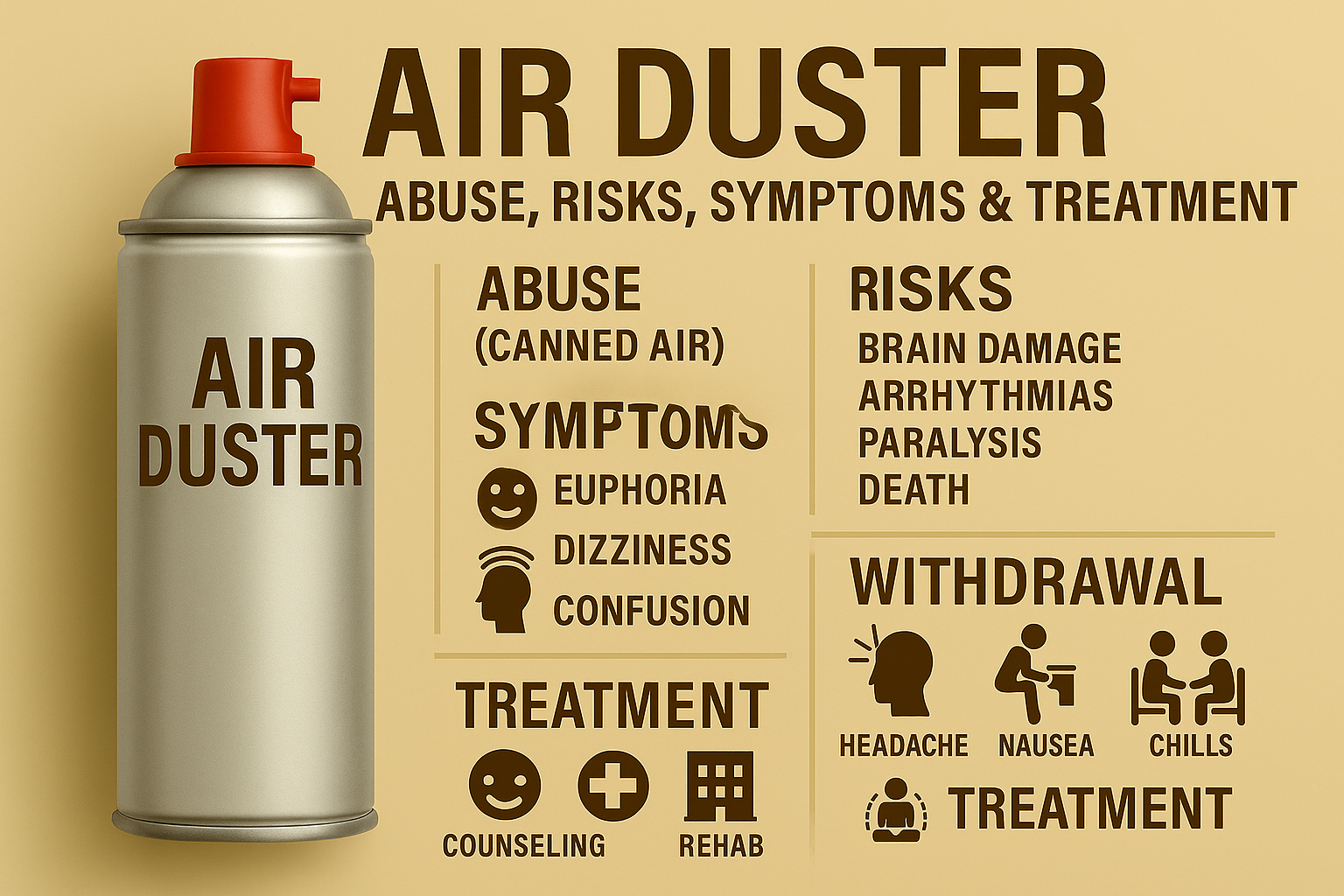
Early recognition saves lives. Watch for these signs after exposure.
- Dizziness, lightheadedness, or sudden fainting.
- Slurred speech, confusion, or loss of coordination.
- Short, shallow, or stopped breathing.
- Chest pain, irregular heartbeat, or sudden collapse.
- Frostbite marks around the mouth or skin, burns, or coughing blood.
If you see any of these after spray use, assume a medical emergency. Quick action matters because that is often how does air duster kill you — fast and without much warning.

Immediate first aid and emergency response
If you suspect a life-threatening exposure, act quickly.
- Move the person to fresh air right away.
- Call emergency services if they are unconscious, not breathing, or have chest pain.
- If breathing has stopped and you are trained, begin CPR.
- Do not induce vomiting or give fluids if the person is unconscious.
- At the hospital, clinicians can give oxygen, monitor the heart, and support breathing.
Do not try home remedies for suspected cardiac effects. Medical care is needed to monitor arrhythmias and organ injury when asked how does air duster kill you in an emergency.
Long-term effects and prognosis
Recovery depends on dose, time exposed, and speed of treatment. Some people recover fully after brief exposure. Others have lasting problems.
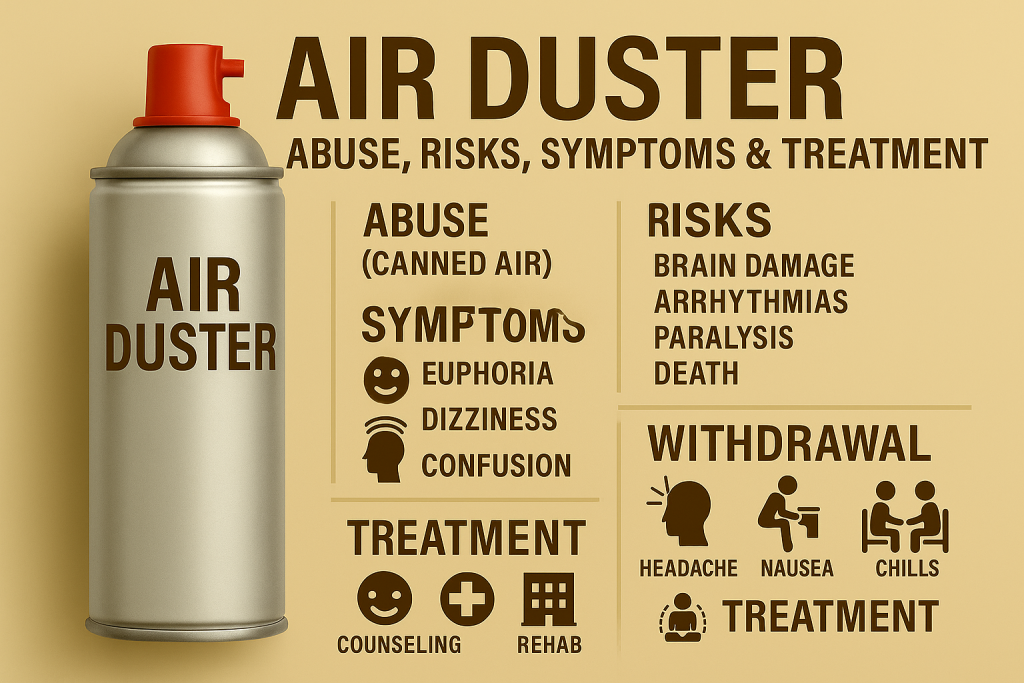
- Permanent brain damage from low oxygen.
- Chronic breathing issues or lung scarring.
- Heart damage or increased risk of later cardiac problems.
- Cognitive and mood changes after repeated abuse.
Knowing the likely outcomes helps you weigh risks and push for help. This also explains why understanding how does air duster kill you matters beyond the immediate event.

Prevention, safety tips, and safer alternatives
Prevention is the best medicine. Follow these practical steps.
- Use cans only as directed and in well-ventilated areas.
- Never inhale intentionally or spray near the face.
- Store cans away from heat and out of reach of teens.
- Swap to an electric air blower or vacuum designed for electronics.
- Educate family, teens, and coworkers about inhalant risks.
Small changes at home or work stop harm before it starts. That is the simplest answer to how does air duster kill you: don’t let the gas accumulate and never inhale it.
Legal, public health, and reporting considerations
Air duster misuse is tracked by poison centers and public health agencies. Laws vary on sales to minors and labeling. If you see misuse or a poisoning, report it to local poison control or emergency services.
Public health outreach focuses on youth education and safer product choices. Knowing reporting channels helps reduce harm and informs how does air duster kill you at a population level.

Personal experience and lessons learned
I once worked in an electronics shop where a colleague used cans to clean keyboards close to his face. He fainted after a long spray session. We called emergency services and learned that quick removal from the area and oxygen support prevented worse harm. That taught me two lessons: never spray toward the face, and never assume short use is harmless.
From my safety audits, I now recommend electric blowers for daily cleaning and strict rules about can storage. These small rules cut risk and make workplaces safer.
Frequently Asked Questions of how does air duster kill you(make it h2 tag)
How quickly can air duster kill you?
Death can occur within minutes if oxygen is displaced or if a fatal heart arrhythmia happens. Rapid medical care improves chances.
Can one short inhalation be lethal?
Yes. A single strong inhalation can trigger cardiac arrhythmia or cause sudden loss of breathing. The risk is unpredictable.
Are some air duster chemicals more dangerous than others?
Yes. Fluorinated hydrocarbons and similar propellants are linked to cardiac sensitization and sudden death. Composition matters.
What should I do if someone huffed an air duster?
Move them to fresh air, call emergency services if they are unresponsive, not breathing, or have chest pain, and perform CPR if needed. Avoid giving anything by mouth if they are not fully alert.
Can air duster cause long-term brain damage?
Prolonged or severe oxygen loss can cause lasting brain injury. Repeated abuse also increases the risk of chronic cognitive and mood problems.
Is there an antidote for air duster poisoning?
There is no specific home antidote. Medical care focuses on oxygen, heart monitoring, and supportive care in a hospital.
Conclusion
Air duster can kill by cutting off oxygen, disrupting heart rhythm, depressing breathing, freezing tissue, or poisoning organs. Learn the ingredients, avoid inhaling, use safe tools, and act fast if exposure occurs. Takeaway: treat air duster like a powerful chemical, not harmless air — use it with care and keep it away from people at risk. If this article helped, consider sharing it, subscribing for safety tips, or leaving a comment with your questions.