Air duster cans typically remain effective for 2 to 5 years if stored in cool, dry conditions.
I’ve spent years cleaning electronics, repairing computers, and testing maintenance products, so I know the practical questions that arise: how long are air duster cans good for, how to store them, and how to tell if one is unsafe to use. This article covers shelf life, real-world tips, safety guidance, and simple tests you can run at home. Read on to learn clear, trusted advice about how long are air duster cans good for so you can keep gear clean and safe.

How long are air duster cans good for? Overview
Most air duster cans last 2 to 5 years from the date of manufacture when kept in proper conditions. The exact lifespan depends on the propellant, the product formula, and storage conditions. Always check the can for a stamped date or batch code and follow the manufacturer's suggestions when available.
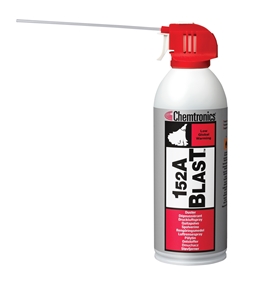
What determines how long are air duster cans good for
Several factors affect how long are air duster cans good for:
- Propellant type
- Common propellants include compressed gases and liquefied gases. Some remain stable longer than others.
- Seal and valve condition
- A damaged valve or seal can let propellant leak slowly, reducing longevity.
- Storage temperature and humidity
- Heat speeds chemical breakdown and pressure changes. Cold can condense or reduce pressure temporarily.
- Exposure to sunlight and corrosive elements
- UV and moisture can degrade labels and metal, affecting safety and function.
Manufacturers design these cans to be stable, but real-world conditions vary. Proper storage is the easiest way to extend usable life.

Typical shelf life ranges and what to expect
Here are common timelines you’ll see for how long are air duster cans good for:
- 2 years
- Conservative estimate for cans stored in variable home conditions.
- 3 to 5 years
- Typical life for sealed cans kept in cool, dry garages or closets.
- Indefinite (rare)
- Some industrial-grade products can remain usable longer if unopened and perfectly stored.
Labels rarely list an expiration date. If a can is older than five years, inspect it closely before use and prefer replacement for critical electronics work.

Storage tips to maximize lifespan
Good storage extends how long are air duster cans good for. Follow these tips:
- Store upright on a shelf away from heat sources
- Heat raises internal pressure and can shortense life.
- Keep in a cool, dry place below 120°F (49°C)
- Avoid attics, near heaters, or in direct sun.
- Avoid freezing conditions
- Extreme cold can reduce spray force temporarily and stress seals.
- Do not store near open flames or chemicals
- Flammable surroundings increase hazard risk.
- Check cans periodically for dents, rust, or leaks
- Replace any can with visible damage.
These simple steps keep your cans stable and safe for longer.

How to tell if an air duster can is no longer good
Signs that an air duster can has degraded include:
- Weak spray or sputtering instead of a steady blast
- This can mean propellant loss or valve issues.
- Strange smell or residue from the spray
- Chemical changes or contamination may be present.
- Visible rust, bulging, or dented can
- Structural damage increases the hazard risk.
- Long storage beyond recommended years with no testing
- Age alone can justify careful inspection before use.
If in doubt, replace the can. The cost of a new can is low compared to the risk of damage to electronics or injury.
Safety, handling, and disposal tips
Safety matters when you consider how long are air duster cans good for and how to use them:
- Use only as directed and avoid inhalation
- Intentional inhalation can be harmful.
- Keep away from heat, sparks, and open flames
- Contents are often flammable under certain conditions.
- Do not puncture or incinerate even when empty
- Pressure can cause explosive rupture.
- Dispose of per local hazardous waste rules
- Many communities accept aerosol cans at household hazardous waste centers.
- Read safety data sheets and manufacturer guidance
- They outline specific hazards and handling steps.
Following these rules protects you and your gear.

Real-world experience: what I learned testing air duster cans
I’ve used dozens of air duster cans over the years cleaning laptops, cameras, and keyboards. Here’s what I learned:
- Newer cans usually feel stronger
- Fresh propellant gives a crisp, steady blast that cleans better.
- Older cans may still work but weaken
- If a can sputters, I swap it out to avoid moisture or residue on electronics.
- Label condition matters
- If a can’s label is unreadable, I don’t risk using it on sensitive gear.
- Proper storage is the real game-changer
- Cans kept in a climate-controlled shop lasted much longer than those stored in a hot garage.
Mistake to avoid: using near-running fans or powering devices while blasting. That spreads dust and can push debris deeper into vents.

Quick answers people often ask (short PAA-style questions)
How long are air duster cans good for if left unopened?
A sealed can stored in cool, dry conditions often stays usable for 2 to 5 years. Check for manufacturer codes and inspect the can before use.
Can high temperature shorten how long are air duster cans good for?
Yes, high heat speeds up chemical breakdown and raises pressure, which can shorten a can’s usable life and increase safety risks.
Is it safe to use an old air duster can on electronics?
If the can sprays cleanly and shows no damage, it’s usually safe, but I recommend a fresh can for critical or delicate electronics to avoid residue risk.
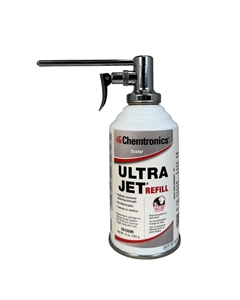
Frequently Asked Questions of how long are air duster cans good for
What is the typical shelf life printed on air duster cans?
Most air duster cans do not list a firm expiration date, but manufacturers and safety data suggest a practical shelf life of 2 to 5 years.
How can I find the manufacture date on my can?
Look for stamped batch codes, lot numbers, or a date; when unclear, contact the manufacturer with the code or treat the can as older inventory.
Can I freeze an air duster can to preserve it?
Freezing is not recommended as a storage method; extreme cold can stress seals and reduce immediate pressure, which may harm the can’s performance.
What should I do if a can is leaking?
Move it outdoors carefully, avoid flames, and place it in a well-ventilated area. Dispose of it at a hazardous waste facility according to local rules.
Is it risky to use an air duster can that is 6+ years old?
Age alone increases risk; inspect for weak spray, rust, bulging, or odd smells. When in doubt, replace the can for safety and effectiveness.
Conclusion
Knowing how long are air duster cans good for helps you protect your equipment and your safety. Store cans cool and dry, inspect them before use, and replace any that sputter, show damage, or are very old. Take action today: check your storage area, toss damaged cans safely, and buy fresh ones for important jobs. Share your experience below or subscribe for more practical maintenance tips.