To reset a tire pressure monitoring system, first check and adjust all tires to the vehicle manufacturer’s recommended pressure, then use your vehicle’s TPMS reset procedure, which may involve a reset button, dashboard menu, or driving cycle. If the warning light remains on, the system may need sensor relearning or repair.
Drivers across the United States rely on tire pressure monitoring systems (TPMS) to warn them when one or more tires are underinflated. Since the National Highway Traffic Safety Administration (NHTSA) requires TPMS on most passenger vehicles sold in the U.S. after 2007, understanding how to reset the system is a common part of vehicle ownership.
A TPMS reset does not fix an incorrect tire pressure or a damaged sensor. The reset process only allows the vehicle computer to recognize current tire pressure conditions after maintenance, tire rotation, sensor replacement, or pressure adjustments. The correct method depends on the vehicle make, model, and year, so checking the owner’s manual is always the most reliable step.
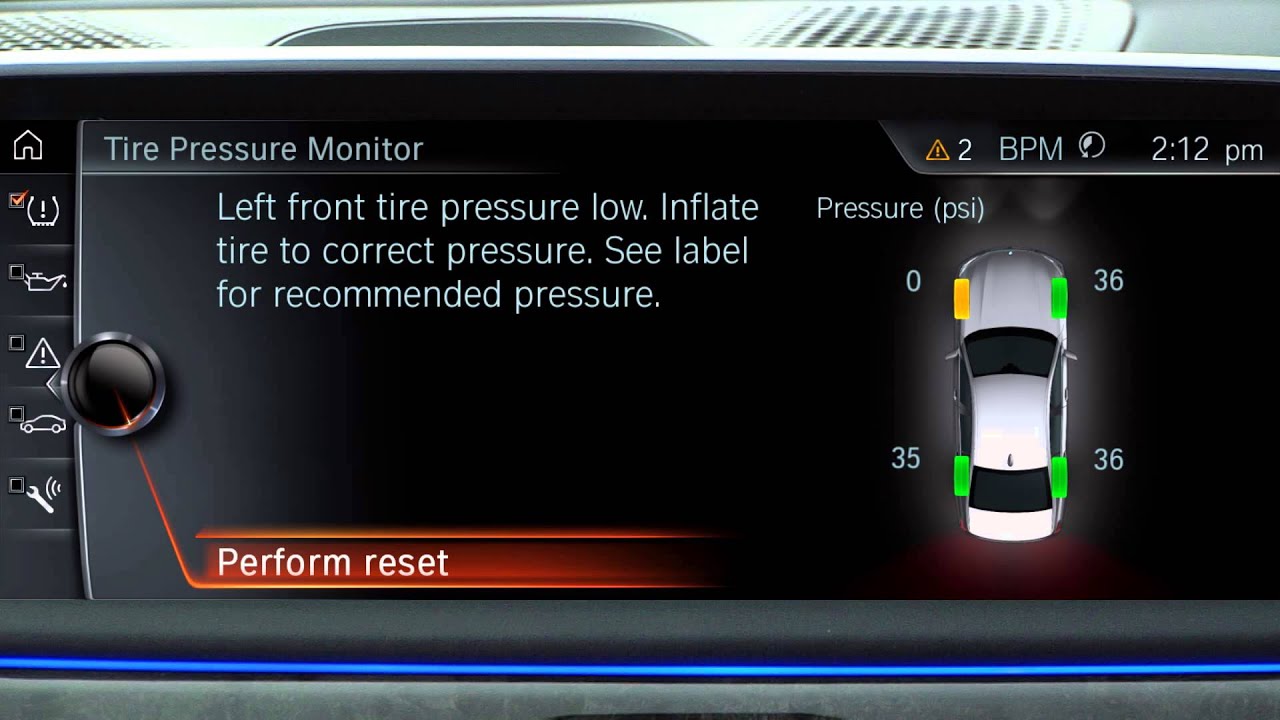
Source: i.ytimg.com
What Is a Tire Pressure Monitoring System Reset?
A tire pressure monitoring system reset is the process of clearing the vehicle’s TPMS warning status and allowing the computer to recognize the current tire pressure readings. The reset may be needed after adding air, replacing tires, rotating tires, installing new TPMS sensors, or correcting a warning light caused by temporary conditions.
TPMS systems use pressure sensors inside or attached to the wheels to measure inflation levels. When the vehicle detects pressure below the recommended level, it activates a dashboard warning light. Resetting the system helps confirm that the vehicle has received updated information, but it cannot replace proper tire inspection.
Source: nissankaengine.com
Direct TPMS
Uses individual sensors inside each wheel to measure actual tire pressure and transmit data to the vehicle computer.
Indirect TPMS
Uses wheel speed sensors from the anti-lock braking system to estimate pressure changes based on tire rotation differences.
When Should You Reset TPMS?
You may need to reset the tire pressure monitoring system after maintenance or when the warning light stays on even though tire pressures are correct.
After adjusting tire pressure
The vehicle may need to relearn the new pressure values after inflation changes.
After replacing tires or sensors
Some vehicles require a relearn process so the computer recognizes new sensor locations.
How to Reset Tire Pressure Monitoring System Step by Step
The exact TPMS reset process varies by vehicle manufacturer, but most systems follow a similar sequence. Complete the basic checks first, then use the reset method recommended for your vehicle.
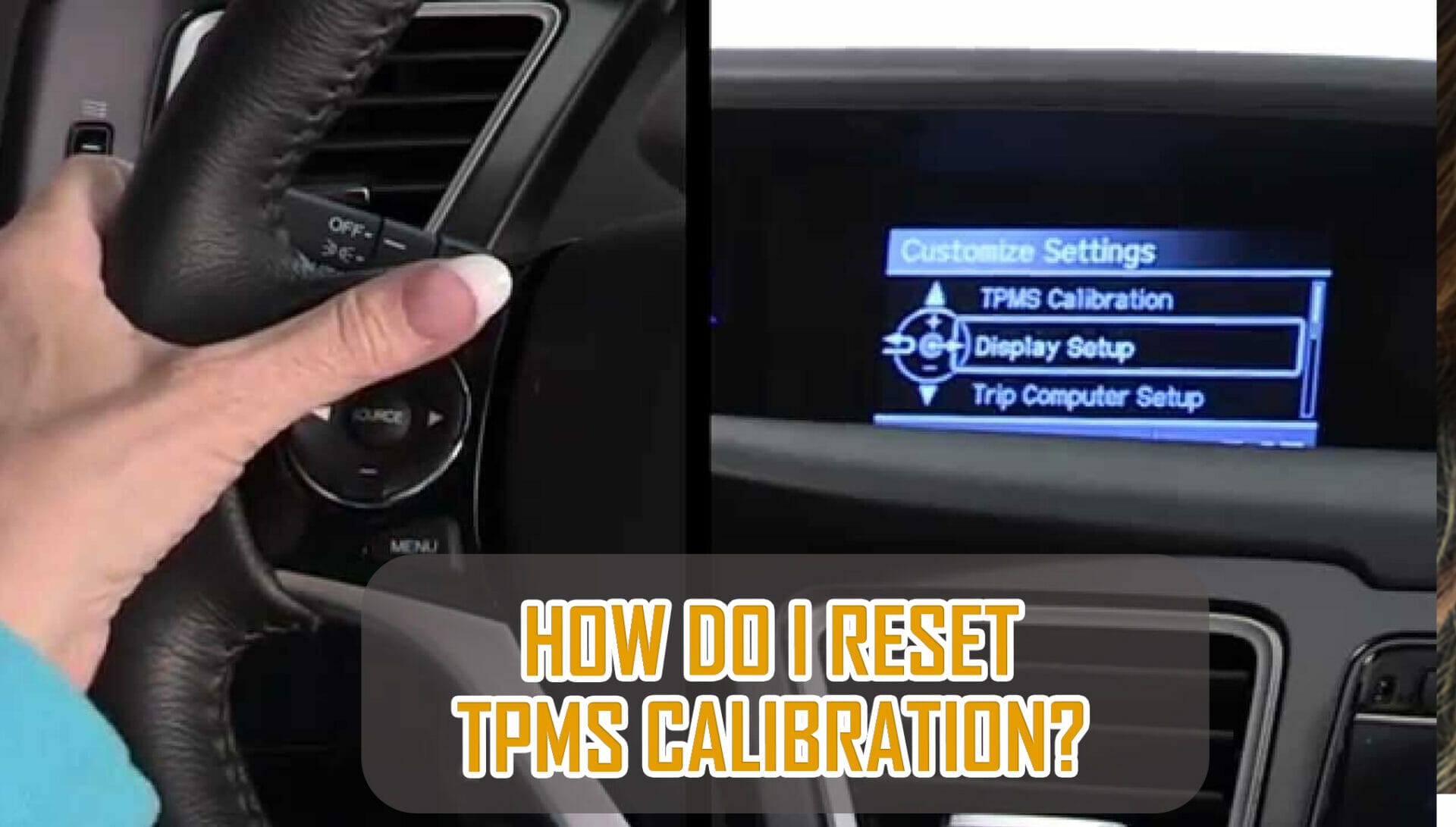
Source: i.ytimg.com
Step 1: Check all tire pressures
Use a reliable tire pressure gauge and inflate each tire to the pressure listed on the driver’s door jamb label or owner’s manual.
Step 2: Inspect for tire problems
Look for punctures, visible damage, uneven wear, or a tire that continues losing air.
Step 3: Turn on the ignition
Many vehicles require the ignition to be switched on without starting the engine before accessing TPMS settings.
Step 4: Start the reset procedure
Use the TPMS reset button, vehicle display menu, or manufacturer-specific procedure.
Step 5: Complete relearning if required
Some vehicles automatically relearn sensors after driving for a specific distance or time.
How to Reset TPMS Using a Reset Button
Some vehicles include a dedicated TPMS reset button under the dashboard, steering column, or glove box area. After correcting tire pressure, press and hold the button until the warning indicator flashes or changes according to the vehicle instructions.
Confirm success
The TPMS warning light should turn off after the system completes calibration.
How to Reset TPMS Through the Vehicle Menu
Newer vehicles often allow drivers to reset TPMS through the infotainment screen or instrument cluster settings. The menu names vary, but common options include Tire Pressure, TPMS Calibration, or Reset.
Follow vehicle prompts
Complete each confirmation step shown on the display before driving.
How Long Does It Take for TPMS to Reset?
A TPMS reset can take a few minutes when using a vehicle menu or reset button. Some vehicles need a driving cycle before the warning light turns off because the system must receive updated sensor information while the vehicle is moving.
The time required depends on the vehicle design. A simple calibration may finish quickly, while a sensor relearn procedure may require driving at normal speeds for several miles.
Some vehicles complete the process immediately after selecting the reset option.
Automatic relearn
Other vehicles require driving so the computer can identify sensor signals.
Why Is My TPMS Light Still On After Resetting?
If the TPMS warning light remains on after a reset, the system may still detect a problem. The most common causes are incorrect tire pressure, temperature-related pressure changes, damaged sensors, or an unsuccessful relearn procedure.
Before replacing parts, repeat the basic checks. Many TPMS warnings are caused by simple pressure changes rather than sensor failure.
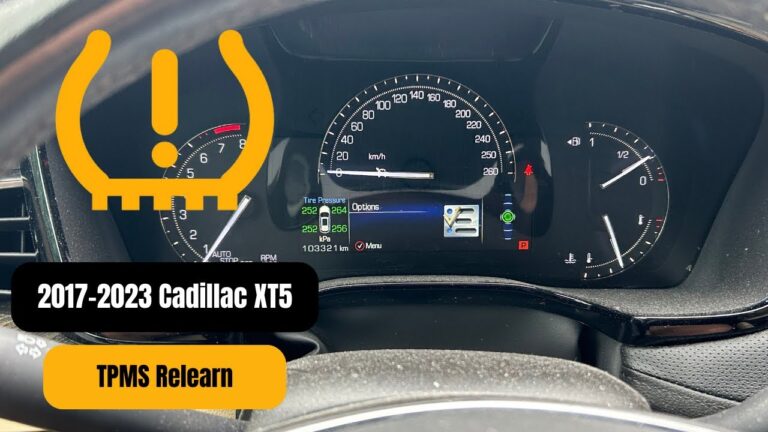
Source: i.ytimg.com
Low tire pressure
A tire may still be below the recommended pressure even after resetting the system.
Cold weather pressure drop
Lower temperatures can reduce tire pressure and trigger warnings.
Faulty sensor battery
TPMS sensors contain batteries that eventually wear out and may require replacement.
Incorrect sensor programming
Replacement sensors may need to be programmed or paired with the vehicle.
When Should You Get Professional Help?
Professional diagnosis is recommended when the TPMS warning remains active after correct inflation and reset attempts, especially if the vehicle shows a sensor fault message or multiple warning indicators.
Use a TPMS diagnostic tool
A technician can check sensor communication and identify failed components.
Common TPMS Reset Mistakes to Avoid
Many drivers attempt to reset the TPMS warning light without correcting the underlying issue. This can cause the warning to return and may hide a tire problem that needs attention.
Source: i.ytimg.com
Resetting before checking pressure
A reset cannot correct an underinflated tire.
Ignoring the owner’s manual
Vehicle-specific procedures vary significantly between manufacturers.
Replacing sensors unnecessarily
A warning light does not always mean the sensor has failed.
Frequently Asked Questions
Q
Can I reset my TPMS without a tool?
Many vehicles allow a TPMS reset without special equipment through a dashboard button, menu setting, or driving procedure. However, some vehicles require a TPMS scan tool after sensor replacement.
Q
Why does my TPMS light come back after resetting?
A returning TPMS light usually means the vehicle has detected a continuing issue, such as low pressure, a leak, temperature-related pressure loss, or a faulty sensor.
Q
How do I know if my TPMS sensor is bad?
Signs of a failing TPMS sensor may include a flashing warning light, sensor fault message, missing tire pressure readings, or repeated warnings despite correct tire inflation.
Q
Do I need to reset TPMS after changing tires?
Many vehicles need a TPMS relearn procedure after tire replacement, rotation, or sensor installation so the vehicle computer knows the new sensor positions.
Q
Can driving reset the TPMS light automatically?
Some vehicles automatically relearn tire pressure sensors after driving, but the required distance and speed vary by manufacturer.
✦ Wrapping Up
Conclusion
Resetting a tire pressure monitoring system is usually a simple process when tire pressure is correct and the vehicle’s reset procedure is followed. The most important step is identifying whether the warning light is caused by incorrect pressure or an actual TPMS problem.
Because TPMS designs differ between vehicles, always confirm the correct procedure in the owner’s manual before performing a reset. If the warning continues after proper checks, a professional inspection can help identify sensor or system faults.
💡 Key Takeaway
Check and adjust tire pressure first, follow your vehicle’s TPMS reset instructions, and investigate any warning light that returns instead of repeatedly resetting the system.
Kimberly ensures every piece of content is clear, helpful, and user-friendly. She focuses on creating guides that are easy to read while maintaining accuracy and trust.
Learn how to perform a Cadillac tire pressure monitoring system reset, relearn TPMS sensors, fix warning lights, and troubleshoot common Cadillac tire pressure issues.
Learn how Lockly smart lock batteries work, how to replace or charge them, signs of low battery, troubleshooting steps, and maintenance tips for reliable smart lock operation.
Learn how wireless CarPlay works, how it connects your iPhone to your car, setup steps, compatibility requirements, limitations, and troubleshooting tips.
Learn how much a tire pressure monitoring system costs, including sensor prices, installation fees, replacement costs, and factors that affect TPMS expenses for US drivers.
Learn how reprogramming a tire pressure monitoring system works, when TPMS relearning is needed, the required tools, step-by-step procedures, common problems, and safety tips.