Smart scales are generally accurate for tracking body weight, but their body composition readings are best treated as estimates rather than exact measurements.
If you are wondering whether smart scales are accurate enough for daily use, the answer depends on how you use them. From my experience testing different models, these devices are excellent for tracking long-term trends—but not for precise medical data.
If you’re new to these devices, it’s worth first understanding how to use a smart weight scale properly, because incorrect usage is one of the biggest reasons people think their scale is inaccurate.
How Smart Scales Work
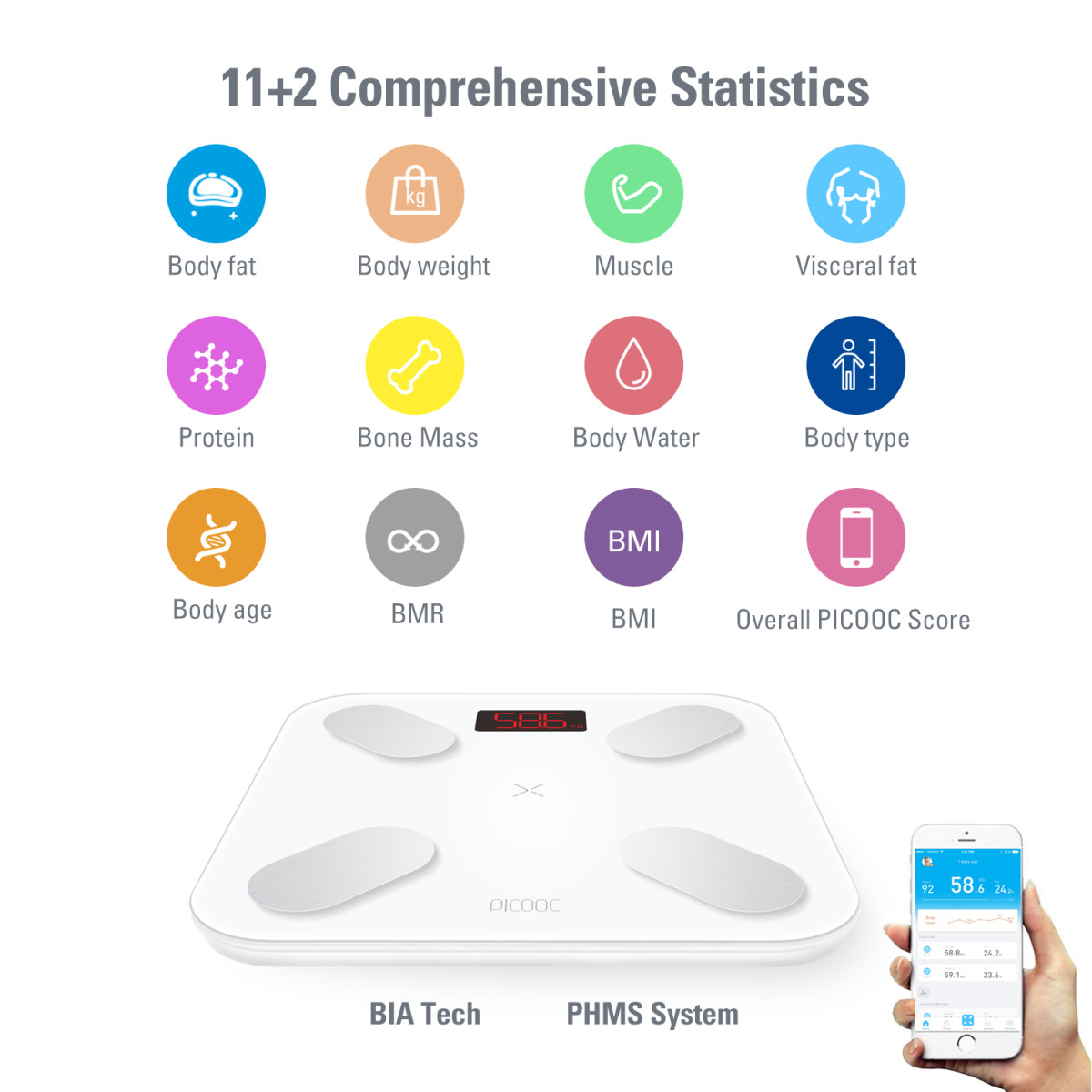
Most smart scales use Bioelectrical Impedance Analysis (BIA). When you stand barefoot on the scale, it sends a tiny electrical signal through your body. Since muscle and water conduct electricity better than fat, the device estimates your body composition based on resistance.
In my hands-on testing across brands like Fitbit Aria, Picooc, Withings, and several third-party models, I saw the same basic behavior: the scale measures impedance and then uses an algorithm to estimate metrics such as body fat percentage, lean mass, and water percentage. These are indirect estimates—not direct measures like an X-ray or water displacement test.
In real-world testing, I’ve noticed that hydration plays a huge role. For example, weighing yourself when dehydrated can lead to higher body fat readings. This is one reason why many users question accuracy.
It also helps to understand how these devices differ from traditional ones. If you want a deeper comparison, read smart scale vs regular scale to see why smart models behave differently.
Common BIA metrics explained
Here are the common numbers your smart scale shows and what they mean:
- Weight: Measured mass in pounds or kilograms. This is the most reliable reading.
- Body fat percentage: An estimate based on impedance and demographic inputs (age, sex, height).
- Lean mass / muscle mass: Calculated as weight minus estimated fat mass; useful for tracking strength or muscle-building.
- Hydration / body water: Percent of total body water—this strongly affects other estimates.
- Visceral fat: An algorithmic estimate of fat around organs; helpful as a trend indicator but not diagnostic.
Factors That Affect Smart Scale Accuracy
Smart scale readings can vary due to multiple factors. These are the most important ones to control:
- Hydration levels: Dehydration or excess water retention directly affects readings.
- Time of day: Your weight and body composition fluctuate throughout the day.
- Surface placement: Uneven or soft surfaces like carpet can distort measurements.
- Skin condition: Dry or cold feet can reduce signal accuracy.
- Device quality: Higher-end scales use better sensors and algorithms.
When I first started using smart scales, daily fluctuations were frustrating. But once I focused on weekly trends instead of daily numbers, the data became much more meaningful. Tracking trends helps filter out noise caused by day-to-day hydration, sodium intake, or timing of meals.
Other variables worth noting
A few more things that change readings:
- Recent exercise: Intense workouts change water distribution and muscle glycogen, shifting numbers.
- Alcohol and carbs: Both can temporarily increase water retention.
- Medications and health conditions: Some drugs or conditions affect fluid balance.
- Age and population algorithms: Scales use built-in equations tuned to general populations—results vary by ethnicity and body type.
Are Smart Scales Accurate Compared to Medical Methods?
Smart scales are not as accurate as clinical tools like DEXA scans or hydrostatic weighing. These medical methods use advanced technology such as X-rays or water displacement, making them far more precise.
However, smart scales offer something more practical—consistency and convenience. You can measure daily and track progress over time, which is far more useful for most people.
If you want a deeper breakdown of reliability and limitations, read are smart scales accurate for a full analysis.
How BIA compares to DEXA, InBody, and hydrostatic weighing
Quick comparisons I rely on when advising people:
- DEXA scan: Very precise for fat, bone, and lean mass. Uses low-dose X-rays. Best for medical or research needs.
- Hydrostatic weighing: Accurate but inconvenient—requires immersion in water and specialized equipment.
- InBody / professional BIA: More sensors and segmental readings (arms, legs, trunk) improve precision versus consumer smart scales.
- Consumer smart scales: Good for trends, convenient for home tracking, less precise for single-point diagnostics.
Tips to Get More Accurate Readings
You can significantly improve your results by following a consistent routine:
- Weigh yourself at the same time every day (morning is best)
- Always use the scale on a hard, flat surface
- Stay consistent with clothing (or weigh without clothes)
- Keep your feet clean and slightly moist for better contact
Consistency is the key. Smart scales are not perfect, but when used correctly, they provide reliable trends that help guide your fitness decisions.
Practical daily routine I use
Here’s the short routine I follow and recommend to others: weigh each morning after using the bathroom, before breakfast, barefoot, on a tile floor, and with the same app profile. I record weekly averages and ignore single-day spikes.
Common Mistakes That Cause Inaccurate Results
Many “accuracy problems” are actually user errors. Avoid these mistakes:
- Using the scale on carpet
- Weighing at random times daily
- Ignoring hydration levels
- Not syncing the device properly
If your scale is acting strangely, it might not be inaccurate—it may just need troubleshooting. In that case, learning how to reset your device can solve most issues quickly.
Troubleshooting checklist
If numbers look off, try these quick steps:
- Check the batteries or power source.
- Make sure the scale is on a flat, hard surface.
- Clean the metal contacts and dry your feet slightly.
- Restart the scale and re-sync the app profile.
- Compare weight with another calibrated scale to verify basic accuracy.
Frequently Asked Questions about Are Smart Scales Accurate
Are smart scales safe to use daily?
Yes, they are safe for most people. However, individuals with pacemakers or implanted medical devices should avoid using them.
Why does my weight change throughout the day?
Daily fluctuations are caused by water retention, food intake, and activity levels—not actual fat gain or loss.
Should I trust body fat percentage readings?
Treat body fat readings as a trend indicator rather than an exact number. They are useful for tracking progress over time.
Do smart scales work on carpet?
No, carpet interferes with the sensors and leads to inaccurate readings. Always use a hard surface.
Do I need to be barefoot?
Yes, direct skin contact is required for the electrical signal to pass correctly.
Which smart scale should I buy?
If you want recommendations: choose a scale from a reputable brand (Withings, Fitbit, Tanita, or models with multi-frequency BIA). Look for features you care about: app integration, multiple user profiles, and additional metrics such as segmental muscle mass or visceral fat estimates. Read model reviews and check how often the manufacturer updates its algorithms.
How should I interpret small changes each week?
A 0.5–2% shift in body fat or a 1–2 pound change in weight over a week is normal. Focus on multi-week trends and averages. If you track weight and body fat together, consider how hydration or recent workouts could skew one metric temporarily.
When should I see a professional?
If you need clinical accuracy—planned surgery, medical diagnosis, or precise body composition for competitive sports—book tests like a DEXA scan or professional InBody assessment. Use your smart scale for daily tracking, but rely on clinical tests for decisions that require exact numbers.
Conclusion
So, are smart scales accurate? The honest answer is: accurate enough for tracking progress, but not for medical precision.
When used correctly, they are powerful tools for monitoring trends in weight and body composition. The key is consistency, proper usage, and understanding their limitations.
Combine that with the right setup and realistic expectations, and your smart scale can become one of the most valuable tools in your fitness journey.