Convert voice recordings to editable Word files fast using speech-to-text apps or services.
I’ve spent years turning interviews, lectures, and meeting notes into clean, searchable Word files. This article walks you through practical ways for how to convert voice recorder to word document, step by step. You’ll get simple methods, device-specific guides, accuracy tips, and tool comparisons so you can pick the fastest, most accurate path for your needs.
Why convert voice recorder to Word document?
Turning audio into a Word document saves time. It makes your recordings searchable, editable, and easy to share. When you know how to convert voice recorder to word document, you stop retyping notes and start working with content directly.
Benefits include:
- Faster content creation for reports, articles, and transcripts.
- Better accessibility for readers who prefer text.
- Easier archival and search of important conversations.
I’ve found that converting audio improves productivity and helps teams stay aligned. The process also protects your ideas by turning ephemeral speech into permanent records.

Methods to convert voice recorder to Word document
There are four main methods to convert voice recorder to word document. Choose based on time, budget, and accuracy needs.
Automatic transcription services
- Use cloud services that auto-transcribe audio to text. They handle accents and background noise well with higher-tier plans.
- Pros: Fast, low manual work.
- Cons: May need edits for perfect accuracy.
Speech-to-text software
- Install software on your computer or phone that converts audio in real time or from files.
- Pros: Good offline options and privacy control.
- Cons: Setup or licensing may be required.
Manual transcription
- Listen and type or use voice typing while you play the recording slowly.
- Pros: Highest accuracy when topic-specific vocabulary appears.
- Cons: Time-consuming and tiring.
Hybrid approach
- Start with automatic transcription, then manually clean up the text in Word.
- This is my go-to. It balances speed and accuracy when I convert voice recorder to word document for interviews.
Quick PAA-style questions
What’s the fastest way to turn audio into Word?
Use a reliable automatic transcription service and then paste the cleaned text into Word.
Can I convert offline?
Yes. Desktop speech-to-text apps let you convert without uploading audio to the cloud.

Step-by-step: Convert voice recorder to Word document on different devices
Below are clear steps for common devices. Each path uses a trusted method to convert voice recorder to word document.
iPhone (using Voice Memos + transcription app)
- Record or export from Voice Memos as an M4A or WAV file.
- Upload the file to a transcription app or service.
- Download the text and paste into Word or open in Word for iOS.
Tips: Use a quiet room. Trim long recordings before uploading.
Android (using recorder app + Google Docs voice typing)
- Save the audio to your phone storage.
- Use a transcription app or upload the file to Google Drive.
- Open Google Docs, use voice typing while playing the audio, or paste the transcript into Word later.
Tips: Use a wired headset for clearer playback when using voice typing.
Windows (using built-in speech recognition or transcription tools)
- Transfer the audio file to your PC.
- Use built-in Windows speech recognition or an online transcription service.
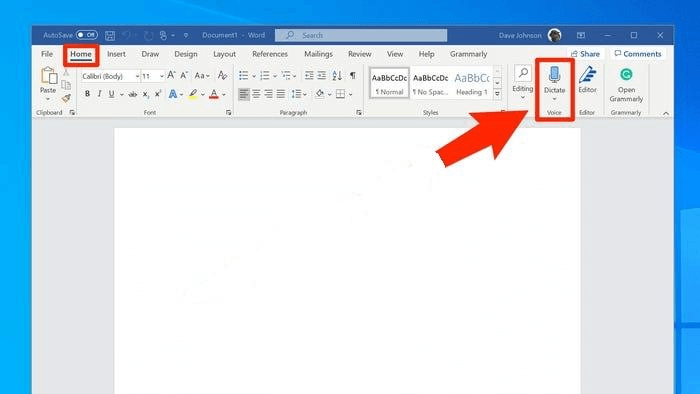
- Open Microsoft Word and paste or insert the transcript. Word for Microsoft 365 includes a Transcribe feature that accepts audio files directly.
Tips: Test a small clip first to choose the right service settings.
Mac (using Voice Control, QuickTime, or cloud services)
- Export audio from your recorder.
- Use macOS voice control for live dictation, or upload to a transcription service.
- Edit in Pages or Word for Mac.
Tips: macOS dictation works well for short clips but cloud services scale better for long files.
Online tools (web apps)
- Upload audio file to the web transcription tool.
- Let the tool process the audio and review the transcript.
- Download or copy text into Word.
Tips: Check privacy options. Some services delete files after processing.
I frequently use the hybrid method on desktop. I transcribe long interviews automatically, then edit in Word while listening to the audio. That reduces errors and speeds up the final draft.

Tips to improve transcription accuracy
Accuracy matters when you convert voice recorder to word document. Use these simple steps.
-
Record clearly
- Use a good microphone and limit background noise.
- Speak at a steady pace and avoid overlapping speakers.
-
Choose the right format
- WAV and high-bitrate MP3 files give better transcription results.
- Trim silence and split very long files.
-
Use speaker labels
- Note who speaks when you record or during editing.
- Many services support speaker diarization to label voices automatically.
-
Add a custom vocabulary
- For niche terms or names, add them to the tool’s vocabulary where possible.
- This reduces errors and manual fixing later.
-
Proofread while you listen
- Play the audio at 1x–1.25x and fix errors in Word as you go.
- Use comment features and track changes for collaborative editing.
From experience, spending 10–15 minutes on audio prep reduces editing time by almost half when I convert voice recorder to word document.

Common issues and how to fix them
You will run into hiccups when converting audio. Here are fixes I use.
Low accuracy
- Problem: Lots of misheard words.
- Fix: Improve audio quality, add vocabulary, and use a higher-tier transcription model.
Multiple speakers and overlaps
- Problem: Speakers talk over each other.
- Fix: Use services with speaker diarization and manually correct overlaps in Word.
Large files timeout
- Problem: Upload fails for long files.
- Fix: Split the audio into smaller chunks and transcribe each separately.
Privacy concerns
- Problem: Sensitive audio shouldn’t leave your device.
- Fix: Use local speech-to-text software or a vendor with strict data policies and encryption.
Formatting issues
- Problem: Raw transcripts lack punctuation or paragraphs.
- Fix: Use editing macros in Word, or a tool that adds punctuation automatically.
I once processed a five-hour workshop. I split the file into 20–30 minute parts, transcribed each, and then merged and formatted in Word. That workflow saved me hours.
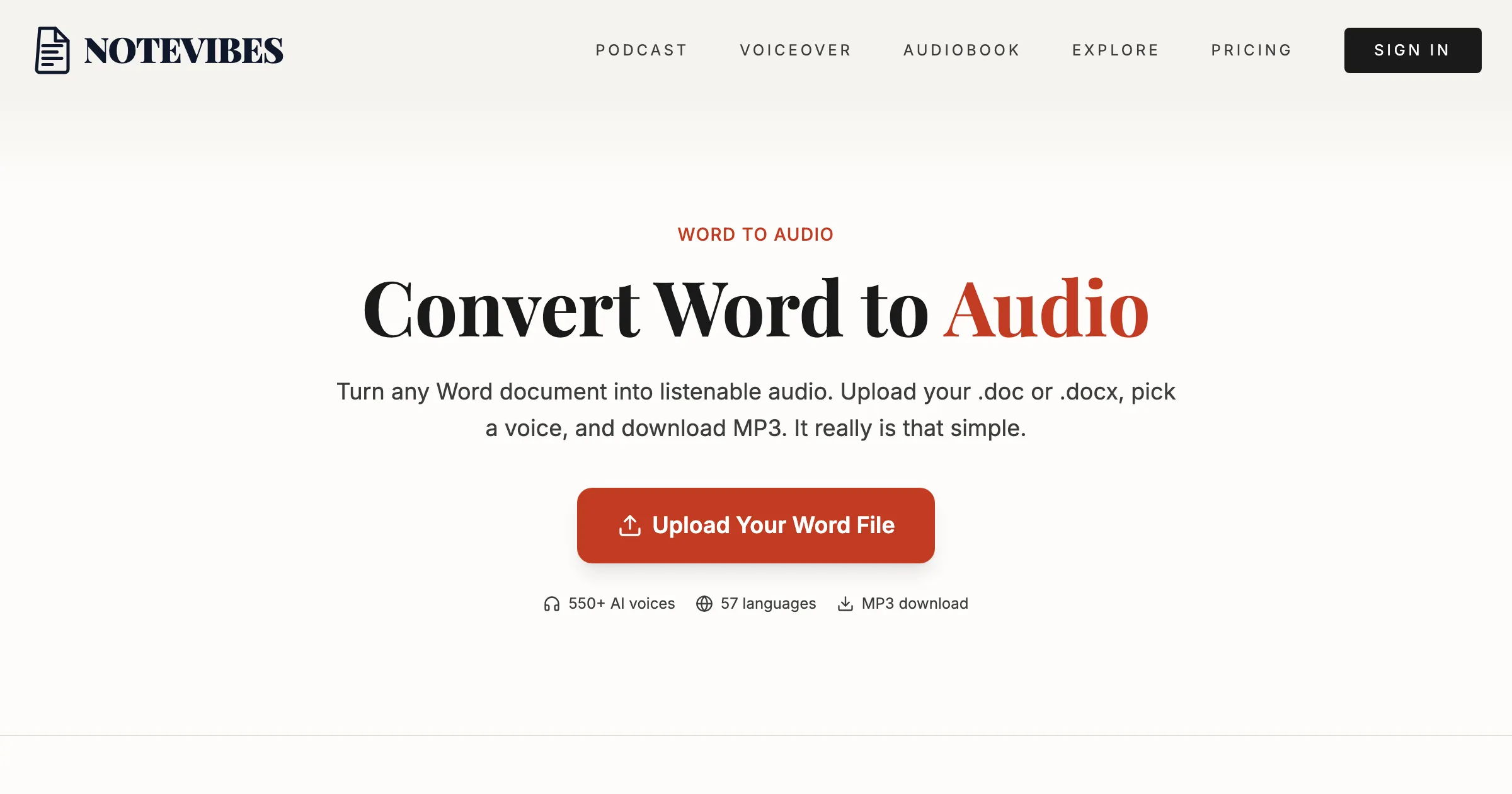
Best tools and software to convert voice recorder to Word document
Below are reliable tools I’ve tested and recommend. Pick one by balance of cost, speed, and privacy.
-
Microsoft Word Transcribe (Microsoft 365)
- Pros: Directly imports audio and creates editable transcripts in Word.
- Cons: Requires Microsoft 365 subscription.
- Use when you want an integrated Word workflow for how to convert voice recorder to word document.
-
Google Recorder and Google Docs Voice Typing
- Pros: Free options and decent accuracy for many accents.
- Cons: Live typing method can need manual cleanup.
- Use for quick, low-cost transcription.
-
Dedicated transcription services
- Pros: High accuracy, features like speaker labeling and timestamps.
- Cons: Subscription or per-minute fees.
- Use for interviews, legal, or media work.
-
Offline speech-to-text apps
- Pros: Keeps audio local for privacy.
- Cons: May require strong hardware and setup.
- Use when privacy is critical.
-
AI-powered web apps
- Pros: Fast and feature-rich with good language support.
- Cons: Uploading audio to cloud may raise privacy questions.
- Use when speed and turnaround matter.
In my work, Microsoft Word Transcribe is often the fastest path to a polished Word document. For sensitive files, I run local speech-to-text and then paste results into Word.
PAA-style questions
How long does it take to transcribe one hour of audio?
Automatic services often finish within minutes to an hour depending on server load. Manual transcription typically takes 3–5 hours per hour of audio.
Can I keep speaker IDs when I convert recordings?
Yes, many tools support speaker diarization to label speakers automatically, and you can refine labels while editing in Word.
Is automated transcription accurate enough for legal or medical records?
Automated tools are improving but usually require human review for legal or medical accuracy due to high stakes and terminology.
Frequently Asked Questions of how to convert voice recorder to word document
What file formats work best for transcription?
WAV and high-bitrate MP3 files work best because they preserve audio detail. Clear files reduce transcription errors and speed up processing.
Do I need internet to convert audio to Word?
Not always. Offline speech-to-text software can convert audio locally, but many automated services require internet access. Choose based on privacy and convenience.
How much does transcription cost?
Costs vary: some basic tools are free, cloud services charge per minute, and professional human transcription is pricier. Expect a range from free to several dollars per audio minute.
Can I keep timestamps in the Word document?
Yes. Many transcription tools insert timestamps, which you can keep or remove when pasting into Word. Timestamps help when editing or referencing audio.
How do I handle poor audio quality?
Use noise reduction tools or re-record if possible. If re-recording isn’t an option, try a service with robust noise handling and plan for more manual corrections.
Conclusion
Knowing how to convert voice recorder to word document turns audio into useful, editable content. Choose a method that fits your budget, privacy needs, and accuracy goals. Start with a short clip to test your chosen tool, then scale up your workflow. Try a hybrid approach: auto-transcribe, then polish in Word for the best balance of speed and quality. If this helped you, try one of the recommended tools and share your results or questions below — I’d love to hear what worked for you.