Start by validating a niche, build an MVP with privacy-first AI, then scale with B2B subscriptions.
I’ve built and advised voice-tech startups, and I’ll walk you through a practical, step-by-step plan for how to start an ai voice recorder business strategy. This article covers market validation, product design, required AI and cloud choices, pricing models, legal must-dos, go-to-market tactics, growth metrics, and real mistakes I’ve seen founders make. Read on for a clear roadmap you can act on today.

Why build an AI voice recorder business now?
AI voice recorders turn spoken words into searchable, structured data. Demand is rising across fields like journalism, healthcare, legal, meetings, and podcasters. Advances in speech models, lower cloud costs, and remote work create a large market window.
- Market trend: Companies need efficient meeting notes and searchable audio.
- Value: Saves time, improves accuracy, and surfaces insights from voice.
- Use cases: interviews, clinical notes, deposition transcripts, call center analytics.
My experience: I helped a small team go from prototype to pilot in three months by focusing on one niche and building core accuracy and privacy features first. That focus was the difference between a stalled idea and rapid customer wins.
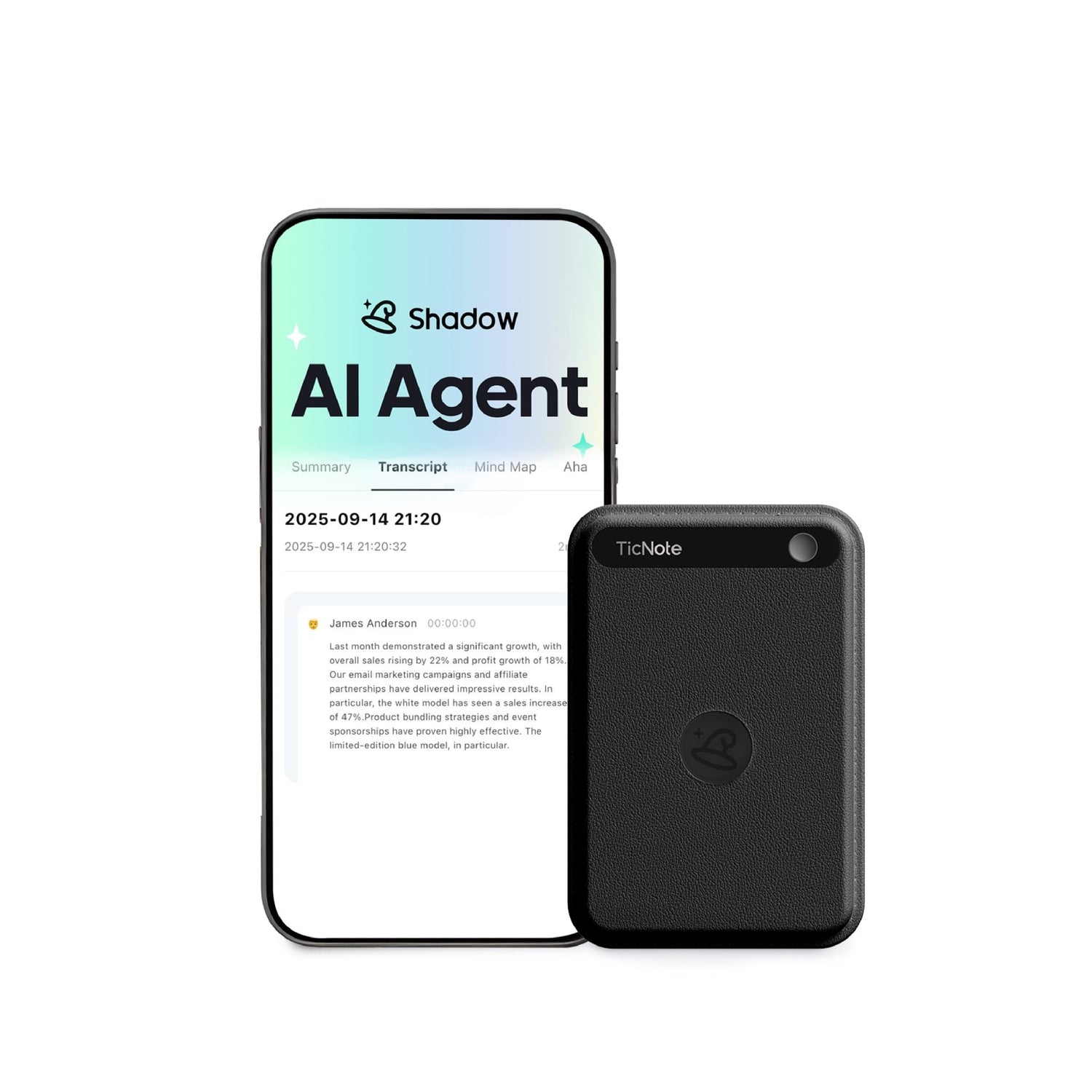
Validate demand and choose your niche
Validation reduces early risk. Pick a niche, test value, and measure willingness to pay.
Steps to validate:
- Identify target customers: journalists, doctors, lawyers, sales teams, podcasters.
- Run quick interviews: ask about workflow, pain points, and what they'd pay.
- Build a landing page with a clear offer and signup form.
- Offer a simple demo or pilot and track conversions.
Quick experiments:
- Cold email 50 potential customers and book 10 calls.
- Run a 2-week pilot with a simple manual transcription service to test demand.
- Use landing page analytics to measure interest before coding.
From my career: Offering a low-cost pilot to a law firm revealed hidden needs around verbatim timestamps. That insight shaped a feature we later monetized.

Define product scope and core features
Start small. Prioritize features that solve the main pain.
Core features to build first:
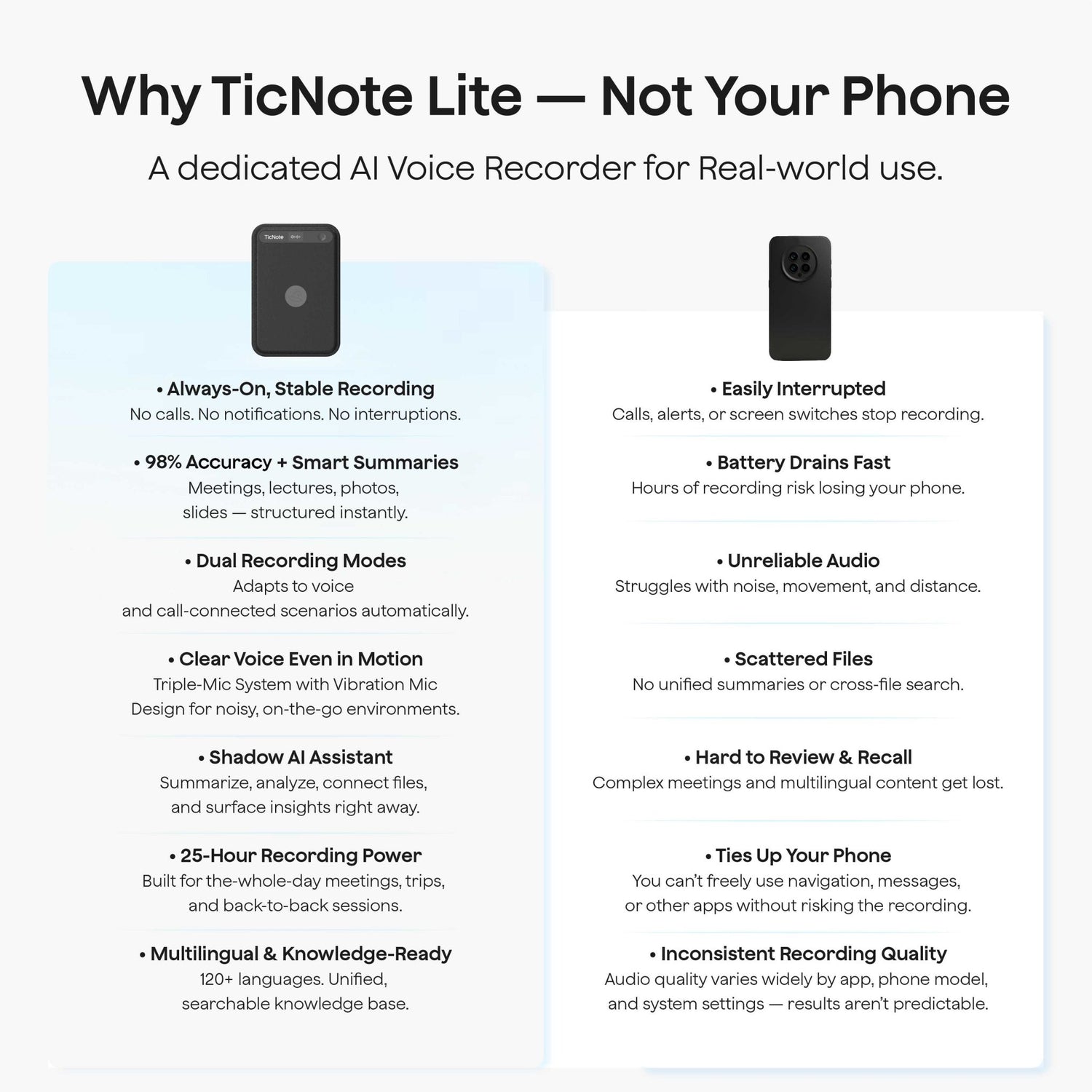
- Accurate transcription: support noisy audio and multiple speakers.
- Speaker diarization: show who said what.
- Searchable text: keyword search across recordings.
- Timestamping: link text to audio positions.
- Export options: text, SRT, Word, PDF.
- Privacy controls: data retention, encryption, and user consent.
Nice-to-have features for later:
- Real-time captions
- Sentiment analysis
- Summaries and action-item extraction
- Multi-language support
Technical choices:
- Use reliable ASR (automatic speech recognition) models and fine-tune for niche data.
- Add noise-robust pre-processing.
- Use modular architecture so you can swap models later.
Personal tip: Start with one high-quality language and support only one file format. That focus helped my team reach production quickly and reduced debugging time.
Technology stack and architecture
Choose tech that fits speed, cost, and scalability.
Suggested stack:
- Front end: Web app with React or simple static site for MVP.
- Back end: Python or Node service for processing.
- ASR: Cloud-hosted speech models or self-hosted open models for control.
- Storage: Encrypted object storage for recordings and transcripts.
- Search: Lightweight search engine for fast queries.
- Monitoring: Logging and error tracking.
Architecture pattern:
- Ingest audio -> Preprocess -> ASR -> Post-process (diarization, timestamps) -> Store -> Index for search -> Deliver via API/UI.
Cost considerations:
- Pay-as-you-go cloud vs. dedicated GPU instances.
- Use serverless for spikes to save money.
- Track per-minute processing cost early.
From experience: Using managed ASR for the MVP cut development time drastically. We switched to custom models once revenues justified the move.

Pricing and business model options
Pick models that match buyer behavior.
Common models:
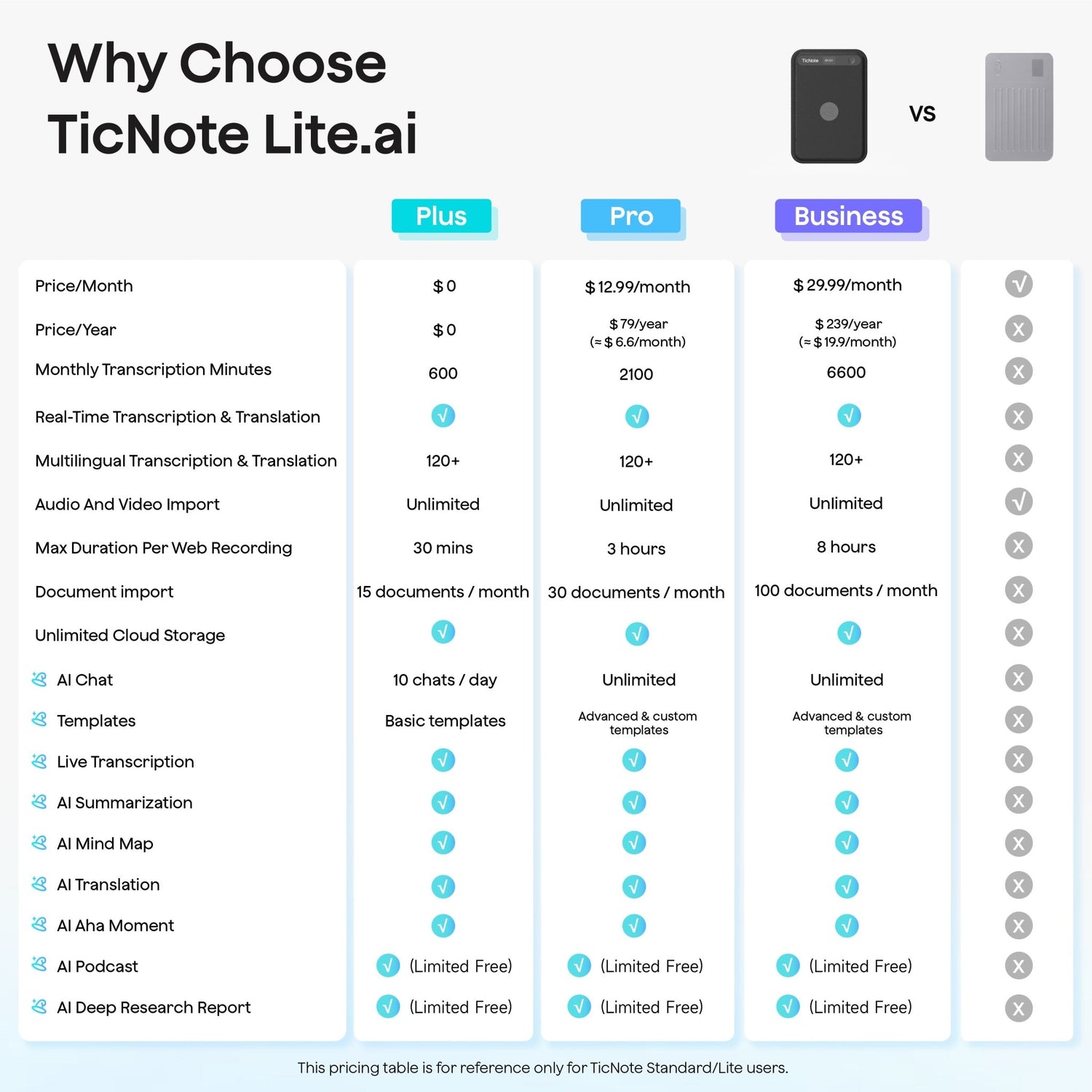
- Subscription: monthly plans by user seat or usage minutes.
- Freemium: limited free tier with paid upgrades.
- Per-minute billing: pay per recorded minute for low-volume users.
- Enterprise licensing: custom contracts for large clients.
- API access: programmatic billing for developers.
Pricing tips:
- Charge by value, not just cost. For lawyers, verbatim accuracy is worth premium prices.
- Offer pilot discounts to remove risk for early adopters.
- Bundle features (search + export + storage) for clear choice.
I recommend starting with a freemium plan plus a mid-tier subscription. The freemium plan draws users and the mid-tier helps test willingness to pay.
Go-to-market and growth strategy
A focused launch beats broad outreach. Choose channels that reach your niche.
Go-to-market steps:
- Content and SEO: publish how-to guides and case studies about your niche and how to start an ai voice recorder business strategy.
- Partnerships: integrate with meeting apps, EMR systems, or legal practice tools.
- Direct sales for enterprise: demos, pilots, and SLA negotiations.
- Community and referrals: podcasters, transcription communities, and forums.
Tactics that worked for me:
- Create niche landing pages: e.g., "AI voice recorder for doctors" with case studies.
- Run webinars that demo your recorder solving real problems.
- Build an integration that provides instant value (e.g., Slack or Zoom add-on).
SEO note: Publish content that answers user intent, like step-by-step guides, pricing pages, and transparent docs. Use semantic terms related to voice transcription, speech recognition, and privacy to rank for queries about how to start an ai voice recorder business strategy.

Legal, compliance, and data privacy
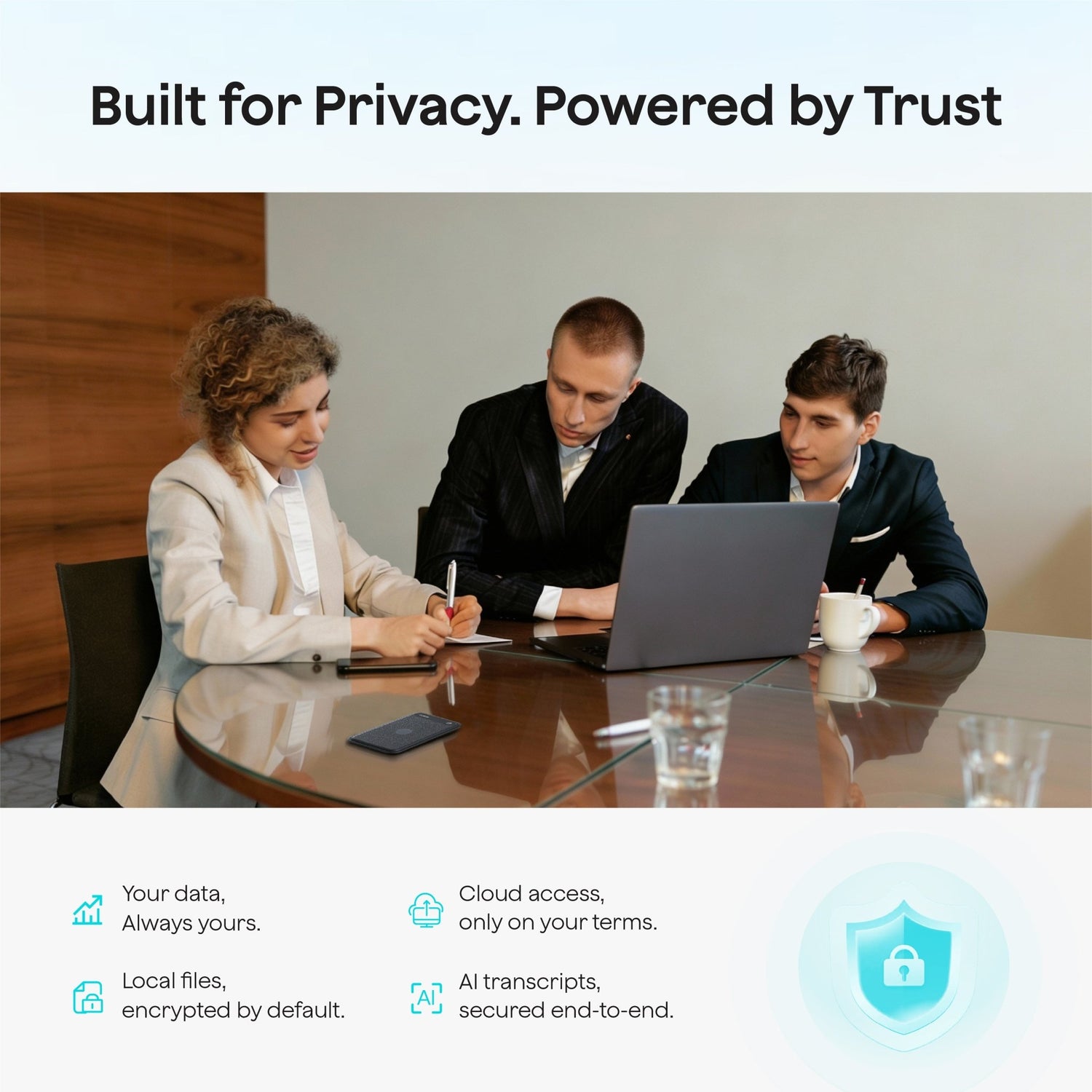
Privacy wins deals in regulated fields. Plan compliance early.
Must-dos:
- Obtain clear consent from speakers when required.
- Implement encryption at rest and in transit.
- Provide data deletion and retention options.
- Support GDPR and CCPA basics for EU and California users.
- Draft terms of service that explain data use and model training.
Special cases:
- Healthcare: consider HIPAA compliance and business associate agreements.
- Legal: preserve chain of custody and ensure secure exports.
Be transparent about limitations. For example, note where accuracy can degrade and how you protect user data. That honesty builds trust.
Team, operations, and customer support
Build a compact team for early stages.
Key roles:
- Product lead: defines roadmap and prioritizes features.
- ML engineer: handles ASR integration and model fine-tuning.
- Backend engineer: builds processing pipelines and storage.
- UX designer: creates a simple recording and playback flow.
- Sales/support: handles pilots and customer feedback.
Operational practices:
- Set up error monitoring and processing dashboards.
- Automate ingestion and retry logic for failed transcriptions.
- Offer live chat or fast email reply for early customers.
My lesson: Early customers give the best product feedback. Spend time onboarding them personally. That feedback shaped features that later paid off.

Metrics, monetization, and scaling
Track the right numbers and improve over time.
Important KPIs:
- Monthly recurring revenue (MRR)
- Customer acquisition cost (CAC)
- Churn rate and retention
- Average revenue per user (ARPU)
- Minutes processed per month
- Transcription accuracy and SLA compliance
Scaling tips:
- Cache transcripts and use incremental processing to save cost.
- Batch-process long files during off-peak hours.
- Add tiers with higher SLA and faster turnaround for premium pricing.
I recommend monthly metric reviews and running small A/B tests for pricing and onboarding flows. Small wins compound quickly.
Risks, limitations, and ethical issues
Address risks openly and design responsibly.
Key risks:
- Inaccurate transcripts can lead to downstream errors.
- Bias and model errors for accents or dialects.
- Misuse for surveillance or non-consensual recording.
- Rising compute costs affecting margins.
Mitigations:
- Add human review for critical workflows.
- Offer clear consent flows and audit logs.
- Use diverse training data for fairness.
- Monitor costs and implement usage limits.
Be transparent about accuracy and limitations. Users will appreciate realistic expectations.
Frequently Asked Questions of how to start an ai voice recorder business strategy
What is the first step to start an AI voice recorder business?
Start by validating a niche with interviews and a pilot. Confirm real pain and willingness to pay before building large features.
How much does it cost to build an MVP?
An MNVP can cost from a few thousand to tens of thousands depending on model choices and developer rates. Use managed ASR to reduce upfront costs.
Which market niches work best for AI voice recorders?
Healthcare, legal, journalism, sales, and enterprise meetings show strong demand due to high value from accurate transcripts and searchable audio.
How do I handle user privacy and compliance?
Implement encryption, consent, data deletion, and comply with GDPR/CCPA; consider HIPAA for healthcare. Document policies clearly.
Can I start with open-source models for transcription?
Yes. Open-source models lower licensing costs but may need tuning and more engineering. Managed APIs speed time-to-market.
How do I price my AI voice recorder?
Use a mix of freemium, subscription, and per-minute billing. Match pricing to the value you deliver and test with pilots.
How long until I can scale?
If you focus and validate early, a basic commercial product can be launched in 3–6 months. Scaling depends on market fit and investment.
Conclusion
You can launch an AI voice recorder business strategy by validating a clear niche, building a privacy-first MVP, and choosing a pricing model that captures value. Focus on accuracy, legal compliance, and simple UX to win early customers. Track key metrics, learn from pilots, and scale with partnerships and integrations. Take action today: run five customer interviews, build a simple landing page, and test a pilot. Share your progress, ask for feedback, and iterate quickly. Subscribe, try the experiments above, or leave a comment with your niche — I’ll reply with tailored next steps.