The best smartwatch for pacemaker users combines clear health tools, safe distance habits, comfort, and a visible medical ID.
You may want step counts, calls, fall alerts, or a quick way to show first responders that you have a pacemaker. At the same time, you may worry about magnets, charging parts, and heart sensors. I reviewed these medical ID watch tags with that real-life need in mind. They do not replace a smartwatch or medical advice, but they can make any compatible watch easier and safer to identify.
Pacemaker Aluminum ID Watch Charm

This small aluminum charm gives your smartwatch band a clear medical message without adding much weight. The hand-stamped pacemaker wording is easy to notice when someone checks your wrist. I like this style for people who want a simple marker rather than a large plate or a bulky medical bracelet. It can work well with many watch bands, but you should confirm the opening and band design before ordering.
The charm does not track your pulse, record an ECG, or connect to your phone. Its job is much simpler: it tells others about your pacemaker if you cannot speak for yourself. Lightweight aluminum should feel comfortable during daily wear, exercise, and sleep. Since the band and watch are not included, you can pair it with the smartwatch that your cardiology team has approved for you.
Pros:
- Lightweight aluminum design
- Clear pacemaker identification
- Small size adds little bulk
- Works with a separate smartwatch band
- Useful during travel, exercise, or emergencies
- Simple design needs no charging or app
Cons:
- Watch and band are not included
- Small text may be harder to read at a glance
- Aluminum may show wear over time
This charm is best for a smartwatch owner who values light weight and a clean look. It can serve as a quiet safety signal during a fall or other emergency. I would choose it for a person who already owns a comfortable band and wants a low-cost pacemaker reminder. It offers good value because it needs no battery, subscription, or setup.
Personalized Stainless Steel Pacemaker Charm

This stainless steel medical ID charm takes a more durable approach to pacemaker identification. Its engraved wording can provide a stronger, longer-lasting mark than a paper card kept in a wallet. The listed fit includes common 38mm, 40mm, 41mm, 42mm, and 44mm band sizes. I still recommend measuring your actual band because watch sizes and band connectors can vary by brand.
Stainless steel gives this tag a polished feel and may resist daily scratches better than softer materials. It is useful for someone who wears a smartwatch every day and wants the medical message to stay with the wrist. The tag is not a heart monitor and does not make a smartwatch safer around the pacemaker by itself. Your device manual and doctor’s advice remain the main safety guide.
Pros:
- Durable stainless steel construction
- Engraved medical identification stays visible
- Fits several common band sizes
- More polished look than a paper ID card
- Needs no battery or maintenance
- Useful for daily wear and travel
Cons:
- Can feel heavier than aluminum
- Fit must be checked before purchase
- Personalized items may have limited return options
I recommend this option for users who want a sturdy medical alert charm with a neat finish. It is especially practical for active people who do not want to carry a separate medical card every day. The durable steel body may also suit caregivers who want a visible, lasting reminder. Among these choices, it is a strong pick when long-term wear matters more than the lightest possible feel.
Rose Gold QR Code Medical ID Tag

This rose gold tag adds a digital layer to a traditional medical ID. The front can identify a pacemaker, while the QR code may give responders access to emergency contacts or other information that you choose to provide. That can help when a small watch tag cannot hold a full list of medicines or allergies. The rose gold finish also blends well with many dress watches and lighter bands.
A QR code is useful only when it is clear, linked to current information, and easy to scan. I would test it with two phones before relying on it for emergencies. Do not place private details online unless you understand the service and its privacy settings. The tag does not provide health readings, and it cannot replace a medical alert service or a current medical ID card.
Pros:
- Combines visible pacemaker text with a QR code
- Can hold more emergency information than a small engraving
- Stylish rose gold appearance
- May include an emergency contact
- Useful when details change over time
- Does not need a watch battery
Cons:
- QR code needs a working phone and internet access
- Online information must be kept current
- Some responders may prefer a plain engraved ID
This is best for a tech-comfortable user who wants more room for emergency details. It may suit someone with several medicines, allergies, or a caregiver contact. I would not make the QR code the only form of identification; keep the pacemaker wording visible in plain text. As a connected medical ID accessory, it offers useful flexibility at a reasonable price.
Rose Gold Personalized Medical ID Plate

This rose gold medical ID plate is made for people who want a more noticeable label on a smartwatch band. The pacemaker wording gives first responders a quick clue before they handle the wearer or review a phone. Its plate style may look more secure and formal than a loose charm. The color pairs nicely with rose gold watch cases, jewelry, and warm-toned bands.
A medical ID plate can be helpful during a fall, fainting episode, or emergency room visit. It does not send an alert, measure heart rhythm, or contact family members by itself. Before ordering, check the width, attachment method, and band material so the plate sits flat. I also suggest asking the wearer to keep a full medical history in the phone’s emergency information feature.
Pros:
- Clear pacemaker wording is easy to spot
- Rose gold finish looks polished
- Personalized medical alert format
- Works beside a compatible smartwatch
- No app, charging, or monthly fee
- Helpful for users who dislike medical bracelets
Cons:
- May not fit every band width
- Can catch on loose clothing if not seated well
- Does not provide two-way emergency communication
This plate is best for a smartwatch user who wants a clear and dressy medical marker. It works well for older adults, people who live alone, and anyone who wants important information on the wrist. I like it for users who may not remember to carry a wallet card. It provides strong everyday value, provided the plate fits the band securely.
Silver Laser-Engraved Pacemaker ID Tag

This silver laser-engraved tag offers a neutral look that matches most smartwatch cases. The pacemaker label is designed for a watch band, so it keeps the alert close to the wrist instead of hidden in a purse or wallet. Silver is a good choice for users who prefer a simple, low-key style. It can blend with sport bands, metal bands, and everyday clothing.
The tag has a practical purpose, not a diagnostic one. It cannot detect an abnormal rhythm or tell you whether a pacemaker is working correctly. I would use it with a watch that has been reviewed by your doctor or device clinic, rather than treating the accessory as proof that any smartwatch is safe. Check the fit after installation, and look for sharp edges or movement during normal activity.
Pros:
- Neutral silver color suits many watches
- Laser engraving supports clear identification
- Keeps pacemaker information on the wrist
- Light and simple for daily use
- No charging or phone setup needed
- Good option for sport and casual bands
Cons:
- May show marks with heavy use
- Must be matched to the correct band size
- Limited space for a full medical history
This is best for a user who wants a silver medical ID that does not draw much attention. It may be a comfortable choice for people who already wear a smartwatch for calls, activity tracking, or reminders. I would pair it with an emergency contact stored on the phone. Its low-maintenance design makes it a dependable and affordable part of a broader safety plan.
Rose Gold Laser-Engraved Pacemaker ID Tag
This rose gold version gives the same practical purpose as a standard medical ID plate with a warmer finish. It can help a pacemaker wearer keep a clear health note visible without wearing a traditional medical bracelet. The laser-engraved style is designed to remain readable through regular use. I find this look especially appealing for users who want safety information to feel like part of their normal jewelry.
The tag is a label, not a smartwatch feature. It will not provide fall detection, emergency calling, blood oxygen readings, or ECG results. Those functions depend on the watch, phone, software, plan, and local coverage. For the best result, place the plate where it remains visible and make sure it does not press into the skin or slide under the wrist.
Pros:
- Attractive rose gold finish
- Laser-engraved pacemaker wording
- Easy way to add medical information to a watch band
- No battery or subscription cost
- Suitable for daily and formal wear
- May feel less medical than a large bracelet
Cons:
- Only fits compatible watch bands
- Cannot alert emergency contacts on its own
- Small plate limits extra information
This option is best for someone who wants a medical ID with a stylish finish. It can work well for a person who wears a rose gold smartwatch or matching jewelry. I would choose it for comfort, appearance, and simple visibility rather than advanced features. It is a solid value when you want a discreet safety cue that stays on the wrist.
Black Personalized Pacemaker ID Plate

The black medical ID plate is a practical match for dark sport bands and black smartwatch cases. Its contrast can make the pacemaker message stand out while keeping the overall look simple. This may appeal to runners, hikers, and users who prefer a less decorative accessory. A wrist-mounted label can be easier to find than a card inside a crowded wallet.
Black finishes can hide small marks from normal wear, though the engraving still needs to remain clear. I would inspect the plate after fitting it and confirm that the text faces outward. The product does not change the electromagnetic safety of a smartwatch. Instead, it adds identification that may help emergency workers make better decisions faster.
Pros:
- Matches black and dark-colored bands
- Clear medical alert purpose
- Useful for active and outdoor users
- Does not require charging or software
- Can be easier to notice than a wallet card
- Simple appearance suits everyday clothing
Cons:
- Black coating may wear at contact points
- Fit depends on the band design
- Provides identification only, not emergency service
This is best for active users who want a sturdy-looking black marker on a sport smartwatch band. It may also suit men or women who dislike bright metal colors. I would recommend it to anyone who wants visible information without adding a large bracelet. The value is strongest when it is combined with fall detection, emergency contacts, and a current medical record.
Silver Personalized Pacemaker ID Plate
This silver plate is a classic choice for a pacemaker wearer who wants a clean and familiar medical ID style. The visible label can stay with the wearer even if the smartwatch battery dies. Its silver color works with many cases and bands, which makes it easier to add to an existing setup. The plate also avoids the need to learn a new app or manage another device.
I consider this type of tag a useful backup to digital health features. It can help identify a key condition, but it cannot list every medicine, allergy, or past procedure unless the available engraving space allows it. Keep a detailed record in your phone and share it with a trusted family member. Also confirm the band fit so the plate does not twist away from view.
Pros:
- Classic silver appearance
- Visible pacemaker identification
- Works without a battery or network
- Easy to pair with many watch styles
- Helpful backup when a smartwatch is off
- Simple for older users and caregivers
Cons:
- Cannot track health data
- May not fit unusually wide or narrow bands
- Small surface limits detailed medical notes
My Recommendation
This silver plate is best for users who want a familiar, low-maintenance medical ID on a smartwatch band. It suits older adults, caregivers, and people who prefer plain text over a QR code. I value it as a backup because it remains useful when the watch has no charge or the phone is unavailable. For many readers, it is the best smartwatch for pacemaker accessory because it is clear, simple, and easy to maintain.
How I Chose These Pacemaker Watch Accessories
When I review a product for a health-related use, I first separate the real function from the marketing language. These products are medical ID tags, charms, and plates. They do not turn a normal watch into a medical device. They also do not confirm that a smartwatch is safe for every pacemaker or implanted cardiac device.
I looked at visibility, material, fit, comfort, style, and daily upkeep. A good ID should stay on the wrist, remain readable, and avoid sharp edges. It should not twist under the band or become hidden by clothing. I also considered whether the product needs charging, an app, a phone, or an internet connection.
Medical safety came first. Current guidance from device makers and heart-care professionals commonly advises keeping phones, smartwatches, chargers, and other products with magnets away from implanted cardiac devices. The exact distance can vary by device and product. Always follow the instructions from your pacemaker manufacturer and cardiology team.
Can a Smartwatch Affect a Pacemaker?
Some smartwatches and their charging accessories contain magnets. Strong magnets may affect certain implanted cardiac devices if placed very close to the implant. The risk often relates to close contact, not ordinary use at a normal distance. Because pacemakers differ, I do not give one universal safety distance for every model.
Many manufacturers advise keeping a magnetic smartwatch or phone at least six inches from an implanted cardiac device. A watch worn on the wrist is normally farther from a pacemaker in the chest. However, holding the watch or charger directly over the implant is a different situation. Never place a smartwatch, magnetic band, or charging puck on your chest.
If your watch gives a warning, your pacemaker clinic gives different guidance, or you notice dizziness or unusual symptoms, stop using the device and contact your medical team. If you feel faint, have chest pain, or have trouble breathing, seek urgent medical help. A medical ID tag cannot prevent interference, but it can help responders understand your condition.
What Features Matter in the Best Smartwatch for Pacemaker Users?
Medical ID and emergency contacts
A visible medical ID is one of the most useful features for a pacemaker user. It can show the word “pacemaker” before anyone starts an examination. A smartwatch with an emergency information screen may also store your name, contacts, medicines, and allergies. I prefer a visible tag plus digital information, because one backup supports the other.
Fall detection and emergency calling
Fall detection can help if you lose consciousness or cannot reach your phone. Some watches can call emergency services when they detect a hard fall and no response. This feature may need a phone connection, cellular service, a paid plan, or a clear outdoor signal. Test it with a family member and learn how to cancel a false alert.
Comfort and band security
A watch that feels heavy or slips will not help much. Choose a band that stays secure without being tight. Soft silicone may suit exercise, while fabric or leather may feel better for daily use. Check that the medical tag remains on the top or side of the wrist and does not irritate your skin.
Battery life and charging habits
Long battery life reduces the chance of losing safety features at the wrong time. It also means fewer charging sessions. Keep the charging puck away from your pacemaker and follow the manufacturer’s placement instructions. I would never sleep with a charger held against the chest, even if the watch itself is normally worn on the wrist.
Health sensors
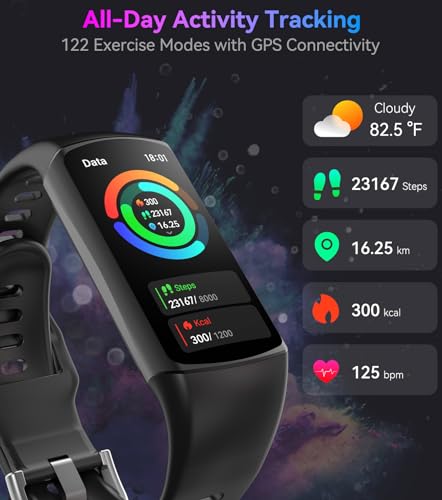
Smartwatch sensors can track steps, pulse trends, sleep, and sometimes ECG readings. These tools may help you notice changes, but they do not replace pacemaker checks or a doctor’s assessment. A watch can miss a problem, show an inaccurate result, or interpret a rhythm incorrectly. Treat health data as a conversation starter, not a diagnosis.
Phone compatibility
Before buying, check whether the watch works with your iPhone or Android phone. Some watches lose key features when paired with the wrong operating system. Emergency calling, medication reminders, and medical ID settings may also vary by region. Compatibility matters just as much as the display or sensor list.
Best Smartwatch Styles for Different Pacemaker Users
The best smartwatch for pacemaker users is not the same for everyone. A person who lives alone may need fall detection and cellular calling. A runner may care more about secure fit, GPS, and battery life. Someone who only wants reminders and calls may prefer a light watch with a large, clear screen.
For an older adult, I would focus on a readable display, loud alerts, simple emergency access, and a comfortable band. For an active adult, I would look for water resistance, a strong clasp, and a watch that does not need constant charging. For a caregiver, I would prioritize location sharing, emergency contacts, and reliable notifications.
In every case, I would add a pacemaker medical ID tag. The tag is a small bridge between smart technology and basic human help. If the battery runs out, the phone is locked, or the watch screen is hard to read, the printed message still provides a useful clue.
Smartwatch Safety Tips for Pacemaker Wearers
- Ask your cardiologist or device clinic before buying a new smartwatch.
- Read the pacemaker and smartwatch manufacturer safety instructions.
- Keep magnetic watches, chargers, and bands away from the implant.
- Never place a watch or charger directly over your pacemaker.
- Use a visible medical ID tag and update phone emergency information.
- Keep your pacemaker identification card in your wallet.
- Test fall detection and emergency calling with a trusted person.
- Do not use a smartwatch ECG as a substitute for a clinical ECG.
- Stop using a product if it causes symptoms or your doctor advises against it.
- Keep the watch software and phone operating system updated.
These steps sound basic, but basic steps often work best. A smartwatch is one part of a safety plan, not the whole plan. The watch may provide alerts, while the ID tag gives clear context. Your doctor and device maker remain the best source for personal compatibility advice.
Best for Comparison
| Best for | Why |
|---|---|
| Lightweight daily wear | The aluminum charm adds a small, simple pacemaker reminder. |
| More emergency details | The rose gold QR tag can connect responders to extra information. |
| Simple long-term value | The silver personalized plate needs no battery, app, or subscription. |
FAQs Of best smartwatch for pacemaker
Can I wear a smartwatch if I have a pacemaker?
Many people with pacemakers wear smartwatches, but compatibility depends on the device and watch. Ask your cardiologist or pacemaker clinic first. Follow the distance and magnet guidance from both manufacturers.
Is an Apple Watch the best smartwatch for pacemaker users?
It may be a good option for some people because of emergency calling, fall detection, medical ID, and health features. It is not automatically right for every pacemaker. Confirm compatibility, and do not rely on its ECG or pulse data as a diagnosis.
Do medical ID watch tags interfere with pacemakers?
The listed tags are passive identification accessories. They do not transmit signals or measure your heart. Still, inspect any clasp or decoration for magnets and ask your device clinic if you have concerns.
Should I use a smartwatch ECG with a pacemaker?
Ask your doctor before using ECG features. A smartwatch ECG may not work as intended with paced rhythms and cannot replace a clinical test. Share unusual readings with a qualified medical professional.
What should my pacemaker ID tag say?
At minimum, it should clearly say “pacemaker.” You may also add your name, an emergency contact, important allergies, or medicine details if space allows. Keep private information limited and current.
Final Verdict: Which Should You Buy?
The silver personalized pacemaker ID plate is my top simple pick. It is clear, low-maintenance, and works beside an approved smartwatch. The rose gold QR tag is better when you need more emergency details.
The best smartwatch for pacemaker users should support safe habits, emergency access, and a visible medical ID. Confirm device compatibility with your care team before buying.