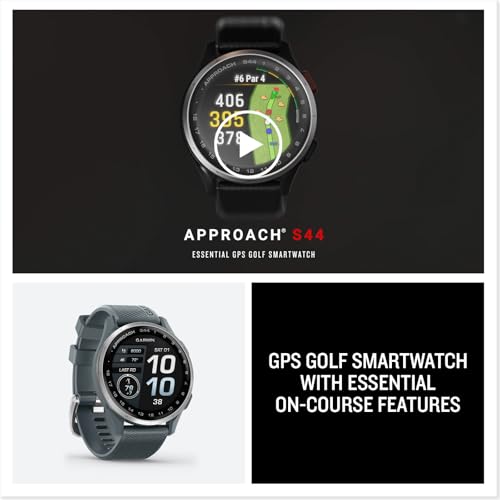
The POLAR Grit X Pro is the best smartwatch for hiking because it offers strong navigation, rugged build, and long battery life.
You start before sunrise, follow a new trail, and soon lose phone signal. Your wrist can still show key data, track your route, and help you watch your pace. The best smartwatch for hiking should handle rain, bumps, sweat, and long days without adding stress. I looked at GPS tools, battery claims, water ratings, health sensors, displays, comfort, and phone support. These nine picks suit different hikers, from casual park walkers to serious trail users who need durable navigation and dependable outdoor features.
Military Smartwatch With Dual-Band GPS

This military-style smartwatch stands out with dual-band GPS, a 1.43-inch AMOLED screen, and a 5ATM water rating. The bright display should make trail data easier to read in shade and sun. It also tracks heart rate, blood oxygen, sleep, and many sports modes. Bluetooth calling adds a handy way to answer a call when your phone stays in a pocket.
I see this model as a strong choice for hikers who want many features at a modest price. Dual-band GPS can help in places where trees, cliffs, or tall buildings make signals harder to read, though no watch can replace a map and compass. The rugged shell suits daily outdoor use, and the water rating offers useful protection from rain and splashes. Before a long trip, I would test battery life with GPS turned on because real use can differ from the advertised figure.
Pros:
- Dual-band GPS may improve route tracking in difficult areas
- Bright AMOLED display helps with quick trail checks
- 5ATM water rating supports rain and wet-weather use
- Tracks heart rate, blood oxygen, and sleep
- Bluetooth calling adds useful trail convenience
- Many sport modes suit hiking and other outdoor activities
Cons:
- Health readings are for wellness use, not medical diagnosis
- GPS use may reduce battery life faster than normal watch use
- Large military styling may feel heavy on a small wrist
My Recommendation
I recommend this watch for hikers who want a large feature list, a clear screen, and dual-band GPS without moving to a premium outdoor brand. It fits day hikes, travel, trail running, and general fitness. It is also a good match for users who want calls on the wrist. As a value-focused best smartwatch for hiking, it offers a strong mix of outdoor tools, but I would carry a paper map on remote routes.
Military Smartwatch With LED Flashlight
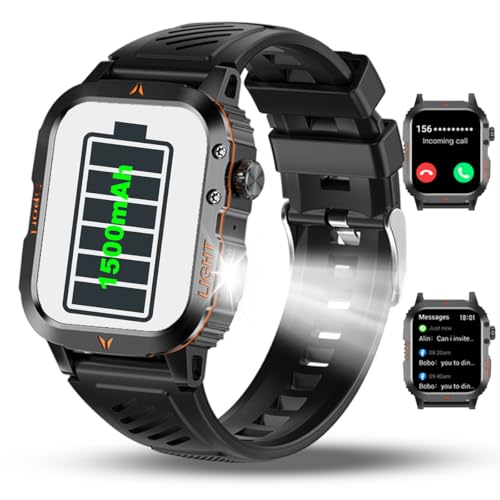
This rugged smartwatch adds a feature that many hikers overlook: a built-in LED flashlight. That light can help when you search a pack, check a tent zip, or walk back after sunset. The watch also offers Bluetooth calling, heart-rate tracking, blood oxygen tracking, sleep monitoring, and a step counter. Its IP68 water protection is useful for normal rain, sweat, and splashes.
The design targets hunting, hiking, and other demanding activities. I like the idea of keeping a small light on the wrist, since it saves time when you do not want to unpack a headlamp. Android and iPhone support make it flexible for many users, but phone features may depend on the companion app and phone settings. I would treat the flashlight as an emergency aid rather than a full replacement for a proper trail light.
Pros:
- Built-in LED flashlight helps during low-light tasks
- IP68 protection suits rain and wet trails
- Bluetooth calling reduces the need to reach for a phone
- Health and sleep tracking support daily wellness goals
- Rugged look fits hunting and outdoor use
- Compatible with both Android and iOS devices
Cons:
- IP68 does not mean unlimited swimming or diving protection
- It may lack the advanced navigation tools found on premium hiking watches
- The flashlight has limited range compared with a headlamp
My Recommendation
This model is best for casual hikers, campers, hunters, and outdoor workers who value a flashlight as much as fitness data. It makes sense for short trails and daily use near home. I would not choose it as my only safety tool for remote mountain routes because the listing does not emphasize advanced mapping. Still, it can serve as an affordable best smartwatch for hiking when basic tracking and practical outdoor extras matter most.
POLAR Grit X Pro Outdoor GPS Watch

The POLAR Grit X Pro is the most serious outdoor-focused option in this group. It combines military-tested durability, sapphire glass, wrist-based heart-rate tracking, GPS, navigation, and a long-use battery design. Sapphire glass can resist scratches better than standard watch glass, which matters when branches and rocks crowd a narrow trail. The black finish also looks at home on a trail or at work.
Polar built this watch for hikers, trail runners, and multisport users who care about training data. Navigation tools can help you follow a planned route, while outdoor metrics give more context than simple step counts. I still suggest loading and checking a route before leaving, since GPS watches need a clear signal and power. This is the most convincing premium pick here for people who hike often and want a tool that feels made for the outdoors.
Pros:
- Sapphire glass offers strong scratch resistance
- Rugged build suits demanding outdoor use
- GPS and navigation support route awareness
- Long battery design helps on extended trips
- Wrist-based heart-rate tracking supports training
- Useful for hiking, trail running, and multisport workouts
Cons:
- Premium outdoor features can cost more than basic smartwatches
- The larger outdoor design may not suit every wrist
- Advanced settings may take time for new users to learn
My Recommendation
I would choose the POLAR Grit X Pro for frequent hikers, trail runners, and athletes who need durable navigation and training tools. It is less about flashy phone features and more about trail work. The sapphire lens and outdoor build add confidence when the path gets rough. For many serious users, this is the best smartwatch for hiking in this group and the best long-term value if they will use its advanced tools often.
baoinse Rugged GPS Smartwatch

The baoinse rugged smartwatch focuses on broad activity support and simple outdoor convenience. It includes GPS, call functions, voice assistant access, more than 100 athletic modes, and a stated battery life of up to 10 days. That battery claim refers to specific use conditions, so GPS tracking and frequent calls may lower it. The watch also offers waterproof protection for regular outdoor activity.
I like this model for hikers who want one watch for work, exercise, and weekend trips. A long battery can reduce the worry of charging before every short walk. The call function may help when you need to respond quickly, while the activity monitor keeps basic fitness data close. I would confirm the exact GPS mode, app support, and water limits before using it on a multi-day trip.
Pros:
- Stated battery life of up to 10 days may reduce charging needs
- GPS supports outdoor route and distance tracking
- More than 100 sports modes provide broad activity coverage
- Call function adds daily convenience
- Voice assistant access can help with hands-free tasks
- Rugged styling suits casual outdoor wear
Cons:
- Battery life will vary with GPS, calls, and screen use
- Navigation may be less advanced than on a dedicated outdoor watch
- App quality and phone compatibility can affect the experience
My Recommendation
This baoinse watch suits budget-minded hikers who also want calls and many workout modes. It works well for local trails, daily walks, cycling, and general fitness. I see it as a practical all-rounder rather than a specialist mountain navigation tool. If your hiking plan stays close to roads and known paths, it may be the best smartwatch for hiking for simple tracking and long battery convenience.
Smartwatch for Women With GPS and Alexa

This smartwatch offers built-in GPS, Alexa, a 1.32-inch AMOLED display, an altimeter, and a compass. Those features give hikers useful data without making the watch look overly technical. It also supports calls, heart-rate tracking, HRV, sleep, and blood oxygen monitoring. The 50-meter water rating adds protection for rain, sweat, and everyday water exposure.
The altimeter and compass make this model especially interesting for hikers who want more than distance and steps. An altimeter can help show elevation changes, while a compass can support basic direction checks. I would still carry a real compass and paper map in areas with weak signal or poor weather. The smaller case may feel more comfortable for users with slim wrists, and the AMOLED screen should keep menus easy to view.
Pros:
- Built-in GPS supports outdoor distance and route tracking
- Compass and altimeter add useful hiking data
- AMOLED screen offers sharp, colorful viewing
- Alexa can support hands-free daily tasks
- Tracks heart rate, HRV, sleep, and blood oxygen
- 50-meter water rating fits many wet-weather activities
Cons:
- Small displays may show less map detail than larger watches
- Voice assistant features need a compatible phone and connection
- Wellness sensors should not guide medical decisions
My Recommendation
I recommend this watch for women who want a comfortable, stylish design with real hiking tools. The compass and altimeter make it more useful on hills than a basic fitness tracker. It also works well for sleep tracking, calls, and daily wear. For a user who wants the best smartwatch for hiking without giving up a smaller look, this model offers a balanced and friendly choice.
Fit Pro GPS Sports Smartwatch

The Fit Pro GPS sports smartwatch is built around training and fitness tracking. It includes a full-cycle training system, GPS, heart-rate and blood oxygen monitoring, sleep data, and more than 100 sports modes. That mix makes it useful for hiking, running, cycling, and gym sessions. Its waterproof design adds peace of mind when weather changes during a walk.
I see this as a middle-ground watch for users who want structured fitness data without buying a high-end expedition watch. The full-cycle training approach may help users watch effort, recovery, and progress over time. As with all wrist sensors, fit matters: a loose band can reduce reading quality. I would use this watch to guide effort and distance, not as a substitute for good trail planning or safety gear.
Pros:
- Built-in GPS supports outdoor workout records
- More than 100 sports modes cover many activities
- Training tools can help monitor progress over time
- Tracks heart rate, blood oxygen, and sleep
- Waterproof design suits rain and sweaty workouts
- Useful for both hiking and everyday fitness
Cons:
- Detailed training features may require time to understand
- GPS tracking can use more power than standard watch mode
- It may not provide full offline maps for remote hiking
My Recommendation
This watch is best for active users who mix hiking with running, cycling, and other workouts. It offers a broad tool set and makes sense for people who want one fitness watch for the whole week. I would pick it over a basic tracker when training data matters. It is a good candidate for the best smartwatch for hiking for fitness-focused users who stay on marked routes.
Rugged Outdoor GPS Smartwatch
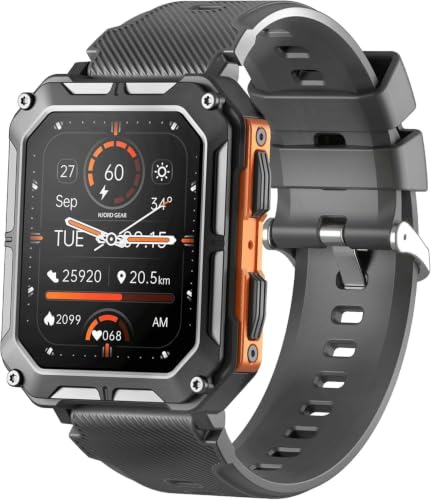
This rugged outdoor smartwatch keeps the feature list simple and useful. It includes GPS, a heart-rate monitor, IP68 protection, more than 100 sports modes, and a large 1.8-inch HD display. A large screen can make numbers easier to read while walking, especially for users who prefer bigger text. The rugged case also suits people who do not want to baby their watch.
This model feels like a practical entry point into outdoor smartwatch use. It can record walks, show fitness data, and handle normal exposure to dust, sweat, and rain. IP68 ratings vary by product and test conditions, so I would avoid treating the watch as a dive computer. It is best when you want a clear screen and basic GPS features at a value price.
Pros:
- Large 1.8-inch display improves quick readability
- GPS supports hiking and outdoor workout tracking
- More than 100 sports modes offer good activity range
- IP68 protection helps with rain and splashes
- Rugged design suits active daily use
- Heart-rate monitoring supports basic fitness feedback
Cons:
- Large case may not fit small wrists well
- IP68 is not the same as a full swim or dive rating
- Basic navigation may not satisfy backcountry hikers
My Recommendation
I recommend this watch for beginners, casual hikers, and users who value a large display. It can be easier to read than a compact model when your hands are busy or your eyes are tired. The outdoor design also makes it a sensible daily fitness watch. If you want a simple and affordable best smartwatch for hiking, this rugged model deserves a close look.
Universal Smartwatch Protector Case

This product is a protective case, not a smartwatch. It is designed to add a shockproof, dustproof, and weatherproof layer to supported Apple Watch, Samsung, Fitbit, Garmin, and Amazfit models. That makes it useful for hikers who already own a watch but worry about scratches, dirt, or bumps. A case can act like a small shield when branches brush your wrist or a watch hits a rock.
Compatibility is the key point here. Universal cases do not fit every watch, so I would check the exact case size and watch model before ordering. A cover may also change access to buttons, the crown, or touch controls. Used with a good hiking smartwatch, this accessory can extend confidence and help protect an expensive device without adding much weight.
Pros:
- Adds a protective layer against bumps and scratches
- Helps reduce dust and dirt exposure during hikes
- Designed for use with several major smartwatch brands
- Useful for hiking, gardening, gym work, and outdoor jobs
- Can help preserve the appearance of a watch
- May cost less than replacing a damaged watch
Cons:
- It does not provide GPS, health tracking, or battery power
- Exact fit depends on the watch model and case size
- Extra coverage may affect touch response or button access
My Recommendation
I recommend this case for hikers who already own a compatible smartwatch and want extra protection. It is especially useful on brush-heavy trails, rocky scrambles, and outdoor work days. I would not buy it as a smartwatch replacement, but it pairs well with the best smartwatch for hiking from any brand. Check compatibility first, then use it as a low-cost layer of trail insurance.
VELATEMOR Fitness Smartwatch With Compass

The VELATEMOR fitness smartwatch keeps its hiking appeal focused on activity modes and a built-in compass. Its compact design may suit hikers who dislike large, heavy outdoor watches. The watch supports fitness use and provides a simple way to check direction while on a trail. Its black finish gives it a low-key look for daily wear.
A compass can be helpful, but users should calibrate it and keep it away from strong magnetic objects when possible. I would also compare its size with your wrist before ordering because the listing information appears compact and may not suit every reader. This is a better fit for short hikes, walking routes, and basic fitness than for technical backcountry trips. It offers a simple starting point for someone who wants outdoor features without a complex interface.
Pros:
- Built-in compass supports basic direction checks
- Compact style may feel comfortable on smaller wrists
- Multiple sports modes support daily exercise
- Simple design works for casual wear
- Useful for walking, hiking, and light fitness goals
- Low-key black finish matches many outfits
Cons:
- It may lack the advanced GPS tools of premium hiking watches
- Small screen size can limit map and data views
- Compass readings need proper calibration for best results
My Recommendation
This watch is best for casual hikers, walkers, and users with smaller wrists. The compass gives it more trail value than a basic step counter, while the compact shape may feel less bulky. I would use it on known paths and local parks rather than remote wilderness. It can be a sensible budget pick for shoppers searching for the best smartwatch for hiking on simple routes.
Yihou Rugged GPS Watch With Altitude Tools
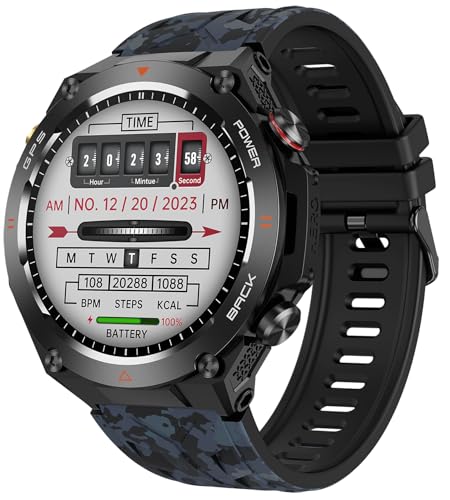
The Yihou ABC GPS smartwatch targets hikers who want a rugged body, calls, a compass, altitude data, and a large battery. The listed 650mAh battery is notably large for a smartwatch and may help reduce charging stress between outings. Its rugged military styling fits outdoor use, while make-and-answer call support adds everyday value. GPS tracking can help record movement on hikes and runs.
Altitude data can make climbs easier to understand, especially when a trail gains height in short, steep sections. I would treat the altitude figure as an estimate and check it against known trail data when accuracy matters. The large battery may also increase the watch size and weight, so comfort deserves attention. This is a practical model for users who want a bold outdoor watch with communication features.
Pros:
- Large listed 650mAh battery may extend time between charges
- GPS supports hiking and running activity records
- Compass helps with basic direction checks
- Altitude data adds useful elevation context
- Make-and-answer call support improves daily convenience
- Rugged design suits outdoor work and active use
Cons:
- Large battery may mean a larger, heavier watch case
- Altitude readings can vary with weather and calibration
- Call and smart features need a connected phone
My Recommendation
I recommend the Yihou for hikers who want a rugged watch with a strong battery and simple trail tools. It is a good match for men who prefer a large military-style design and want calls on the wrist. The compass and altitude features add useful context on hilly routes. For long day hikes where charging is hard, it may be the best smartwatch for hiking among the value-focused large-battery choices.
Best Features at a Glance
| Best for | Why |
|---|---|
| Serious trail training | The POLAR Grit X Pro offers rugged construction, navigation, sapphire glass, and advanced training tools. |
| Budget outdoor use | The military GPS and rugged models provide useful tracking, health data, and water protection at a lower cost. |
| Small wrists and daily wear | The women’s GPS model and VELATEMOR watch offer compact styling with helpful compass or outdoor features. |
How I Choose the Best Smartwatch for Hiking
A hiking smartwatch should do more than count steps. I first look for reliable GPS, because distance and route records become less useful when the signal jumps around. Dual-band GPS can help in hard areas, but trees, cliffs, weather, and satellite conditions still affect results. I always suggest testing a watch near home before trusting it on a long trip.
Battery life matters just as much. A watch that lasts for days in normal mode may last far less with GPS, a bright screen, calls, and health sensors active. I check the charging method, battery settings, and low-power GPS options. For an overnight hike, I prefer extra power over a long list of features I will not use.
Water protection also needs careful reading. A water rating or IP rating does not mean every watch can handle deep water, hot showers, or diving. Rain and sweat are common trail problems, while swimming creates a different level of demand. I follow the maker’s limits and dry the watch and band after a wet hike.
Navigation features can range from a simple compass to full route guidance. A compass helps with direction, but it does not show terrain, hazards, or a safe way home. Some watches may support route files or breadcrumb trails, while others only record the hike. I still carry a paper map, a small compass, and a charged phone when I hike far from roads.
Comfort often decides whether a watch gets used. A heavy case can rub the wrist during a full day, and a loose band can hurt sensor accuracy. I look for a clear screen, easy buttons, and a band that stays secure when climbing. The best smartwatch for hiking should fade into the background until you need it.
Health sensors can help track effort, rest, and trends. Heart-rate, blood oxygen, sleep, and HRV data can support wellness goals, but they do not diagnose illness. Cold weather, motion, skin contact, and fit can affect readings. I use these tools as helpful signals, not as a replacement for medical care.
Phone support is another key detail. Calls, messages, voice assistants, and app sync often need Bluetooth and a nearby phone. GPS may work without a phone, but maps, weather, and emergency contact tools may need a network. I check whether the watch supports my phone before I buy it.
Tips for Using a Smartwatch on the Trail
Charge the watch the night before your hike. Turn on the GPS mode you plan to use and download any route or map before leaving home. Check the trail distance, expected weather, and return time. A small test walk can reveal poor fit, confusing menus, or weak battery performance.
Keep the watch snug, but not tight. The sensor should touch the skin without cutting into it. Clean sweat and dirt from the back after use. If the screen is hard to read, try a simple data face with distance, time, and battery level.
Use alerts with care. Pace, heart-rate, and distance alerts can help during training, but too many alerts can drain power and distract you. On a relaxed hike, I prefer only the data that helps me make a safe choice. The trail should remain the main event, not the tiny screen on your wrist.
Carry backup tools. A smartwatch can lose power, break, or lose satellite contact. A paper map, compass, headlamp, water, food, first-aid kit, and extra layer remain useful. No device should replace route planning and good judgment.
FAQs Of best smartwatch for hiking
What is the best smartwatch for hiking?
The POLAR Grit X Pro is the strongest overall choice in this review. It offers rugged durability, GPS navigation, sapphire glass, heart-rate tracking, and long battery performance. Casual hikers may prefer a lower-cost model with a larger feature list.
Do I need built-in GPS for hiking?
Built-in GPS is helpful because it can track distance and routes without keeping your phone in your hand. It also saves phone battery on long walks. Still, GPS accuracy can change in forests, valleys, and steep areas.
Can I use a smartwatch for hiking in the rain?
Many hiking watches can handle rain and sweat, but water limits differ. Check the exact IP or ATM rating before swimming or submerging the watch. Dry the watch after a wet outing.
How much battery life should a hiking watch have?
For day hikes, a full day of GPS battery may be enough. For camping or multi-day trips, choose a model with longer normal battery life and a low-power GPS mode. GPS, calls, bright screens, and health sensors can reduce runtime.
Can a smartwatch replace a hiking map and compass?
No. A smartwatch is a useful guide, but it is not a complete safety system. Carry a paper map and a compass, and learn how to use both before a remote hike.
Final Verdict: Which Should You Buy?
The POLAR Grit X Pro is my top pick for the best smartwatch for hiking. It offers the strongest mix of rugged build, navigation, battery life, and outdoor training tools.
For casual hikes, value models with GPS, water protection, and health tracking can work well. Choose the watch that matches your route, wrist comfort, phone, and safety needs.